The Science Behind Maintaining Performance When Fatigue Sets In
Most runners don’t fail workouts because they lack cardiovascular fitness.
They fail because mechanical and neuromuscular fatigue degrade movement quality before the intended training stimulus is complete.
Pace drops. Cadence slows. Ground contact time increases. Running economy worsens.
At that point, continuing the workout may increase fatigue, but it no longer produces the intended adaptation.
The goal of effective training is not simply accumulating work. It is maintaining quality long enough for meaningful physiological and neuromuscular adaptations to occur.
In this blog, we’ll explore:
-
What “quality” actually means from a physiological standpoint
-
Why fatigue and impact limit quality before fitness does
-
How reducing mechanical load can extend effective training time
-
How the LEVER Movement system allows runners to train closer to optimal stimulus with less breakdown

What Does “Workout Quality” Mean in Exercise Science?
In exercise physiology, workout quality is closely tied to movement efficiency and neuromuscular coordination, not just pace.
High-quality running is characterized by:
-
Stable cadence
-
Short, consistent ground contact times
-
Efficient force application
-
Lower oxygen cost at a given speed (running economy)
Saunders et al. (2004) demonstrated that improvements in running economy are strongly associated with neuromuscular adaptations and mechanical efficiency, not just aerobic capacity.
When mechanics degrade, the stimulus shifts away from performance adaptation and toward compensation.
Why Quality Breaks Down Before Fitness Is Reached
1. Mechanical Load Accumulates Independently of Cardiovascular Stress
Each foot strike during running produces ground reaction forces of approximately 2–3 times body weight, repeated thousands of times per session.
Research by Nigg et al. (2015) and Milner et al. (2006) shows that repetitive impact loading contributes to tendon strain accumulation, bone stress, and muscular fatigue independent of aerobic load.
This explains why runners often feel aerobically capable but mechanically limited.
2. Neuromuscular Fatigue Alters Movement Patterns
Neuromuscular fatigue changes how force is produced and coordinated.
Studies by Girard et al. (2011) and Derrick et al. (2002) show that as fatigue develops:
-
Motor unit firing becomes less synchronized
-
Ground contact time increases
-
Joint loading patterns shift
These changes reduce efficiency and increase injury risk, even if pace is maintained.
3. Running Economy Worsens as Fatigue Increases
Multiple studies confirm that running economy deteriorates with fatigue.
Kyrolainen et al. (2001) demonstrated that fatigue leads to:
-
Increased oxygen consumption at fixed speeds
-
Reduced muscle-tendon stiffness
-
Higher metabolic cost for the same workload
Once economy declines significantly, continued running reinforces inefficient patterns rather than improving performance.

Why Extending Quality Improves Adaptation
Training adaptations occur most effectively when:
-
Mechanics are repeatable
-
Neuromuscular patterns remain consistent
-
Fatigue is present but controlled
Enoka and Duchateau (2016) emphasize that neuromuscular adaptations depend on how movement is executed under load, not simply the presence of fatigue.
Extending quality allows runners to:
-
Spend more time at effective intensities
-
Reinforce efficient motor patterns
-
Improve fatigue resistance at race-relevant paces
The Role of Mechanical Load Reduction
Reducing mechanical load lowers:
-
Peak joint forces
-
Tendon strain per step
-
Muscle damage accumulation
Without eliminating metabolic demand.
Research on body-weight-supported and lower-impact running, including work by Grabowski and Kram (2008) and Gojanovic et al. (2015), shows similar cardiovascular stimulus with reduced musculoskeletal stress and improved ability to maintain form and cadence.
This supports the concept that mechanical stress, not aerobic stress, is often the limiting factor for workout quality.

Where the LEVER System Fits In
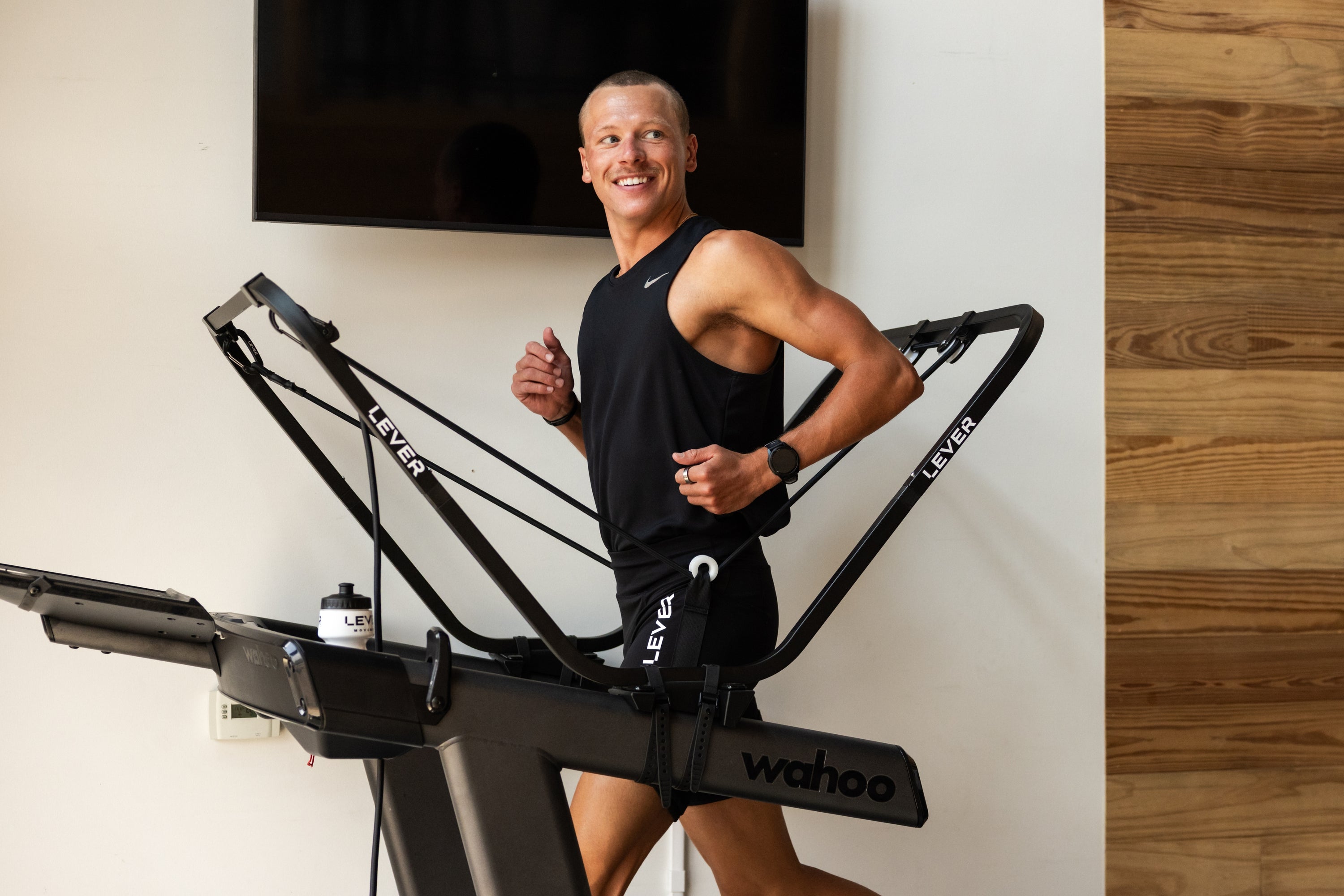
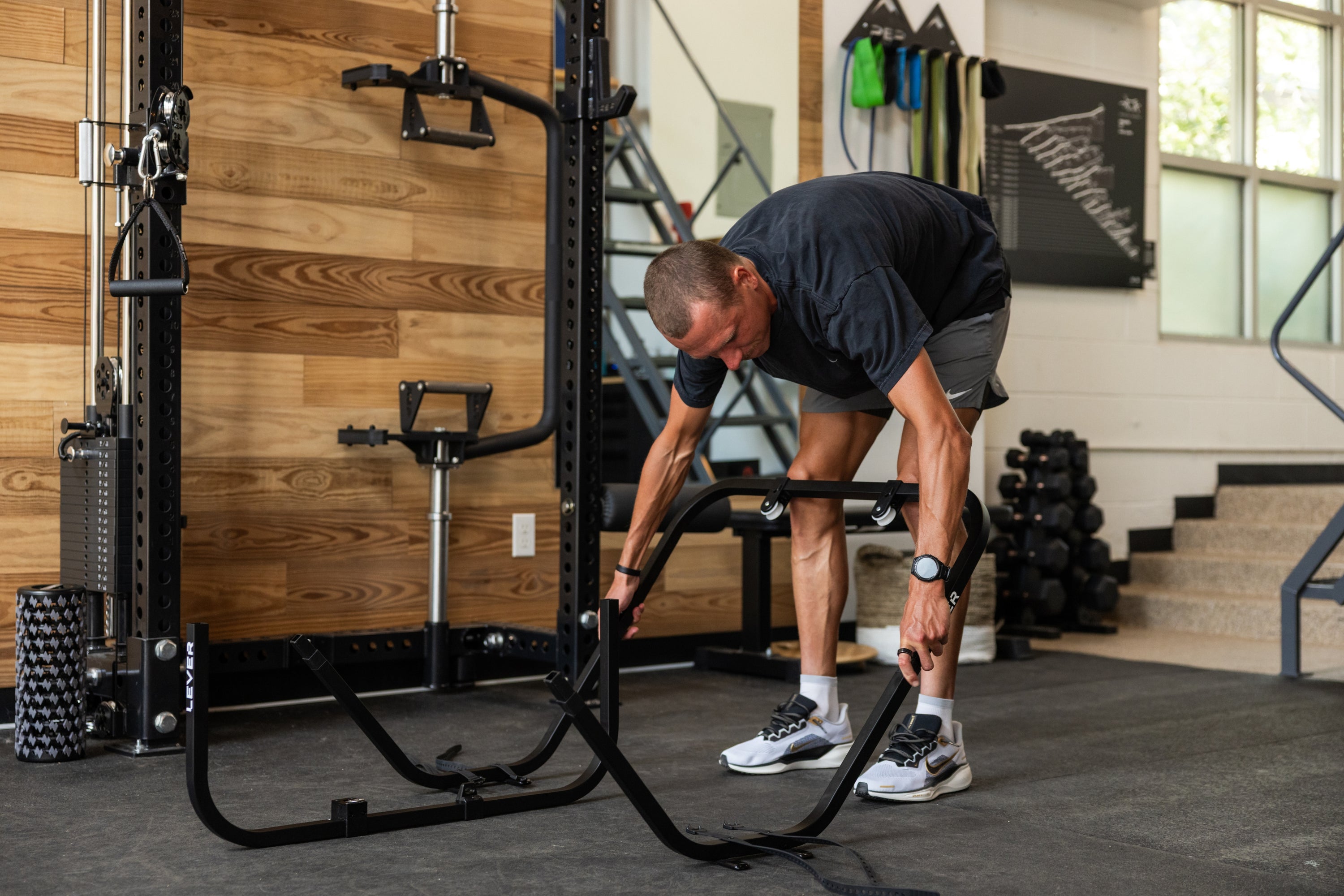
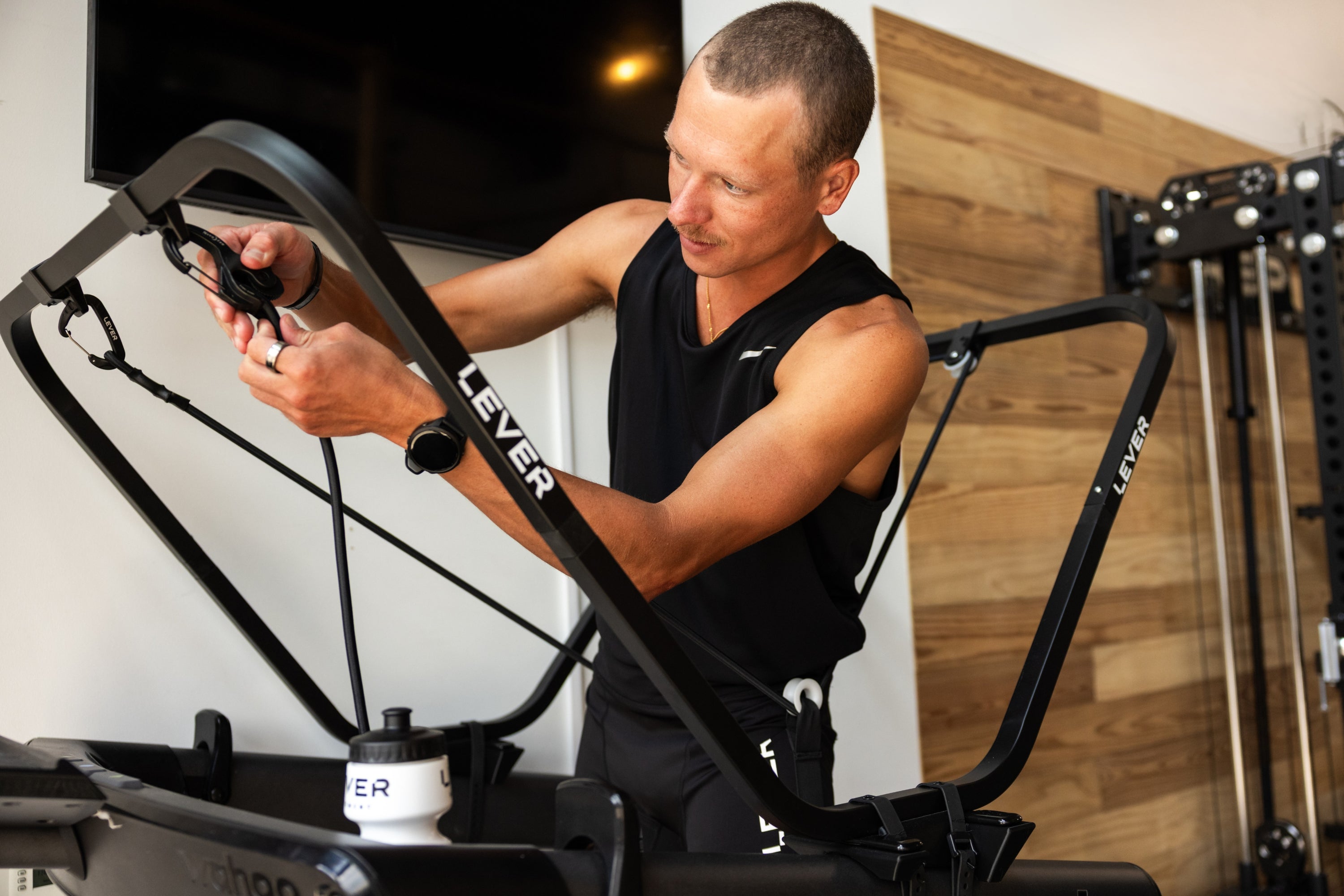
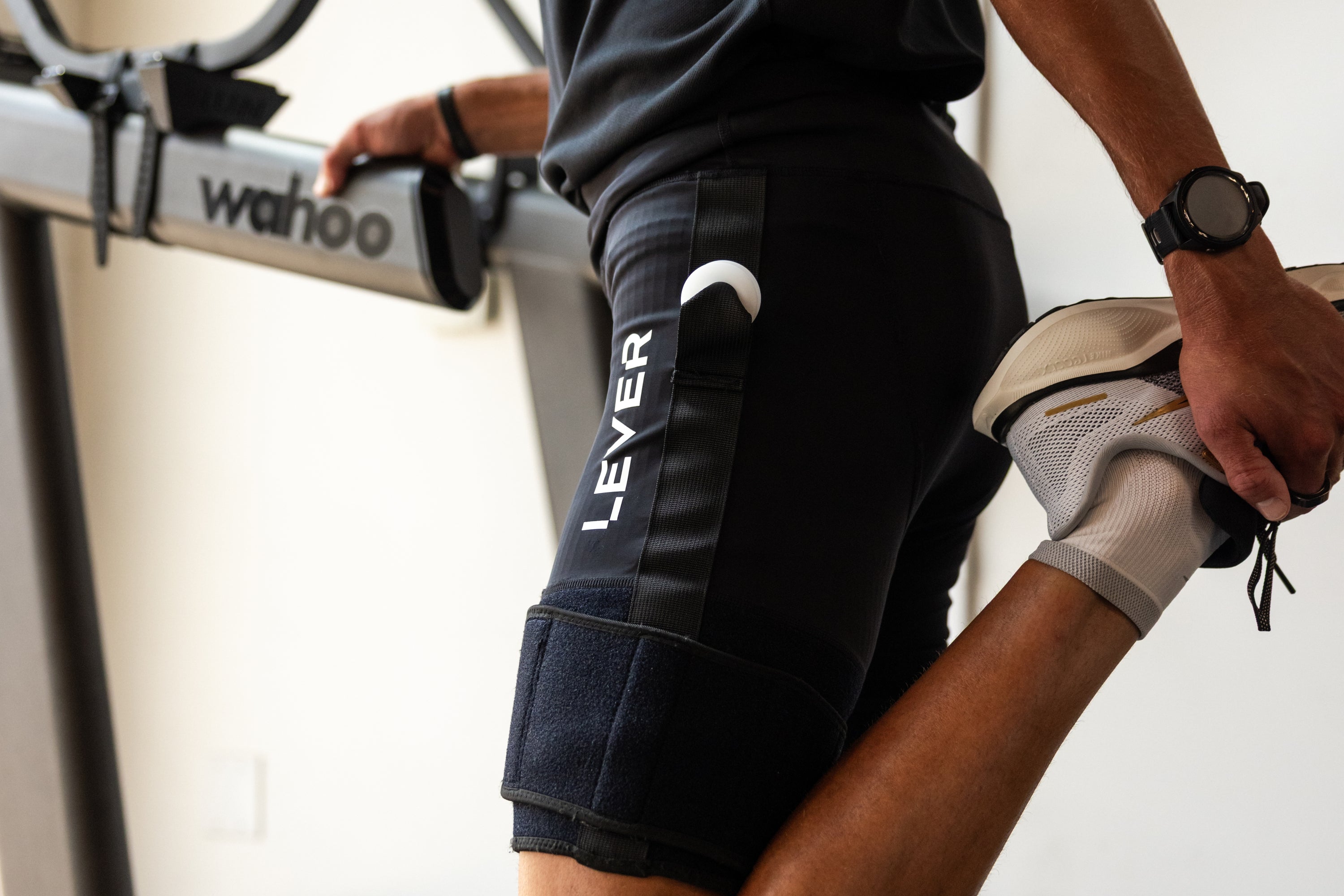
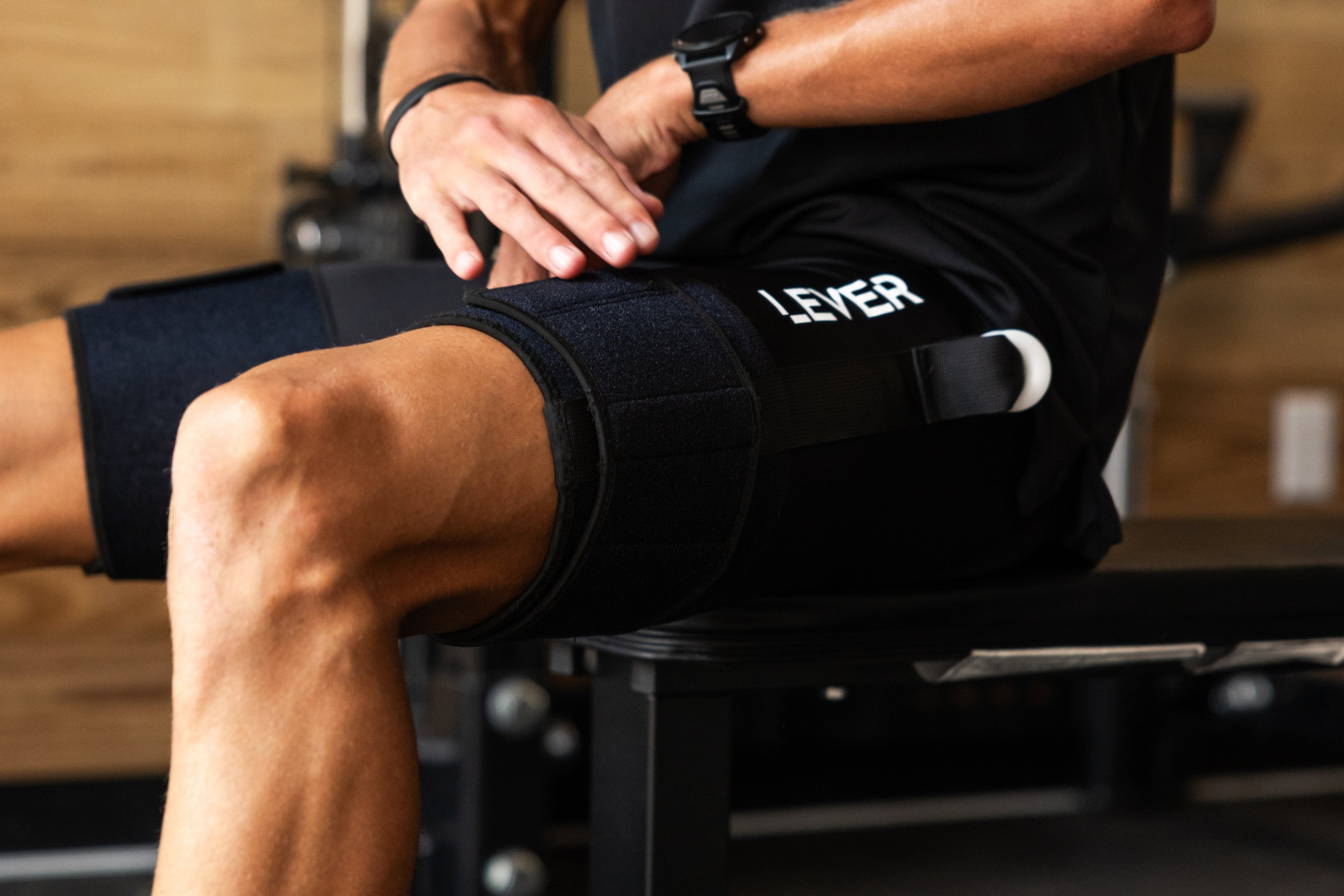
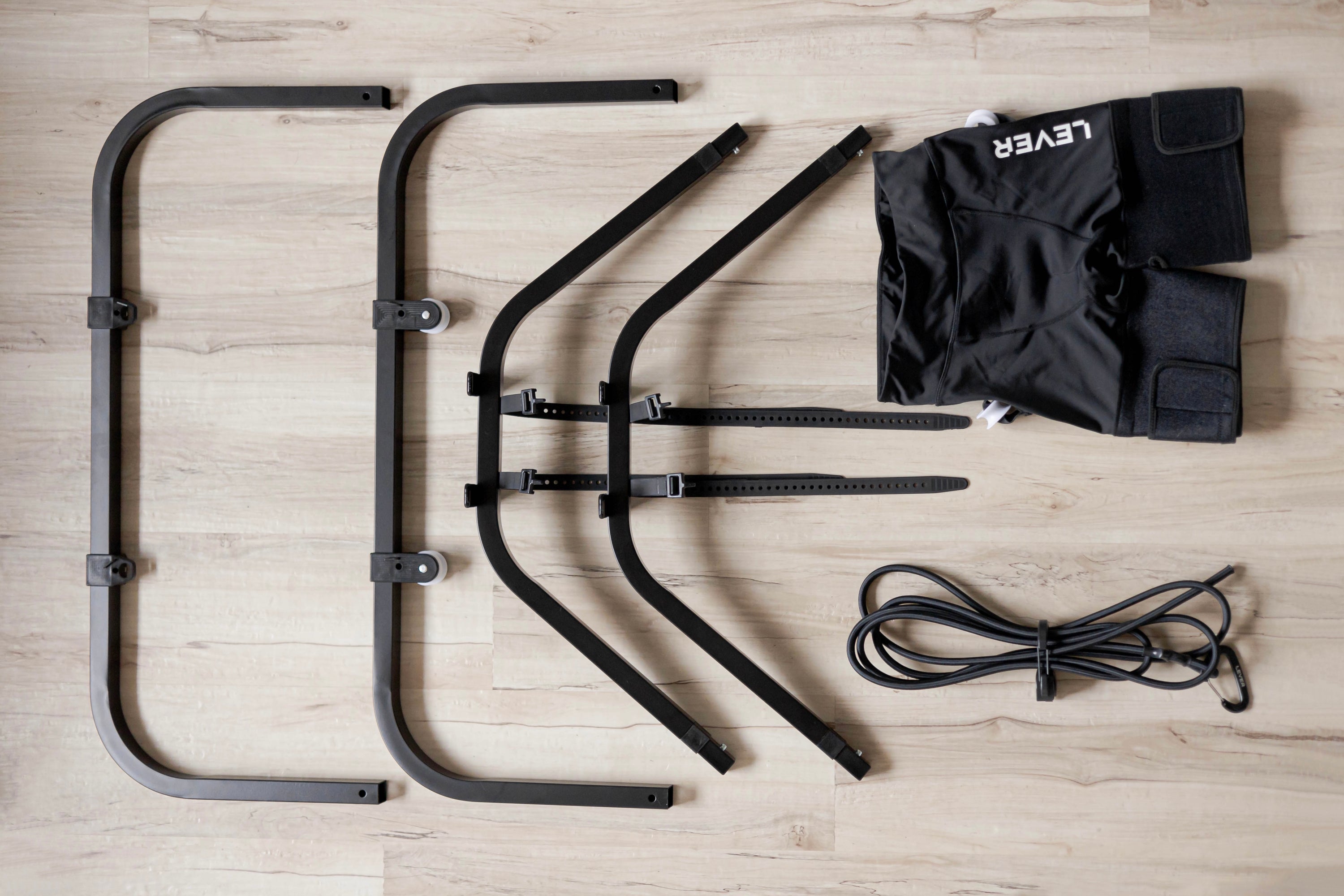
The LEVER system provides vertical body-weight support, reducing effective body weight by up to 45 pounds during treadmill running.
This directly reduces:
-
Ground reaction forces
-
Joint loading
-
Tendon strain
While preserving:
-
Normal cadence
-
Normal stride timing
-
Running-specific neuromuscular demand
Extending Quality Without Losing Specificity
Unlike cycling, pool running, or complete rest, LEVER preserves running-specific movement patterns.
Research by Raffalt et al. (2013) shows that body-weight support allows runners to maintain stride frequency, preserve coordination, and delay fatigue-related breakdown.
This is critical for reinforcing efficient movement under realistic conditions.
Managing Neuromuscular Fatigue
By reducing mechanical strain, LEVER:
-
Delays neuromuscular fatigue
-
Preserves tendon stiffness
-
Maintains coordination under prolonged effort
These outcomes align with findings from Bieuzen et al. (2013), which highlight the importance of managing mechanical stress to maintain performance consistency.
Improving Recovery Between Sessions
Lower mechanical damage results in:
-
Reduced delayed-onset muscle soreness
-
Shorter recovery timelines
-
Higher sustainable training frequency
Halson (2014) emphasizes that recovery quality, not just training load, is a key determinant of long-term performance.
Practical Applications: Using LEVER to Extend Quality
Tempo and Threshold Work
-
Longer sustained efforts
-
Better economy maintenance
-
Reduced late-session breakdown
Interval Sessions
-
Less pace decay
-
Improved cadence consistency
-
Better mechanical efficiency in later reps
Long Runs and Progressions
-
Preserved mechanics late
-
Reduced cumulative stress
-
Improved fatigue resistance
Recovery and Transitional Days
-
Active recovery with reduced load
-
Maintained rhythm and coordination
-
Faster readiness for the next quality session
Key Takeaways
-
Workout quality is defined by efficiency, mechanics, and neuromuscular control
-
Mechanical and neuromuscular fatigue often limit performance before aerobic capacity
-
Extending quality improves the effectiveness of training adaptations
-
Reducing mechanical load allows runners to preserve quality longer
-
The LEVER system enables runners to train closer to optimal stimulus with less breakdown
Training Smarter Means Training More Precisely
Performance improvements come from preserving the conditions that allow adaptation to occur.
Using the LEVER system to extend workout quality allows runners to:
-
Reinforce efficient movement
-
Manage fatigue intelligently
-
Maintain consistency over time
That is how long-term performance is built.
Learn more about the LEVER system here → LEVER
References
Saunders et al., Sports Medicine, 2004
Factors Affecting Running Economy in Trained Distance Runners
https://doi.org/10.2165/00007256-200434070-00005
Kyrolainen et al., European Journal of Applied Physiology, 2001
Effects of fatigue on running economy and neuromuscular performance
https://pubmed.ncbi.nlm.nih.gov/11560074/
Girard et al., Sports Medicine, 2011
Neuromuscular fatigue in endurance exercise
https://pubmed.ncbi.nlm.nih.gov/21895553/
Enoka & Duchateau, Physiology, 2016
Translating fatigue to human performance
https://pubmed.ncbi.nlm.nih.gov/26928757/
Grabowski & Kram, Journal of Applied Biomechanics, 2008
Effects of velocity and weight support on ground reaction forces
https://pubmed.ncbi.nlm.nih.gov/18579903/
Gojanovic et al., Medicine & Science in Sports & Exercise, 2015
Lower body positive pressure treadmill training improves running performance
https://pubmed.ncbi.nlm.nih.gov/25774657/
Halson, Sports Medicine, 2014
Monitoring training load to understand fatigue in athletes
https://pubmed.ncbi.nlm.nih.gov/25200666/