Most runners know that running more often and more consistently leads to better performance. But they also know the flip side: more miles often come with more aches, flare-ups, and time off.
So the real question isn’t whether mileage helps performance. It’s this:
Can you actually increase mileage without increasing your injury risk?
The answer is yes but only if mileage is built strategically.
In this blog, we’ll break down what the science says about training volume and injury risk, why runners tend to break down when mileage increases, and how tools like the LEVER system can help you run more miles safely and sustainably.

Why Mileage Matters (But Also Gets Runners in Trouble)
1. Mileage Drives Performance
Research consistently shows that higher training volume is associated with improved endurance performance. More miles improve:
-
Aerobic capacity
-
Muscular endurance
-
Running economy
This is why most successful runners across all distances tend to run consistently year-round.
2. Injuries Aren’t Caused by Mileage Alone
Contrary to popular belief, injuries aren’t simply the result of “too many miles.” They’re usually caused by:
-
Sudden spikes in volume
-
Inadequate recovery
-
Poor tissue tolerance to load
In other words, it’s not how much you run it’s how quickly and how consistently you build.
3. Tissues Adapt More Slowly Than Fitness
Your cardiovascular system adapts relatively quickly. Tendons, bones, and connective tissue do not.
This mismatch is why runners often feel fit enough to run more but their bodies aren’t structurally ready to handle the impact yet. When load exceeds tissue capacity, injuries occur.
Why Runners Break Down When Mileage Increases
1. Impact Adds Up Quickly
Each foot strike generates ground reaction forces that travel through the foot, ankle, knee, and hip. Even easy runs contribute to cumulative stress.
As mileage increases, this repeated impact can exceed what tissues are prepared to tolerate especially if increases happen too fast.
2. Easy Runs Aren’t Always “Easy”
Many runners unintentionally run their easy days too hard. This increases fatigue and reduces recovery, making it harder for tissues to adapt to higher volume.
Without true recovery days, mileage accumulation becomes a liability instead of an advantage.
3. Consistency Is Interrupted
When runners get injured, they’re forced to stop or significantly reduce training. This breaks consistency, which is one of the most important factors for long-term improvement.
Ironically, pushing mileage too aggressively often leads to less running over time.
How to Increase Mileage Safely
1. Prioritize Gradual Progression
Sustainable mileage increases happen over weeks and months not days. Gradual progression allows bones, tendons, and muscles to adapt alongside fitness.
2. Manage Weekly Impact
Instead of only focusing on miles, think about total impact exposure across the week. Easy runs, long runs, and recovery days all contribute.
Reducing impact on certain days can make higher overall mileage possible.
3. Protect Recovery Days
Recovery runs should actually help you recover. When they’re done correctly, they support adaptation instead of adding unnecessary stress.

Where the LEVER System Fits In
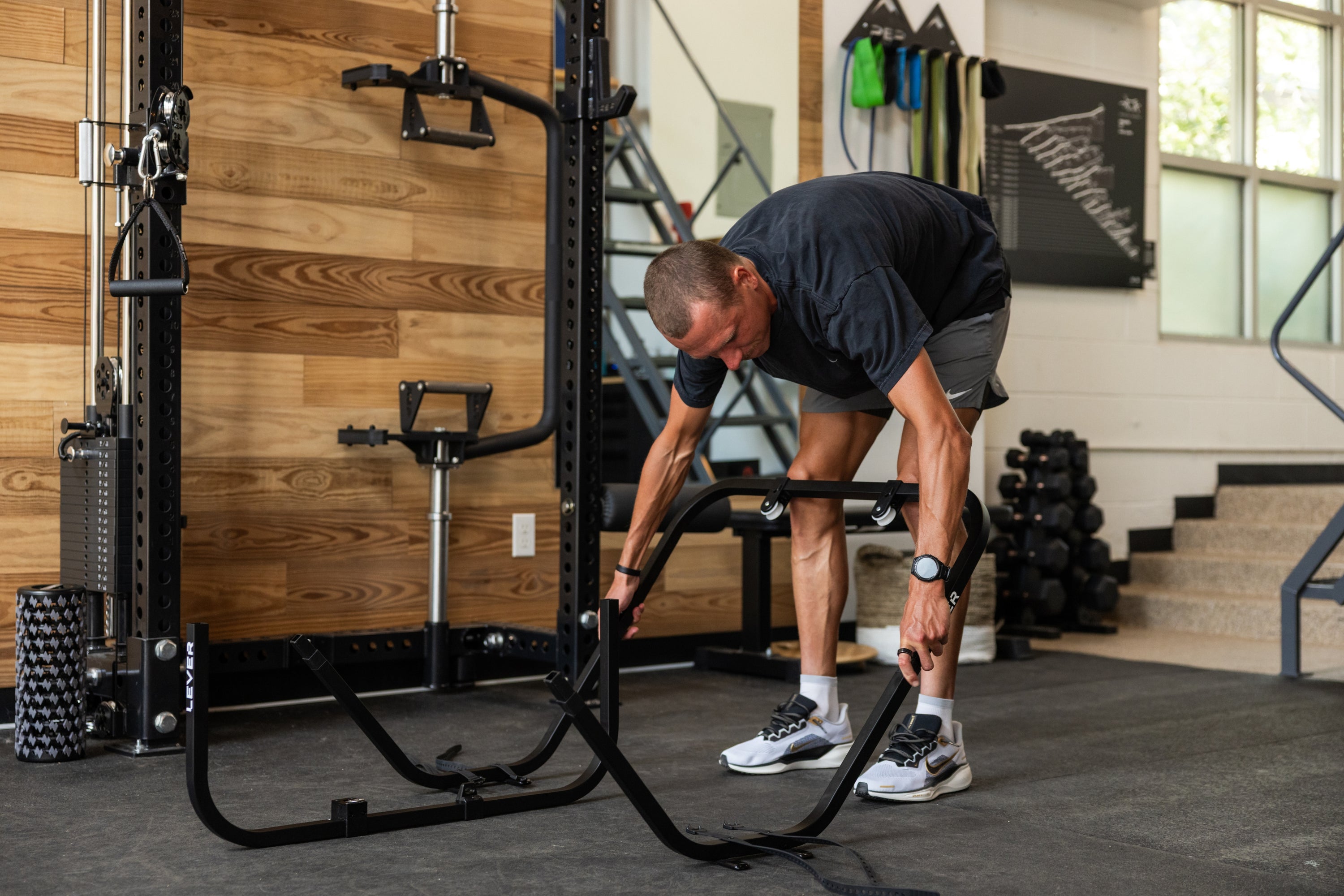
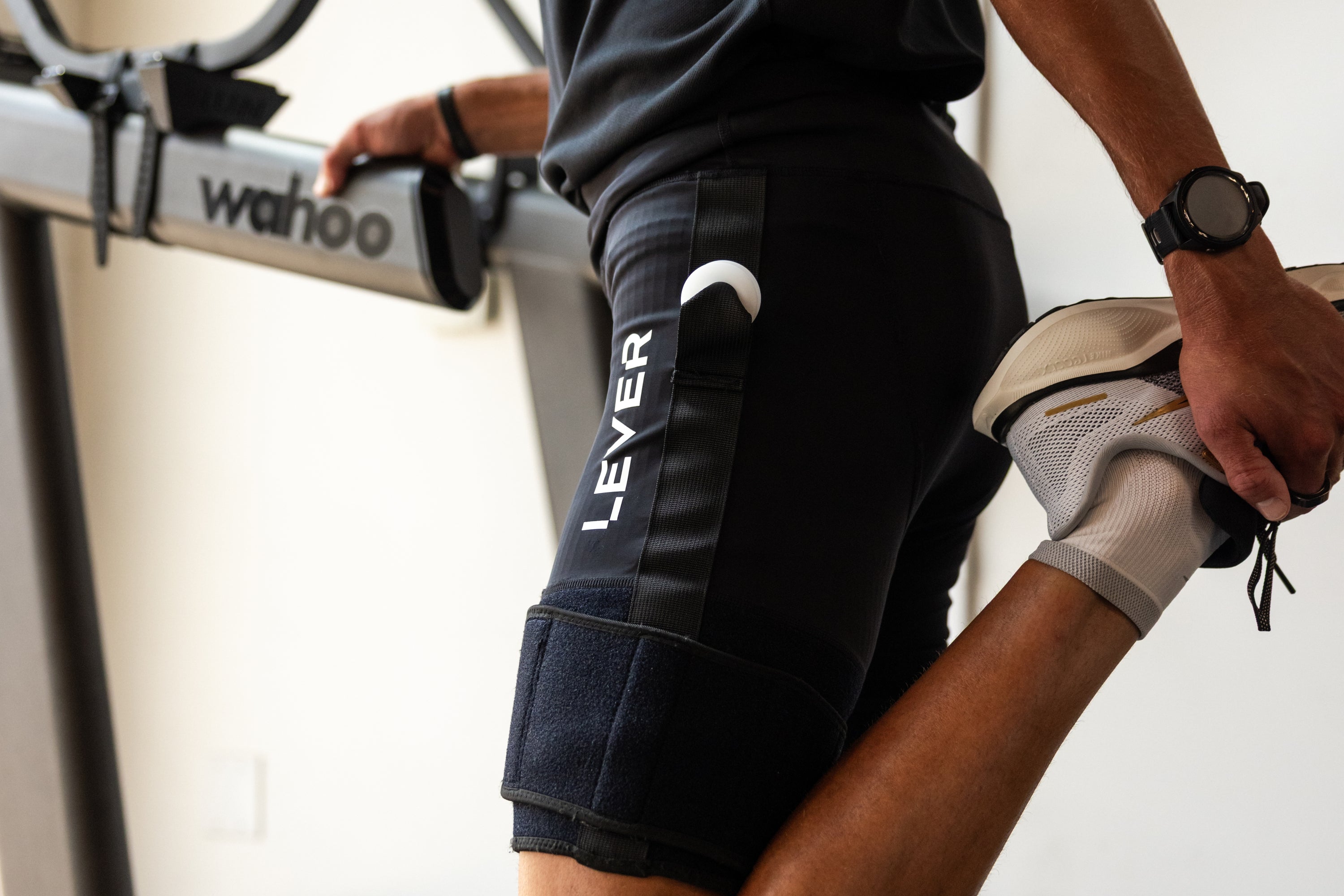
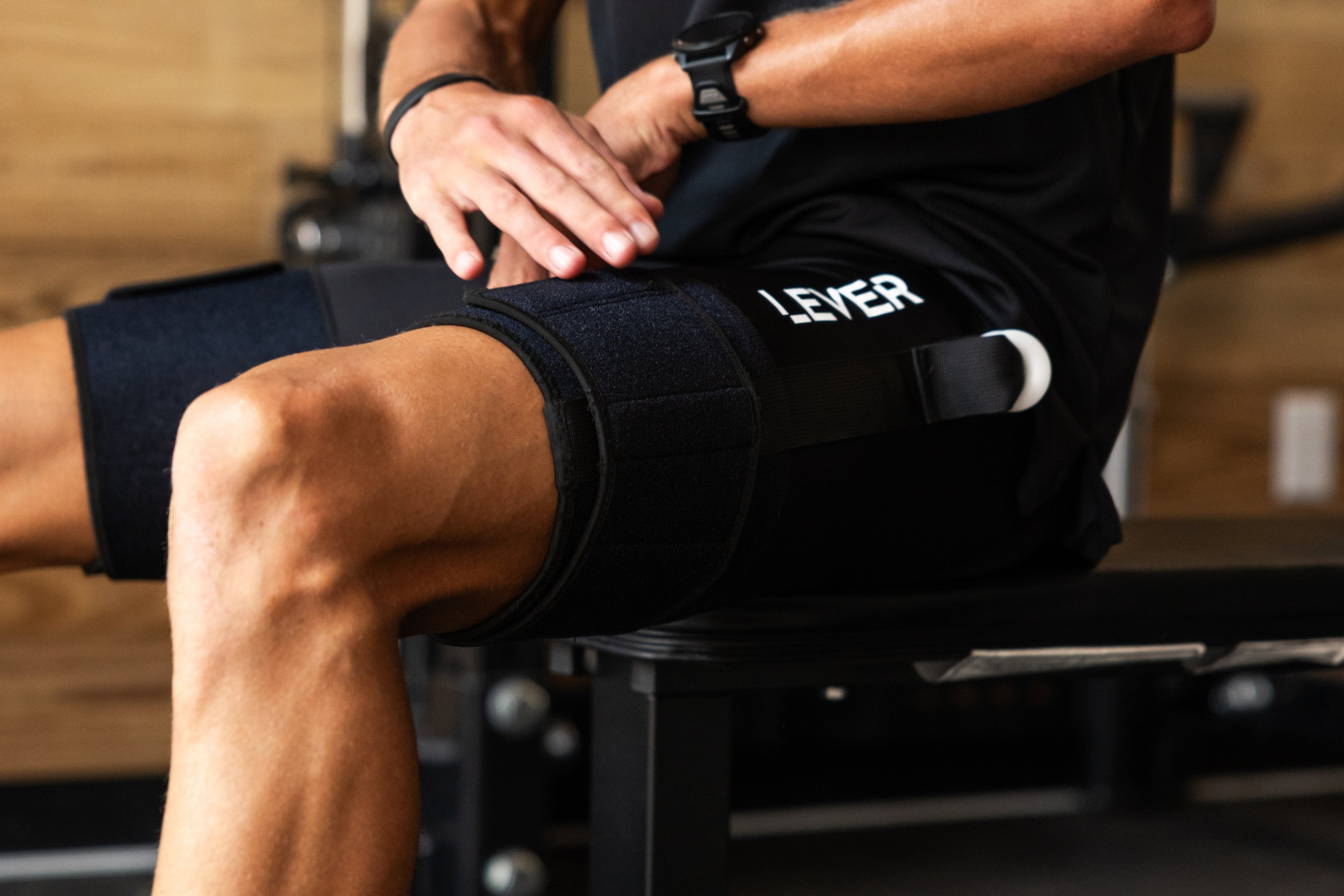
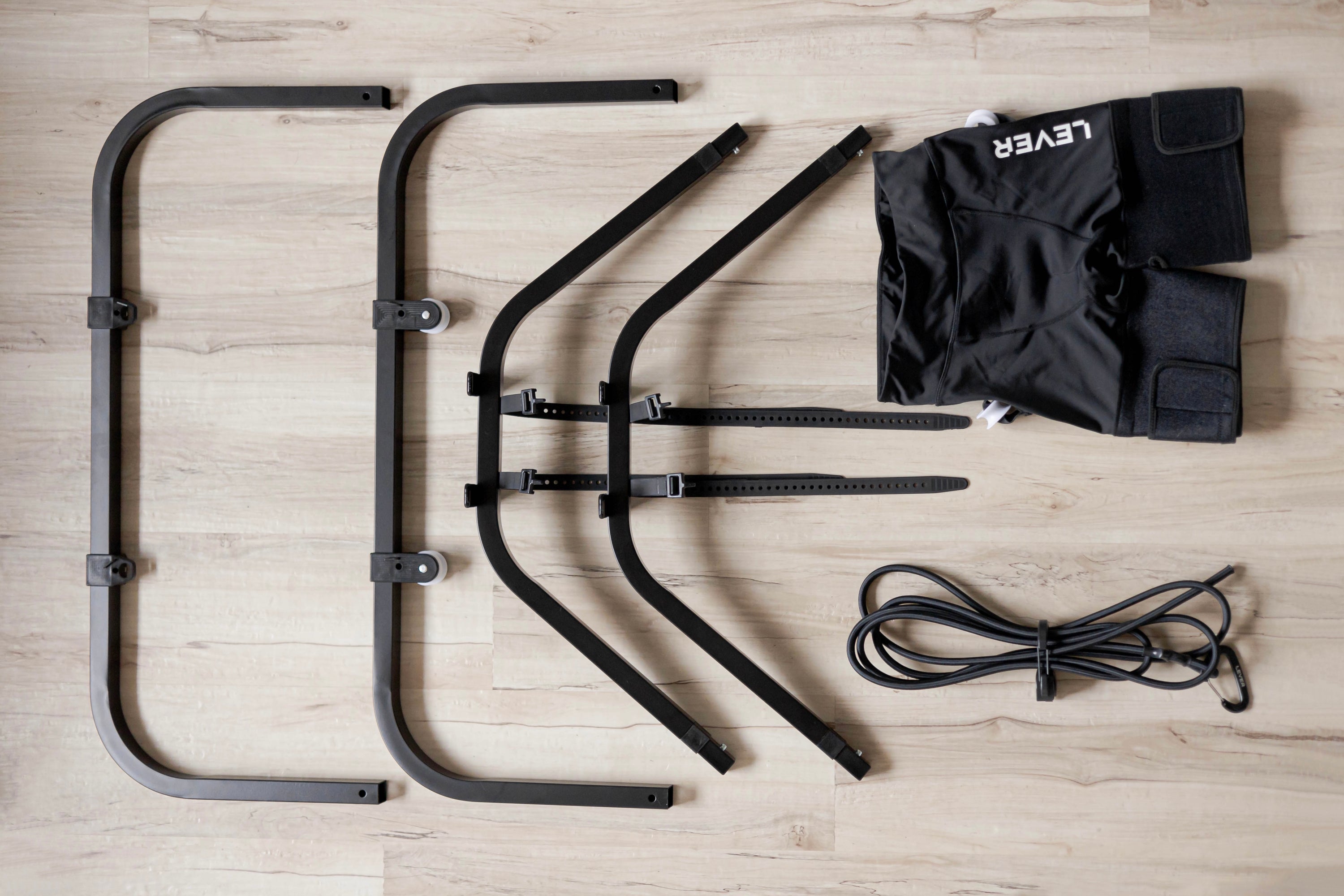
The LEVER system allows runners to offload up to 45 pounds of effective body weight during treadmill running. This creates a unique opportunity to increase mileage while managing impact.
Increase Mileage Without Increasing Stress
By reducing impact forces, LEVER helps runners:
-
Accumulate more total running volume
-
Reduce joint and tendon stress
-
Maintain consistency during high mileage phases
This is especially useful for recovery runs and easy mileage days.
Support Tissue Adaptation
LEVER allows runners to:
-
Maintain aerobic stimulus while lowering mechanical load
-
Gradually reintroduce impact during return-to-run phases
-
Avoid large spikes in tissue stress
This helps tissues adapt safely over time.
Train Through Minor Setbacks
Minor soreness or niggles don’t always require complete rest. LEVER provides a way to:
-
Modify load instead of stopping entirely
-
Maintain fitness while managing symptoms
Keep momentum without aggravating injuries
How to Use LEVER to Build Mileage Safely
|
Phase |
Goal |
How to Use LEVER |
|
Base Building |
Increase weekly volume |
Use LEVER on easy and recovery runs |
|
High-Mileage Weeks |
Manage cumulative impact |
Offload 20–40% body weight on select days |
|
Injury Management |
Maintain fitness |
Reduce load while keeping cadence and rhythm |
|
Return to Run |
Rebuild tolerance |
Gradually decrease support over time |
Key Takeaways
-
Higher mileage supports endurance performance but only when built gradually
-
Injuries are often caused by rapid load increases, not mileage itself
-
Managing impact is key to sustainable volume
-
The LEVER system allows runners to run more miles with less cumulative stress
Ready to Run More Without Breaking Down?
If your 2026 goal is consistency, longevity, and steady improvement, the ability to safely build mileage is essential. Pairing smart training with the LEVER system gives runners a way to increase volume, protect recovery, and stay healthy for the long run.