Blair Rhodes’ Return to Running After Stress Reactions + RED-S: How to Come Back Safer, Smarter, and More Confident
If you’re rebuilding after a bone stress injury, struggling with fueling, or trying to return to running without fear Blair’s story shows what it looks like to play the long game and come back stronger. At 24, Blair Rhodes made a decision most people won’t make in a lifetime.
She walked away from dental school. Moved across the country. And committed fully to a sport she was still brand new to Ironman. But just as everything started clicking winning her age group at IRONMAN Maryland, placing 6th overall, and qualifying for Kona her body forced a stop.
Three stress reactions. RED-S markers in bloodwork. A wake-up call she couldn’t ignore. Instead of trying to “tough it out,” Blair did something harder: She slowed down… on purpose.
The Problem
Bone stress injuries and RED-S are brutal because they don’t just challenge your fitness. They challenge your identity.
Stress reactions (especially in the hip/sacrum region) aren’t the kind of thing you can “push through.” When the body is under-fueled, under-recovered, and asked to train hard anyway, bone and hormone health can become the limiting factor fast.
And mentally? Coming back can be even harder than the shutdown.
Because every run becomes a question:
-
Is this pain… or just normal soreness?
-
Am I rebuilding… or re-breaking myself?
-
Can I trust my body again?
Blair said it plainly: the mental side was one of the hardest parts.

The Science / Training Principle
You can’t out-train low energy availability. RED-S (Relative Energy Deficiency in Sport) happens when training stress outpaces what your body has available to recover, repair, and function normally.
Even if you think you’re fueling enough Blair did your body can still fall behind.
What it can impact:
-
Bone remodeling and density (higher risk of stress injuries)
-
Hormonal health (including menstrual cycle disruption)
-
Recovery capacity (you feel flat, heavy, or “off” in training/racing)
-
Long-term performance (you can’t stack consistent training blocks)
Blair’s big lesson: this wasn’t “just training load.” There was an underlying reason—and fixing that was the path forward.
The Athlete Story / Case Study
Blair grew up an athlete in Richmond, Virginia and played Division I college softball until a shoulder injury ended that chapter.
During COVID, she found endurance sport running, marathons, CrossFit until a friend casually suggested: “Let’s do an Ironman for fun.” So Blair did her first ever triathlon… as a full-distance Ironman.
Then things escalated quickly:
-
First 70.3 at Gulf Coast (no coach, on a road bike)
-
Won her age group and qualified for Worlds
-
Hired a coach and trained for IRONMAN Maryland seriously
-
Quit dental school in August because she couldn’t ignore the pull toward triathlon
-
Won her age group at Maryland, placed 6th overall, and qualified for Kona
But the race itself? She felt terrible. She described moments on the bike where she was praying for a mechanical just to make it stop. And still, she stuck it out. That’s the Ironman lesson: even your worst day can still become one of your best outcomes if you don’t quit.
Shortly after, she developed worsening glute/hip pain. An MRI revealed three stress reactions:
-
Femoral neck
-
Greater trochanter
-
Sacrum
(all on the left side)
Bloodwork showed markers consistent with RED-S and Blair shared openly that she had lost her period, which should have been a warning sign. She didn’t take it as failure. She called it a wake-up call.

The Approach
Blair didn’t try to “hack” recovery. She committed to a real rebuild:
-
Stop digging the hole
She accepted the reality: bone stress injuries can require weeks of minimal loading. -
Fix the foundation first
Fueling, restoring health, addressing deficiencies, and prioritizing hormonal recovery. -
Return slowly, with structure
She treated return-to-run like a process not a test of toughness. -
Play the long game
Her mindset shifted from “How fast can I be back?” to:
“What can I do today that supports the next 2–5 years?”
She also gave a message that a lot of athletes need to hear:
Healing comes in waves. Some days feel great. Some don’t.
That doesn’t mean you’re failing it means you’re human.
How LEVER Fit Into This
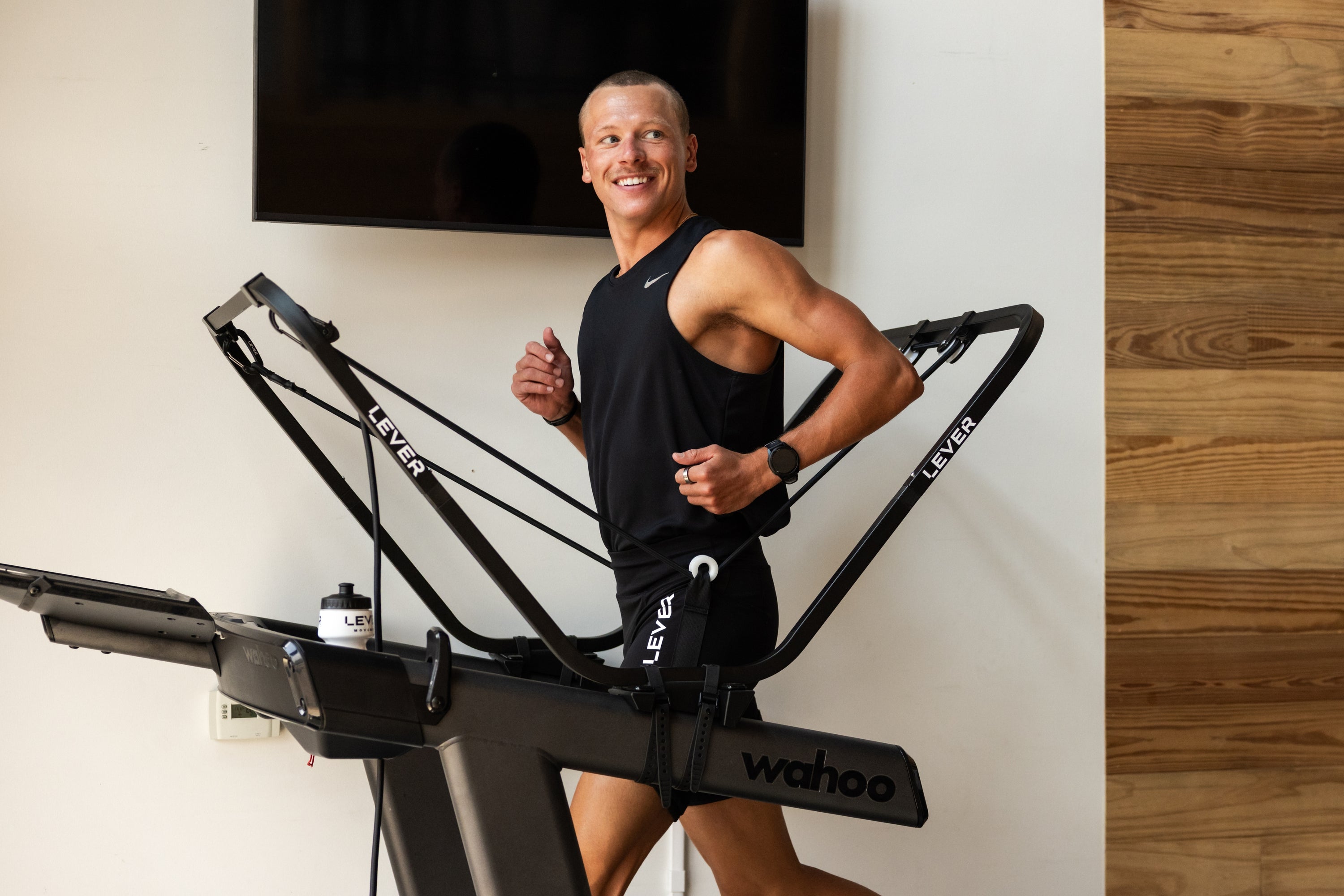
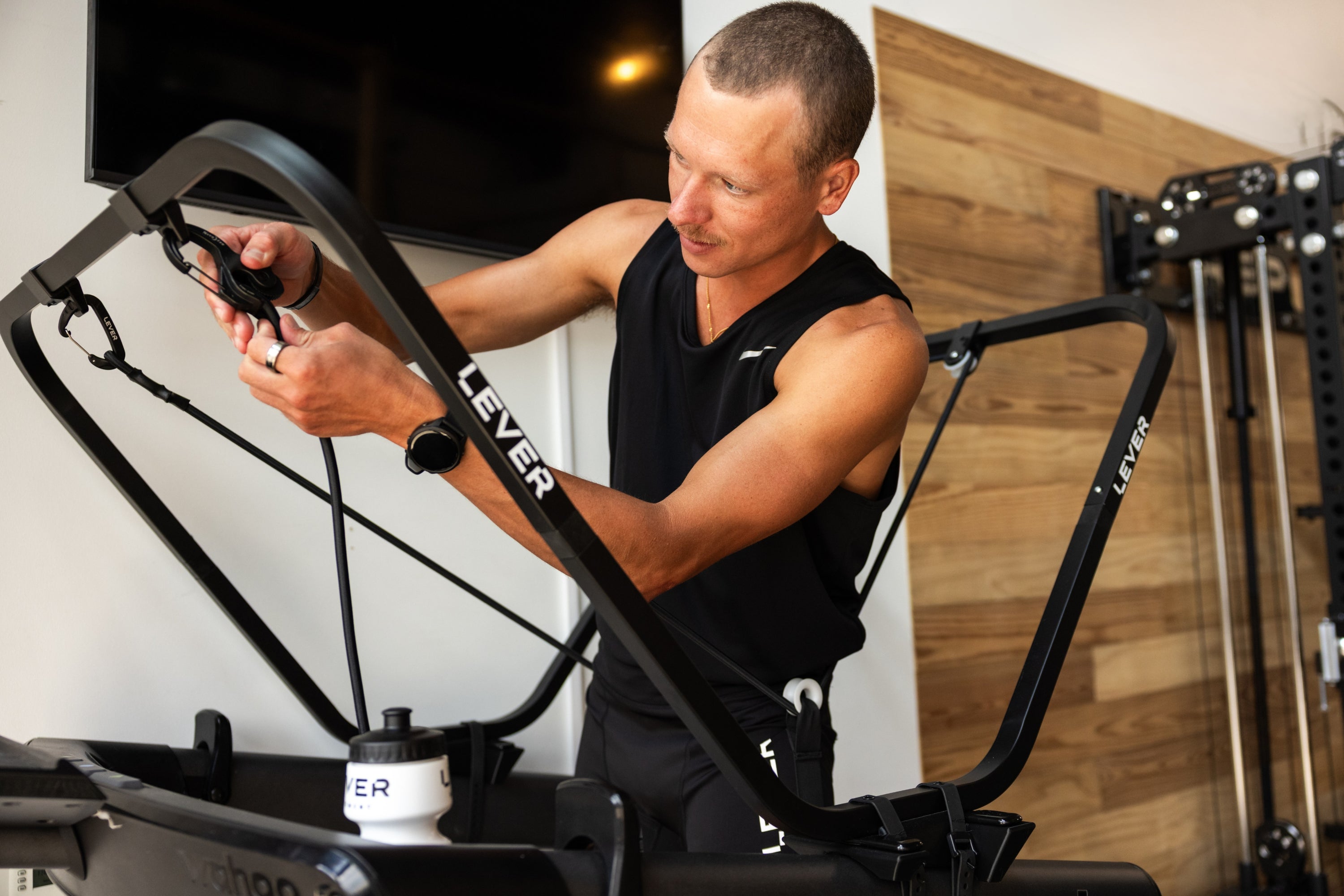
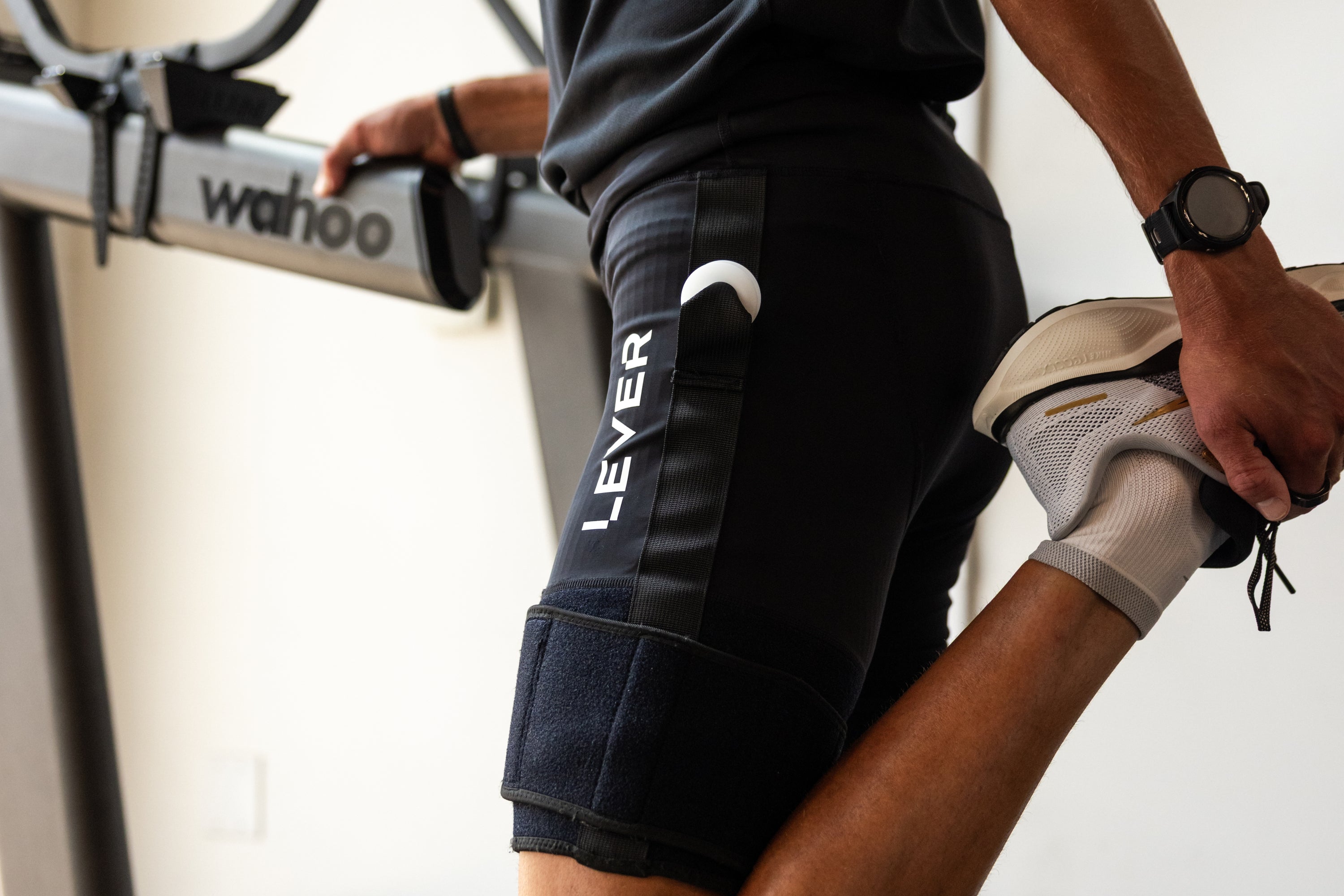
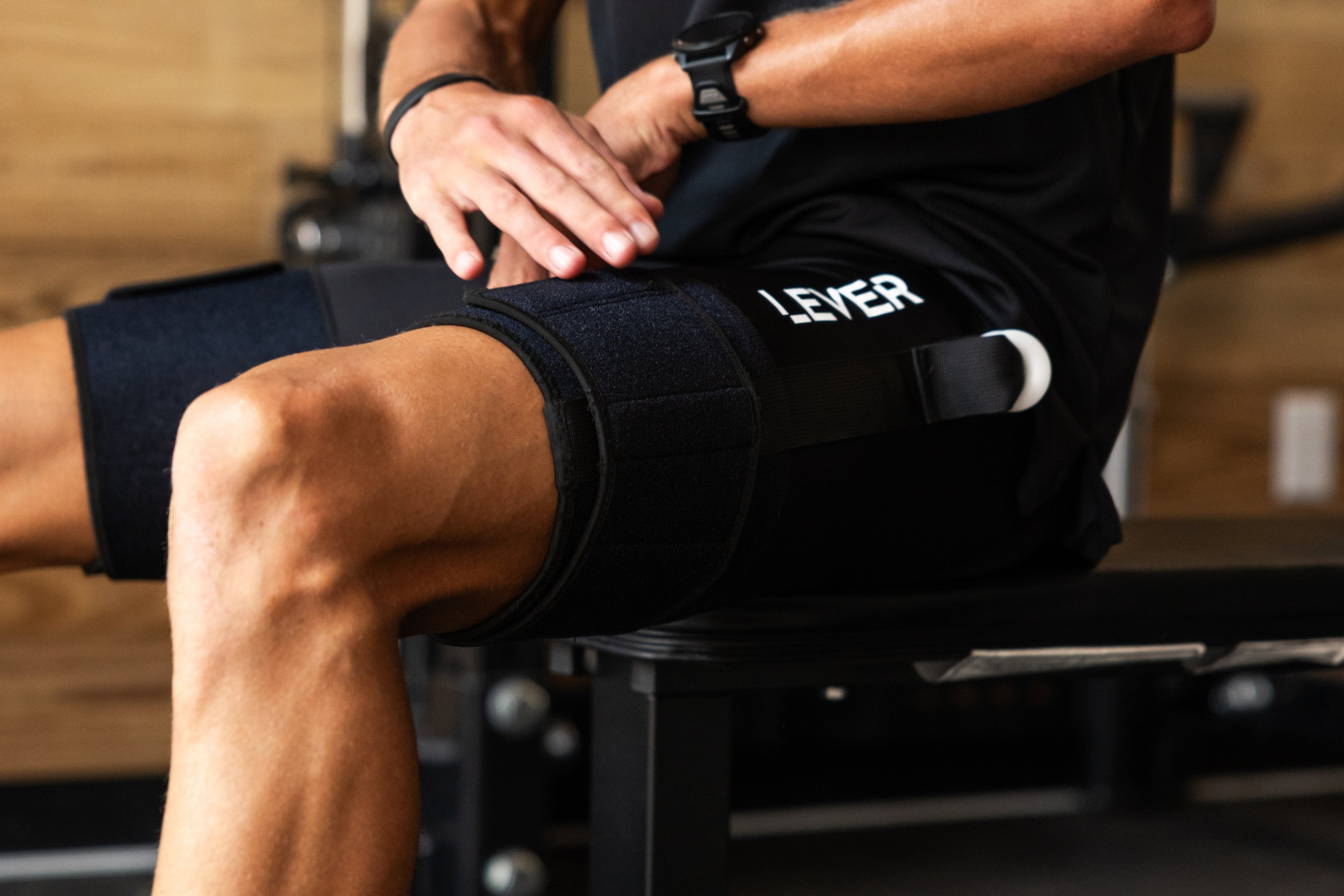
When Blair started her return-to-run progression, she wanted a way to reduce impact and rebuild confidence at the same time. Her coach (Natasha, NVM) had another athlete with LEVER, and Blair began using it immediately. Her first impressions were simple:
-
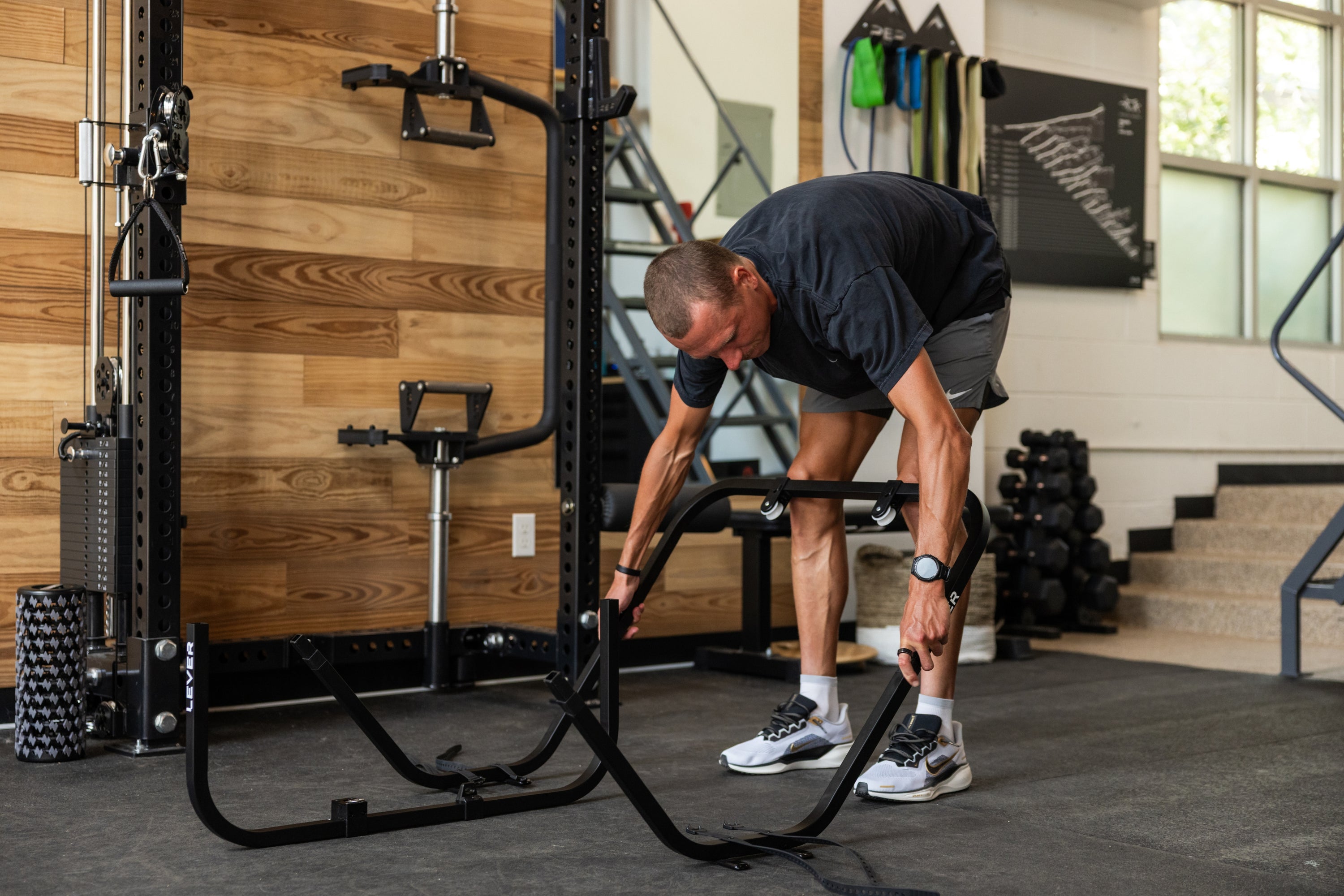
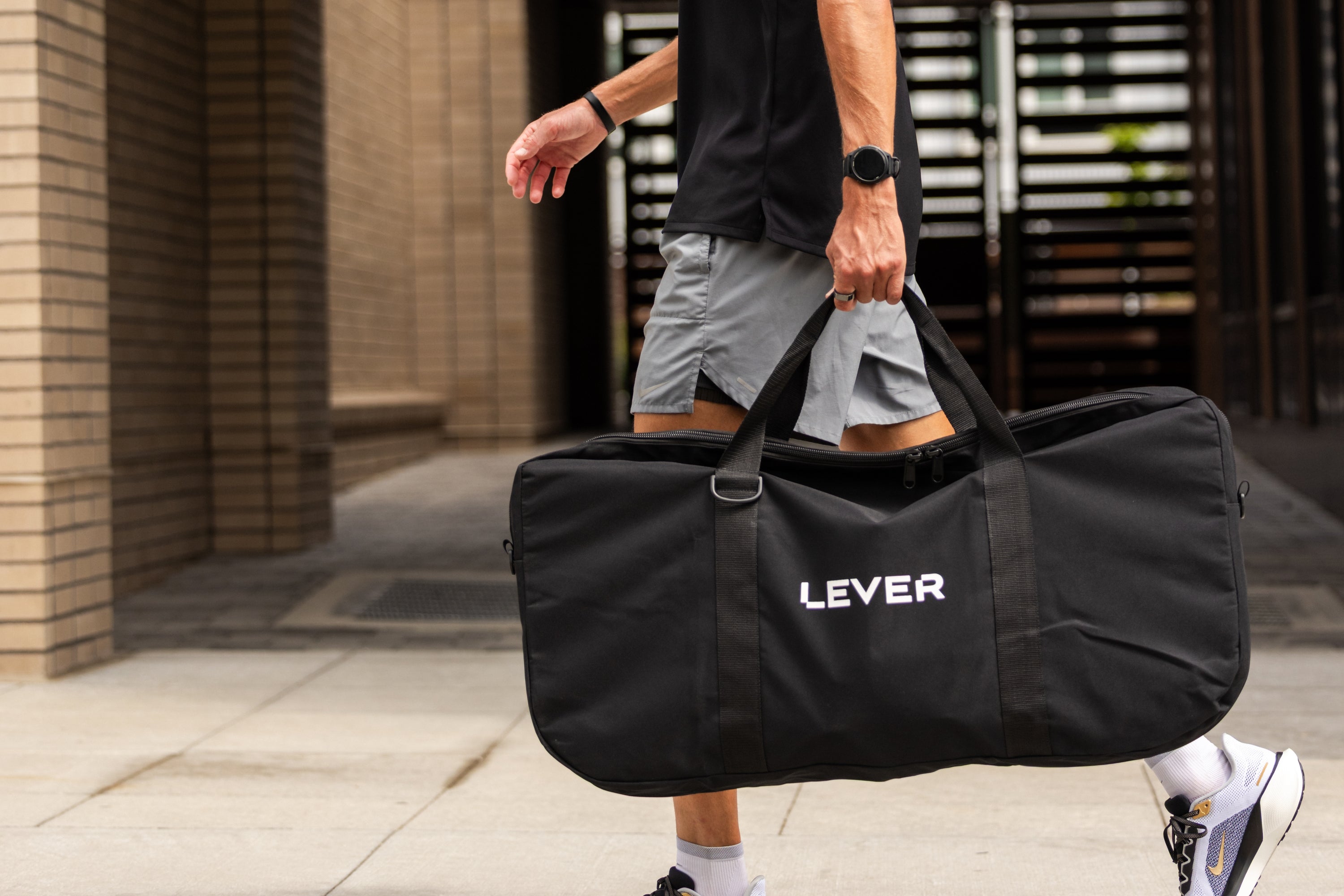
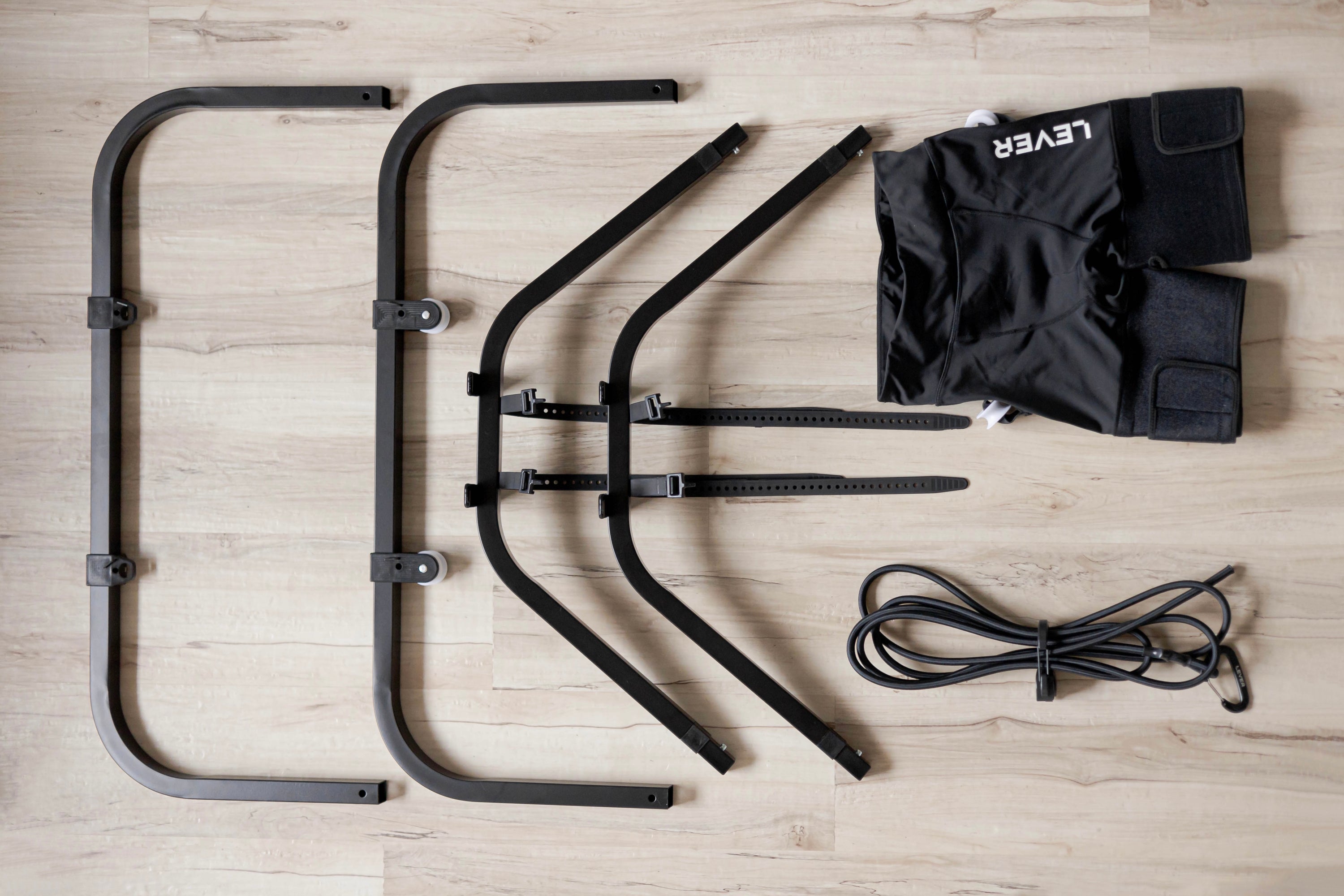
Portable (easy to take to the gym or travel with)
-
Light
-
Didn’t feel like a bulky clinic-only solution
Then her first session happened. Blair described the feeling as: “Walking on clouds.”
What she actually did (real numbers from her return):
-
Started at ~70% body weight
-
Used walk/run intervals to control loading
Example: 3 minutes run / 2 minutes walk x 5 rounds -
Progressed by either:
-
extending run time, or increasing rounds
-
-
Dropped assistance week to week: 70% → 60%, continuing gradually
-
Used LEVER 4–5x/week during return-to-run
-
She hasn’t been running without it yet (by choice + plan with PT)
But the biggest win wasn’t just physical. It was mental. Blair said LEVER helped her stop obsessing over every step and gave her peace of mind the ability to run without fear running the whole session. And she’s clear this isn’t a short-term rehab tool for her: She plans to use it weekly for the rest of her career.

What You Can Learn From This
Blair’s story isn’t just “an injury comeback.” It’s a reminder that:
-
Your health is performance.
-
Fueling isn’t optional.
-
Consistency beats intensity when you’re rebuilding.
-
Confidence is part of rehab.
And maybe most importantly: You can be ambitious and patient. Those two things can coexist.
What This Means For Your Training
If you’re returning from a stress reaction, stress fracture, or RED-S symptoms, here’s the takeaway:
-
Don’t rush impact.
Bone needs time, and rushing it usually creates setbacks. -
Treat fueling like training.
If you’re training hard, you need to recover hard. -
Use structure (not vibes).
Walk/run intervals + gradual progression beat “seeing how it feels.” -
Lower impact ≠ lower seriousness.
It’s not “taking the easy way out.” It’s choosing longevity. -
Have a tool that supports confidence.
If your nervous system doesn’t trust your body, your training won’t either.
If you’re in your return-to-run phase or you want a smarter way to keep building mileage without constant pounding LEVER is designed for exactly that: reducing impact while you rebuild consistency. And as Blair put it: “You can’t go wrong with using it… it can only benefit you.”

FAQ
What is RED-S?
RED-S (Relative Energy Deficiency in Sport) happens when your body doesn’t have enough energy available to support training and normal physiological function (like hormones and bone health). It can increase injury risk and reduce performance.
Are stress reactions different than stress fractures?
Yes. A stress reaction is an earlier warning stage bone irritation and breakdown before a full fracture forms. Catching it early (like Blair did) can prevent a longer shutdown.
How do you return to running after a stress reaction?
Most successful returns include:
-
a period of reduced loading/rest
-
fueling and deficiency correction
-
structured walk/run progression
-
gradual increases in volume and impact
How can body weight support help return to run?
It reduces impact forces while still allowing you to practice running mechanics and gradually reintroduce load often making the return-to-run process safer and less mentally stressful.
Is LEVER only for injured runners?
No. Athletes use body weight support for recovery runs, high-volume training blocks, travel fatigue, and managing impact while still maintaining consistency.