For runners, shin splints follow a familiar and frustrating pattern: a dull ache along the inner edge of the lower leg that starts manageable, then gets worse with every mile. It is one of the most common reasons runners lose weeks of training. The good news is that many athletes don't need to stop running completely. They need to manage load, address the contributing factors, and progress more intelligently.
What Is the Tibia and Why Does It Hurt?
The tibia is the larger of the two bones in the lower leg and the primary load-bearing structure between the knee and the ankle. During running, it acts as both a rigid lever for force transmission and a flexible structure that absorbs and distributes the mechanical stress of each foot strike. The muscles of the calf and deep posterior compartment attach along the posteromedial border of the tibia, pulling on the bone and its surrounding periosteum with every stride.
When cumulative loading exceeds the bone's capacity to remodel and adapt, the result is medial tibial stress syndrome (MTSS), the clinical term for what runners commonly call shin splints. The condition involves stress to the tibial bone and periosteum, the thin connective tissue layer surrounding it, driven by the repeated mechanical demands of running (Bhusari and Deshmukh, 2023). It sits on a continuum of tibial bone stress that, if left unmanaged, can progress toward a tibial stress fracture.
Studies indicate that incidence rates of MTSS range from 13.6% to 20% in runners, accounting for approximately 9.1% of all running injuries, with higher prevalence reported among novice runners. The condition is particularly common in athletes who have recently increased their training load, changed surfaces, or returned to running after a break.
|
20%
Of runners affected by MTSS at some point in their training
|
9%
Of all running injuries involve shin splints
|
Most
Common Lower leg overuse injury in recreational and novice runners
|
What Are Shin Splints?
Shin splints is the common name for medial tibial stress syndrome (MTSS), a condition characterized by exercise-induced pain along the posteromedial border of the tibia. It is an overuse injury driven by repeated mechanical loading that outpaces the bone and periosteum's ability to adapt. Importantly, shin splints exist on a spectrum of tibial bone stress. At one end is MTSS, involving periosteal irritation and early bone stress. At the other end is a tibial stress fracture, involving actual cortical bone disruption. Understanding where a runner sits on this spectrum matters clinically, because the management and return-to-run timeline differ significantly.
There are two anatomical locations where shin pain commonly presents in runners:
- Dull, aching pain along the inner edge of the lower leg during or after running
- Pain that starts at the beginning of a run, may ease mid-run, then returns afterward
- Tenderness when pressing along the inner border of the tibia over a diffuse area
- Morning soreness in the lower leg that eases with gentle movement
- Pain that worsens with increases in mileage, pace, or hard surfaces
- Mild swelling or warmth along the shin in more severe cases
A critical distinction: if shin pain is sharp, localized to a precise point rather than diffuse, and does not ease with warmup, a tibial stress fracture must be ruled out with imaging. Stress fractures require significantly longer rest and cannot be managed with the load-progression approach appropriate for MTSS. Any runner with this presentation should seek clinical assessment before continuing training.
How Shin Splints Develop in Runners
MTSS develops when the cumulative mechanical stress placed on the tibia exceeds the bone's current capacity to remodel and adapt. Like all overuse injuries, it is rarely caused by a single session. Instead, it emerges from repeated loading cycles where the tissue does not have adequate recovery time between sessions. The bone's adaptive response, which involves resorption followed by new bone formation, is a slow process. When loading outpaces this cycle consistently, stress accumulates in the tibial cortex and periosteum.
A systematic review and meta-analysis by Newman and colleagues (2013) identified several factors with statistically significant associations with MTSS development, including female sex, previous history of MTSS (risk ratio 3.74, meaning athletes with prior MTSS are approximately 3.7 times more likely to develop it again), navicular drop greater than 10mm, fewer years of running experience, and higher body mass index. Of these, training load management and prior injury history are the most actionable targets for runners.
A lower step rate has also been identified as a risk factor. Research by Kliethermes and colleagues (2021) found that a lower step rate is associated with higher bone stress injury risk in collegiate cross-country runners, likely because fewer steps at a given pace means higher impact force per stride and greater tibial bending stress.
"Shin splints are not a soft tissue problem. They are a bone stress problem. The tibia needs time to adapt to loading. When training load increases faster than bone remodeling can keep up, the result is MTSS."
Can You Keep Running With Shin Splints?
This depends significantly on severity. Unlike soft tissue injuries where controlled loading is always appropriate, MTSS involves bone stress and must be managed more carefully. The guiding principle is the same as other running injuries: load that produces acceptable symptoms and allows full recovery between sessions is generally tolerable. Load that does not allow recovery, or that produces worsening symptoms, is not.
The key distinction is between early-stage MTSS, where modified running with significantly reduced load may be appropriate, and more advanced presentations where a period of relative rest followed by graded reintroduction is necessary. A graded running program, where training volume and intensity are reduced and then systematically progressed, is supported by clinical evidence as the primary management approach for MTSS (Winters et al., 2013). The goal is not to eliminate loading of the tibia but to manage it at a level that allows the bone to adapt without accumulating further stress.
- Pain above 4/10 during running
- Pain worsening session-to-session
- Pain present during walking or at rest
- Suspected tibial stress fracture
- Pain stays at or below 3-4/10
- Pain does not worsen during the run
- Symptoms return to baseline within 24hrs
- Early-stage, mild MTSS only
Always rule out tibial stress fracture before implementing a return-to-run program. If pain is sharp, focal, or present at rest, seek clinical assessment and imaging before continuing training.
Evidence-Based Treatment Options
It is important to be transparent: the evidence base for MTSS treatment is less robust than for conditions like patellofemoral pain or Achilles tendinopathy. A systematic review by Winters and colleagues (2013) found that no single intervention has been proven superior to a graded running program. That said, several strategies are well-supported by clinical evidence and biomechanical rationale.
"A graded running program, where load is systematically reintroduced rather than eliminated, is the most evidence-supported approach to MTSS management. The tibia needs progressive loading to adapt. The goal is smarter progression, not prolonged rest."
Winters et al., 2013, BMC Sports Science, Medicine and Rehabilitation
How Body-Weight Support Running Helps Shin Splints Recovery
Body-weight support (BWS) treadmill systems offer a particularly well-suited tool for runners managing MTSS. Because shin splints involve bone stress, any intervention that reduces the ground reaction force per stride directly reduces the mechanical input to the tibia. A reduction in effective body weight during running produces a proportional reduction in both peak ground reaction force and tibial bending stress with each foot contact.
This is significant because the primary challenge with MTSS rehabilitation is maintaining running continuity while giving the tibia enough recovery time between loading cycles. Body-weight support creates a direct biomechanical solution: the athlete continues running, but at a tibial stress level that falls within the bone's current adaptive capacity.
A 10-15% reduction in effective body weight during treadmill running can meaningfully reduce tibial loading while preserving running mechanics, cardiovascular demand, and neuromuscular specificity. This allows athletes to maintain training continuity throughout a period where full-weight running would either be contraindicated or significantly limited.
This approach directly mirrors the graded loading principle that the clinical evidence for MTSS management supports. Rather than cycling through complete rest and return-to-run attempts, body-weight support allows a continuous, managed progression that respects the bone's adaptive timeline.
How Athletes Use LEVER to Stay Running During Shin Splint Rehab
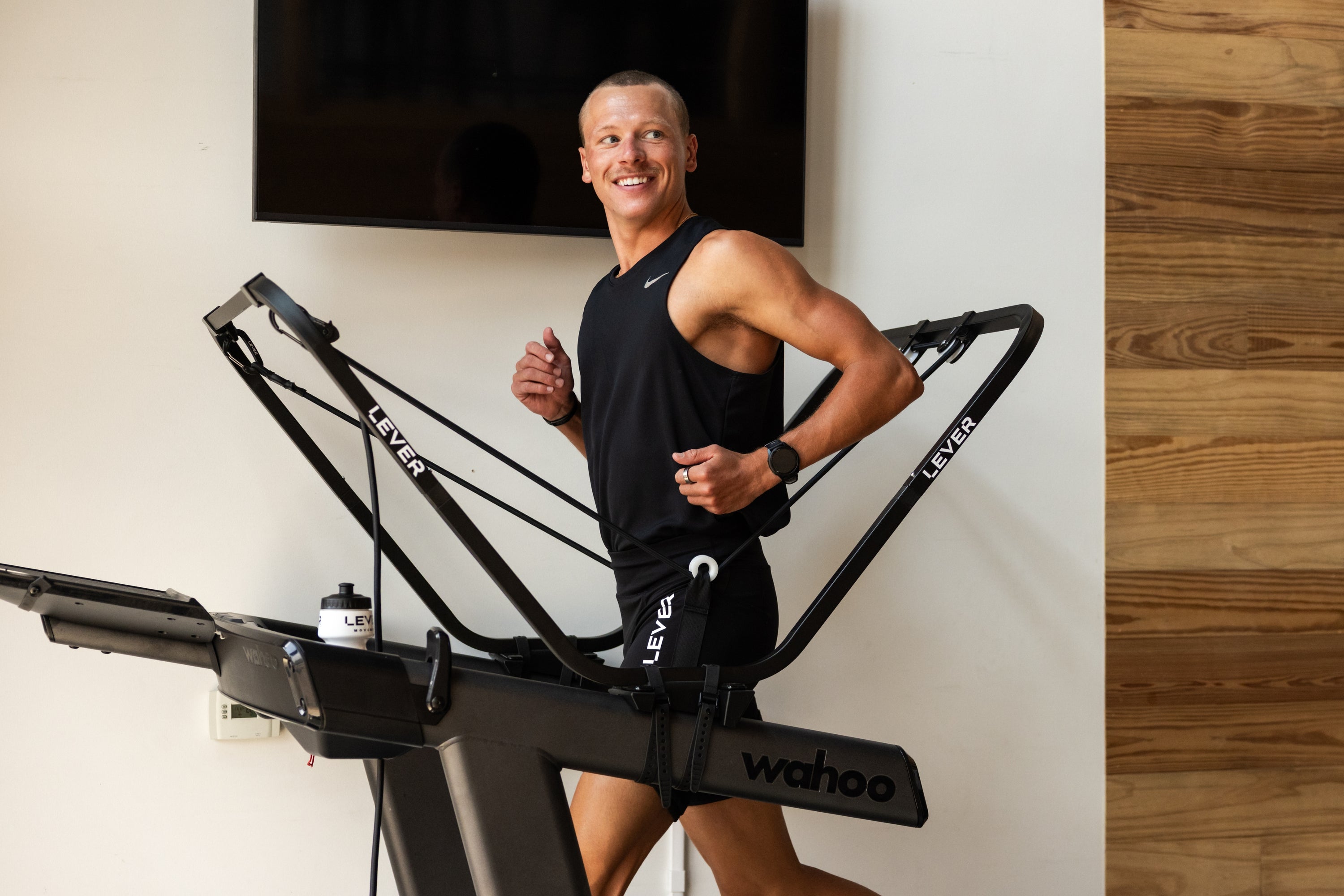
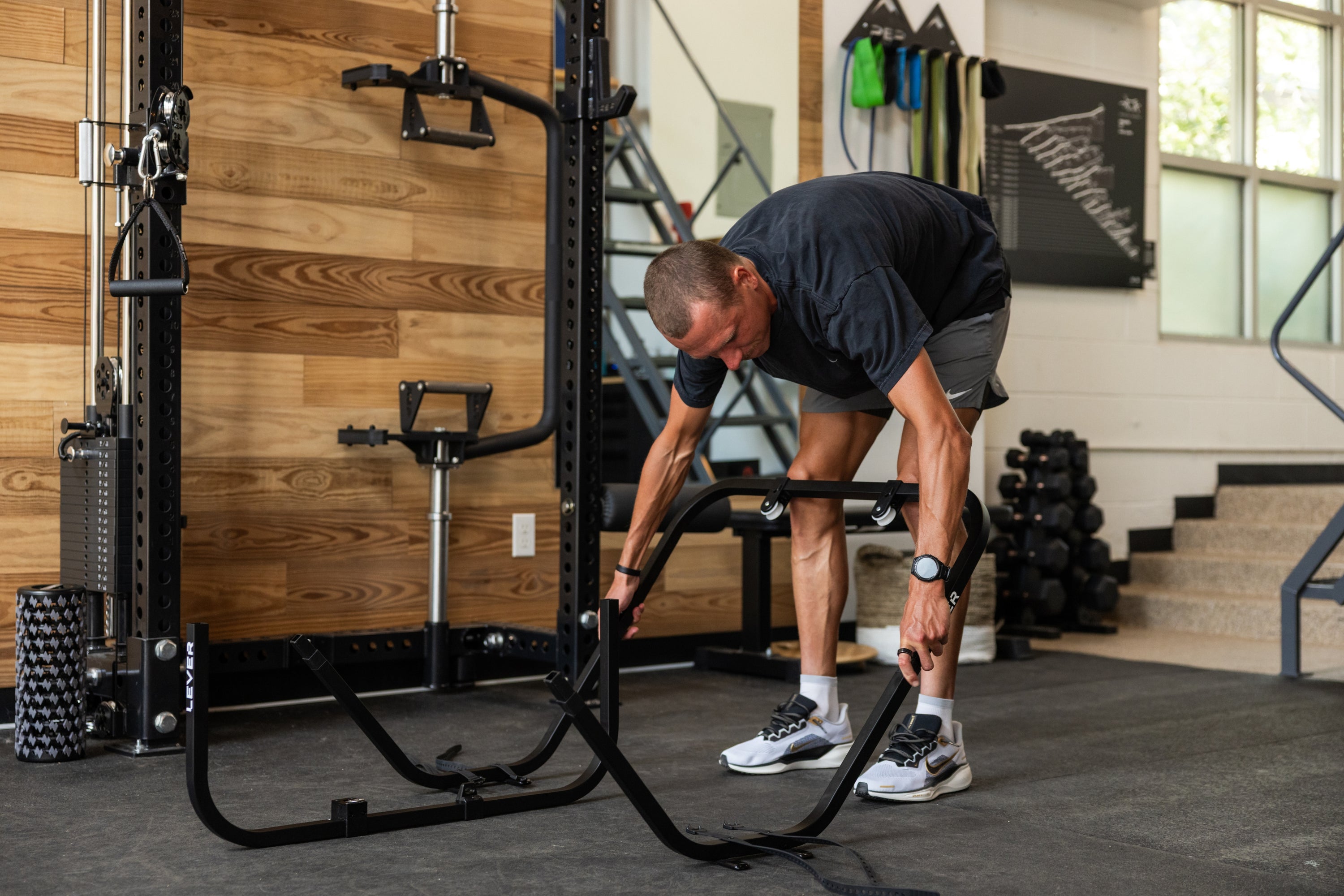
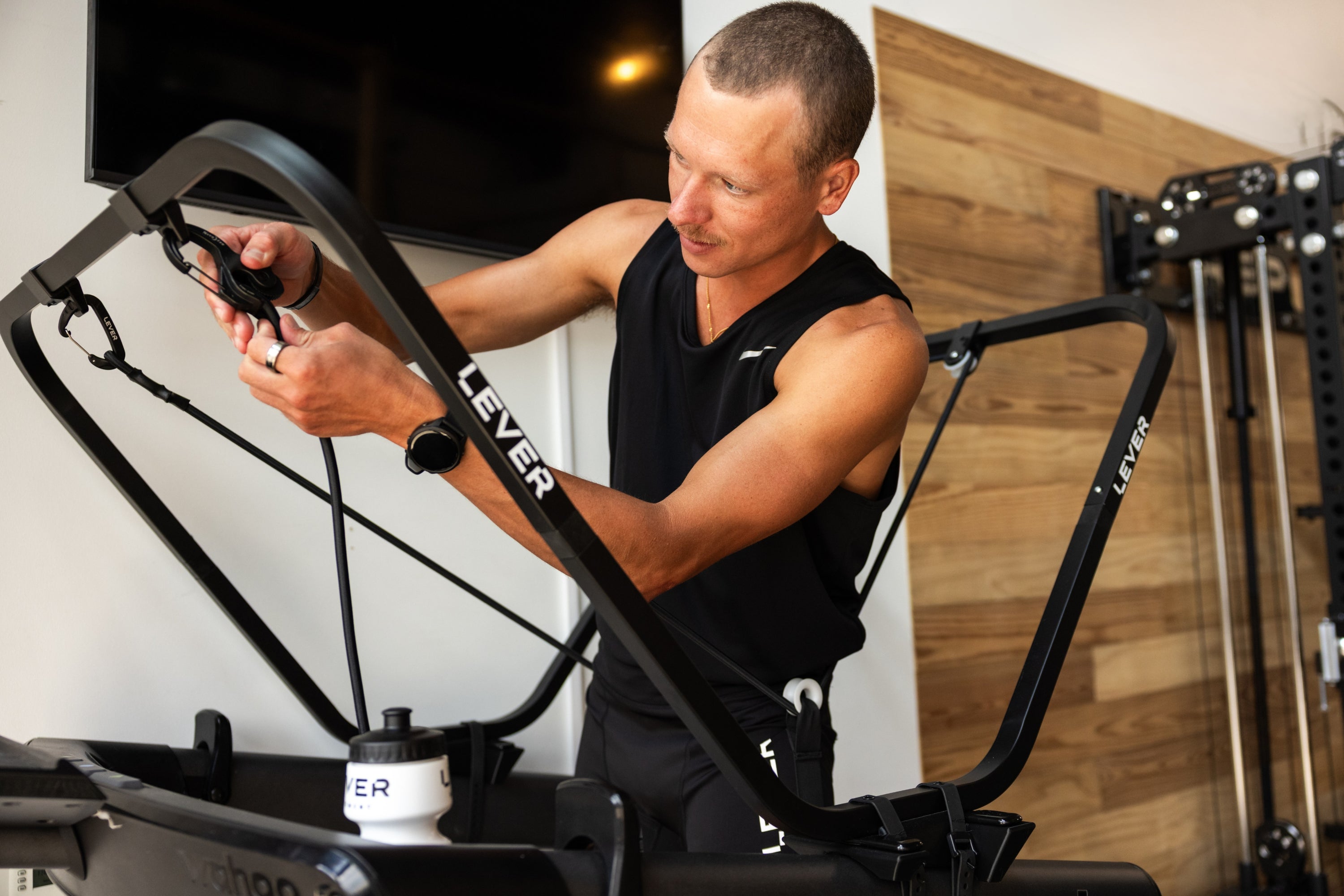
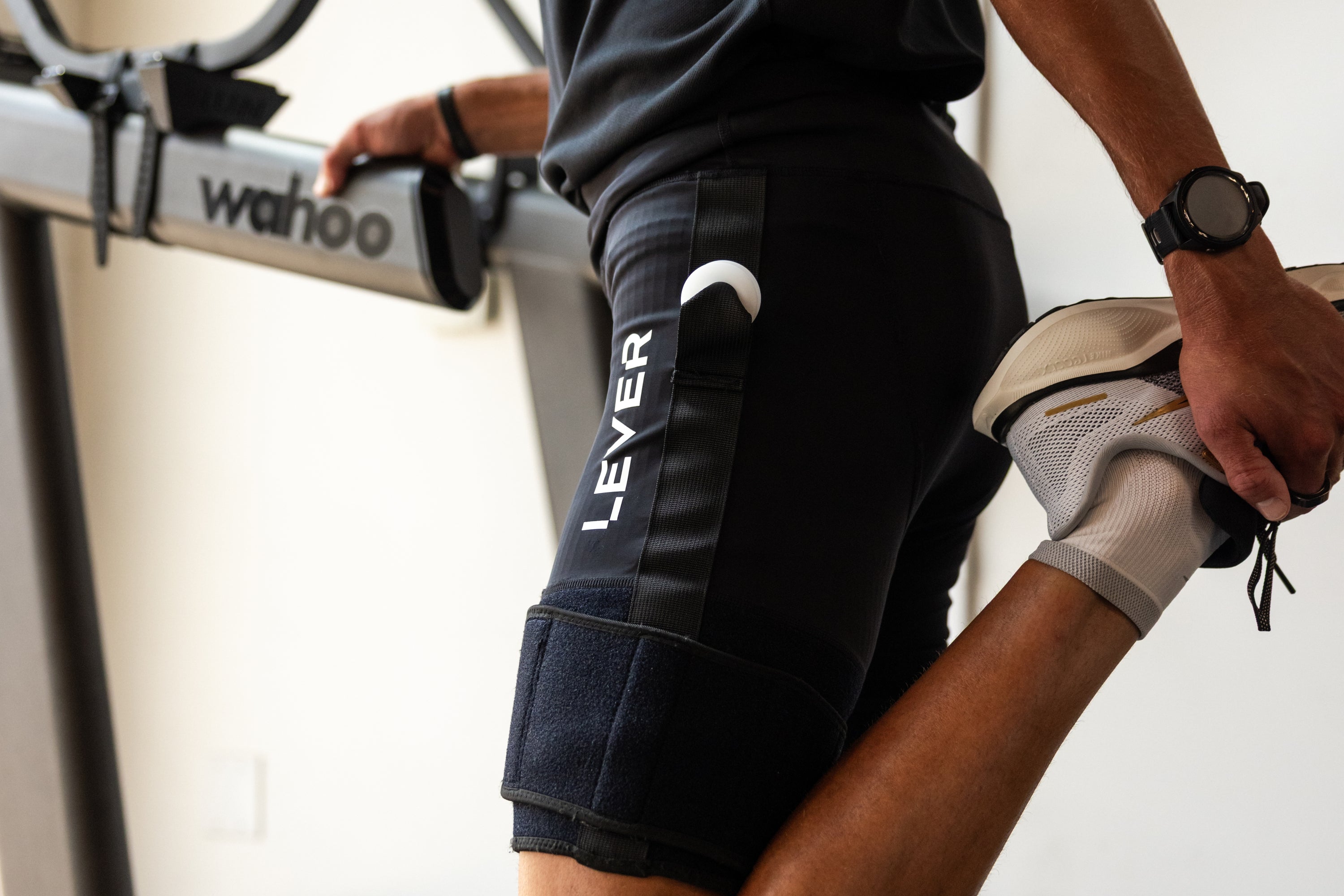
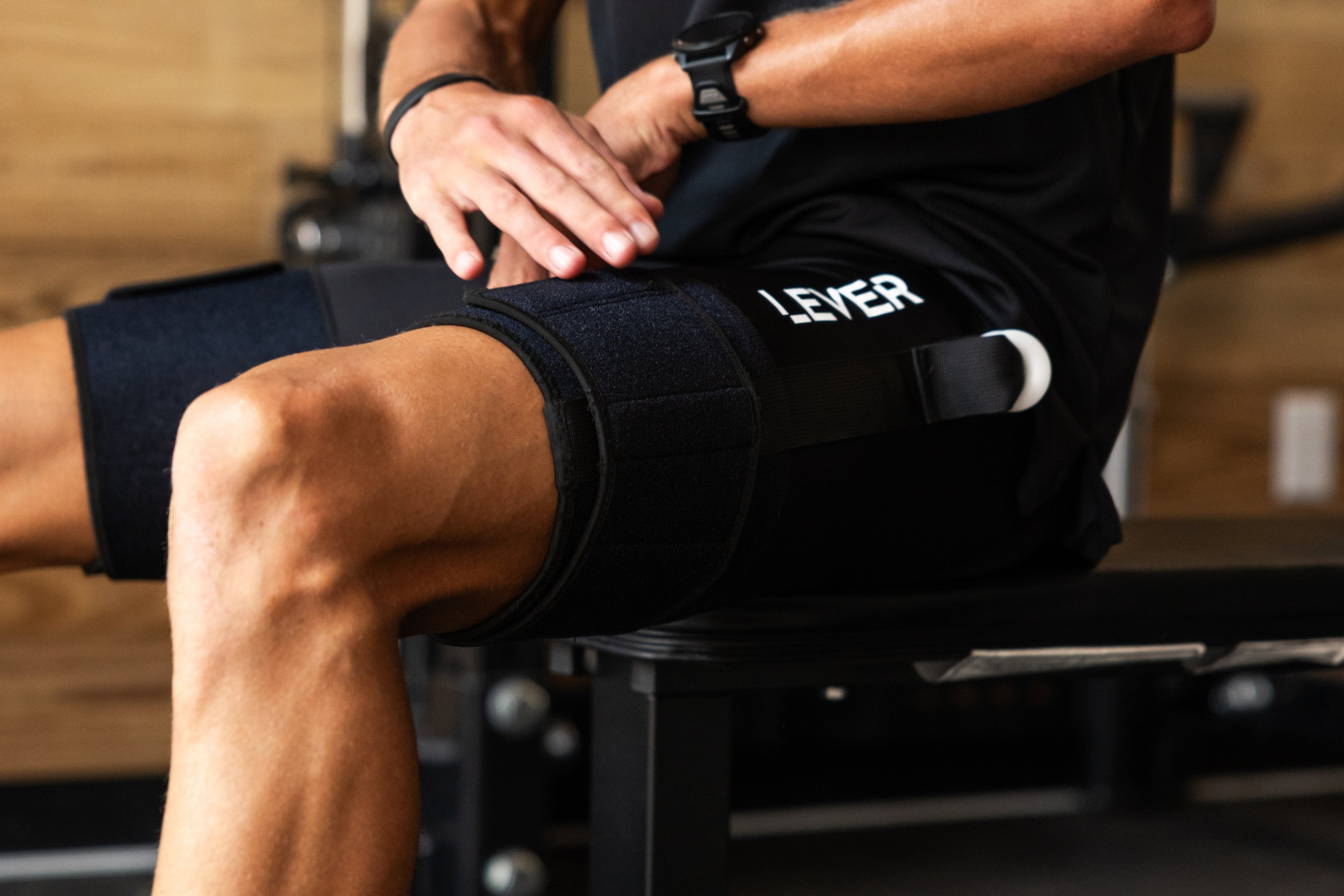
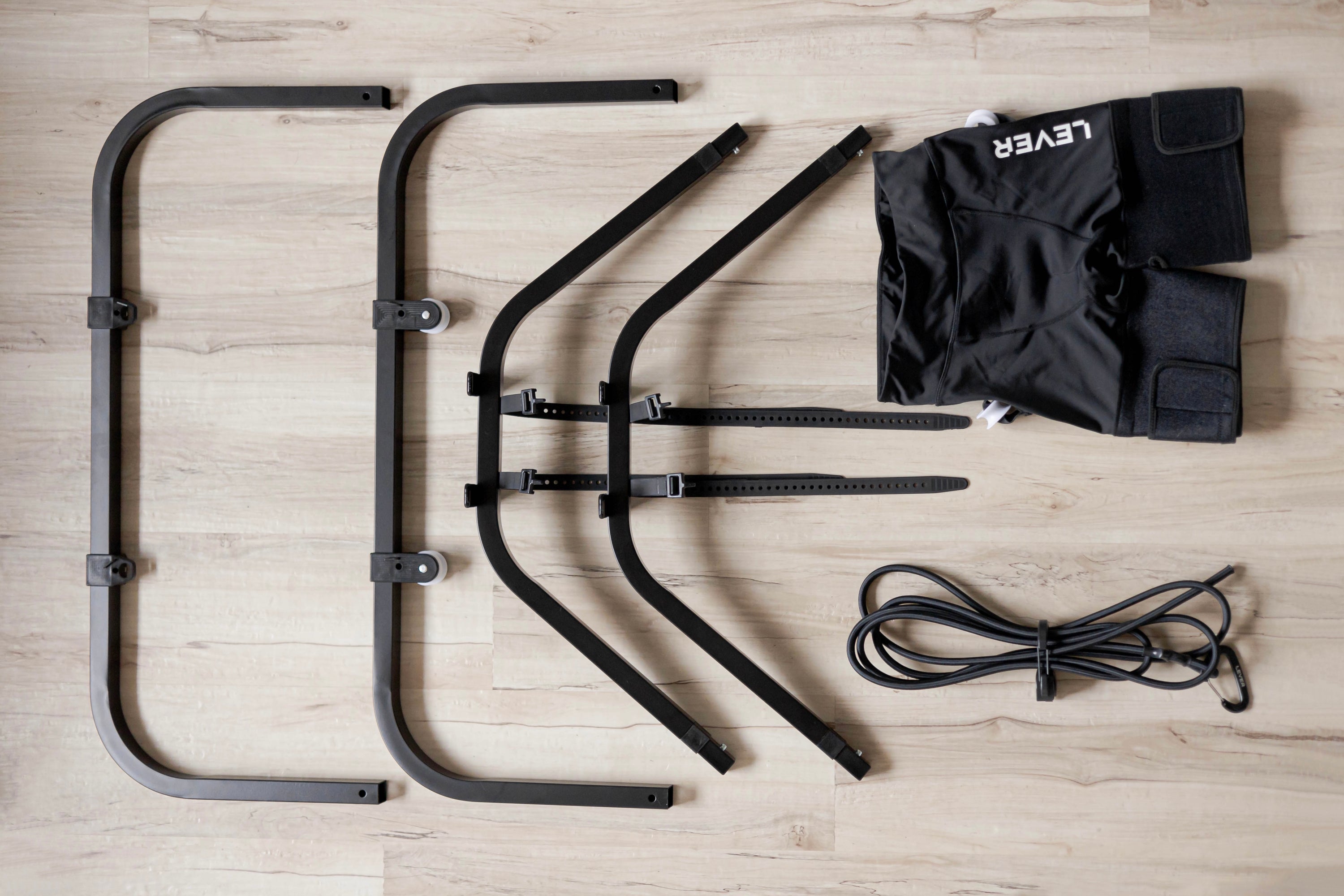
LEVER is a body-weight support system designed for treadmill running that allows athletes to precisely dial in how much load goes through their legs during training. For runners managing shin splints, it can create a practical middle path: continue running, but at a tibial stress level the bone can currently tolerate and adapt to.
In practice, an athlete with MTSS might begin at 15-20% body-weight support, effectively running as though they weigh 15-20% less. For a 70 kg runner, this means training with the ground reaction force of a 56-60 kg person per stride. That reduction in tibial loading is often the difference between a run that aggravates symptoms and one that allows training to continue without setback.
The evidence for MTSS management points toward graded loading as the primary treatment approach. LEVER translates that principle directly into continued running, giving athletes and clinicians a precise tool for managing tibial load throughout the rehabilitation process.
Example Return-to-Run Progression
The following is a sample framework for a runner with mild-to-moderate MTSS where tibial stress fracture has been clinically excluded. Individual progressions must always be guided by a sports medicine clinician or physiotherapist. The primary feedback mechanism throughout is pain response: symptoms that stay below 3-4/10 during running and return to baseline within 24 hours indicate the load is being well tolerated.
Key Takeaways for Runners Managing Shin Splints
Shin splints are not a signal that your body can't handle running. They are a signal that your training load has outpaced your tibia's current adaptive capacity, and that smarter progression is needed.
Manage the load, build the strength, progress gradually, and use every available tool to stay in motion. Most runners recover from MTSS and come back running more consistently than before.
References
Bhusari N and Deshmukh M (2023). Shin splint: a review. Cureus. doi:10.7759/cureus.33905
Bonanno DR, et al. (2018). Effectiveness of prefabricated foot orthoses for prevention of lower-limb overuse injuries in naval recruits: randomized controlled trial. Br J Sports Med. doi:10.1136/bjsports-2017-097763
Kliethermes SA, et al. (2021). Lower step rate is associated with a higher risk of bone stress injury in collegiate cross-country runners. Br J Sports Med. doi:10.1136/bjsports-2020-102946
Newman P, et al. (2013). Risk factors associated with medial tibial stress syndrome in runners: a systematic review and meta-analysis. Open Access J Sports Med. doi:10.2147/OAJSM.S39331
Winters M, et al. (2013). Treatment of medial tibial stress syndrome: a systematic review. Sports Med. doi:10.1007/s40279-013-0065-6
Winters M, et al. (2013). The treatment of medial tibial stress syndrome in athletes: a randomized clinical trial. BMC Sports Sci Med Rehabil. doi:10.1186/2052-1847-4-12