Runner's Health Series
Running again after chemotherapy, or while managing an autoimmune disease, is not a straight line back to where you left off. It takes an individualized, flexible approach that prioritizes energy management and safety first, and mileage second.
This guide is built for runners navigating treatment or an autoimmune condition who want to return to the sport they love without setting their recovery back. It leans on a team approach, a symptom-based framework instead of a rigid schedule, and body weight support to reduce impact while your body does the harder work of healing.
Medical Clearance: The Non-Negotiable Start
Before you attempt your first run, getting your body properly cleared is non-negotiable. For most athletes managing cancer or autoimmune disease, that clearance takes a team.
| Professional | Recommendation / Role |
|---|---|
| Primary Care Physician / Oncologist / Rheumatologist | Obtain explicit clearance to begin a low-impact exercise program. This confirms blood counts, heart function, autoimmune markers, and overall systemic health are stable enough for physical exertion. Clearance for daily activity does not automatically mean clearance for high-impact activities like running. |
| Physical Therapist (PT) | An essential step. A specialized PT can assess gait, joint stability, and overall muscle strength, and provide low-impact exercises to rebuild the foundational strength needed for running. |
| Consultation Focus | Discuss fatigue levels, potential treatment side effects (peripheral neuropathy and fall risk, cardiac health, nausea), and joint pain or inflammation patterns tied to your condition. |
Foundational Readiness Checklist
Guided by your PT, a return to running should not begin until you can do the following without notable fatigue, joint pain, or dizziness:
- Walk at a brisk pace for 30 minutes with minimal need to stop
- Maintain single-leg balance for 30 seconds on each side (crucial for fall safety)
- Perform 10 pain-free, controlled squats
- Hop softly on each leg 10 times
- Monitor resting heart rate and blood pressure for stability, as instructed by your doctor
Why Body Weight Support Matters Here
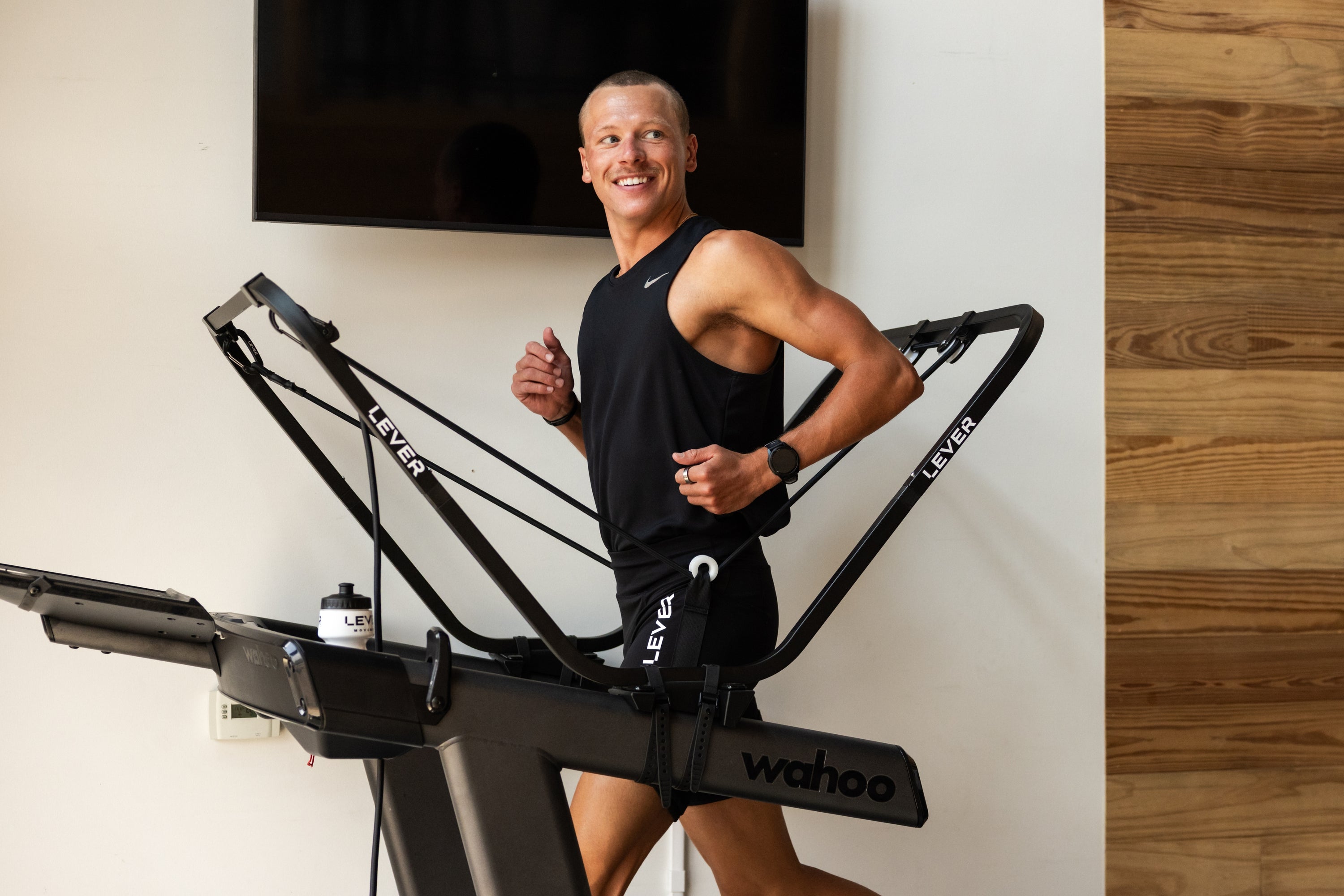
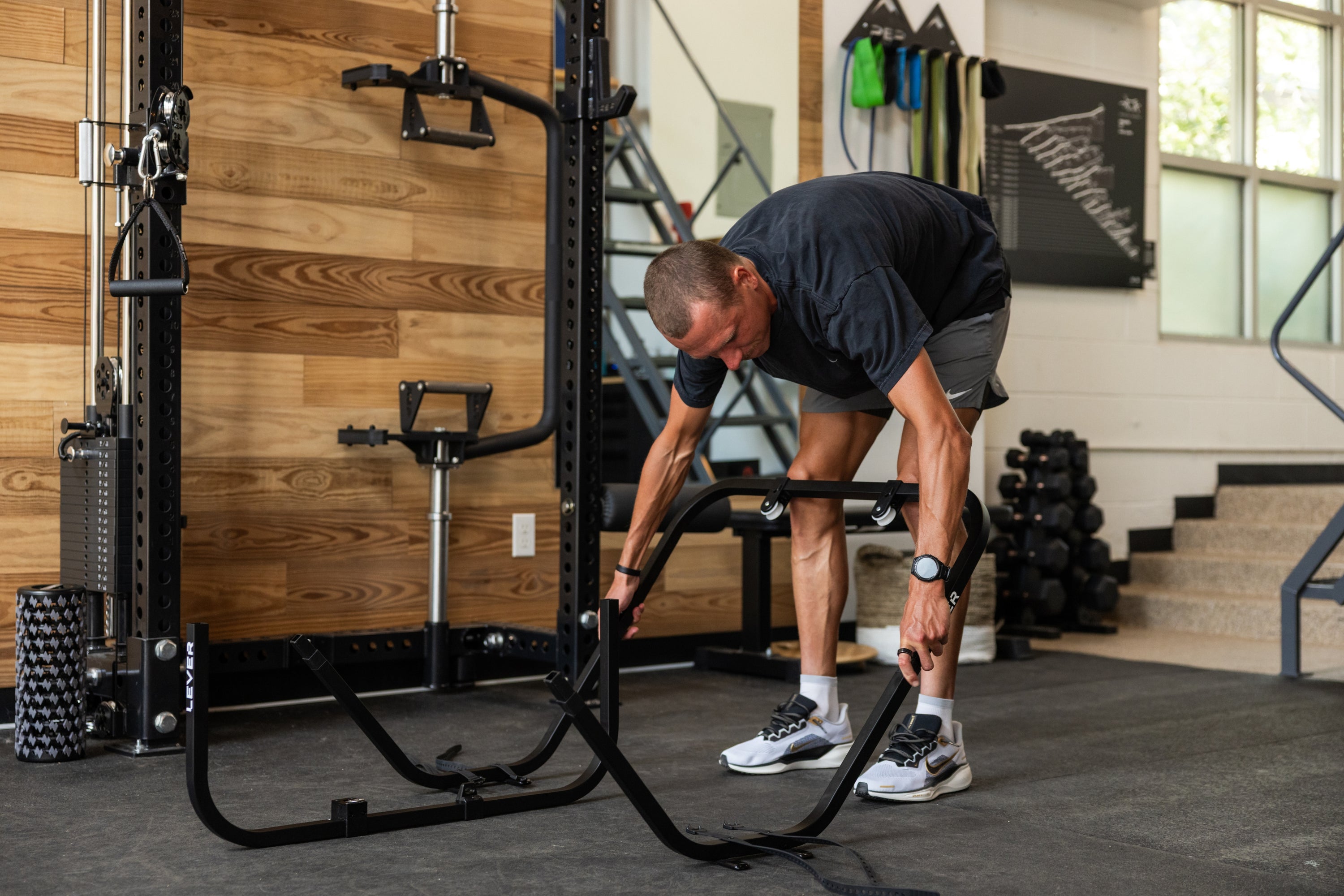
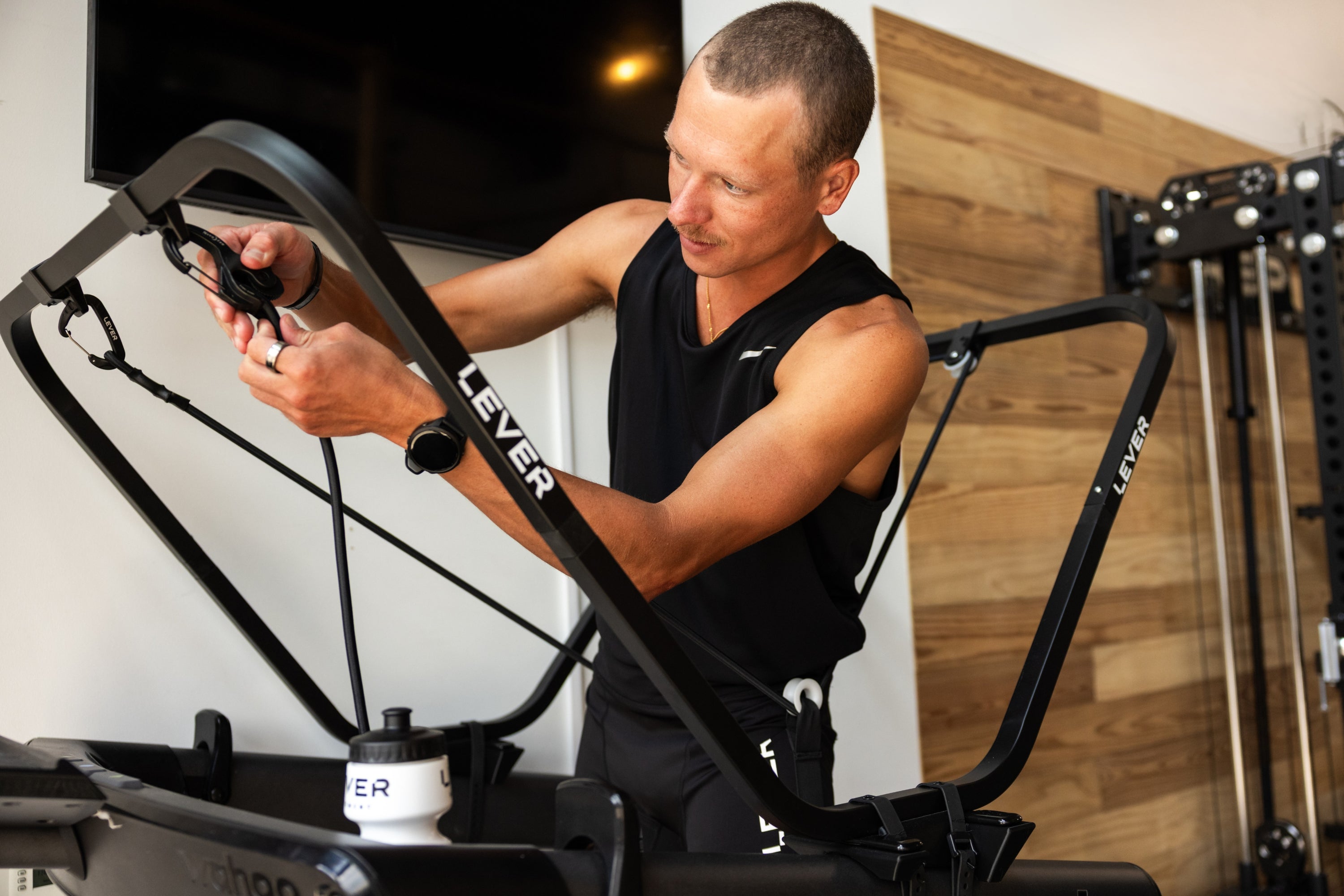
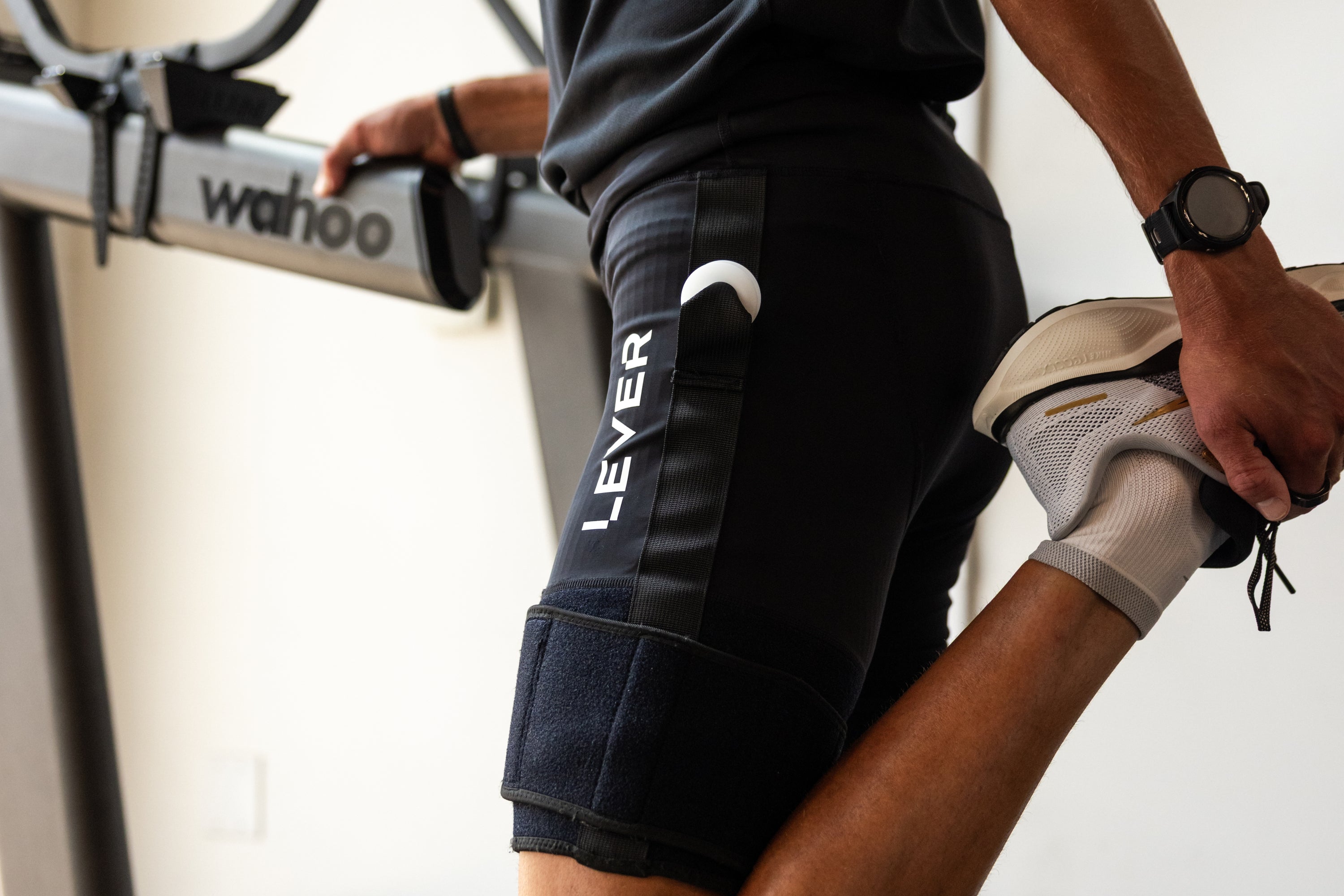
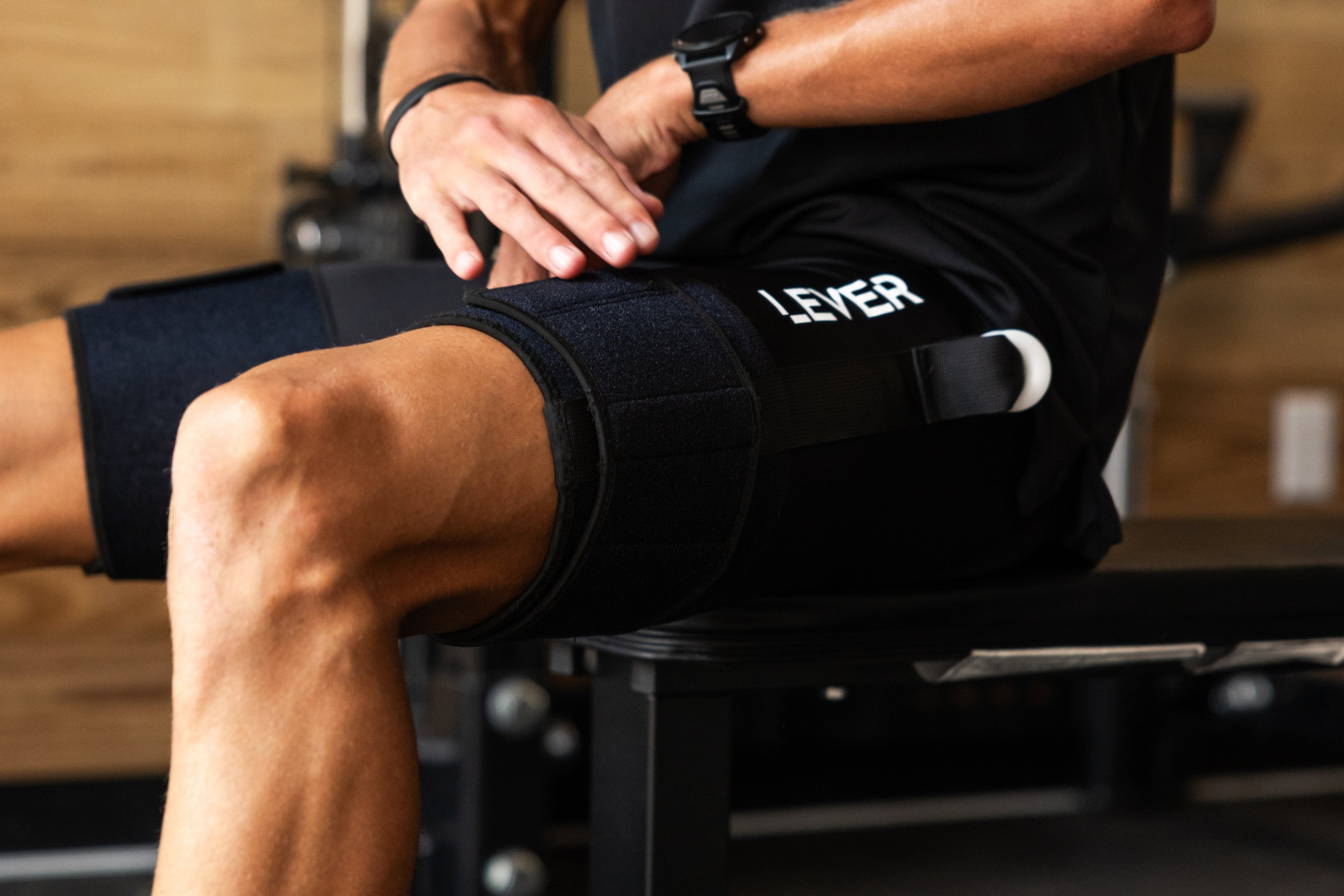
A weight reduction treadmill system like LEVER is a powerful tool for this specific journey back, because it addresses the exact concerns that come with post-chemo and autoimmune recovery: joint sensitivity, fall risk, and the need to keep effort in a low, controlled zone.
70–85%
Starting body weight for early return-to-run sessions
1–5%
Weekly reduction in support as symptoms stay stable
Zone 1–2
Target heart rate zone for energy conservation
| System Benefit | How to Use It |
|---|---|
| Reduced Impact / Joint Protection | Start running at 70–85% of your body weight. This lets you practice running form with minimal stress on inflamed joints, which is crucial for preventing autoimmune flare-ups. |
| Controlled Progression | As you feel stronger and symptoms are stable, gradually decrease support by 1–5% per week. Progress on good days, and increase support again on bad days. |
| Safety From Falling | The harness adds a layer of security, reducing fall risk from chemo-induced neuropathy, dizziness, or extreme fatigue. It's a mental and physical safety net. |
| Lower Heart Rate Training | Reduced body weight means a lower heart rate at any given speed, ideal for staying in Zone 1–2 conversational pace and avoiding extra systemic stress while your body is already working hard. |
Most wrist-based heart rate monitors are inaccurate for this kind of tracking. A chest strap or bicep armband gives a clearer read.
A Flexible, Symptom-Guided Return to Run Plan
The goal here is safe, sustainable pain-free running, built around what your body is telling you rather than a strict weekly target.
Good Day means no new or significantly increased symptoms (fatigue, pain, fever) in the last 24 hours. Tough Day / Flare-Up means significant fatigue, joint pain, chemo-induced stress, or any sign of infection or fever.
| Activity | Focus | Good Day Protocol | Tough Day / Post-Chemo Dip |
|---|---|---|---|
| WRR (Weight Reduction Run) |
Low-impact mileage building, heart rate control, fall safety | Run on BWS at RPE 4–6 (conversational pace). Increase duration by 5 minutes or increase body weight by 1–2%. Favor time over mileage. | Reduce body weight by 5–10% and convert to a brisk walk or light jog. Reduce duration by 50%. Focus on form and heart rate. |
| Ground Running (GR) | Full-impact practice, balance, real-world durability | Use run/walk intervals (e.g., 1 min run / 2 min walk). Increase the run segment only after two consecutive symptom-free sessions. | Skip. Substitute a WRR session, walking, or a low-impact activity like swimming or cycling. Take a full rest day if symptoms are severe. |
| Strength & Mobility | Joint stability, balance, energy conservation | Focus on unilateral work (single-leg balance, step-ups) and posterior chain (glute bridges, rows). Progress load gradually for bone health. | Gentle, restorative mobility (stretching, yoga, prehab, band work) and breathing exercises. Skip or significantly reduce load-bearing work. |
| Rest | Recovery, inflammation management, immune support | 1–2 full rest days per week. Prioritize sleep, nutrition, and hydration. | Prioritize rest. Take an unscheduled rest day and don't force a workout. Rest is the workout on these days. |
Listening to Your Body
Running with an autoimmune condition or during chemo means feeling extremely different day by day, and sometimes hour by hour. If you experience any of the following, stop running immediately.
| Symptom / Observation | Meaning | Action Protocol |
|---|---|---|
| Sudden or worsening fatigue | Systemic overload; energy reserves drained | Stop. Take a full rest day. Re-evaluate whether you need to regress your last successful training level. Focus on recovery. |
| New or worsening joint pain / swelling | Potential autoimmune flare or chemo-induced pain | Stop. Consult your PT and rheumatologist. Revert to walking or low-impact activity until symptoms subside. |
| Fever, chills, or signs of infection | Immune system compromised | Medical emergency for chemo and autoimmune patients. Contact your doctor immediately. Do not exercise. |
| Dizziness or unsteadiness (fall risk) | Vestibular or neurological side effect (e.g., neuropathy) | Stop. Focus on static and dynamic balance drills with PT guidance. |
Warning Signs to Back Off
If you experience any major symptom (severe fatigue, new pain) for two runs in a row, take three days to a full week off from running. Focus on brisk walking and low-impact cross-training. Only progress again once you've had a run of low-symptom days.
In Her Own Words
Maggie's Story

Maggie is part of the LEVER community and is currently training through chemotherapy. She's been using LEVER to keep running through a treatment plan that changes what her body can handle from one day to the next, and her own words capture this guide better than any protocol table can.
"With LEVER, my heart rate is so much lower. I still get the training in, but I get to stay at that nice, easy aerobic base and build mileage, while also watching the stress on my heart."
"Last week, with the chemo hitting me pretty hard, my heart rate was through the roof. But with LEVER, I could bring it back down."
"A healthy person wouldn't really understand the joy of a totally mediocre run. Last week I had the most mediocre run, and I remember thinking, that is so nice, that I could just have a mediocre run."
"My goal right now is to get my mileage up a little, without going super high. I'm running four times a week, and I'm hoping to add a fifth day that's a LEVER run, so I get more mileage without adding more impact."
Why Time on Feet Beats Mileage
A good rule of thumb: increase total weekly running time or distance by no more than 5–10% per week, provided the previous week was mostly good or decent days. Always prioritize recovery, sleep, and nutrition.
For many immunocompromised runners, tracking time on feet manages systemic load more effectively than the mileage rules built for runners with healthy immune systems. Mileage alone doesn't account for how much a run actually costs when fatigue, inflammation, and effort are shifting hour by hour.
Your body responds to how long it's under stress. A slower, harder-feeling run on a post-treatment day or during a flare often means more total strain, even at the same distance. Time on feet reflects that duration of stress and adjusts for harder days, making it a more consistent way to manage load.
In practice, that might mean adding 2–5 minutes to the total running time you completed the same day the previous week, or extending time on feet with a short walk at the end of a run.
A Sample Time-on-Feet Progression
Here's an example progression for running four days a week. This is a suggested guide, not a script. Every individual and every treatment path is different.
| Mon | Tue | Wed | Thu | Fri | Sat | Sun | |
|---|---|---|---|---|---|---|---|
| Week 1 | Rest / Chemo day | 10 min run at 75% body weight | Rest | 15 min run at 80% body weight | 10 min run at full body weight | Rest | 20 min run at 90% body weight |
| Week 2 | Rest / Chemo day | 12 min run at 75% body weight | Rest | 18 min run at 85% body weight | 10 min run at full body weight | Rest | 25 min run at 90% body weight |
Scroll to see the full week on mobile.
LEVER Movement
Run Again, on Your Terms
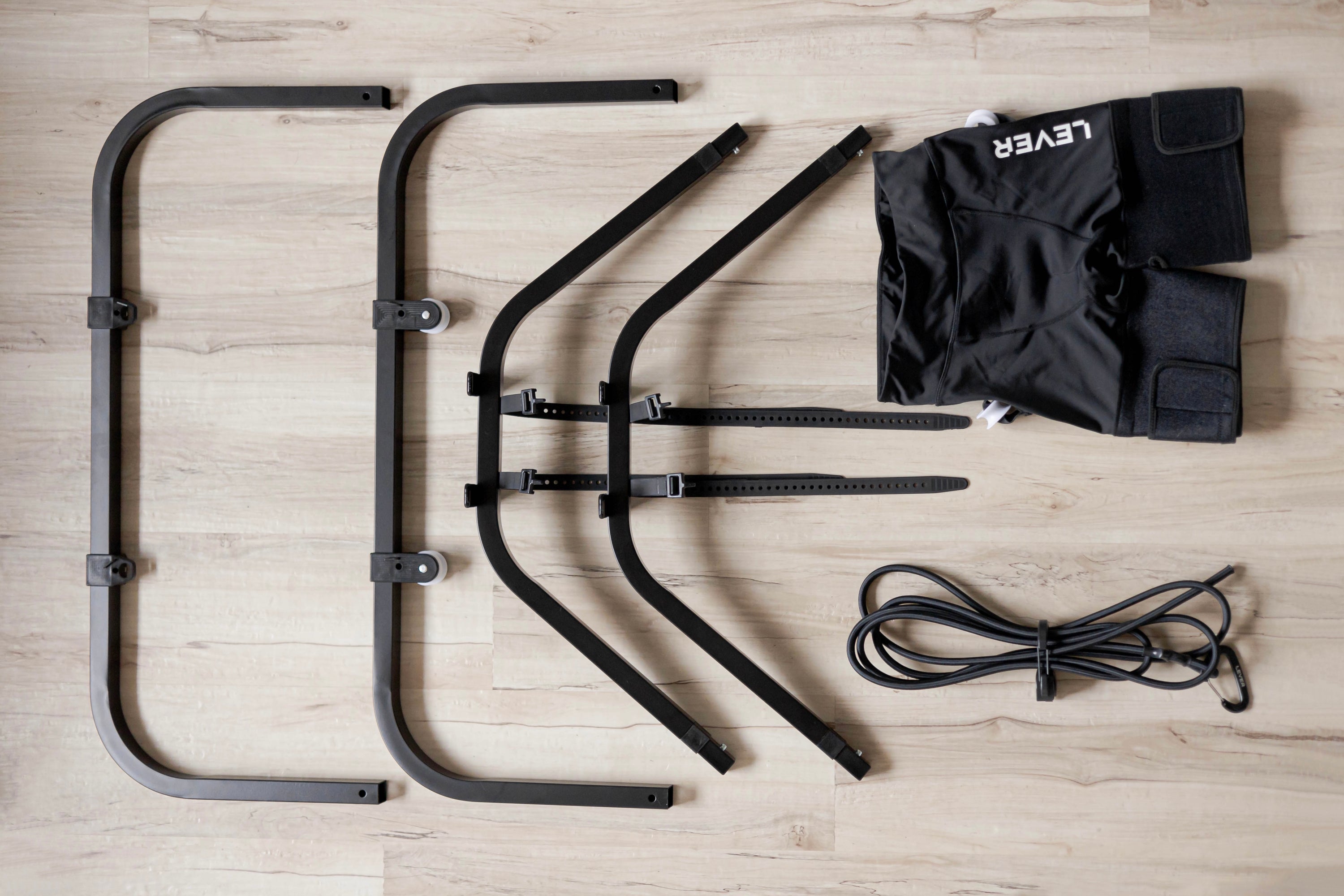
LEVER's body weight support system reduces up to 45 lbs of impact on your joints, right on your own treadmill, so you can rebuild your running at exactly the pace your body is ready for.
Shop LEVERThe Takeaways
🩺
Clearance is a team effort. Physician, oncologist or rheumatologist, and PT, before your first run.
⚖️
Start on body weight support at 70–85%, and shift 1–5% per week as symptoms allow.
📅
Let good days and tough days set the plan, not a fixed weekly schedule.
⏱️
Track time on feet, not mileage. It reflects true systemic load better than distance alone.
🚩
Fever, chills, or signs of infection mean stop and call your doctor immediately. No exceptions.
🛌
Two rough runs in a row means three to seven days off running. Rest is the workout on those days.
This guide is intended for general educational purposes and is not a substitute for individualized medical advice. Every cancer diagnosis, treatment protocol, and autoimmune condition is different. Always follow the specific guidance of your oncology team, rheumatologist, and physical therapist, and get explicit medical clearance before beginning or resuming a running program.