If you've ever been injured and had a physical therapist mention the AlterG Anti-Gravity Treadmill, your reaction was probably one of two things: you either got excited to try it, or you quietly looked up the price and nearly fell off the exam table.
The AlterG is a sophisticated medical device, the kind of equipment you'd expect to find in a hospital rehabilitation ward or a high-end sports medicine clinic. Using NASA-derived Differential Air Pressure (DAP) technology, it inflates a sealed pressurized chamber around a patient's lower body to precisely offset gravitational load. It was engineered for complex clinical use cases: post-surgical recovery, neurological rehab, and environments where a licensed therapist needs to manage load to the fraction of a percent. It is, in every sense, a piece of serious hospital-grade machinery.
Which is exactly why it costs between $34,900 and $75,000, requires professional installation, lives permanently in a clinic, and demands an appointment just to use it. For its intended setting, a hospital or rehab center, that's fine. For a runner who blew out their Achilles and just needs to keep training without destroying themselves, it's overkill of the highest order.
That's exactly the problem LEVER UP was built to solve.
"The same benefit runners get from a $50,000 AlterG, for $999, at home, on any treadmill."
What body-weight unloading actually does
Whether you're recovering from a stress fracture, Achilles tendinopathy, knee pain, or plantar fasciitis, the common thread is impact. Every foot strike sends a force through your body equal to 2–3× your body weight. Reduce that force, and suddenly running, which is otherwise completely off the table, becomes not just possible but therapeutic.
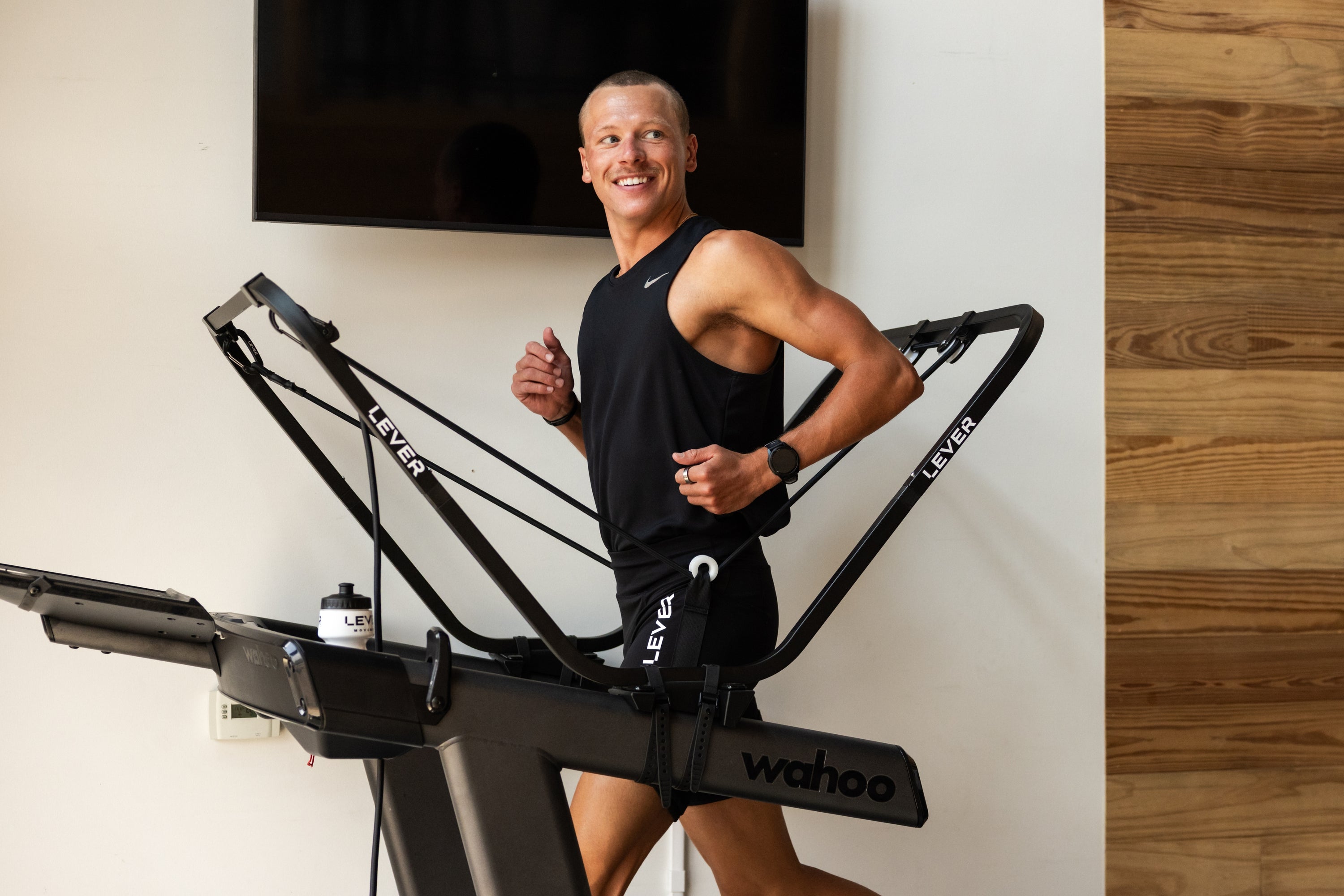
Body-weight unloading systems reduce the effective weight your legs have to carry. At 45 lbs of unloading (the LEVER UP's maximum), a 180-lb runner effectively runs as a 135-lb runner. The mechanics stay the same. The stress drops significantly. Healing continues while fitness is maintained.
This is why body-weight unloading has become standard in elite athletic programs and professional sports rehab, keeping athletes moving without compromising their recovery.
The AlterG: brilliant, expensive, inconvenient
There's no denying the AlterG's engineering. The DAP system is precise, adjustable in 1% increments, and can reduce body weight down to just 20% of normal. It also includes real-time gait analytics and video feedback, making it a powerful clinical tool for physical therapists managing complex rehabilitation protocols.
But here's the reality for most runners who could benefit from it:
Even at three sessions per week over a 12-week recovery, you're looking at $700–$1,800 in session fees alone, before gas, parking, or the hours you never get back.
Head-to-head: LEVER UP vs. AlterG
Here's how the two systems compare across every dimension that matters to an injured runner.
| Category | AlterG Anti-Gravity Treadmill | LEVER UP by LEVER Movement |
|---|---|---|
| Price | $34,900–$75,000 (clinic-owned) | $999, yours to own |
| Where you use it | PT clinic or sports facility only | Home, gym, anywhere with a treadmill |
| Setup time | 15–20 min (travel, check-in, specialized shorts, inflate bubble) | Under 5 minutes |
| Appointment needed? | Yes, book days in advance | No, run whenever you want |
| Unloading | Up to 80% body weight (1% increments) | Up to 45 lbs |
| Your treadmill? | No, requires the AlterG unit | Yes, attaches to most treadmills |
| Per-session cost | $20–$50 per session | $0 after purchase |
| Best for | Clinical rehab; neurological conditions; hospital settings | Runners, injury recovery, home & gym training |
The "getting there" problem nobody talks about
The biggest hidden cost of AlterG therapy isn't the session fee. It's the friction. Injured runners are already dealing with frustration and disrupted routines. A mandatory clinic trip adds:
Not every PT clinic has one. Locating one and confirming availability can take days.
Popular machines book out days in advance. Evening slots often don't exist.
30–60 minutes of round-trip travel for most people, plus parking and waiting room time.
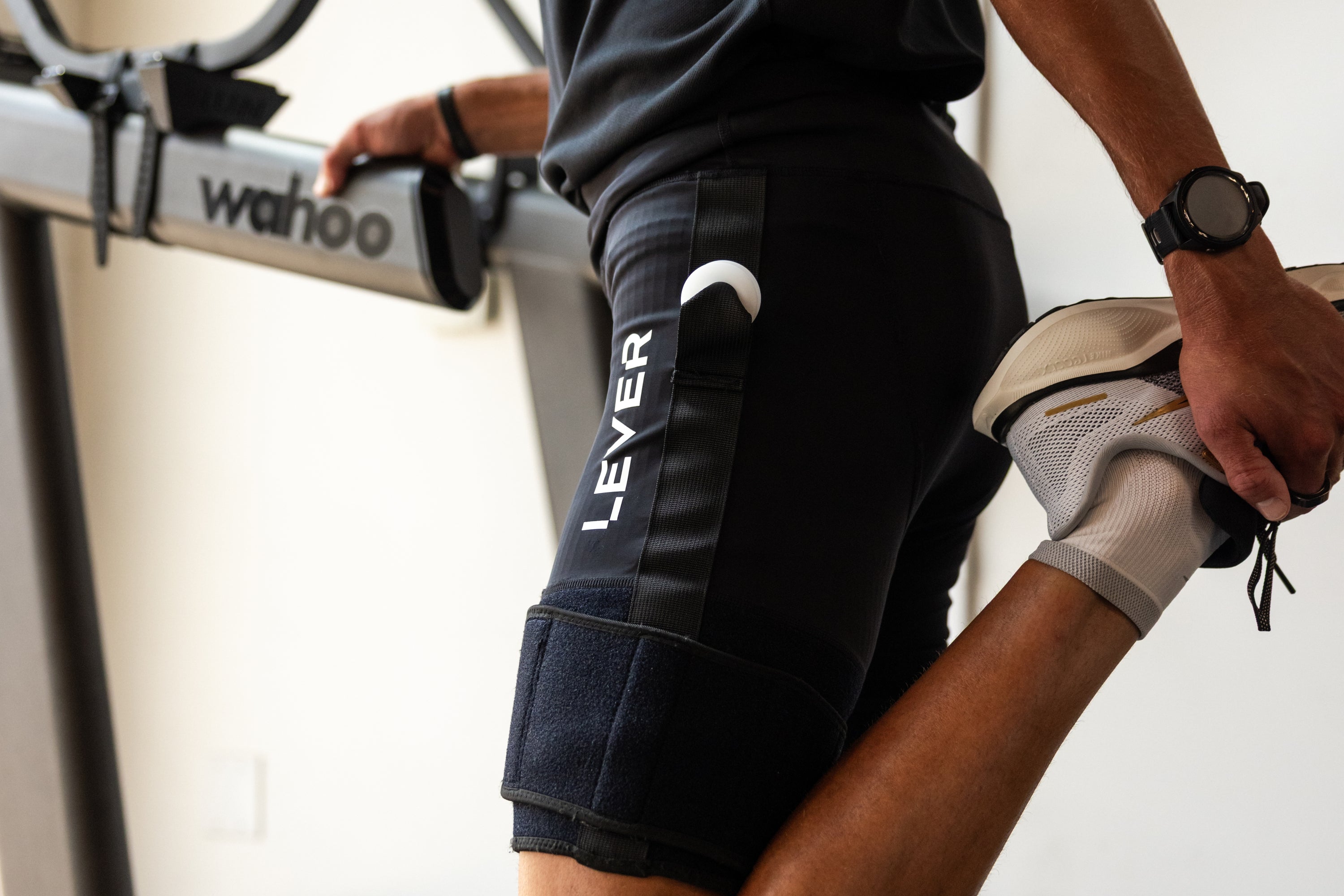
The DAP system requires specialized neoprene shorts and a zipper enclosure, taking 10–15 minutes to set up properly.
Your actual run time is a fraction of the total time commitment for the trip.
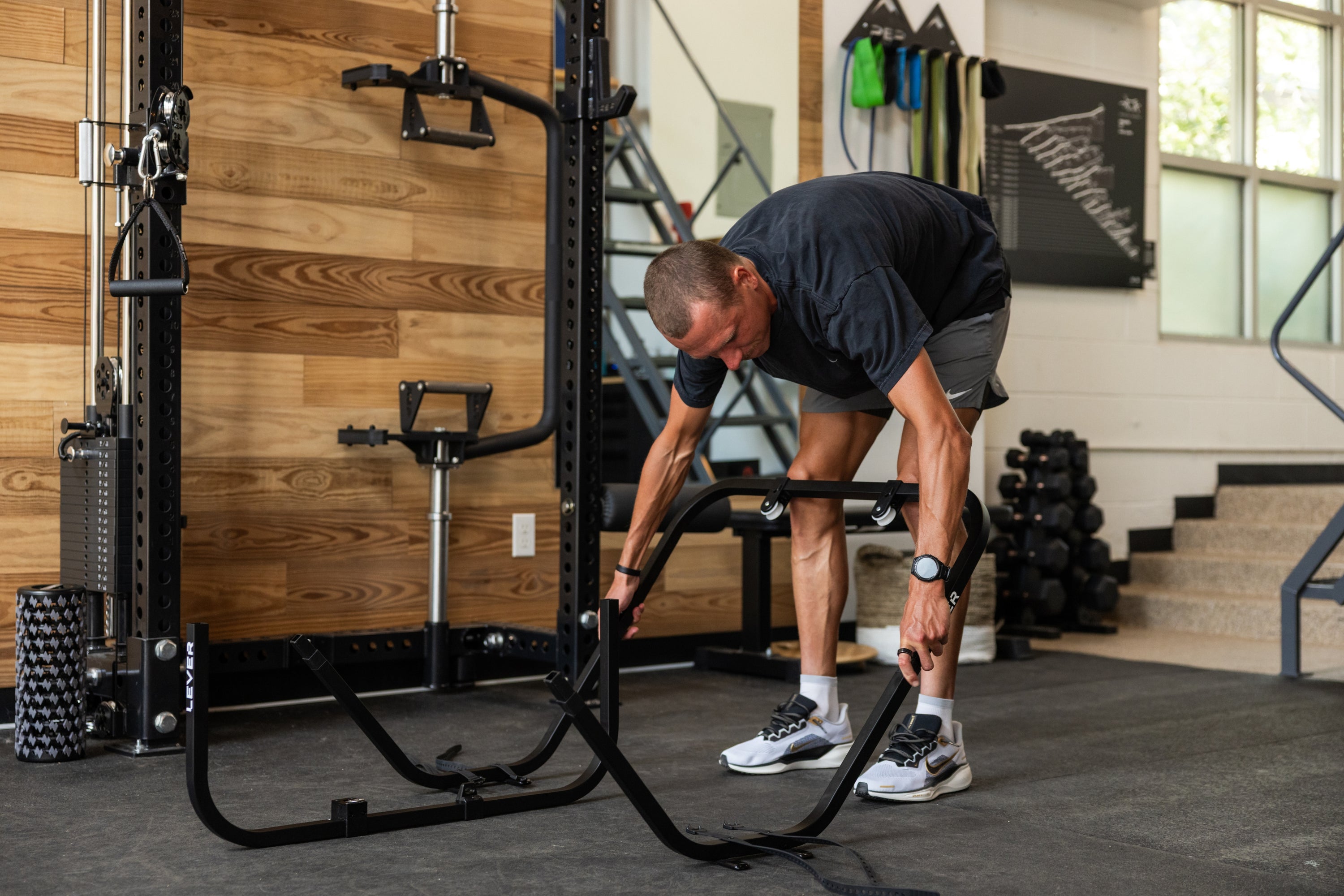
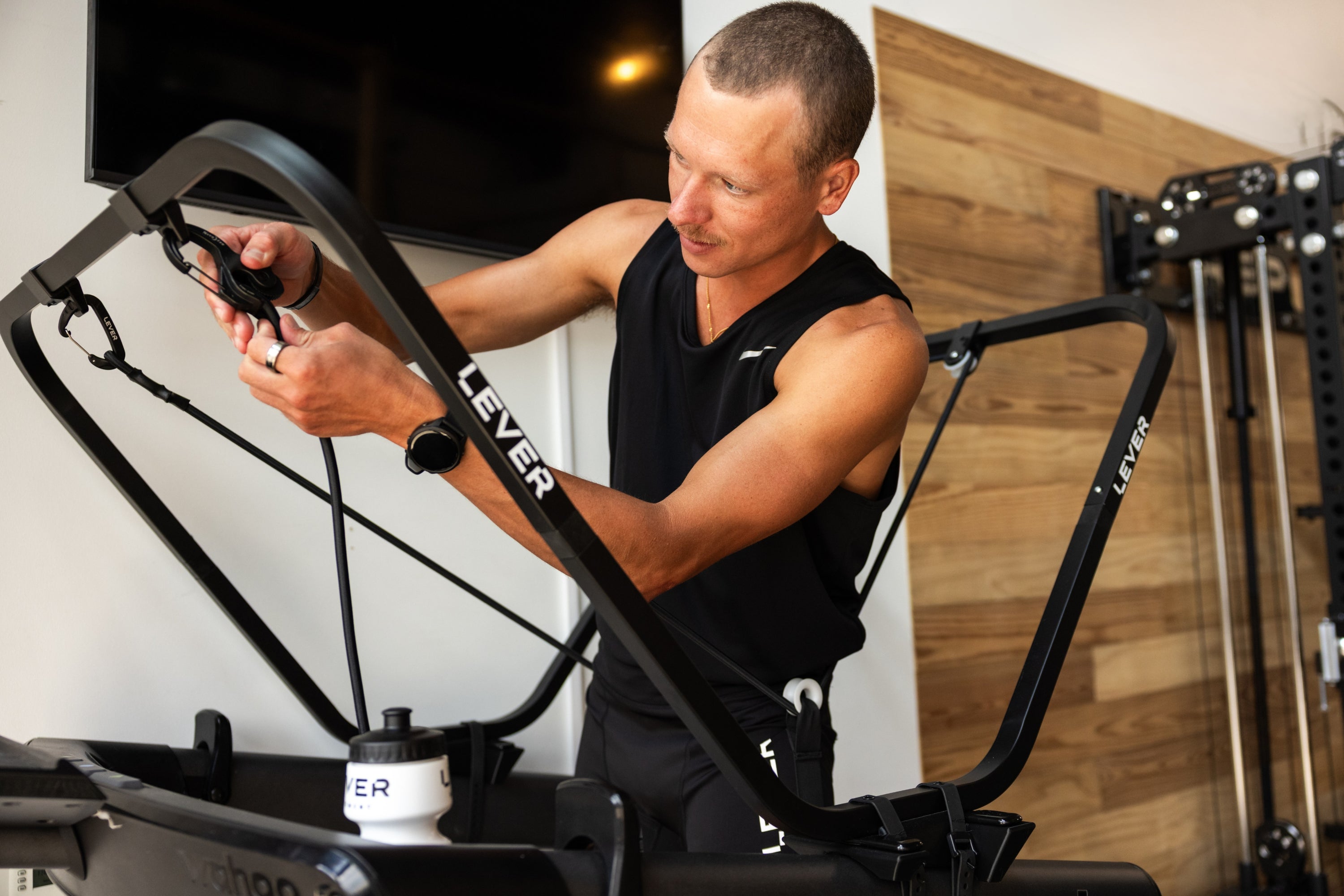
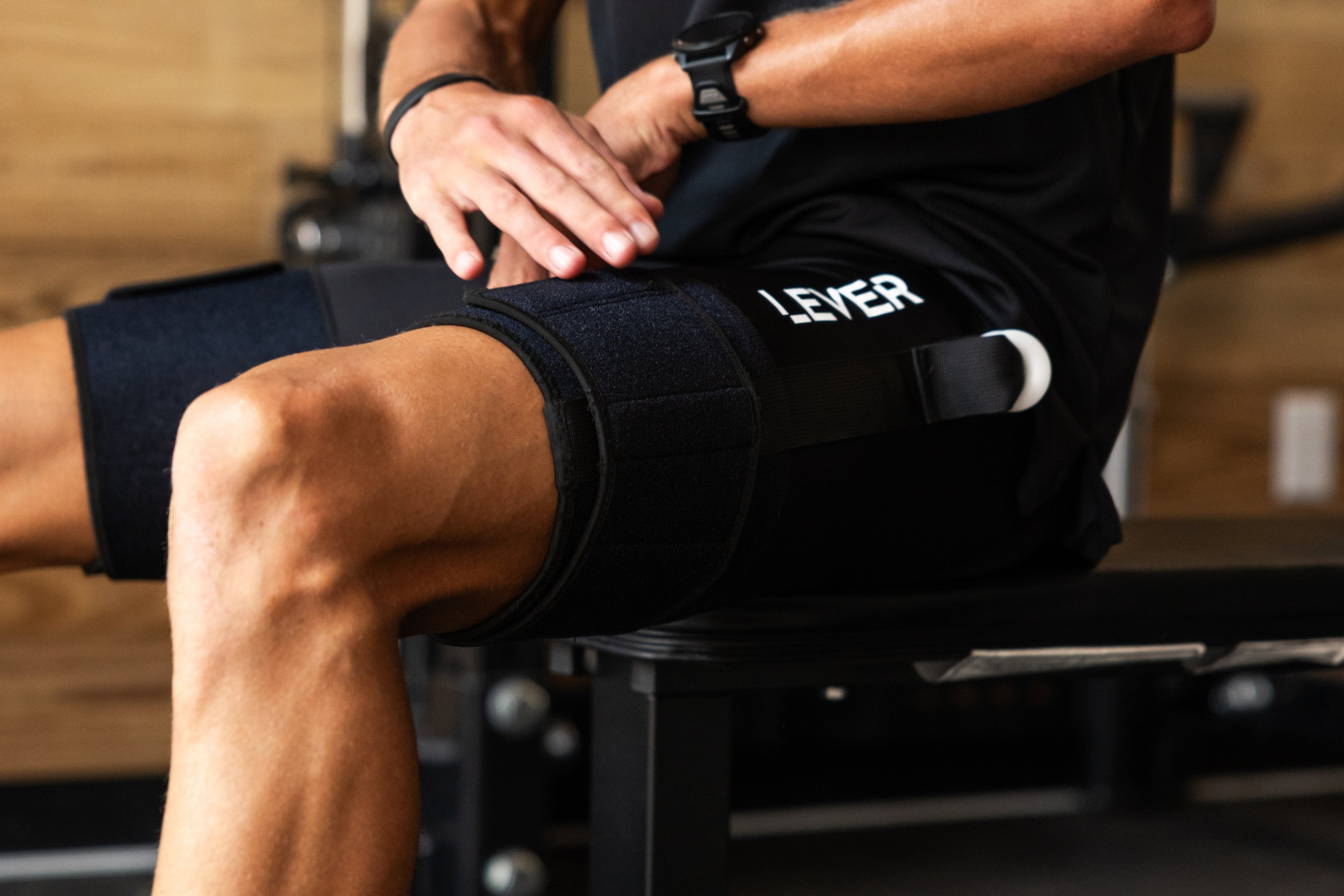
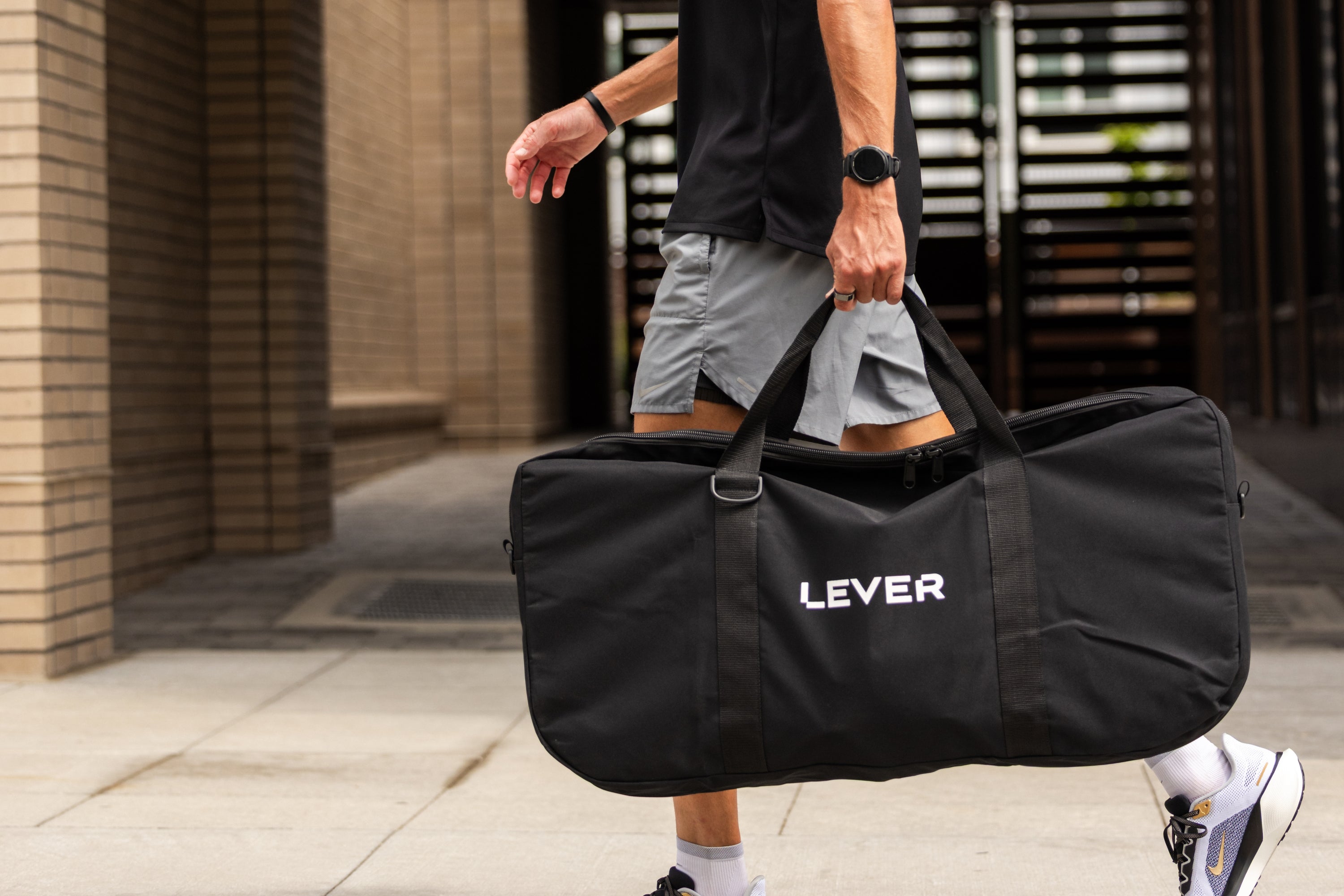
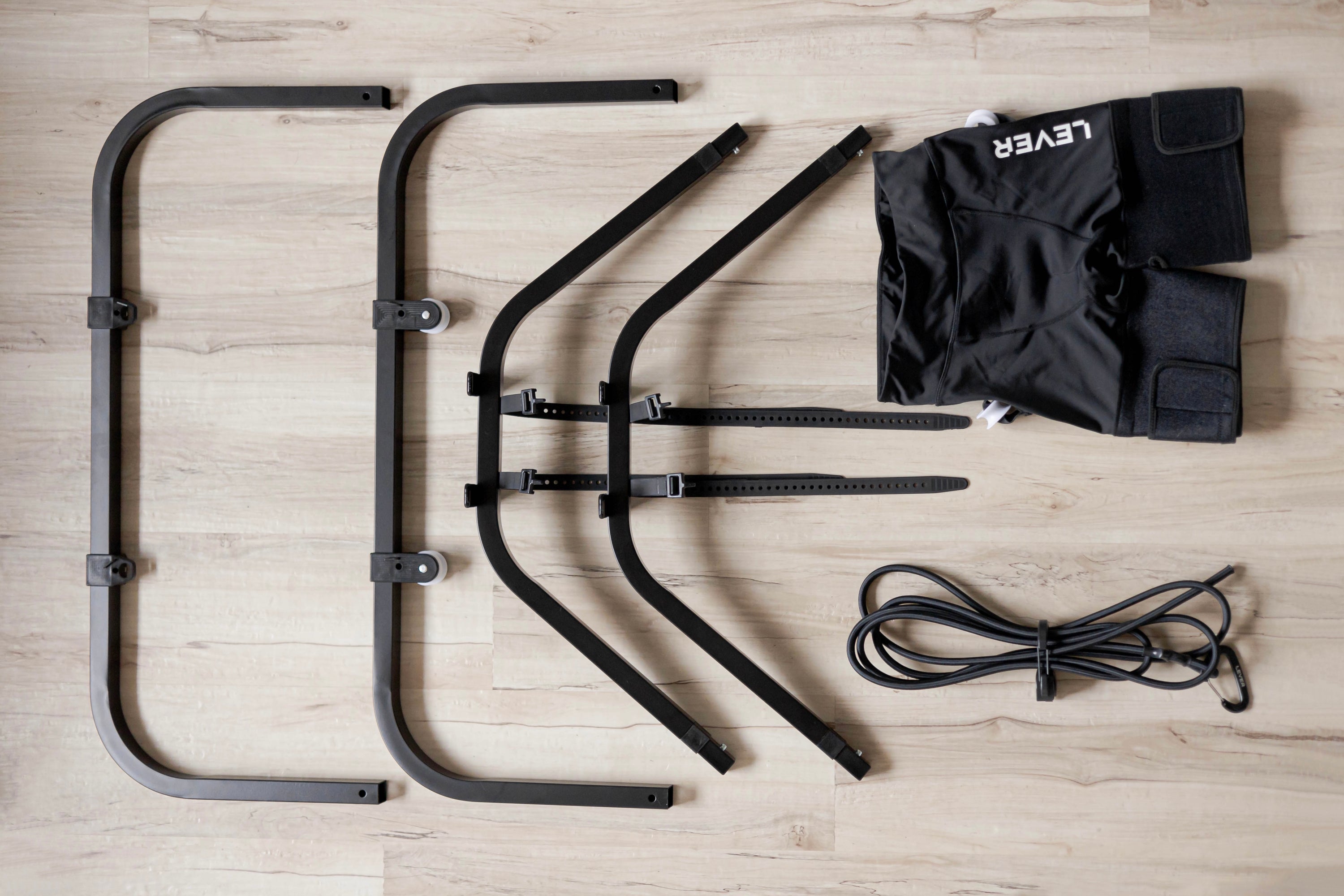
Compare that to LEVER UP: step on your treadmill, clip on the harness, run. No scheduling. No commute. No waiting. The best recovery tool is the one you'll actually use consistently.
Who should use LEVER UP?
Stay running while your bone heals. Reduce impact forces while maintaining form and fitness.
Reduce load on the tendon with every stride, enabling a graded return to running sooner.
Cut compressive forces through the knee joint without giving up your run training.
Add volume without adding wear. Push past limits while protecting your joints.
Unload the fascia on every foot strike, allowing recovery while you keep training.
Bridge the gap between physical therapy and full training load after surgery.
A note on what AlterG does better
Fairness matters. The AlterG is a purpose-built clinical instrument that belongs in certain settings. Its DAP technology can reduce body weight below 50%, lower than any harness-based system. For severe neurological conditions, complex post-surgical patients, or environments where a licensed therapist needs to track gait data in real time, it's the right tool.
But for the overwhelming majority of runners dealing with stress fractures, Achilles issues, plantar fasciitis, IT band syndrome, or runner's knee, you don't need $50,000 of hospital-grade air pressure technology. You need to reduce load, maintain mechanics, and keep moving. That's exactly what LEVER UP does.
The math is almost unfair
At the entry-level AlterG price of $34,900, you could buy 34 LEVER UP systems. Even at typical clinic rates of $20–$50 per session, you break even on the LEVER UP purchase in under two months of regular use.
LEVER UP isn't trying to be a hospital instrument. It's built to make body-weight unloading accessible to any runner with a treadmill, without the appointment, the commute, or the $35,000 price tag.
Bottom line
The AlterG changed what's possible in clinical rehab. But the technology it unlocked, running with reduced body weight, has stayed locked behind $35,000 machines in appointment-only clinics. For most runners, that means either skipping recovery training entirely or spending hundreds of dollars and hours of their week getting to a machine they can use for 20 minutes.
LEVER UP changes that equation. $999. Any treadmill. Under five minutes to start running. That's the $1,000 AlterG, and it belongs in your home.
Ready to run again?
LEVER UP attaches to your treadmill in minutes and unloads up to 45 lbs of body weight. No clinic required.
Shop LEVER UP for $999 Free shipping · 30-day returns · Works with most treadmills