For Conrad Rodas, endurance sport has never simply been about racing faster times or collecting finish-line photos. It has always been about movement, consistency, and the ability to keep showing up even when life becomes complicated and training doesn’t go according to plan.
Today, Conrad is working toward becoming competitive again in triathlon after knee reconstruction surgery while balancing a full professional career and family life. His journey reflects what long-term endurance sport really looks like for most athletes not perfect seasons, but persistence through change.
From Guatemala to the United States Through Swimming
Conrad’s path into endurance sport began long before triathlon. He grew up in Guatemala and started swimming at a young age after doctors recommended it as a way to help manage asthma. What began as a health decision quickly became a competitive pursuit that eventually led him to represent Guatemala internationally as part of the national swim team. At 18 years old, he moved to the United States after being recruited to swim at the University of Louisville, where he studied electrical engineering while continuing to compete.

Swimming shaped his early athletic identity, but triathlon would later become the sport that defined the next chapter of his life.
A Friendly Bet That Changed Everything
Like many endurance athletes, Conrad didn’t originally plan to become a triathlete. Instead, the sport entered his life through a challenge from former teammates who told him he wouldn’t be able to complete an Ironman. Ten months later, he crossed the finish line at Ironman Louisville in 2012, and that experience changed everything. Rather than feeling like a one-time achievement, the race sparked something deeper the desire to keep improving and to see what he was capable of over longer distances.
From that point forward, Ironman racing became part of his life.
The Kona Finish Line
Years of consistent training eventually led Conrad to qualify for the Ironman World Championship in Kona, one of the most meaningful milestones in long-course triathlon. He still remembers the final mile vividly. After pushing through the physical limits of the race, he nearly blacked out before stepping onto the red carpet and crossing the finish line, a moment that represented years of preparation finally coming together.

For many athletes, reaching Kona represents a career highlight. For Conrad, it also marked the beginning of a new challenge.
The Setback: Knee Reconstruction Surgery
Shortly after racing Kona, Conrad underwent a full PCL reconstruction surgery that significantly changed his relationship with running. Recovery required patience, and his right leg lost significant muscle mass following the procedure. Returning to normal running mechanics took months of rebuilding strength and confidence, but the mental adjustment proved just as challenging as the physical recovery.

Running had become part of how he explored new cities during work travel, managed stress, and stayed connected to the routine that helped him feel like himself. Losing access to that routine forced him to rethink what progress looked like and how he could return safely.
Finding a Way Back to Running
During rehab, Conrad began looking for ways to stay consistent with movement without placing excessive stress on his knee. He noticed that many athletes recovering from surgery relied on body-weight support treadmill systems, but most of those options were expensive and only available inside clinical environments.

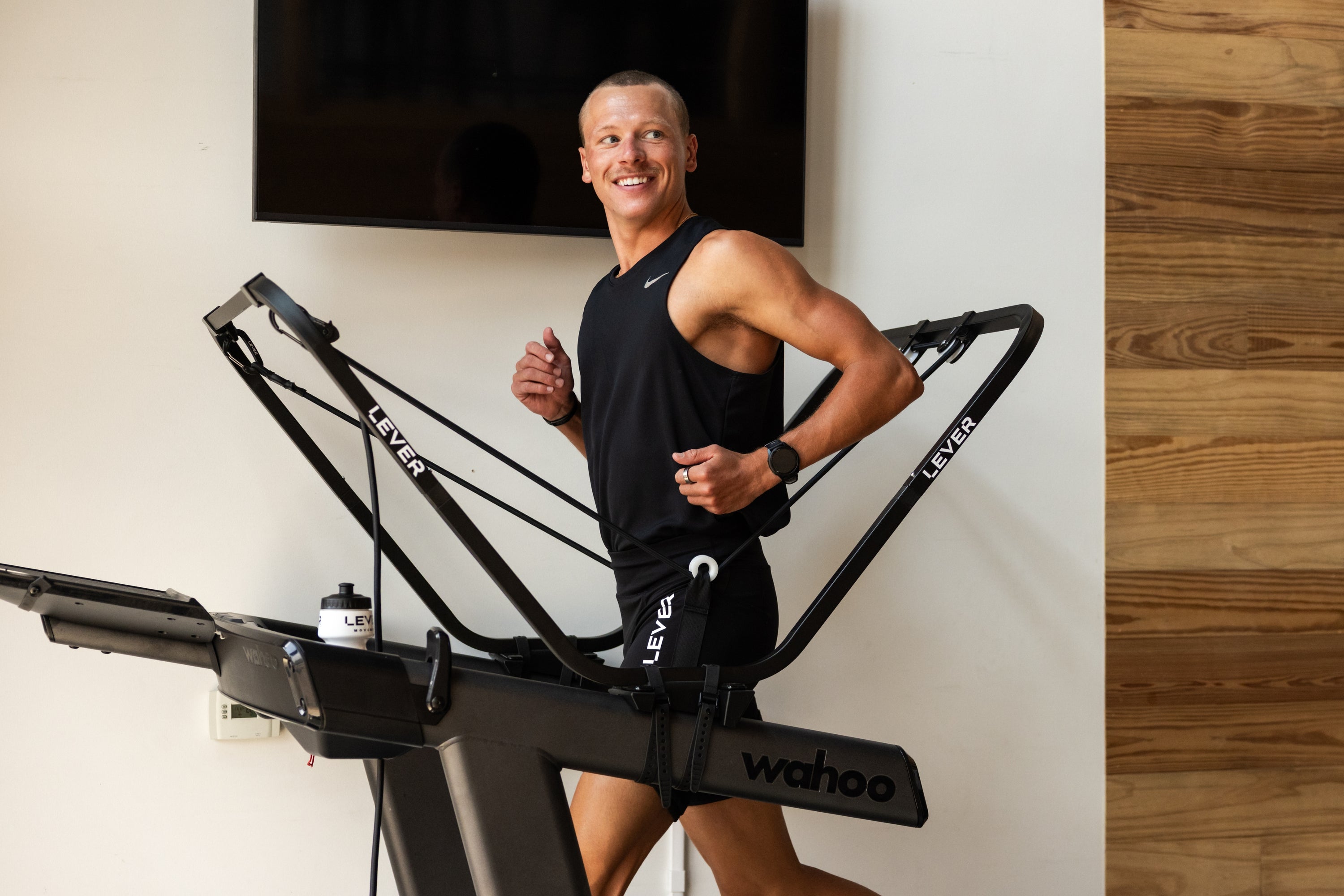
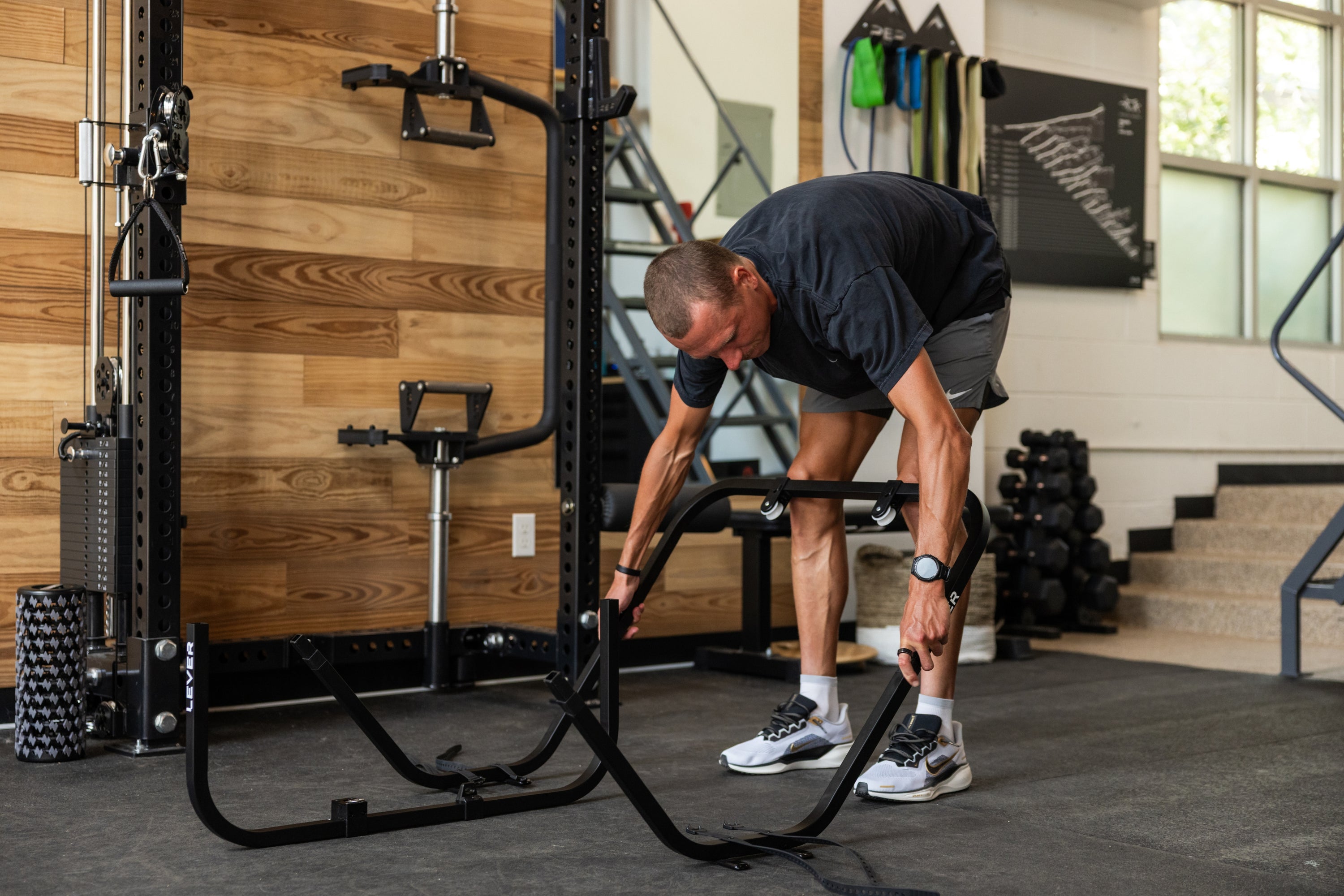
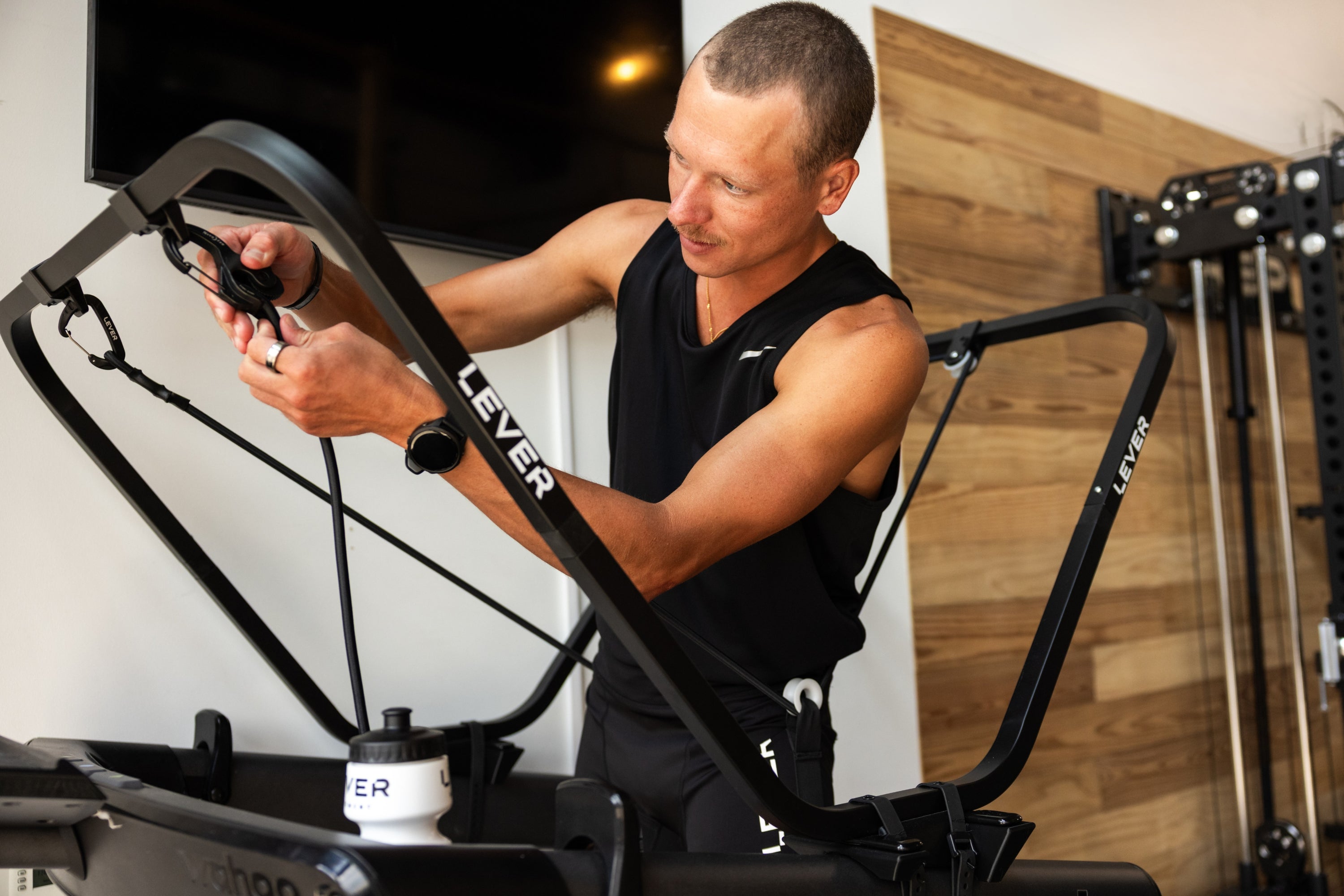
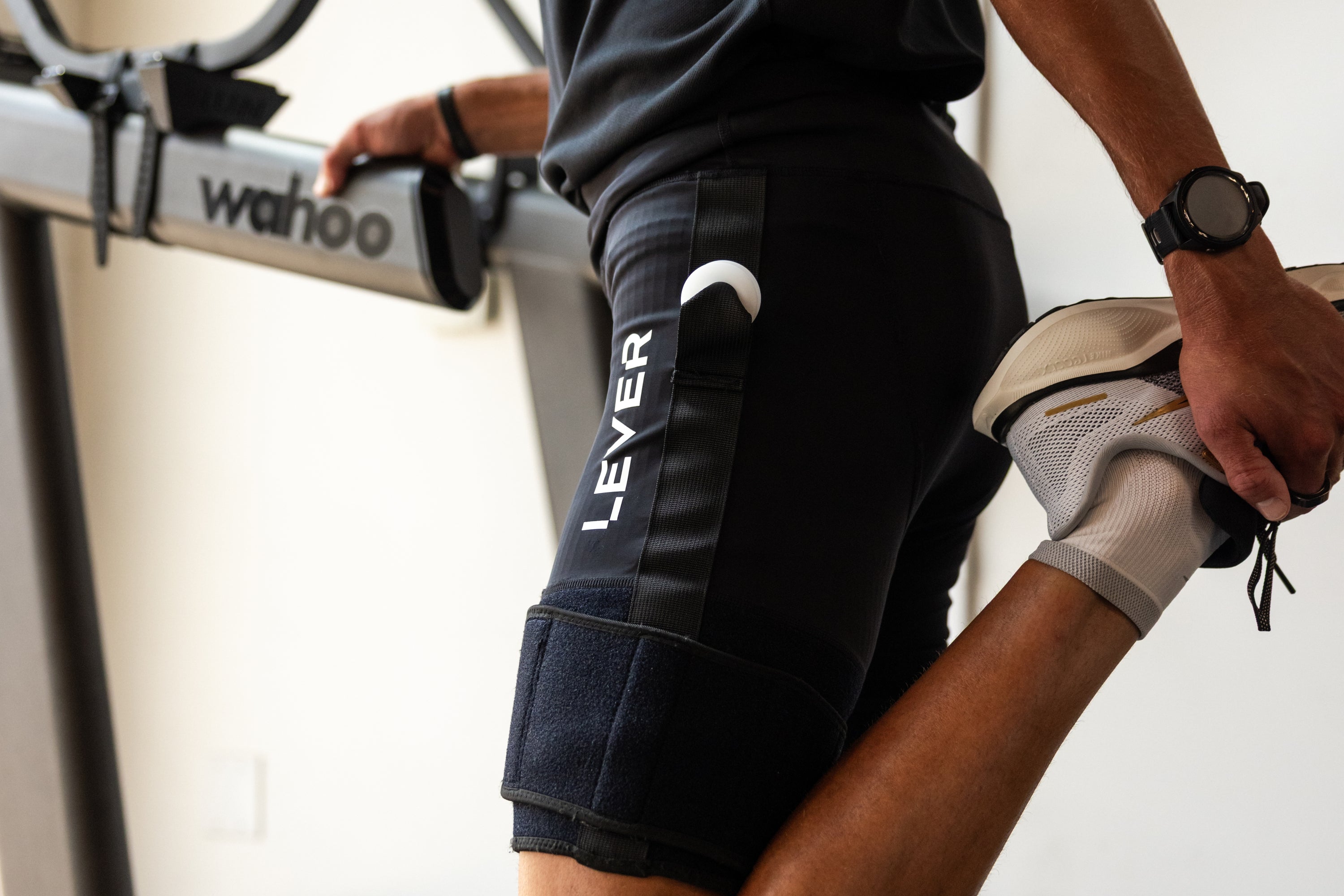
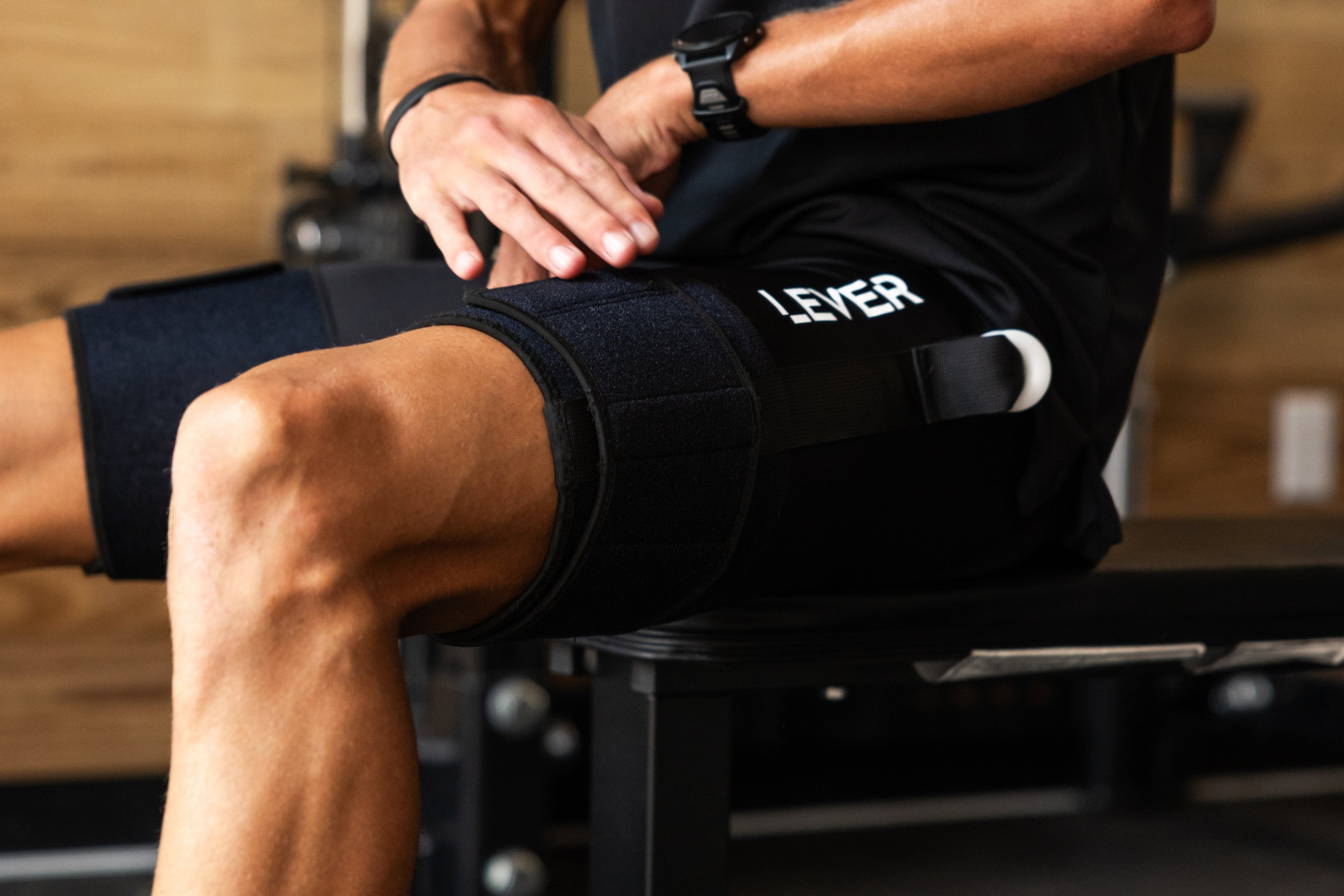
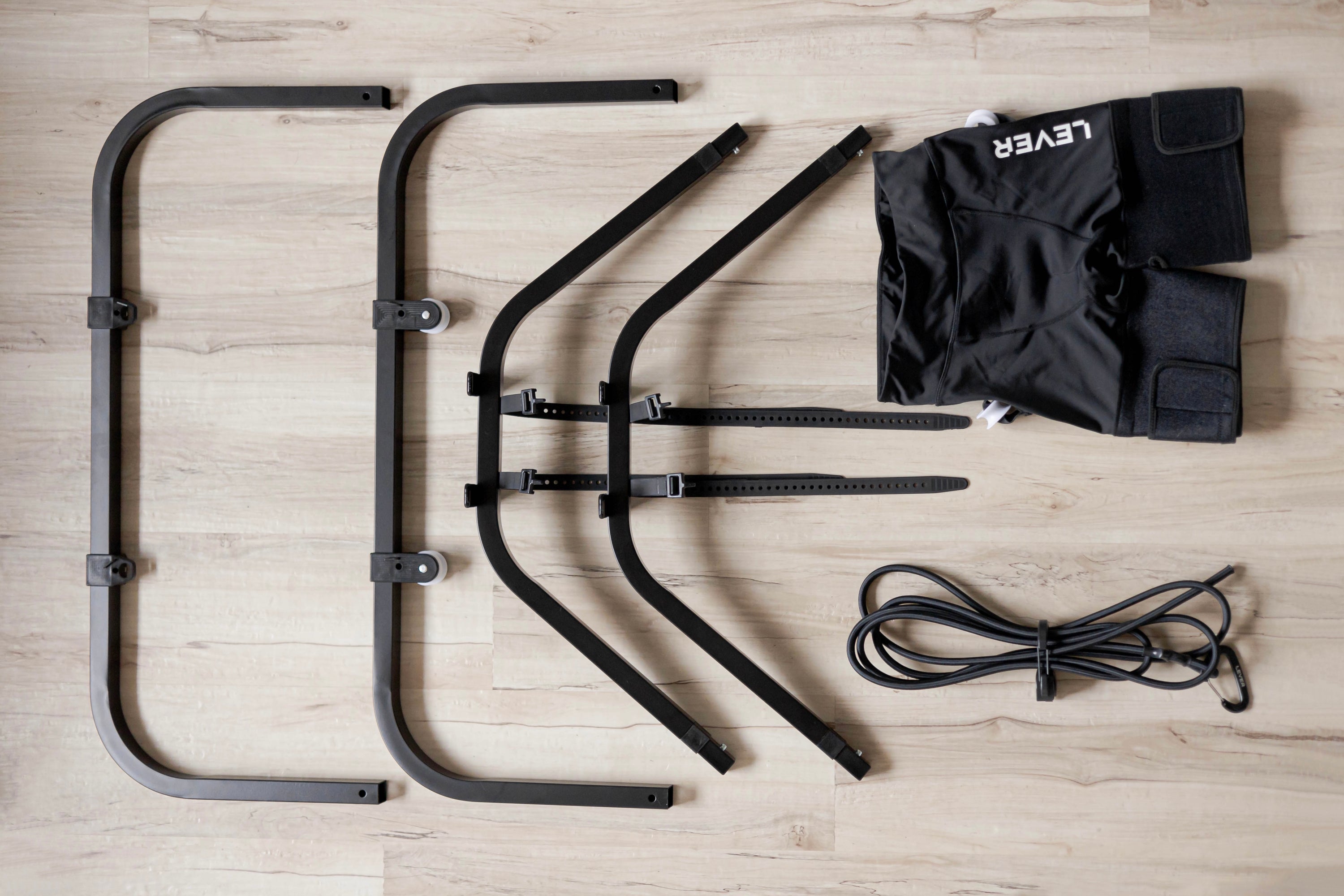
That search eventually led him to the LEVER system. Using body weight support allowed him to maintain cadence while rebuilding strength, reduce impact during easy runs, gradually increase mileage, and stay consistent through recovery instead of stopping completely. Today, he continues using LEVER regularly as part of his training routine to help manage impact and support higher mileage safely.
Training Again at 44

One of Conrad’s biggest goals now is simple but powerful: to show that it is still possible to improve as an athlete while balancing work, family, and long course triathlon training. He works full time, is raising two daughters, and continues to train with purpose as he builds toward becoming competitive again.
His story reflects something many endurance athletes experience at some point in their journey setbacks do not end progress, but they often change the way progress looks.
Watch Conrad’s Full Story
Conrad shares the full journey in our latest video, where he talks about growing up in Guatemala, qualifying for Kona, recovering from knee reconstruction surgery, and working toward becoming competitive again in triathlon.