Four months postpartum.
Three kids.
And already building toward qualifying for another Olympic Trials.
For many runners, returning after pregnancy can feel uncertain. Progress is slower. The body feels different. The timeline is unclear.
But for Neely Gracey a four-time U.S. Olympic Trials qualifier, coach, and mother of three the postpartum phase isn’t the end of elite running. It’s the beginning of another chapter.
Her comeback offers something powerful for runner moms at every level: a roadmap for returning to running safely, confidently, and stronger than before.
Why Returning to Running Postpartum Looks Different for Every Athlete
One of the most important lessons Neely shares is simple. There isn’t a universal postpartum training timeline.
Each pregnancy and each return to running feels different.
Instead of comparing herself to her pre-pregnancy fitness, she reset her expectations completely.
“Instead of comparing myself to who I was before I got pregnant, I compare myself to who I was the day I started back.”
That mindset shift changes everything.
Many runners assume postpartum progress should be measured against their old fitness. But the strongest returns happen when athletes treat postpartum training as a new performance cycle, not a race back to where they used to be.
Can Pregnancy Actually Make You a Stronger Runner?
It sounds surprising, but for many athletes the answer is yes.
After one of her previous pregnancies, Neely ran a lifetime marathon PR just 18 months later.
Pregnancy naturally creates a reset from high training loads, improves long-term recovery habits, strengthens supporting systems, and encourages smarter training decisions.
Instead of losing fitness permanently, many runners build durability that supports long-term performance gains.
What Research Says About Returning to Running Postpartum
Modern return-to-run guidelines emphasize gradual progression and pelvic floor readiness before full training resumes.
Clinical recommendations often suggest waiting approximately 6–12 weeks postpartum before returning to running, depending on individual healing, delivery type, and strength readiness. Many physical therapists also recommend passing functional return-to-run testing before impact training begins.
During early postpartum training, reducing impact load can help support pelvic floor recovery, connective tissue healing, joint stability, and long-term injury prevention.
Strategies like walk-run intervals, incline running, treadmill sessions, and body-weight-supported running can make the transition back to running safer and more sustainable.
The First Step Back Isn’t Running. It’s Recovery
One of the most overlooked parts of postpartum performance is rest.
Even after years of running high mileage weeks, Neely approached recovery differently after her third child. She prioritized daily naps during the first month postpartum a major shift from her normal training habits.
That recovery window wasn’t lost fitness time. It was preparation for everything that followed.
For runner moms especially, recovery is not a delay in training. It is training.
When Is It Safe to Start Running After Pregnancy?
Every athlete’s timeline is different.
After passing her return-to-run testing at six weeks postpartum, Neely began with a simple structure: run one minute, walk two minutes, and repeat.
This approach helps reduce pelvic floor stress while rebuilding coordination and movement confidence.
Many runners benefit from structured progressions like this before returning to continuous running mileage. If you're unsure where to begin, structured return-to-run strategies like the ones outlined in our guide to reducing impact while rebuilding mileage can help create a safer starting point. (Insert internal LEVER blog link here)
Why Reducing Impact Early Matters More Than Increasing Mileage
One of the smartest strategies during postpartum training is managing impact not just distance.
Neely used several tools to support her return, including uphill running progressions, treadmill training, stroller running, run-walk intervals, and body-weight-supported treadmill sessions.
These strategies allow runners to stay consistent while protecting healing tissues.
Consistency not intensity is what drives successful postpartum returns.
How LEVER Supports a Safer Return to Running Postpartum
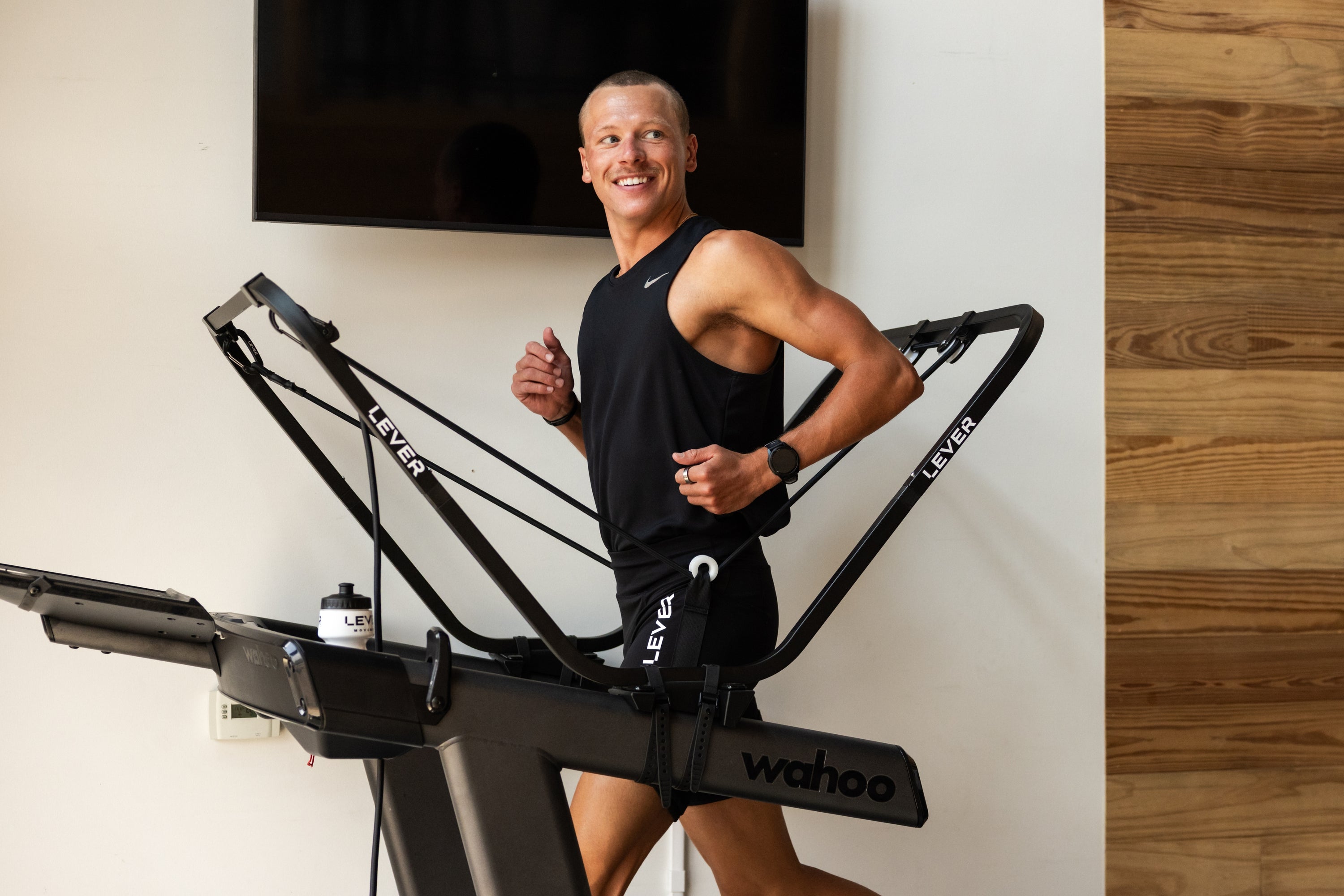
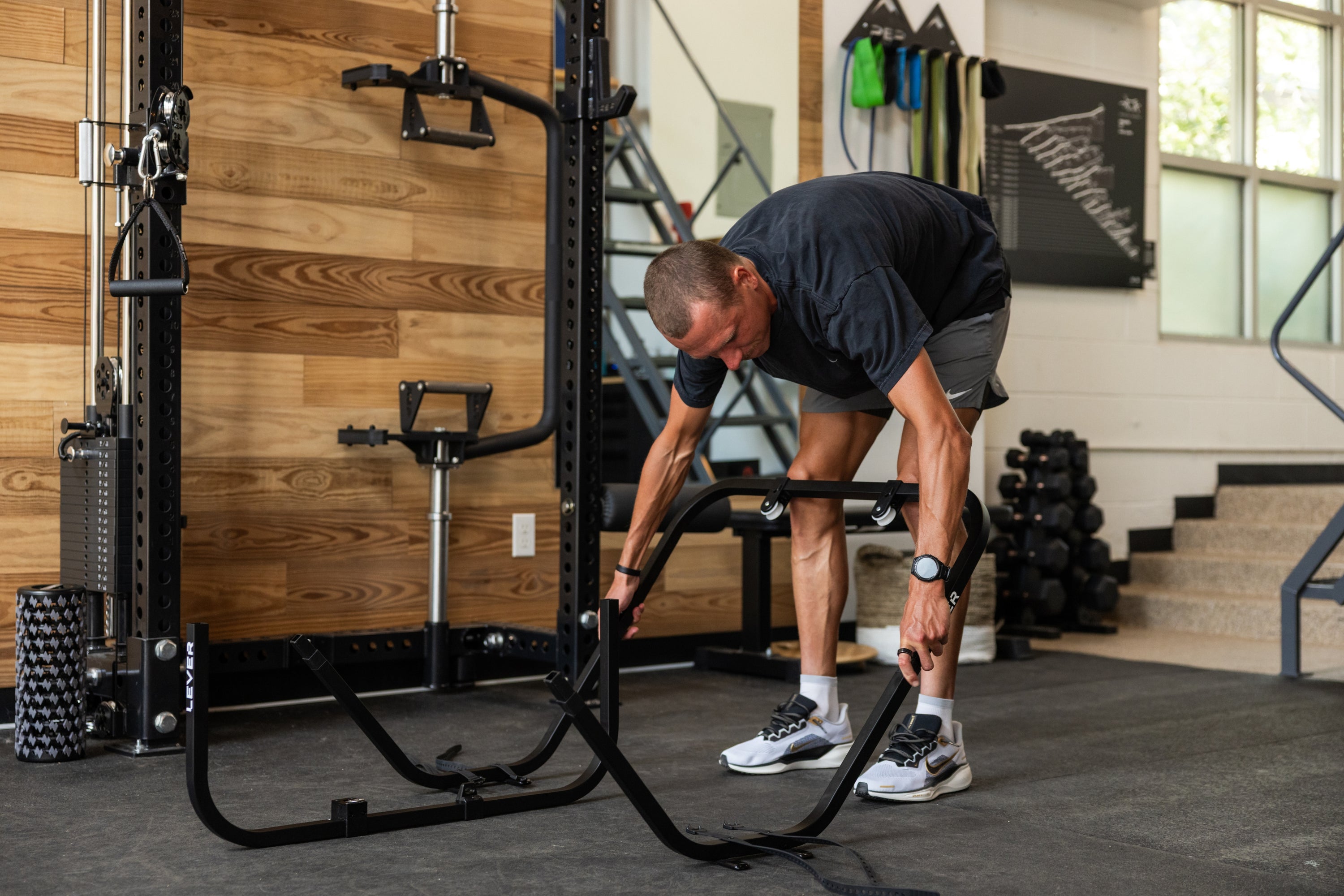
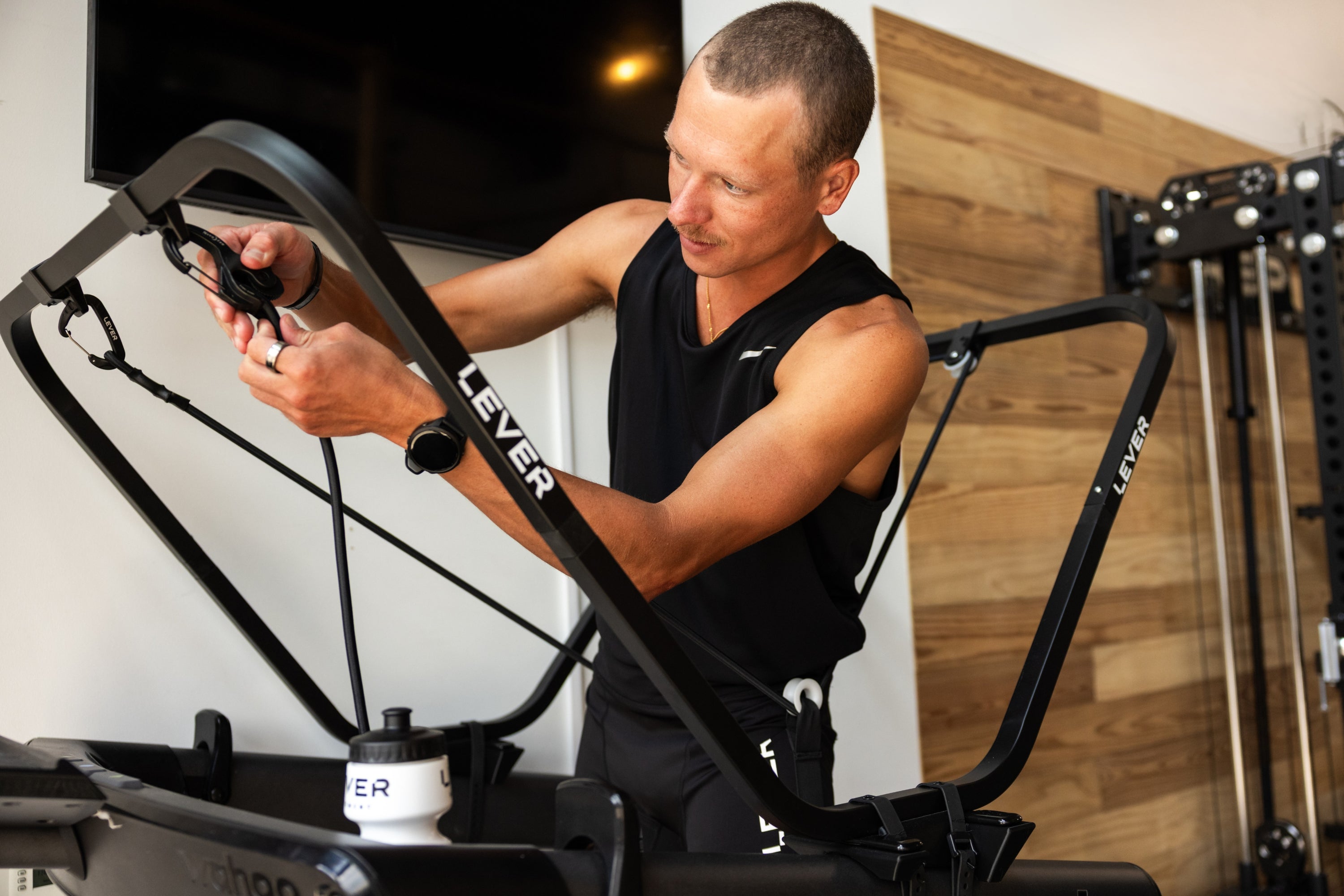
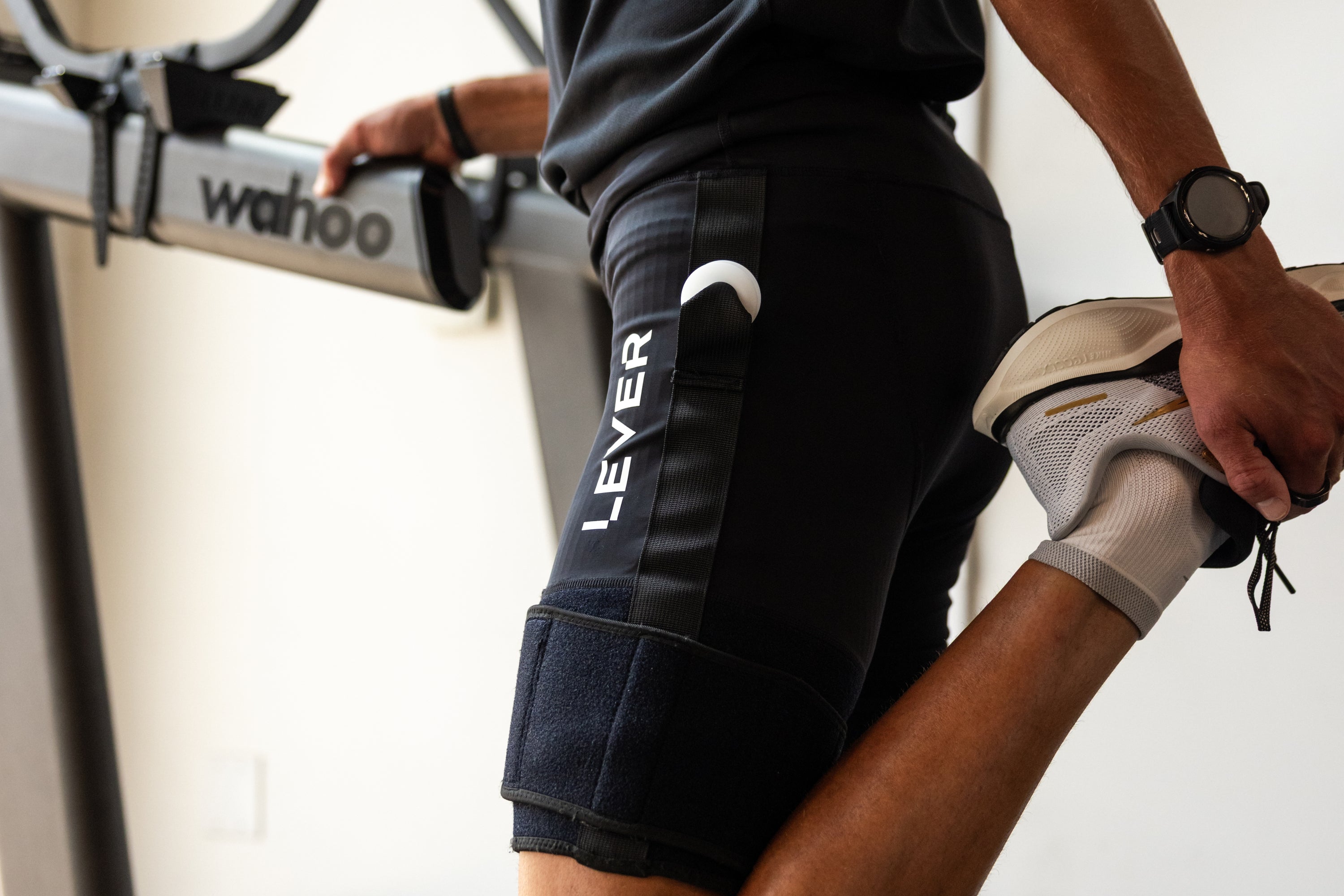
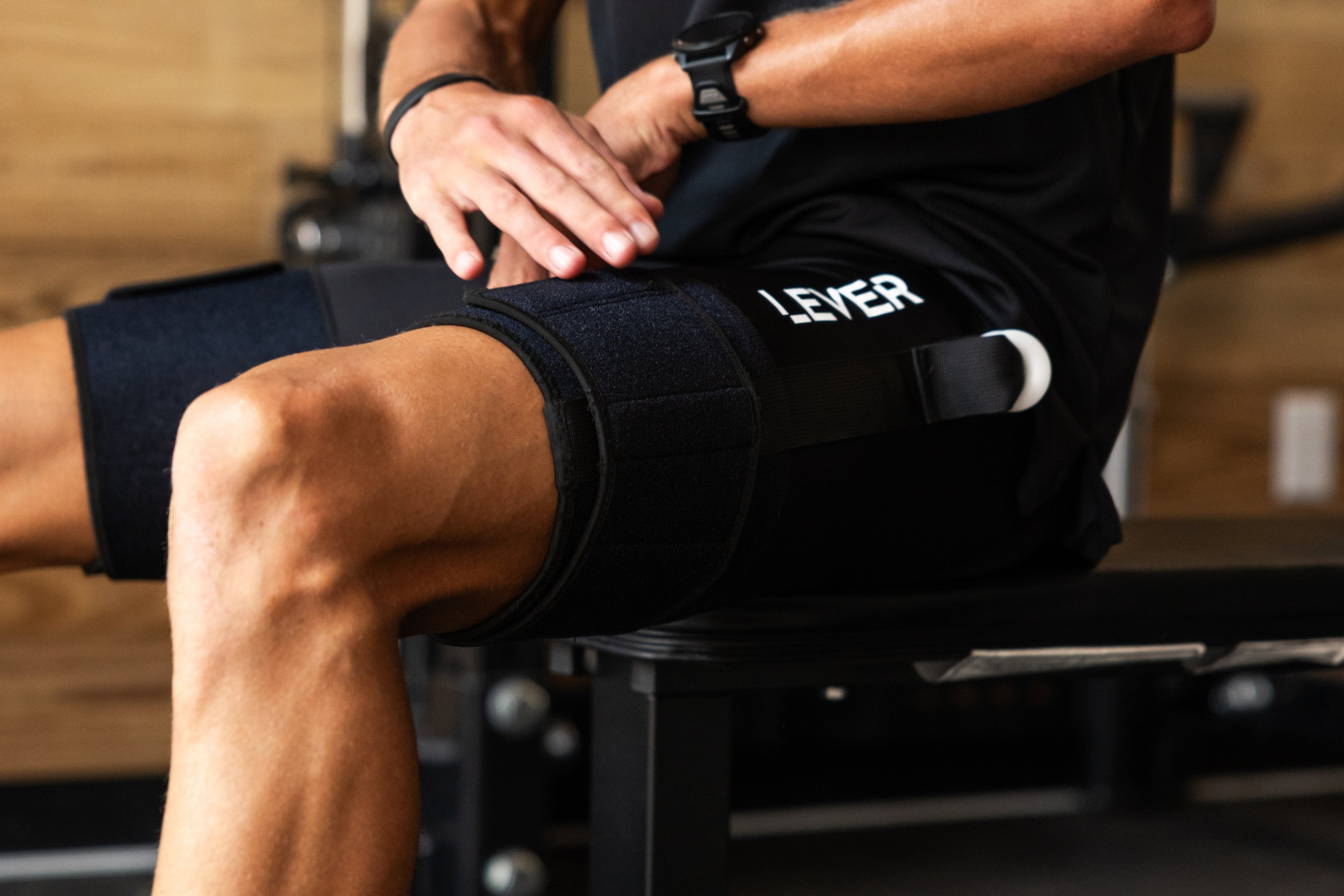
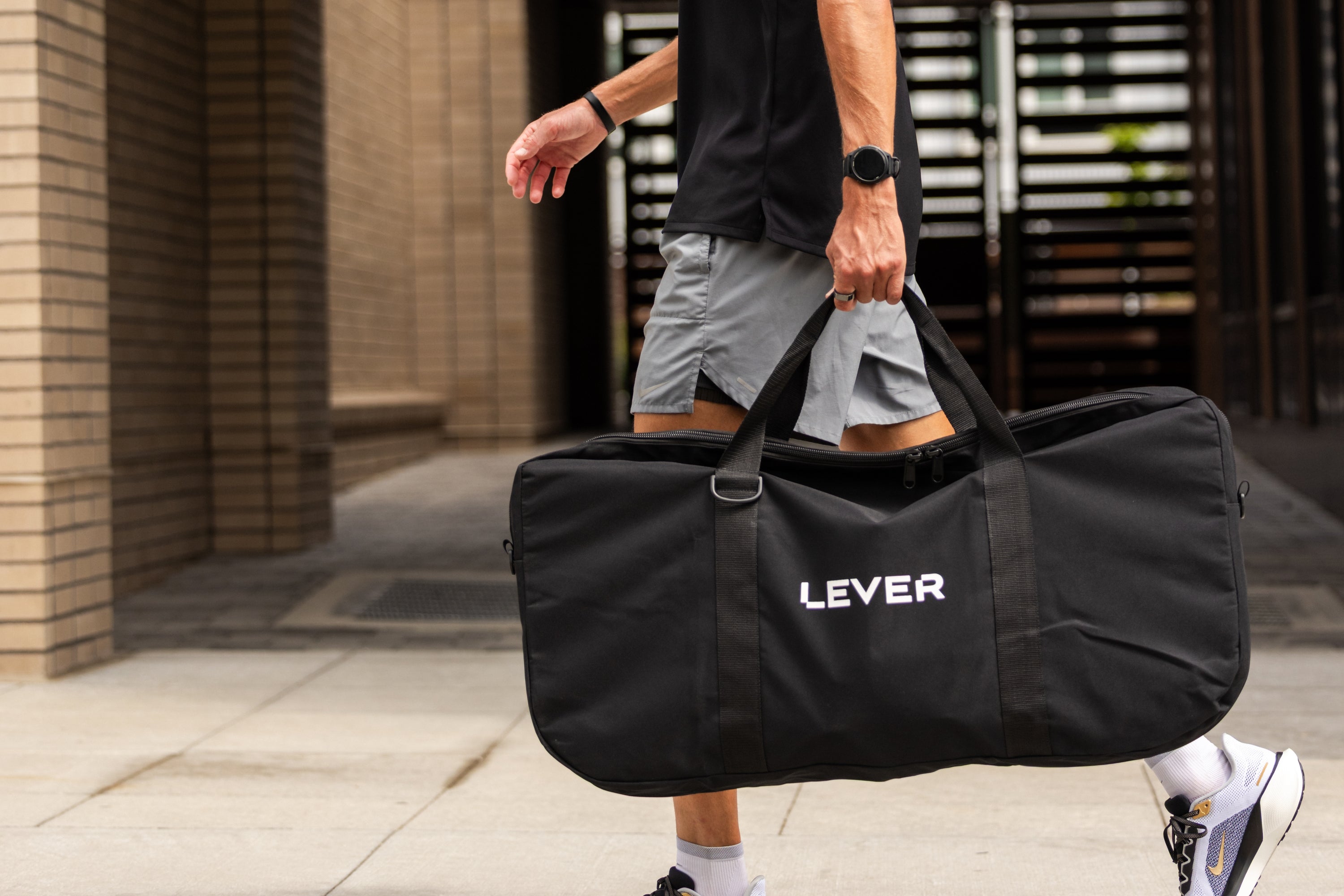
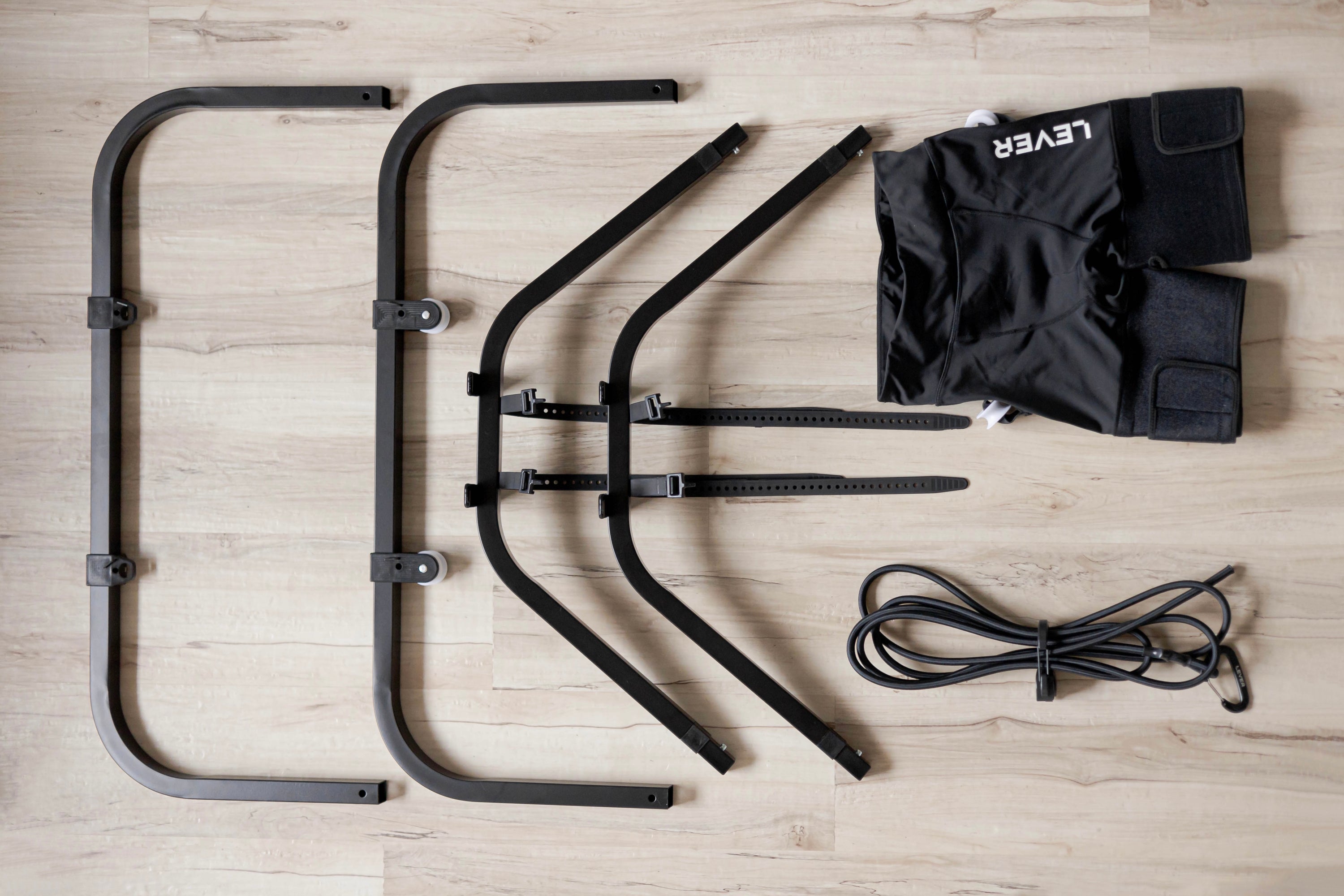
One of the tools Neely incorporated during her comeback was the LEVER system.
Body-weight-supported treadmill running reduces stress on pelvic floor structures, hips and knees, connective tissue, and bones adapting back to impact.
For runner moms especially, reducing impact during the first months back can make the difference between staying consistent and getting sidelined again.
Neely describes one unexpected benefit clearly.
“That little lift allows me to see some of those more familiar pace markers again—and that emotionally feels really good.”
Seeing progress early helps rebuild confidence, and confidence supports consistency.
Training During Nap Windows: Making Every Minute Count
Time is one of the biggest constraints postpartum runners face.
Neely shared a simple example. With 45 minutes available during a nap window, running at a 10-minute pace equals about 4.5 miles, while running at a 7-minute pace equals about 6 miles.
Reducing impact allowed her to safely run faster earlier in her rebuild without increasing stress on her body. That meant more training value inside limited time windows.
For runner moms balancing sleep schedules, childcare, work, and recovery, this can make structured training possible again.
A Smart First Workout When Returning Postpartum
One of Neely’s favorite early sessions uses alternating 400-meter repeats.
She alternates 400 meters at 10K effort with 400 meters at steady float pace and repeats the cycle continuously.
During early postpartum workouts, she often trains with partial body-weight support to restore stride rhythm safely while maintaining aerobic development.
Sessions like this help rebuild turnover, running economy, pacing awareness, and confidence without introducing unnecessary impact stress too early.
The Most Important Message for Runner Moms
Pregnancy does not end athletic careers.
Neely puts it simply.
Female athletes are strong. Having a baby doesn’t end your career.
Across endurance sport, more athletes than ever are returning to elite competition after pregnancy and performing at their highest level.
If you’re a runner navigating nap schedules, recovery timelines, and limited training windows, Neely’s approach will probably feel familiar.
Most postpartum runners aren’t limited by motivation. They’re limited by time, uncertainty, and impact tolerance.
Smart training bridges that gap.
The Goal: Olympic Trials Qualification #5
Today, Neely is running approximately 30–40 miles per week as she rebuilds her training base postpartum.
Her long-term goal is qualifying for her fifth U.S. Olympic Trials.
That goal isn’t immediate. It’s intentional, and it’s being built step by step exactly the way postpartum training should be.
What Runner Moms Can Learn From Neely’s Comeback
Whether your goal is returning after pregnancy, coming back from injury, running your first race again, building toward a marathon, or chasing an Olympic Trials qualifier, the principles remain the same.
Start gradually
Reduce impact early
Celebrate milestones
Stay consistent
Train smarter not harder
Tools like LEVER simply make that process more accessible.
Watch Neely Gracey’s Full Postpartum Comeback Story
Watch how Neely is rebuilding toward Olympic Trials qualification after baby #3:
Her story is a reminder that postpartum running isn’t about getting back to where you were. It’s about discovering what’s possible next.