The Conner Mantz Series · Part 2 of 3
In Part 1, Conner Mantz ran 2:04:43 in Chicago and broke the American marathon record. He finished the race feeling fresh. Maybe too fresh.
"The reason I got injured is I felt so good the next day. I didn't feel like I'd run a marathon."CONNER MANTZ
What followed was two stress fractures in his sacrum, two misdiagnoses, a missed Boston Marathon and, by his count, about 170 days off running in the last year (including his usual day off each week). By his own count, he was injured more in that one year than in high school, college and his early pro career combined. This is how it happened, what he learned, and how LEVER helped him get back to a start line.
2
Stress fractures
sacrum: left side, then right
~170
Days off
in the past year, counting his weekly rest day
3
Races missed
World Cross, U.S. Cross, Boston
2
Runs a week
on LEVER now
1Too Good, Too Soon
Conner felt so normal after Chicago that he went for about five easy miles the next day. Within three weeks he was back to 90 to 100 miles a week, with World Cross Country on his mind.
"...it was just this overexcitement of hey World Cross is coming up. What do I need to do to medal at World Cross?"CONNER MANTZ
World Cross is a race he usually has to skip because it clashes with his marathon builds. This time it fit. He was excited, and he pushed.
"...it was a good learning experience that even if you feel recovered post-marathon, that your body still ran a marathon and don't get too excited about the next race."CONNER MANTZ
Learn moreFeeling recovered is not the same as being recoveredA marathon causes muscle damage and inflammation that can last for days, even when your legs feel fine. Bone adapts more slowly than muscle, so it can be the last thing to catch up.•Keep the first week or two easy, even if you feel great•Build mileage back gradually. Jumping straight back to full volume is a classic setup for a bone stress injury•Plan your next race before you finish this one, so excitement doesn't make the decision for you
2Two Injuries in Six Months
Here's how Conner's year played out, in his words and dates:
Oct 12, 2025American record in Chicago2:04:43. He feels fresh and starts running the next day.
Early Nov 2025Pain startsBack to 90 to 100 miles a week by week three. Then pain. MRIs miss it at first, and it takes more scans to find a stress fracture on the left side of his sacrum. He's out about 12 weeks.
Late Jan 2026Back running, with LEVERHe'd ordered a LEVER in December. He starts using it in January and a decent amount in February.LEVER: part of his return
Feb to Mar 2026Back to full mileage, LEVER droppedOnce he was close to full mileage, he stopped using it."I was like, well, I probably don't need this anymore. Which is kind of like a really silly mistake."
Mid-March 2026Injury number twoAfter a strong week of workouts, a second sacral stress fracture, this time on the right side. Misdiagnosed again as a mild stress reaction until another MRI weeks later. He's out about 10 weeks.
March 31, 2026Out of BostonHe withdraws from the April 20 Boston Marathon, a race where he'd finished 4th in 2025."I just had to watch from the sideline."
Spring 2026A slower, more careful returnThis time most of his return to running happens on LEVER, before he runs much on the ground.LEVER: most of the comeback
July to Aug 2026Feeling like himself againHe skips races he'd penciled in because his workouts weren't ready yet. Then he builds toward New York.
3The Misdiagnosis
Both times, early scans missed the fracture. That made it hard to know when to stop.
"...the misdiagnosis didn't help because I was like trying to run or I'd run on it because I'm like, well, the doctor said I'll be fine."CONNER MANTZ
"I ran I think 10 or 11 miles and I was like the doctor says I'm fine. I must be fine."CONNER MANTZ
He felt okay for most of that run. By the end he needed help just getting to the car. That's when it got real.
Learn moreSacral stress injuries: the sneaky oneThe sacrum is the bone at the base of your spine. Stress injuries there are often mistaken for low back, SI joint or glute pain, so they can get missed for weeks. MRI is the best imaging for finding them.•Deep, one-sided pain in the low back or buttock•Pain that gets worse with running, and later with walking or standing•Pain when you hop on the sore side•Recovery takes months, not weeks. Runners are often cleared to start a return-to-run program around 8 to 12 weeks after diagnosis, and full training can take 3 to 6 monthsSee a doctor urgently if the pain keeps getting worse, hurts when you walk or wakes you up at night. Don't run through it.
4When More Cross-Training Made It Worse
Determined to stay fit, Conner hit the pool hard. Eight weeks in, he still wasn't healing.
"I'm like, well, I'm swimming, you know up to three hours a day and they're like, that's probably doing it. Like that's probably why you're not recovering."CONNER MANTZ, ON TALKING WITH HIS DOCTORS
His team had him cut a lot of it. One of his PTs went further.
"...just take a week of doing zero and it's like, okay, so I did that and I think that kind of flipped things because I feel like a few weeks later I was back running..."CONNER MANTZ
Learn moreWhy resting can beat cross-training harderBone needs energy and time to heal. Big cross-training volume adds stress and burns energy your body could be using to repair.•Count your total load, not just your running•Eat enough for everything you're doing. Low energy availability is a known risk factor for bone stress injuries•Ask your team about a true rest block if healing stalls
"...it's taught me patience... the biggest thing I think I learned during that time was just be patient and let the injury like heal itself."CONNER MANTZ, ON THE 170 DAYS
How Conner came back
Run sooner. With less load.
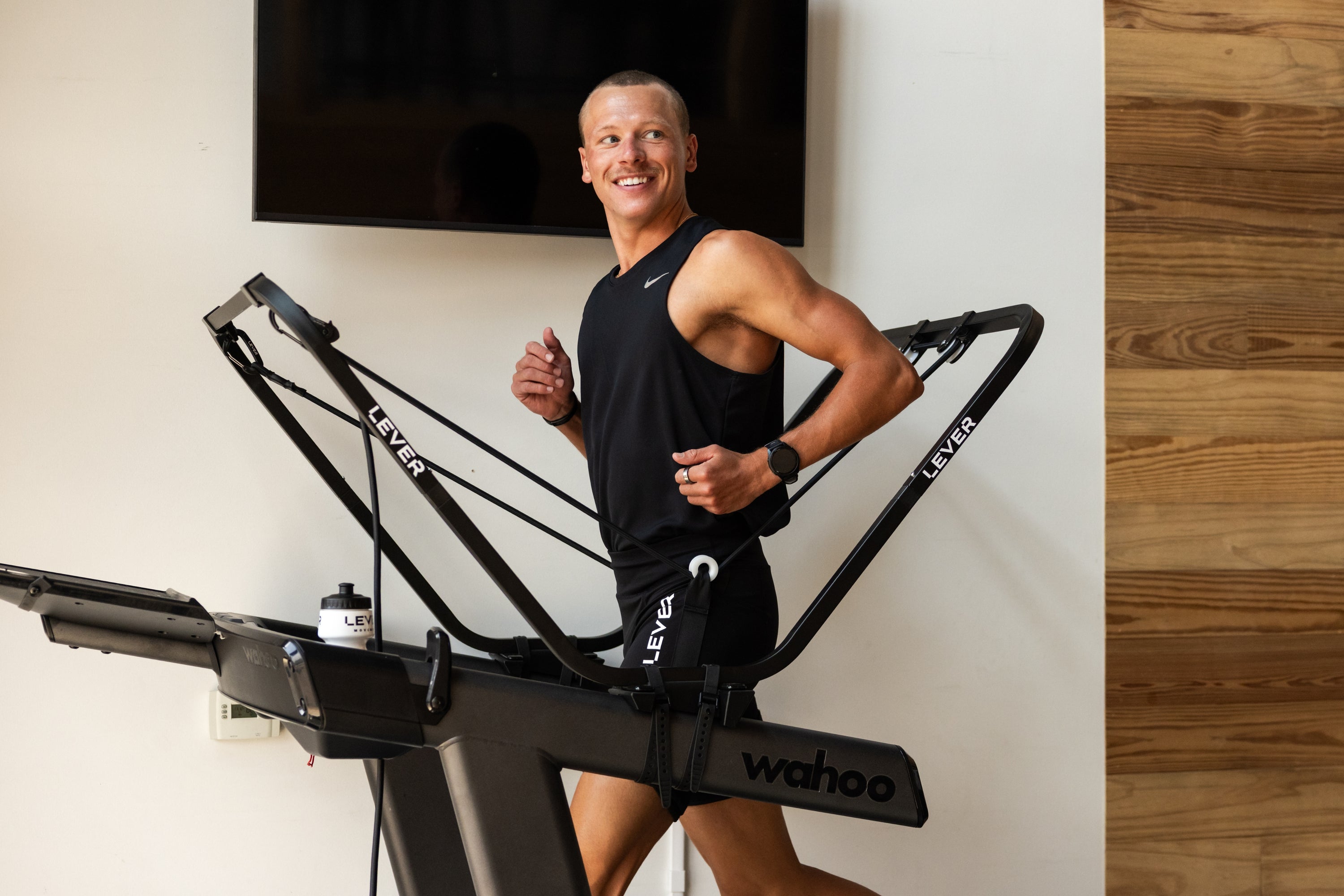
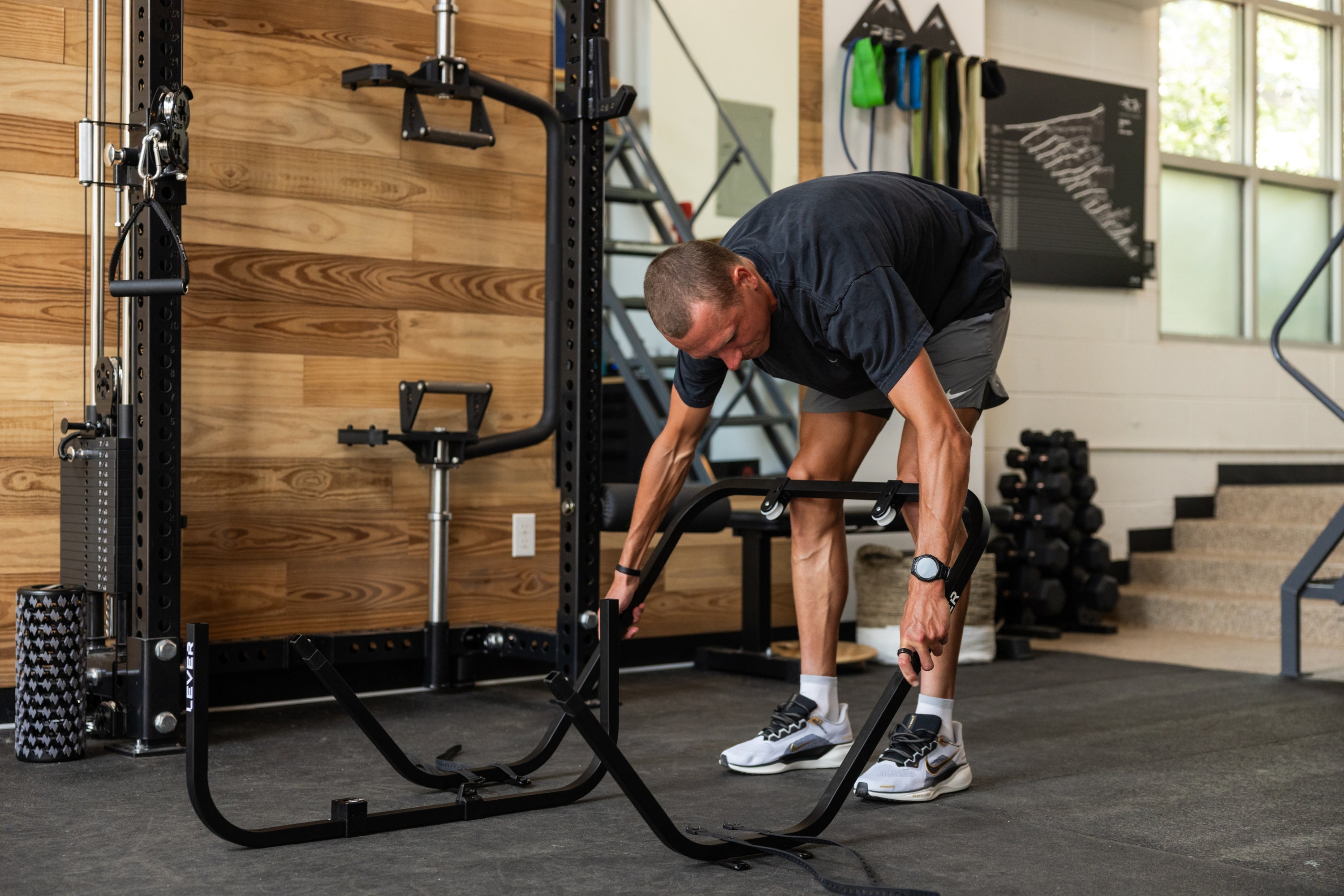
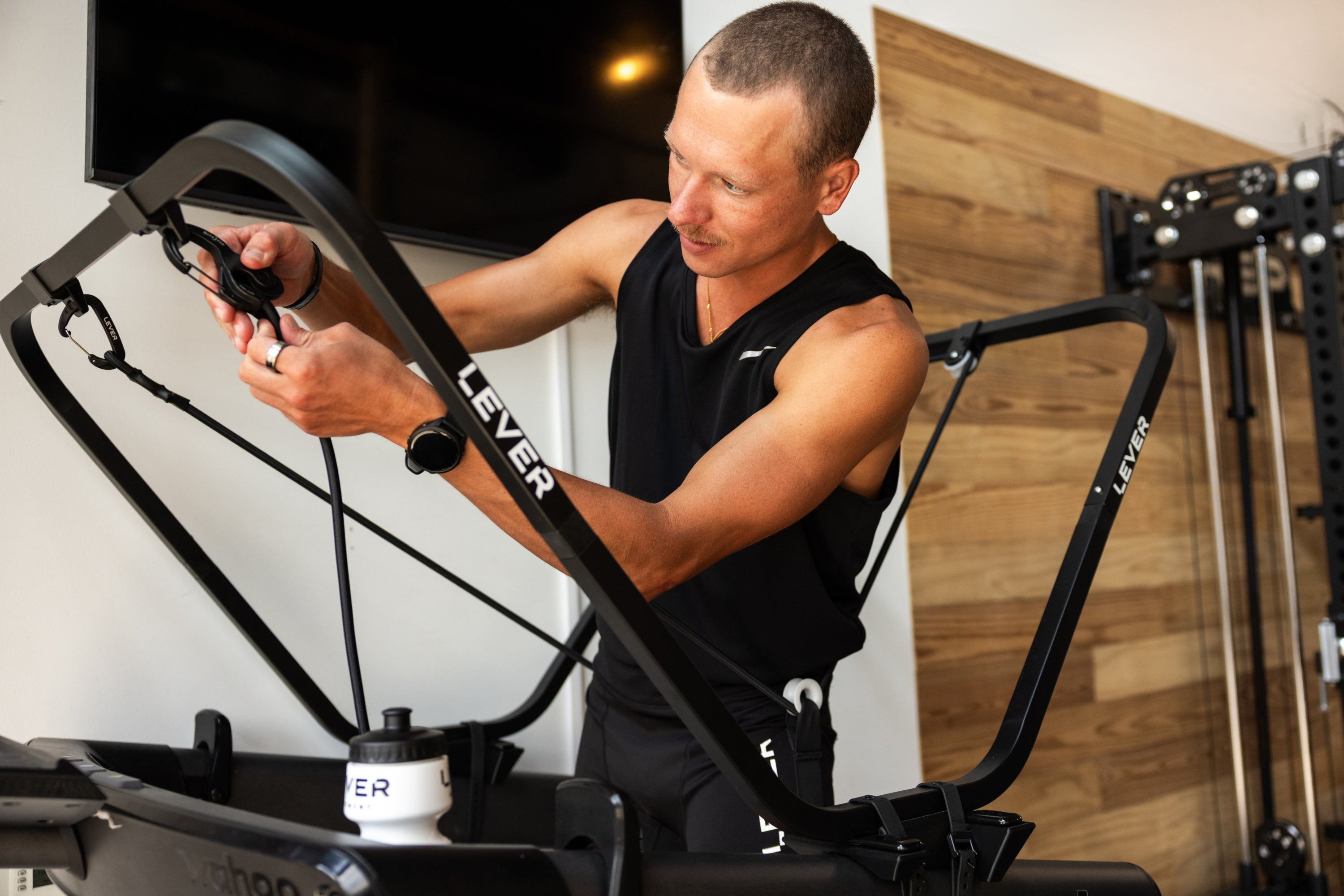
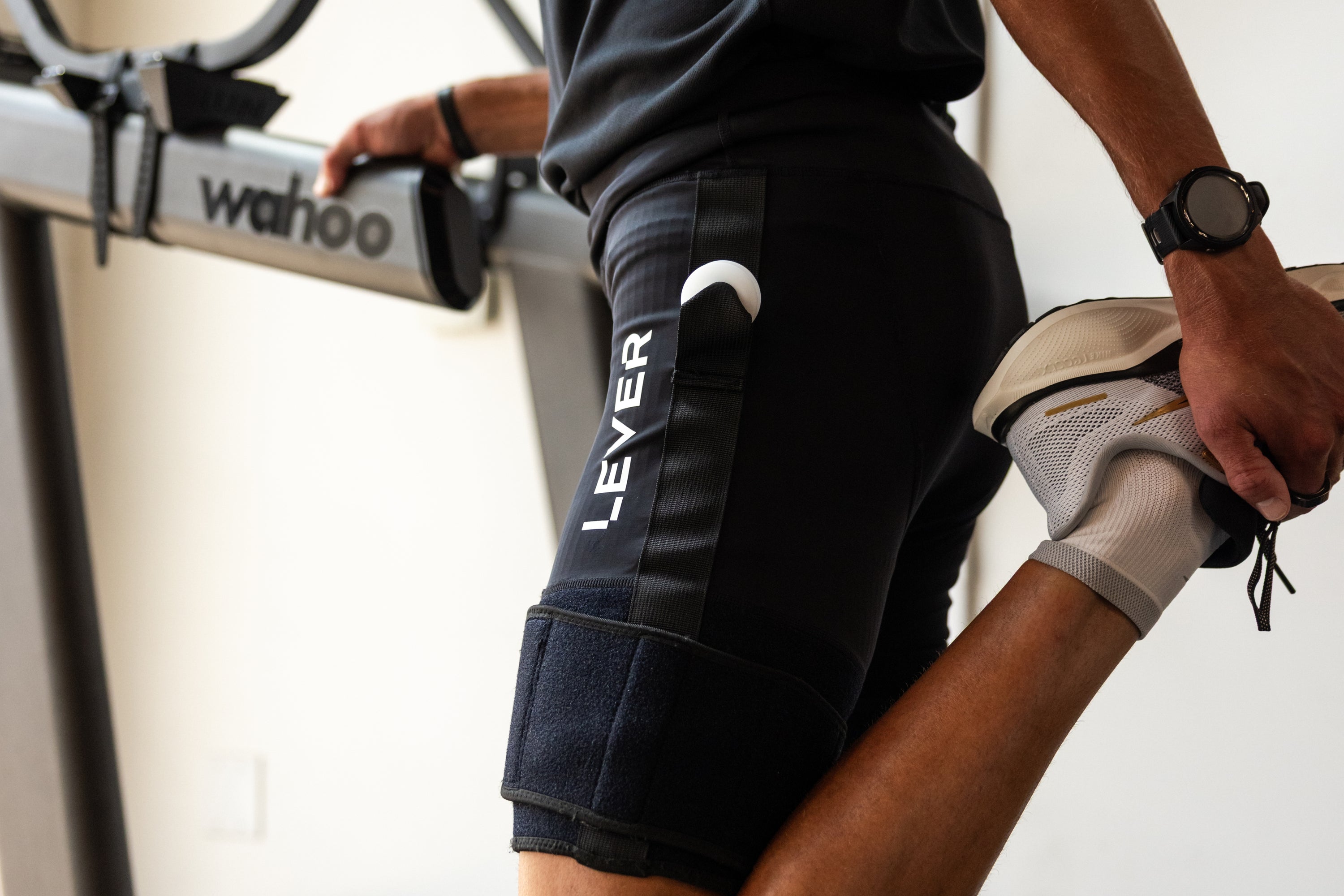
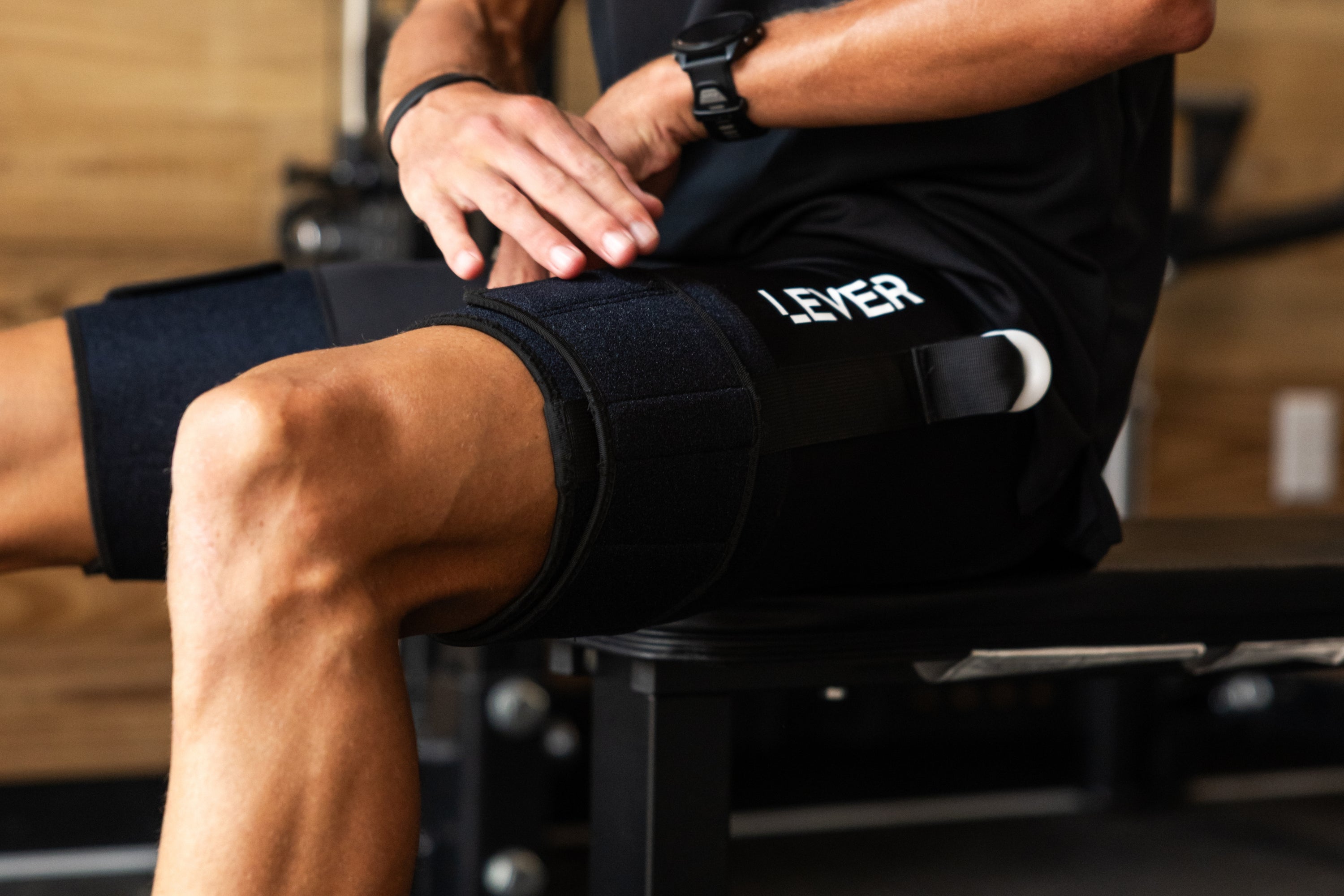
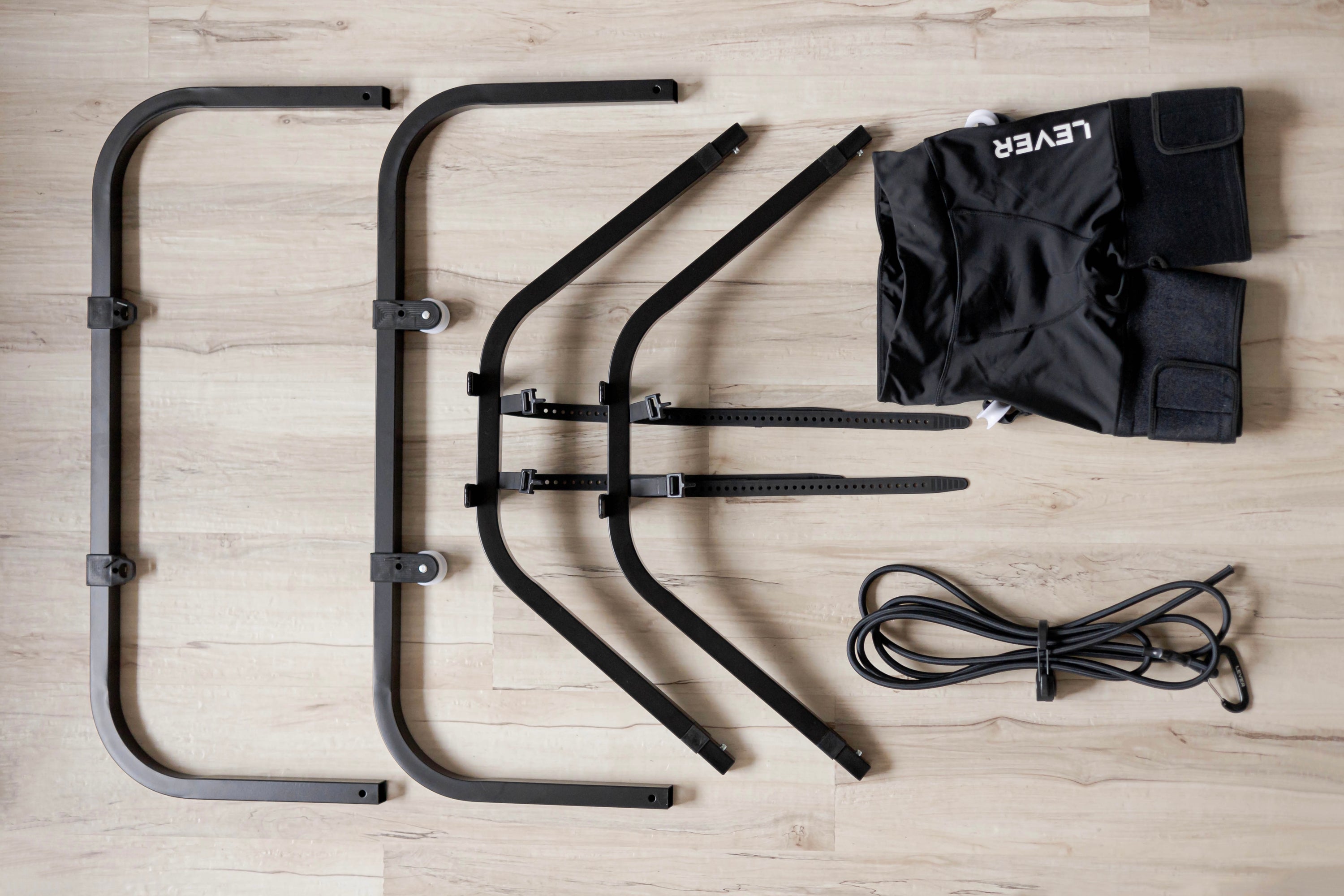
LEVER takes up to 45 lb off your body weight on the treadmill you already own, so you can rebuild your running at a load your body can handle.
Shop LEVER UP+ Scale
5How LEVER Helped Him Come Back
The first time, LEVER was part of his return, until he stopped using it too early. The second time, his whole team got more careful.
"I just am stubborn and I thought, you know, hey, no, like things are feeling really good, I'm getting fit, like I don't need to keep doing this... the second time... the whole group became a lot more intentional."CONNER MANTZ
1Run before the groundMost of the comeback happened on LEVEROn the second return, LEVER came first. He did most of his early running on it before he really started running on the ground."It was just kind of like the lever was what we did."
2Speed without the poundingWorkouts at 4:20 pace, before he could do them outsideHe did his first few workouts back on LEVER. With some body weight off, he could run paces he couldn't yet handle outside."I can run 4:20 pace and maybe not at full body weight, but my legs can move that fast and I think getting that muscle memory back was important for me."
3ConfidenceProof he could still run fastHe estimates his LEVER workouts were about 30 seconds a mile faster than he could have run outside at the time. That mattered mentally."...a lot of it was just to get like that, yes confidence back of okay, I know I can, I can run fast..."
4FormWaking his stride back upAfter months off, he says your form just isn't as good. The biomechanics professor he runs with complimented how good he looked coming back."...when you're coming back from injury, especially a long injury, the muscle memory kind of takes a little bit to wake up and your form just isn't as good."
Where LEVER fits now. Once he was back, he and his coach made it a standing part of his week.
"...we'll do two runs on the lever each week and we'll do those as doubles when I get to my like high mileage."CONNER MANTZ
He's stuck with it. His coach still checks in on it, and Conner has the receipts:
"...He's like, "Make sure you're doing the lever this week." And I'm like, "Coach, I've done it twice a week every week since... May or whenever I started getting back into it.""CONNER MANTZ
When he was running once a day
RUN 1GROUNDRUN 2LEVERRUN 3GROUNDRUN 4GROUNDRUN 5LEVERRUN 6GROUND
Two of his six runs were on LEVER. As his mileage grew, those became doubles.
"...emotionally it's easier to get on it... than go for like a run outside when the weather's bad."CONNER MANTZ
Real examples
5 ways Conner has used LEVER
EASY DOUBLE
The at-home afternoon run
His go-to LEVER run
About 5 milesAround 6:00 per mileA little body weight offAt home, music on
"...if I'm going five miles, it's only 30 minutes."
BAD WEATHER
Start on LEVER, finish outside
A pouring-rain Monday
About 6.5 miles on LEVERThe rest outside to make about 9Dark, cold rain made the call easy
Most of the miles done indoors, the rest outside.
COMEBACK WORKOUT
Speed before the ground
His first workouts back
Around 4:20 per mileWith some body weight offAbout 30 sec/mile faster than he could run outside then
"...my legs can move that fast and I think getting that muscle memory back was important for me."
RETURN TO RUN
LEVER first, ground second
His second comeback, spring 2026
Most early runs on LEVERGround running added graduallyThen 2 runs a week on LEVER, every week
"It was just kind of like the lever was what we did."
LESSON
When something feels off
The week before injury #2
His morning run didn't feel greatHe moved his second run to LEVERIt turned out to be a stress fracture
"...I'll just do my second run on the lever not thinking much of it." LEVER lowers the load. It can't tell you what's wrong. If pain keeps building, get it checked.
6Rethinking the Big Workout
His last workout before the second fracture was a big one: 4 x 3 miles, run a bit slower so his coach would let him do four instead of three.
"I was like, this is great. Like I'm, I'm getting there. I'm fit. And then I was injured the next day."CONNER MANTZ
Since then, he and his coach have talked about whether the same work could be split up, with less load in one hit.
"...what it would have been better to do two by three mile in the morning and then two by three mile in the afternoon or something of the sorts. And so we're doing maybe one of those sessions on the lever, which we, which we've talked about..."CONNER MANTZ
Learn moreSplitting the load: the idea behind doublesBreaking one big session into two smaller ones (sometimes called a double threshold day) can let you do similar quality work with less stress in a single dose. At LEVER, we're seeing more athletes do the second session with body-weight support to keep the turnover while cutting impact.•Same total work, smaller doses•More recovery time between the hard parts•Advanced tool: best for experienced runners with a coach. Most runners don't need it
7What Every Runner Can Learn From Conner's Comeback
Feeling fresh isn't being recovered
Your body still ran a marathon. Ease back in.
Don't push through bone pain
Pain that keeps getting worse needs a doctor and a scan, even if an early one came back clear.
More isn't always better
Three hours of swimming a day slowed his healing. Sometimes rest is the work.
Don't drop your support too soon
He stopped using LEVER once he felt healthy. The second time, he kept it in his week.
Quick answers
When should I get pain checked for a stress injury?
If pain is in one spot, keeps getting worse with running, hurts when you hop, or starts showing up when you walk or at night. Stop running and see a doctor or sports physio.
Can body-weight support help me come back?
It can let you run sooner, at a lower load, while you rebuild. Use it with your doctor or PT's OK and a clear plan for how you'll progress back to full body weight.
How soon can I run after a marathon?
Easy running in the first week or two is common for experienced runners if you feel good, but keep it short and easy and build back gradually. Conner's lesson: don't jump straight back to big mileage.
General information, not medical advice. Talk to your doctor or physio about your own injury.
Next in the series
Part 3: Healthy again, and his build for New York
His biggest workouts, how LEVER fits his week now, and what he's going for on November 1.
More miles. Faster recovery. Fewer setbacks.
Shop LEVER