Training + Recovery — LEVER Movement
Why summer running is harder than it looks and how to keep training through it without burning out or breaking down.
You head out for what should be an easy run. The pace feels harder than it should. Your heart rate is higher than usual. You finish feeling more wrecked than the workout warranted. You're not losing fitness. It's the heat.
Summer has a way of humbling runners. Paces that felt comfortable in April suddenly feel like race effort. Recovery takes longer. The motivation to push through a hard workout evaporates somewhere around mile two. And the frustrating part is that none of it means you're out of shape.
It means your body is dealing with a load it wasn't dealing with in cooler months and if you don't account for that, the heat doesn't just make training harder. It makes injury and burnout significantly more likely.
Why heat makes running so much harder
When your core temperature rises, your body's first priority is cooling down not running fast. Blood gets diverted from your working muscles to your skin so heat can be released. Your heart rate climbs to compensate for the reduced blood flow to your legs. Your perceived effort spikes even at paces that would normally feel controlled.
The physiological cost is real. Research shows that VO2 max can drop by 5 to 10 percent in hot and humid conditions. That's not a minor inconvenience it's the equivalent of a meaningful fitness setback, happening every time you step outside in peak summer heat.
Worth knowing
Your pace isn't the problem
Running slower in the heat isn't a sign of weakness it's accurate self-regulation. The athletes who struggle most in summer are usually the ones who refuse to adjust. They chase the same paces, accumulate more fatigue than their body can absorb, and end up injured or overtrained by August.
The smarter move is to treat heat as what it actually is: an additional training stress. And like any stress, it needs to be accounted for in how you load your body across a week of training.
Load management isn't just for injured runners
Load management gets talked about most in the context of injury reducing stress on an Achilles tendon, coming back from a stress fracture, working around knee pain. But the principle applies just as much to healthy athletes training through conditions that increase physiological demand.
In summer, your body is carrying more stress than the numbers on your training log reflect. The mileage looks the same. The pace targets look the same. But the actual cost to your system is higher because heat, humidity, and the cardiovascular strain of thermoregulation are all adding load that doesn't show up in a workout file.
Managing that load doesn't mean running less. It means being deliberate about where the stress goes, and using every tool available to keep training quality high without letting cumulative fatigue tip into breakdown.
"It's not about doing less. It's about being smart about where the stress goes so you can keep showing up for the sessions that matter."
— A principle that applies as much in July as it does during injury rehab
Five ways to train smarter this summer
None of these are complicated. But consistently doing them is the difference between athletes who come out of summer fitter and athletes who limp into fall carrying a nagging injury they picked up in July.
01
Run by effort, not pace
Your GPS watch doesn't know it's 88 degrees with 80 percent humidity. Your body does. On hot days, ditch the pace targets and train by feel or heart rate instead. The aerobic stimulus you're chasing comes from effort and in the heat, that effort costs more. Give yourself permission to slow down and you'll often find the workout does exactly what it was supposed to do.
02
Move key sessions indoors
Quality workouts intervals, tempo runs, anything where pace and mechanics matter are often better done on a treadmill during peak summer heat. A controlled environment removes the thermal stress variable and lets you actually hit the stimulus you're going for. It's not a compromise. It's just making the workout work.
03
Reduce impact when heat stress is high
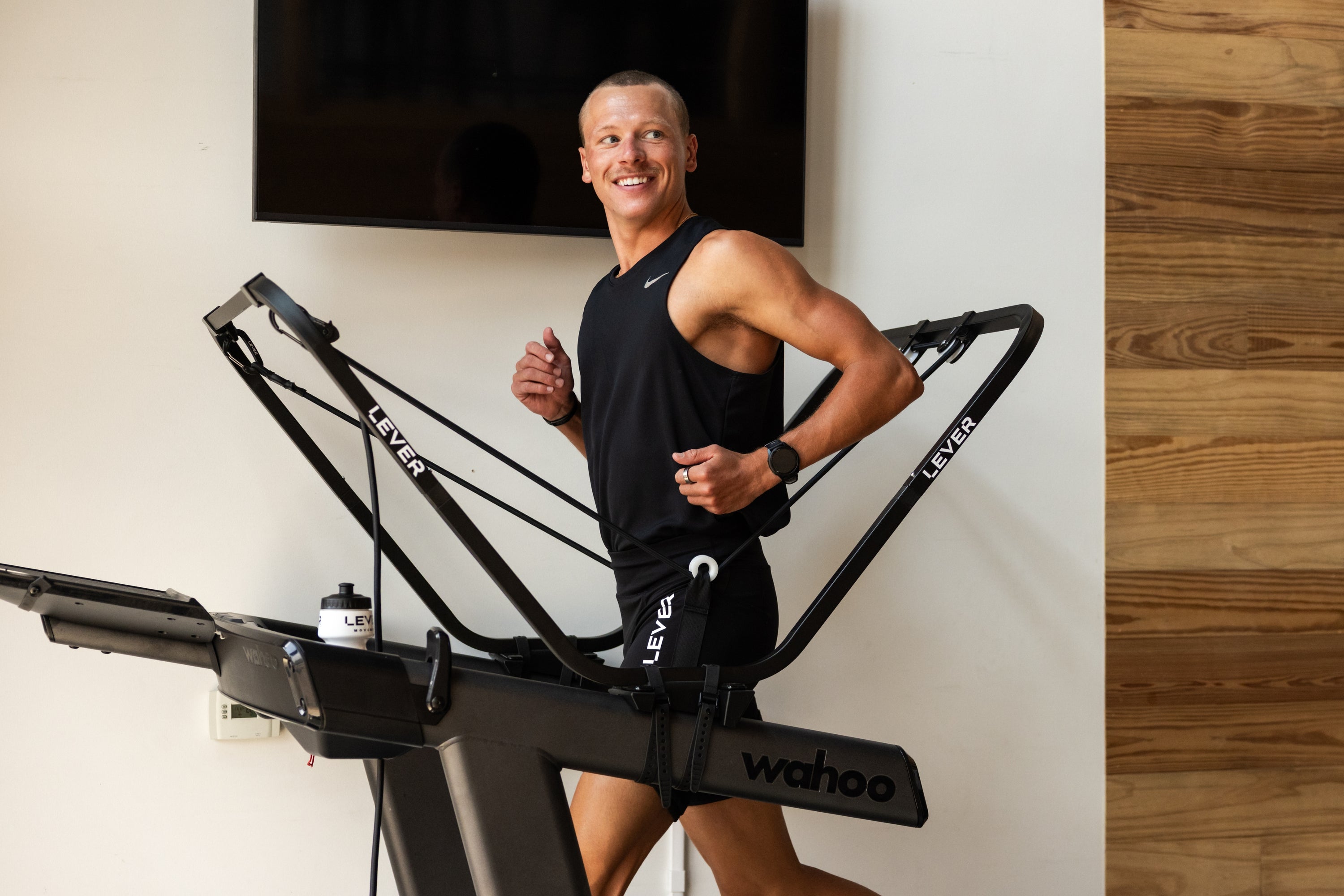
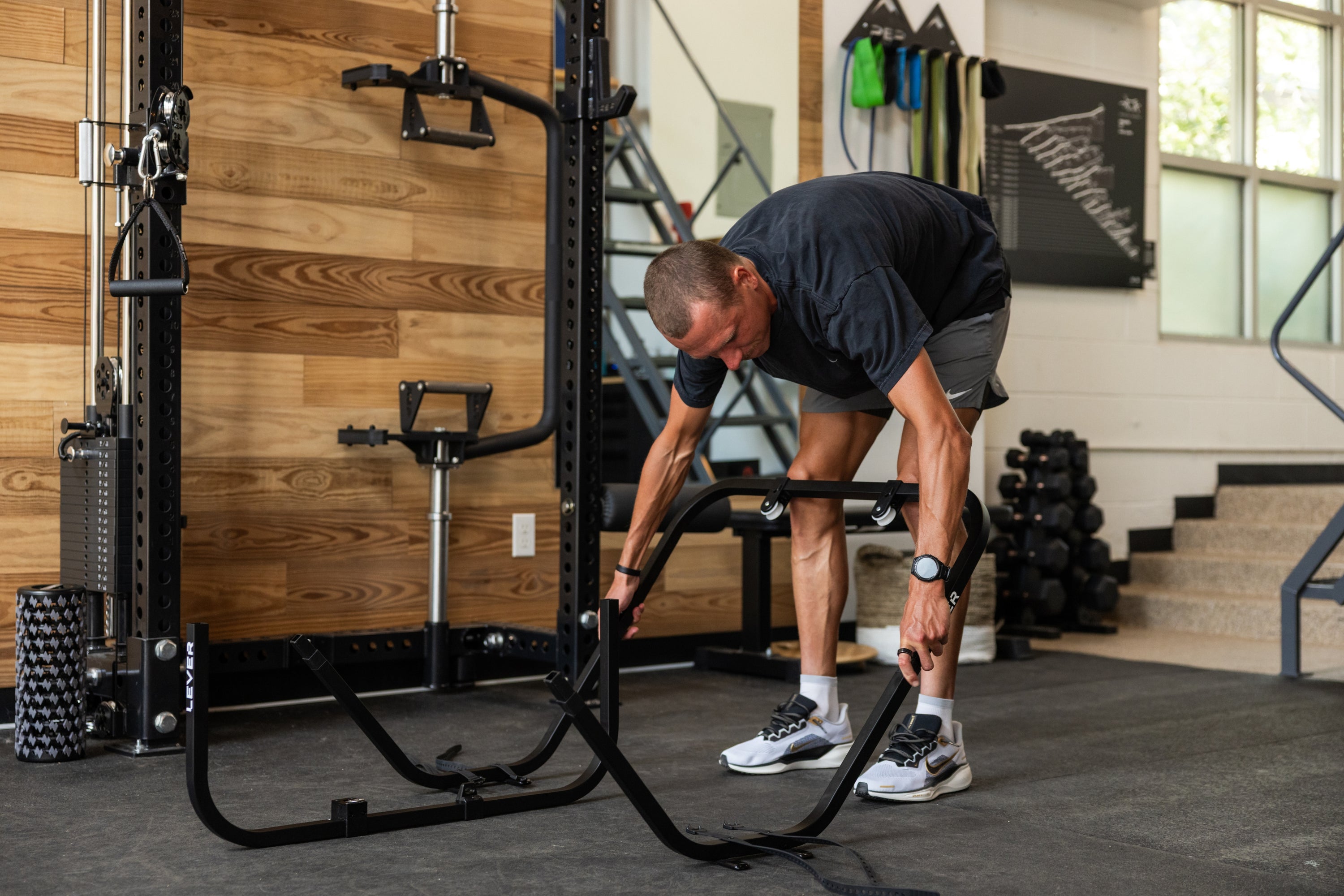
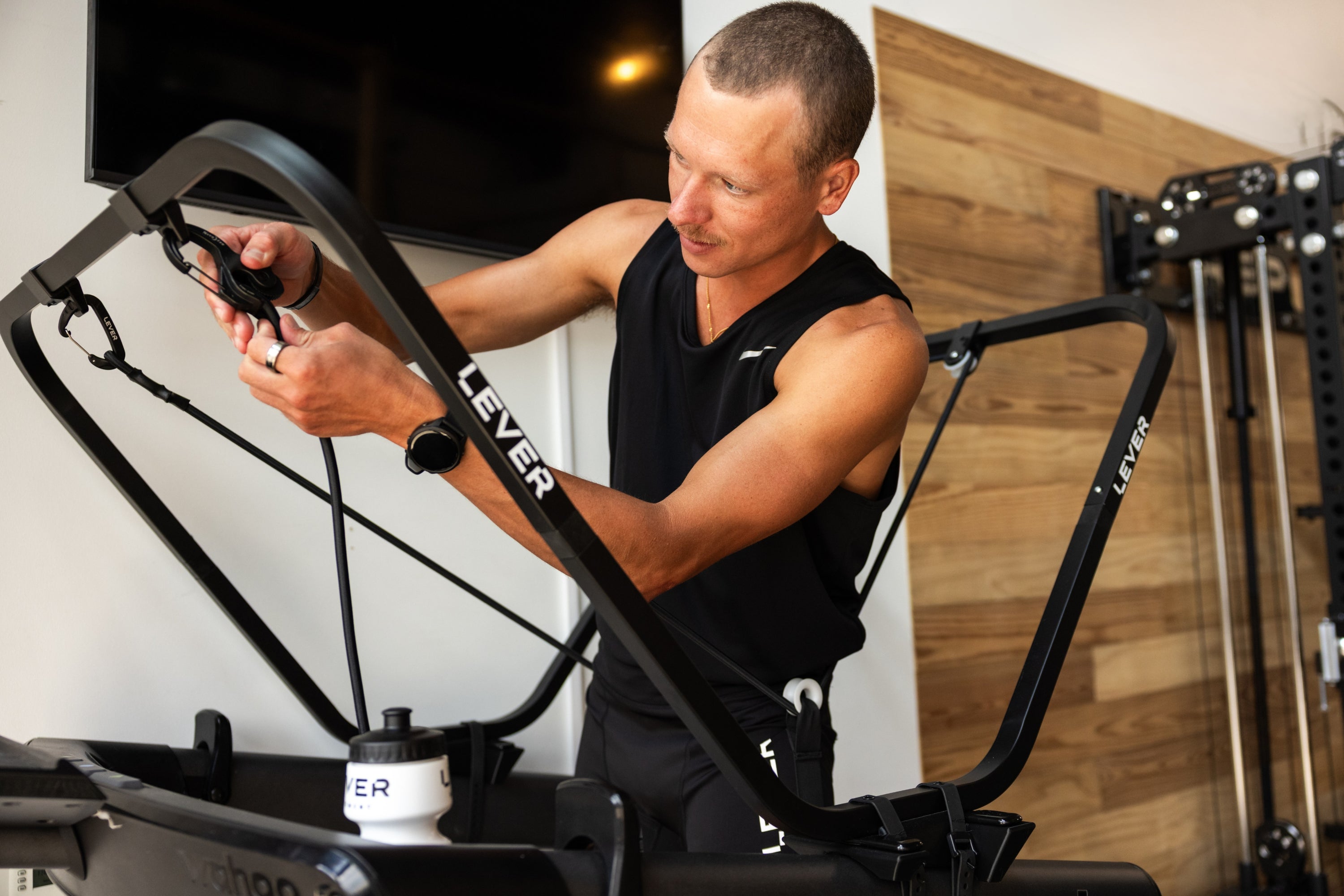
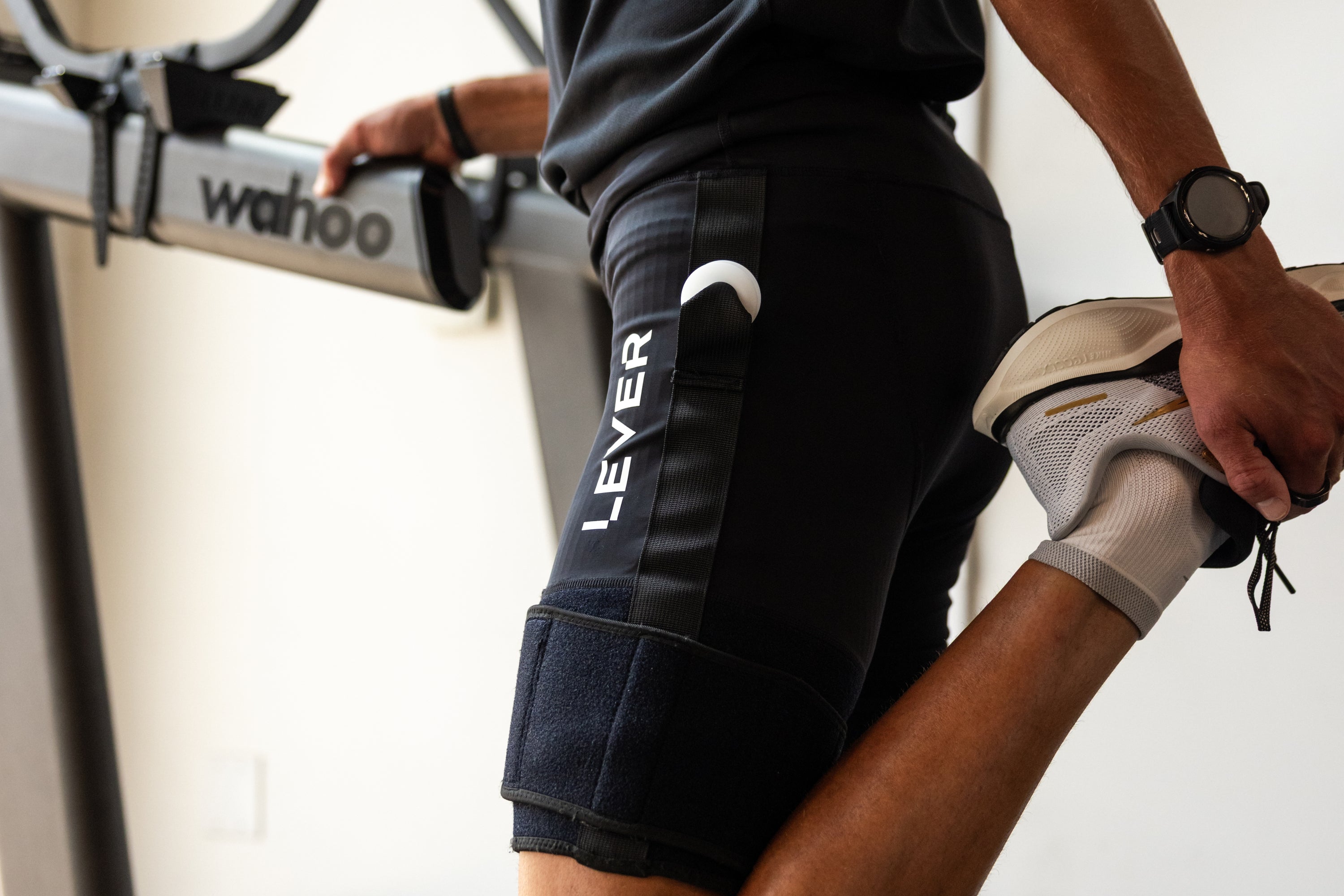
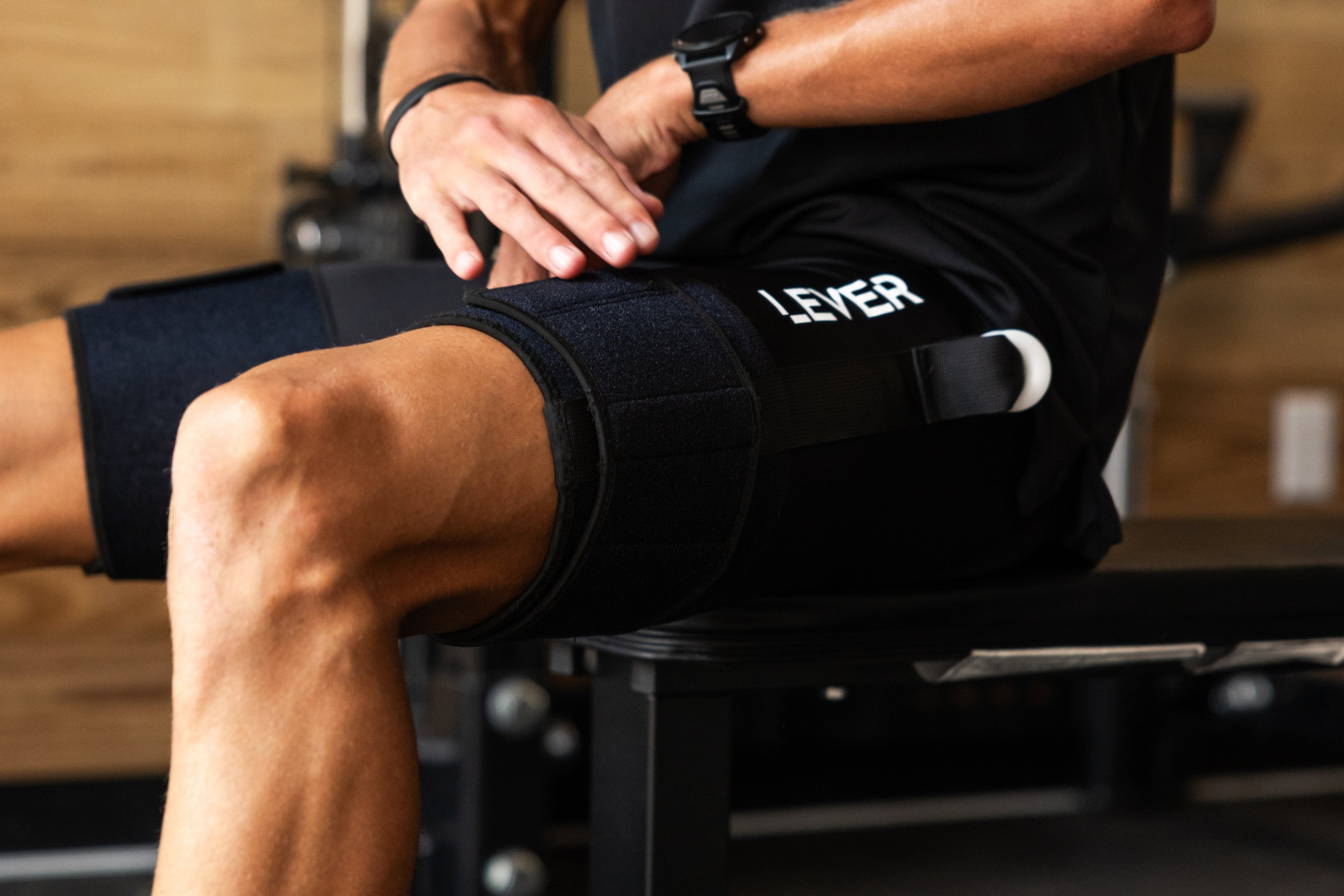
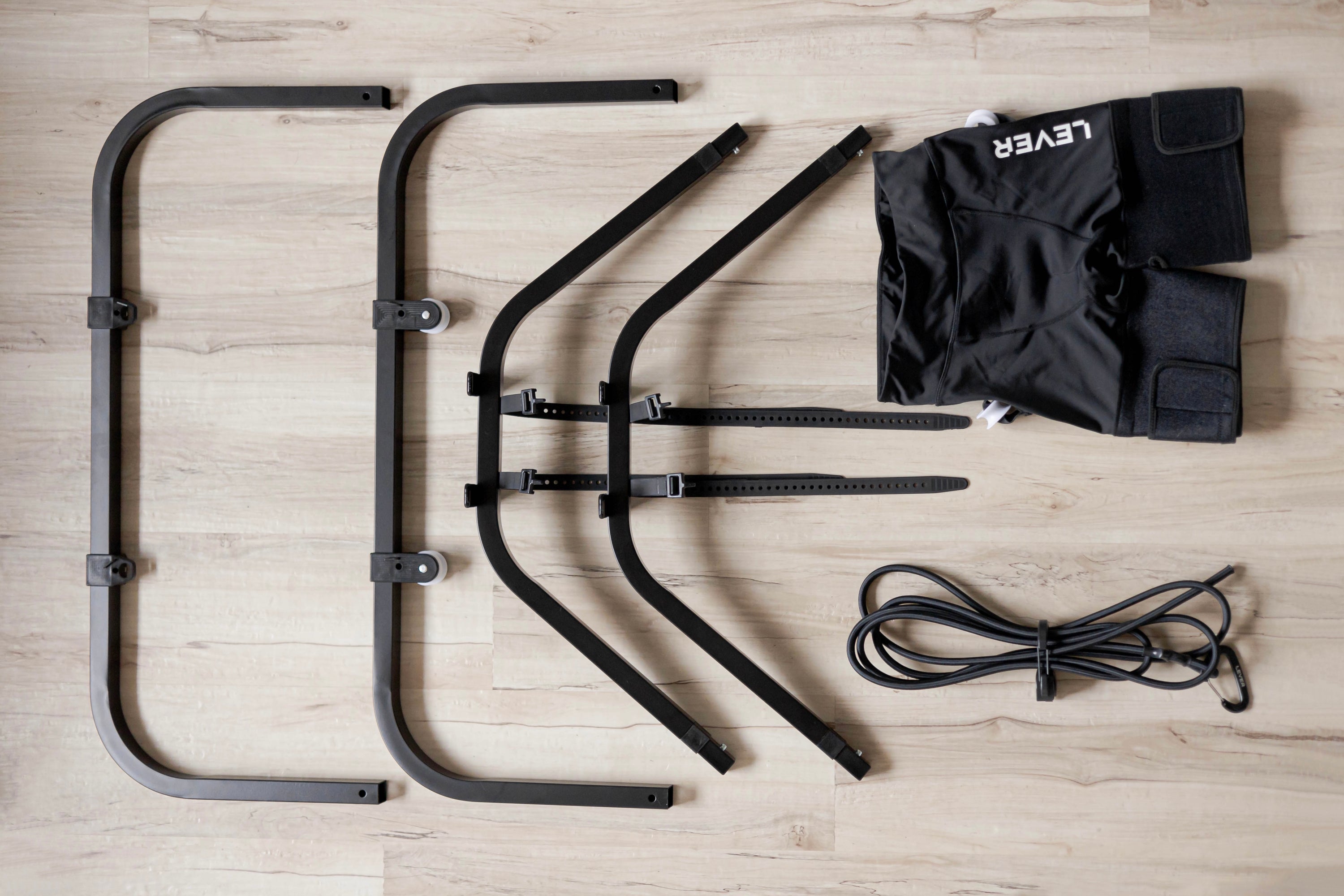
On days when heat, humidity, and accumulated fatigue are all elevated at once, reducing impact load is one of the most effective ways to keep training without tipping into overreach. LEVER removes up to 45 lbs of body weight while keeping your running mechanics completely intact same stride, same cadence, same neuromuscular patterns, just less stress on your joints, tendons, and nervous system on the days your body is already working harder than usual to stay cool. The aerobic work still happens. The wear doesn't accumulate the same way.
04
Hydrate smarter, not just more
Drinking more water is the obvious move in summer, but it's only half the equation. Sweat contains electrolytes sodium, potassium, magnesium and replacing fluid without replacing those minerals accelerates fatigue and slows recovery. On high-sweat days, add electrolytes to your water and prioritize sodium intake around workouts. Dehydration by even a small percentage raises heart rate and makes an already hard day feel harder.
05
Take recovery as seriously as the workout
Heat training extracts more from your body than the same workout in cool conditions. That means recovery needs to scale accordingly. Cool down deliberately, prioritize sleep, and treat easy days as genuinely easy. The adaptation from hard training happens during recovery and in summer, that window often needs to be longer than you think.
The goal isn't to avoid hard sessions. It's to keep having them.
This is the part that gets lost in conversations about summer training. The athletes who come out of July and August in the best shape aren't the ones who trained the hardest through the heat. They're the ones who managed load well enough to keep stacking consistent, quality sessions week after week.
LEVER fits into that picture as a tool that creates margin on heavy training days, high-heat days, or any day when your body is carrying more stress than your training log reflects. Running with reduced body weight on those days doesn't mean backing off. It means keeping the stimulus while giving your tendons, bones, and joints a break they'll benefit from come fall.
The runners who peak in October aren't the ones who grinded through August at full intensity. They're the ones who were still running well in August because they didn't let the heat turn a training block into a breakdown.
"Train hard. Manage load. Stay consistent. The athletes who improve the most are often the ones who can string together the most quality training."
— LEVER Movement
Hot weather doesn't have to derail your training. It just requires a smarter approach to it. Adjust your paces, protect your recovery, reduce impact when the conditions demand it and you'll be grateful for it when race season comes back around.
LEVER helps runners train with less impact so they can run more, recover faster, and stay in the sport longer. Learn more at levermovement.com.