The Work Behind the Work · Kona 2026
Before Kona, Grace Thek told us how she kept running through a back injury that had followed her since 2024. Then she raced her first IRONMAN World Championship and finished 10th in the world.
We caught up with her after the race to hear how her back held up, how she used LEVER in the final weeks, and what she'd tell anyone racing their first world championship.
10th
IRONMAN World Championship
Kona debut
9:06:37
Finish time
swim, bike, run
3:02:41
Marathon
8th fastest pro women's run
0
Missed run days
from back flare-ups
1A Dream She'd Watched for Years
For Grace, Kona wasn't just another race. It was the one she'd grown up watching.
"It was surreal to race the world champs in Kona after watching it for so many years online. It has always been a dream to experience it & it lived up to the hype!"GRACE THEK
"I think it really hit me in the last 1-2km as I entered the town area enroute to the finishline. And of course, the finishline will go down as one of my most memorable!"GRACE THEK
2Her Race by the Numbers
Here's how her day added up, with where each split ranked among the pro women:
Swim57:1215th fastest
Bike5:01:0421st fastest
Run3:02:418th fastest
The run was her strongest leg by far. After 180 km on the bike, she ran the 8th fastest marathon in the women's pro field.
3Her Run, 5 km at a Time
Here's her pace for every 5 km of the marathon, from the IRONMAN tracker:
Grace's Kona marathon
Pace per km, every 5 km
Bars start at zero, so similar lengths mean similar pace. Shorter bar = faster.
0-5.1 kmat 21:104:09
5.1-10.5at 44:194:17
10.5-15at 1:03:524:21
15-19.8at 1:25:174:28
19.8-25.1at 1:48:194:21
25.1-30.5at 2:12:034:24
30.5-35.3at 2:33:324:29
35.3-40.3at 2:54:324:12
40.3-42.2at 3:02:414:18
4:09Fastest stretch
first 5 km
4:12Strong finish
35-40 km
4:20Average
3:02:41 total
Splits from the IRONMAN tracker, using the closest checkpoint to every 5 km. Pace is for each stretch.
Two things stand out. First, her two halves were almost identical, about 1:31 each (estimated from the nearest tracker checkpoints). In the heat of Kona, many athletes slow down a lot in the second half. Grace didn't.
Second, look at 35-40 km. After her slowest stretch, she ran her second-fastest 5 km of the day, right as she headed back into town, the moment she says the race "really hit" her.
4How She Kept Her Back Healthy All Season
Grace's back flared up earlier this season, and she managed it right up to race day. By Kona, she knew exactly what kept it settled.
"My back held up well in the race. I had been managing it all season & by the time Kona rolled around, I had a good idea of what worked to keep it settled."GRACE THEK
Here's the toolkit she described:
1Regular soft tissue workKeeping the muscles around her back from tightening up.
2Strength workEspecially core.
3Avoiding prolonged sittingLess time in one position.
4Mixing up her ridingAlternating time trial and road bikes, and riding both outdoors and indoors. Her flare-up first started from riding only indoors on her TT bike.
5Breath workAnother piece of her routine to keep her back settled.
6LEVERTo manage load and any flare-ups, so she never had to miss a run day.
The takeaway
A nagging injury rarely has one fix. Grace stacked small habits, from strength work to changing up her bike position, and used reduced-load running so a flare-up never cost her a run.
Train like Grace
Manage the flare-ups. Keep the run days.
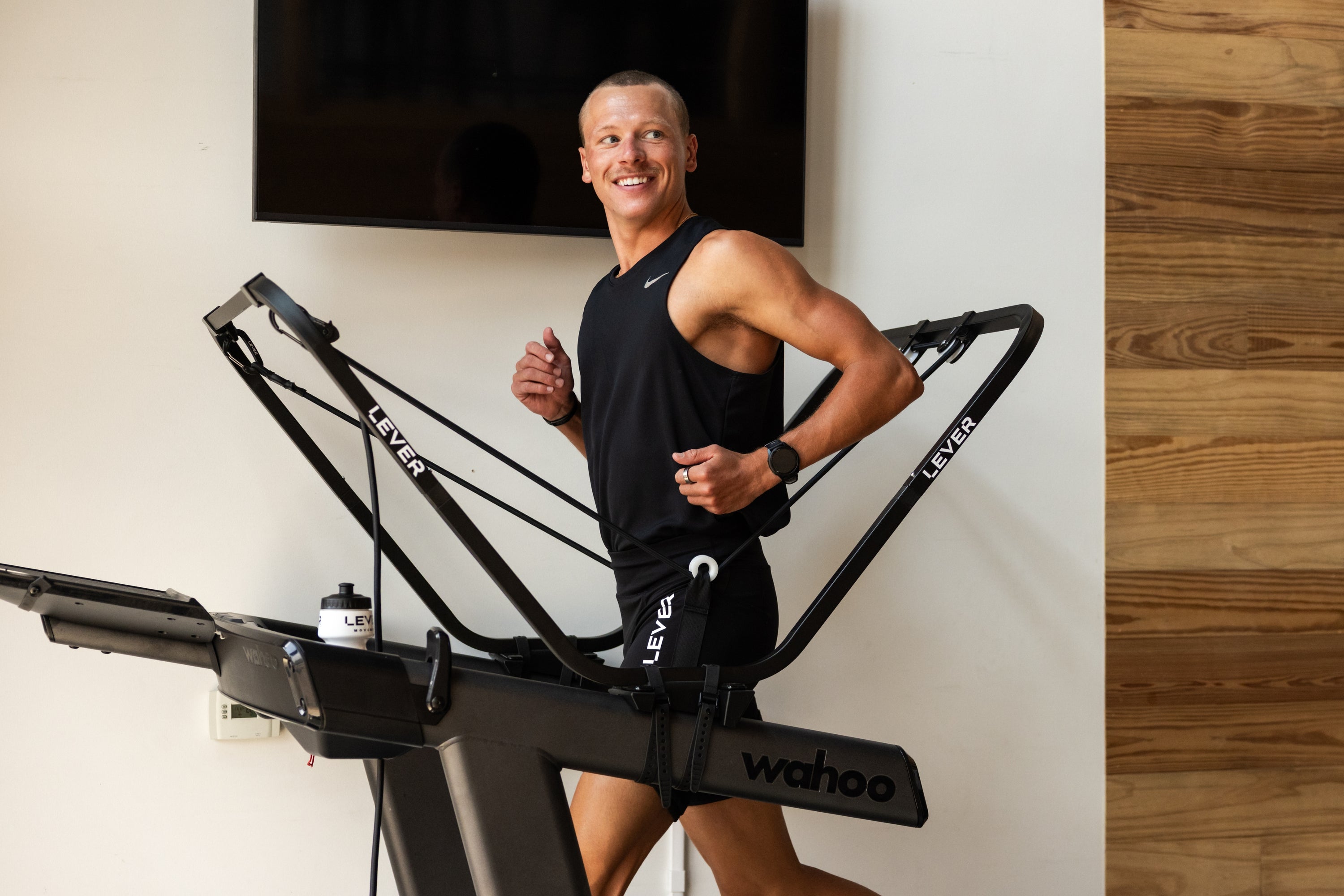
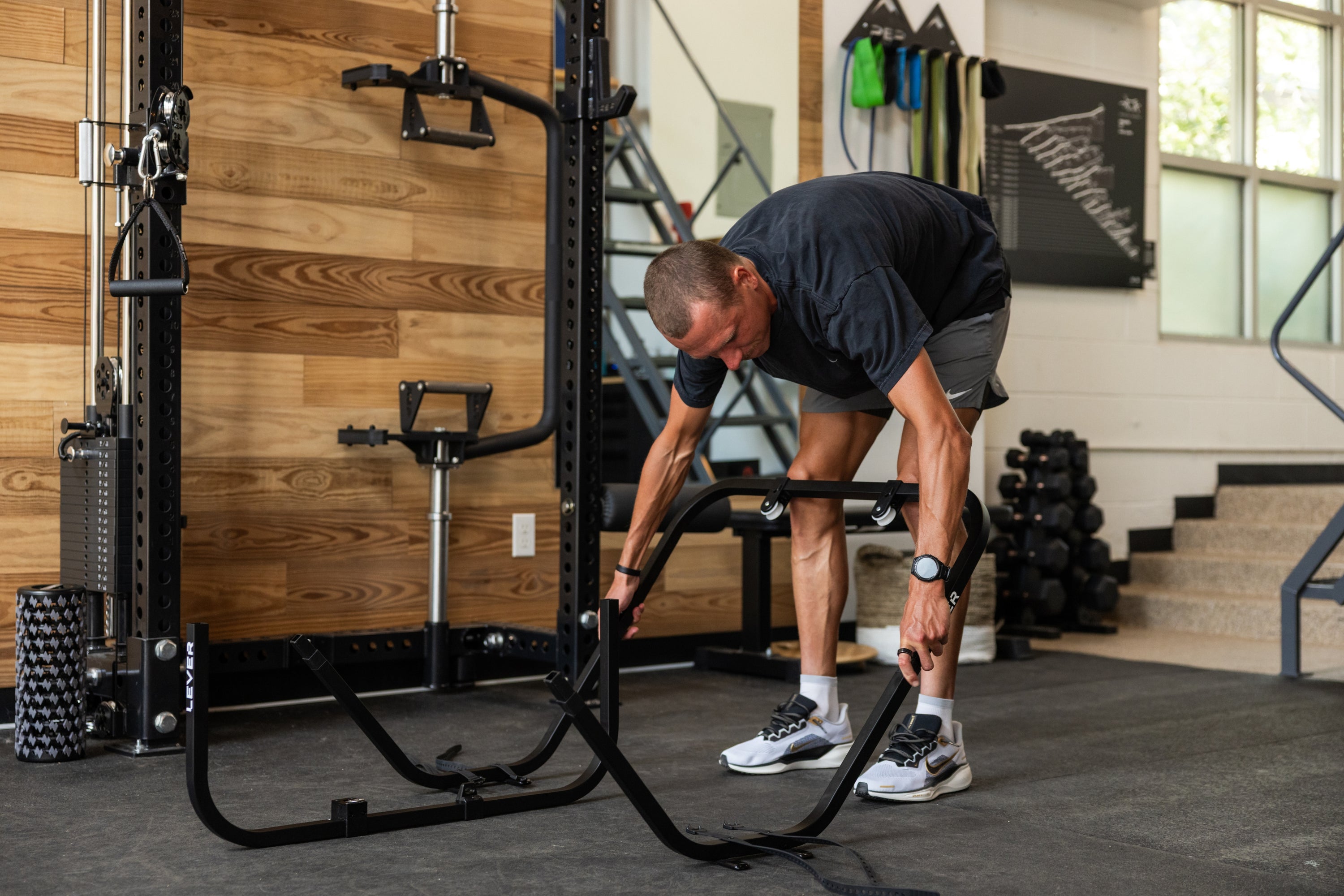
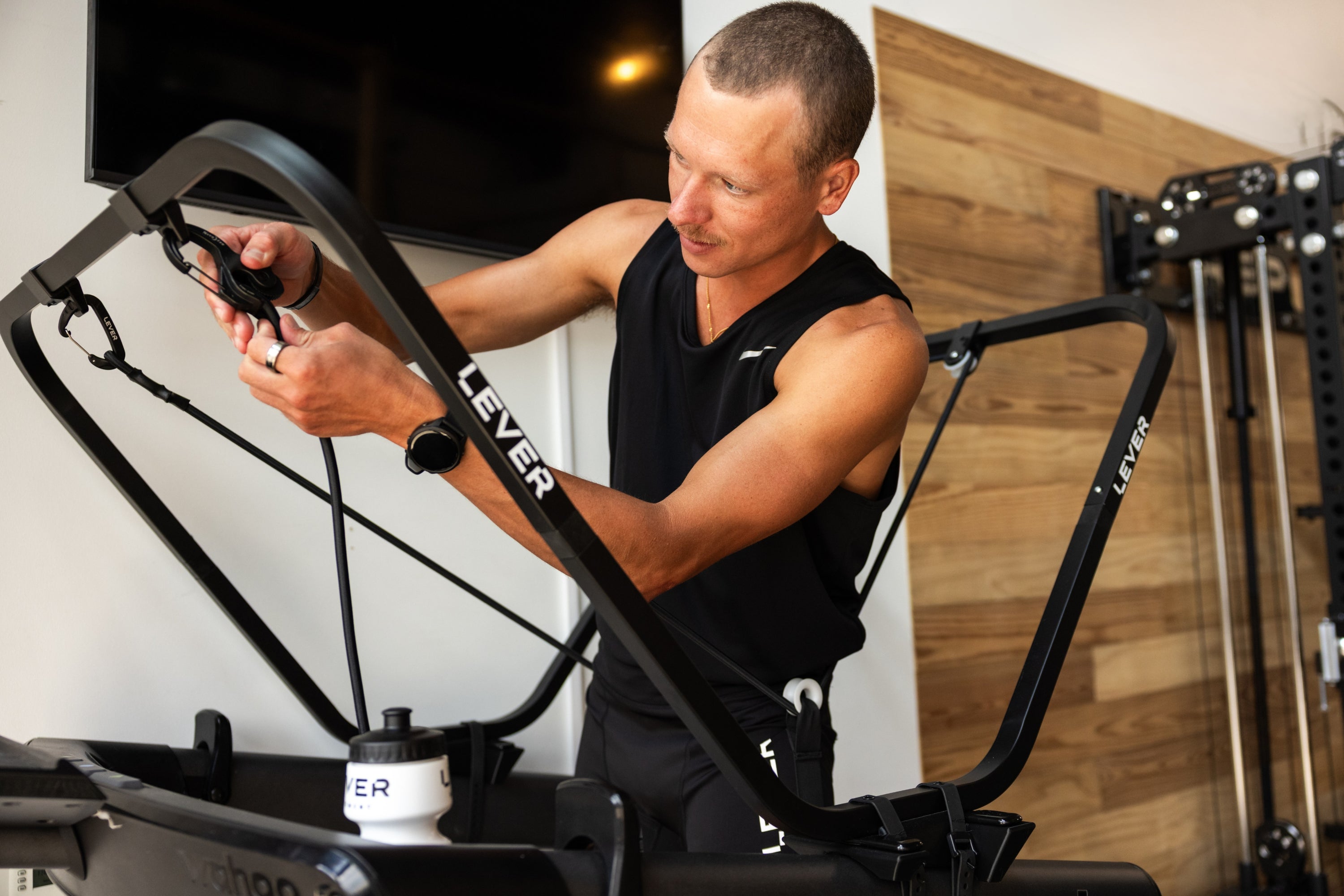
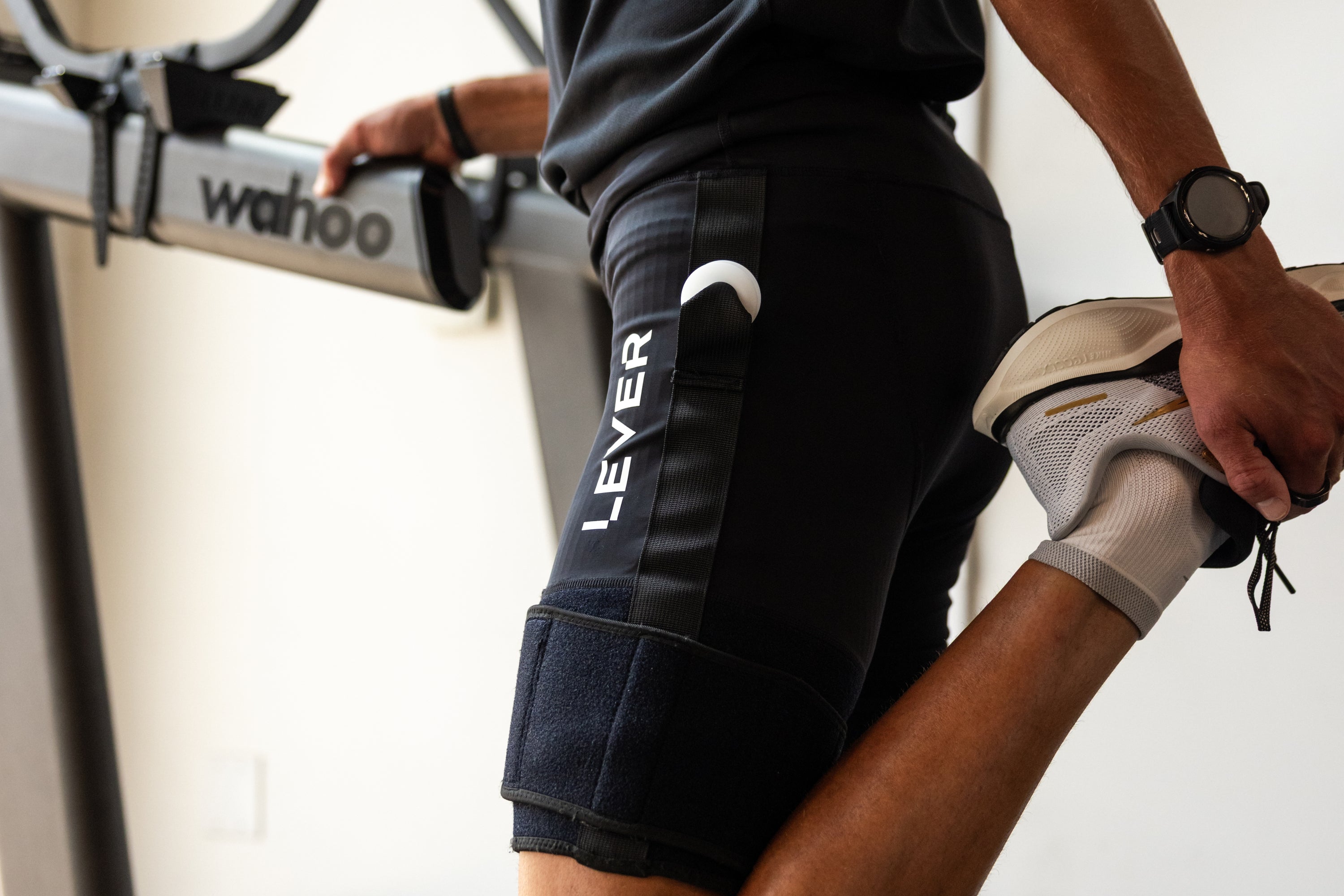
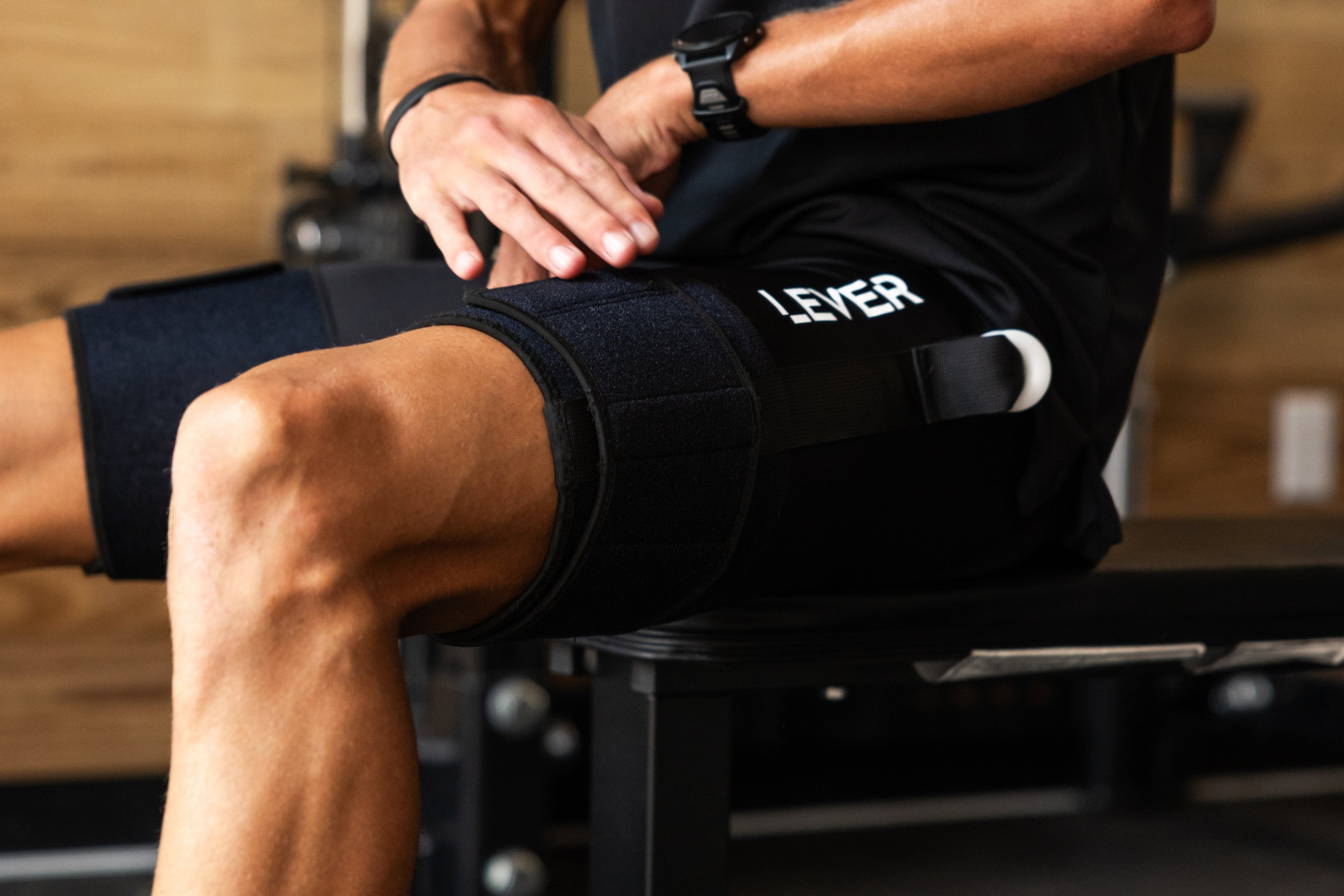
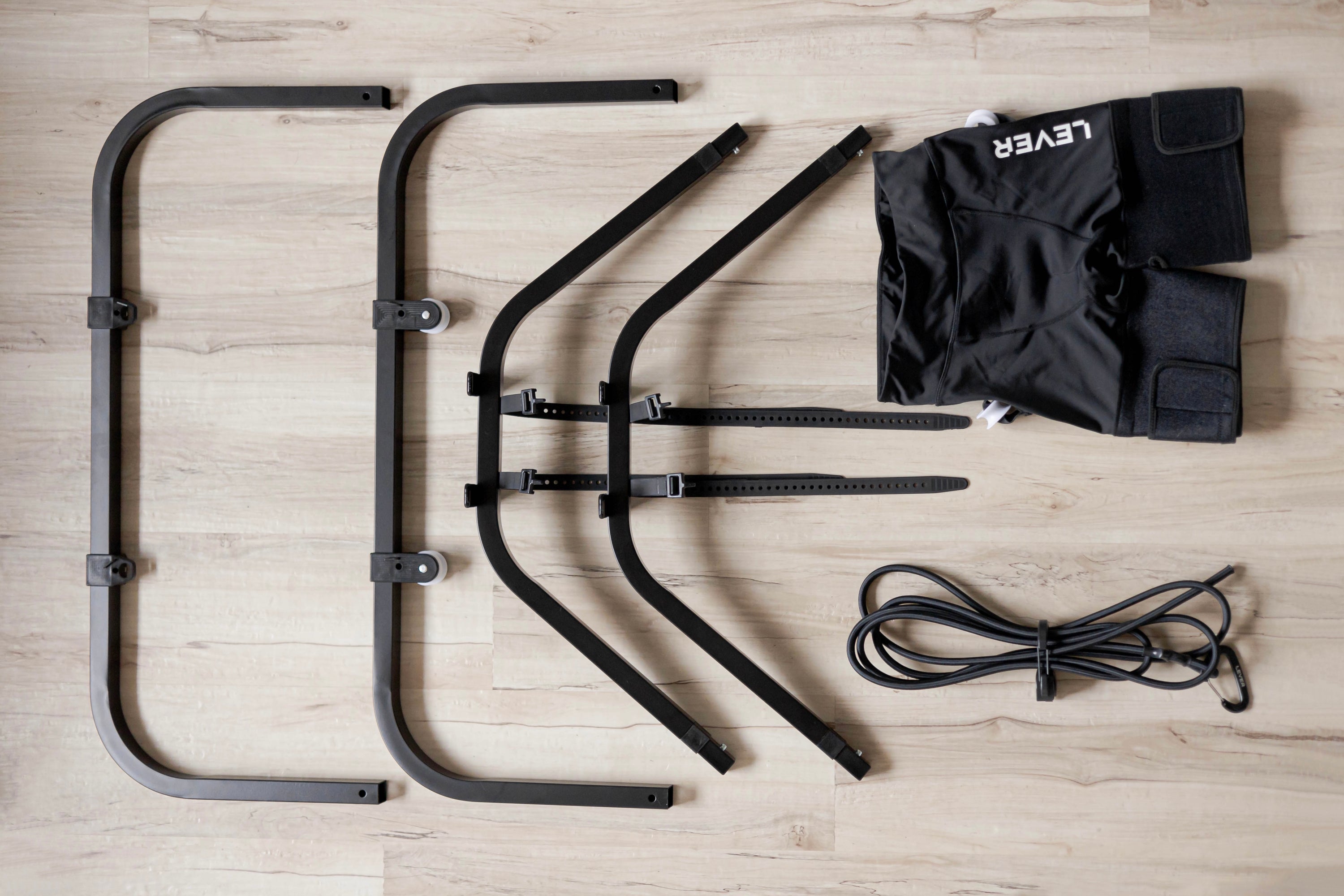
LEVER turns your treadmill into a body-weight support system, the same tool Grace used all the way to Kona.
Shop LEVER
5How Grace Used LEVER on the Road to Kona
How much Grace used LEVER changed with how her back was feeling. That's the point: it flexed with her.

Grace's LEVER playbook
Three phases, one goal: no missed runs
1When her back was at its worstMore time on LEVERBetween Oceanside and Lake Placid, when her back was flaring and causing pain down into her calf, she leaned on LEVER the most."...I spent more time between Oceanside and Lake Placid on the LEVER when my back was at its worst and I was getting referral pain into my calf."
2The Kona buildEasy jogs and double run daysIn the lead-up to Kona, she used it about once or twice every two weeks, running at 85-90% of her body weight."Used the LEVER for an easy jog or double run days (~1-2x fortnight) in the lead up to Kona, running 85-90% body weight."
3After the raceComing back from a breakUsually her first run after a race is on LEVER. This year she's taking two weeks off, then using LEVER as she returns to running."I will use the LEVER on my return to running after the break, as this is the time niggles tend to pop up for me!"
Notice the support she used: 85-90% of her body weight. That's only 10-15% off. Enough to take the edge off each landing, while still feeling like a real run.
6How to Use LEVER Like Grace
Here is a simple starting point for each of the ways Grace used it:
1Managing a flare-upBest for: a niggle that isn't settling
SupportStart with more support, enough that the run feels pain-free
SessionShort, easy runs
WhenInstead of a skipped run, once a clinician says running is OK
FocusKeep the habit of running while the area settles
2Double run dayBest for: adding volume safely
Support10-15% of your body weight off (Grace ran at 85-90%)
SessionAn easy jog as your second run of the day
WhenAbout once or twice every two weeks
FocusExtra time on your feet without extra pounding
3Returning after a breakBest for: the off-season or time off
SupportStart with some support and reduce it over a few weeks
SessionEasy runs as you rebuild
WhenYour first runs back
FocusThis is when niggles tend to show up, so build back gently
Pain that's getting worse?Get it checked. Reduced-load running works best alongside advice from a physio or doctor, like the soft tissue and strength work Grace did.
7Grace's Advice for Your First World Championship
"Above all: Embrace the experience! Remember that it's a huge accomplishment to make the start line for the world champs. The hard work is done so just go out there and give it your best! But also remember cooling, pacing and nutrition!!"GRACE THEK
Cooling
Stay cool from the start
Ice, water and sponges at every aid station, before you feel hot.
Pacing
Hold back early
Grace's even halves show what a controlled start makes possible.
Nutrition
Fuel the whole day
Your run depends on what you take in on the bike.
8What Every Runner Can Learn From Grace
Stack small habits
Strength, soft tissue work, moving more and mixing up your training all add up.
Don't skip, adjust
On bad days, reduced-load running kept Grace running instead of resting completely.
Pace for the second half
Even splits beat a fast start, especially in the heat.
Watch your comeback
Returning after time off is when niggles show up. Build back gently.
Read Grace's pre-race story →
More miles. Faster recovery. Fewer setbacks.