When you're hurt, the hardest gap to cross is the one between "no running" and "full running." Rest too long and you lose fitness and strength. Go back too soon and the injury comes right back.
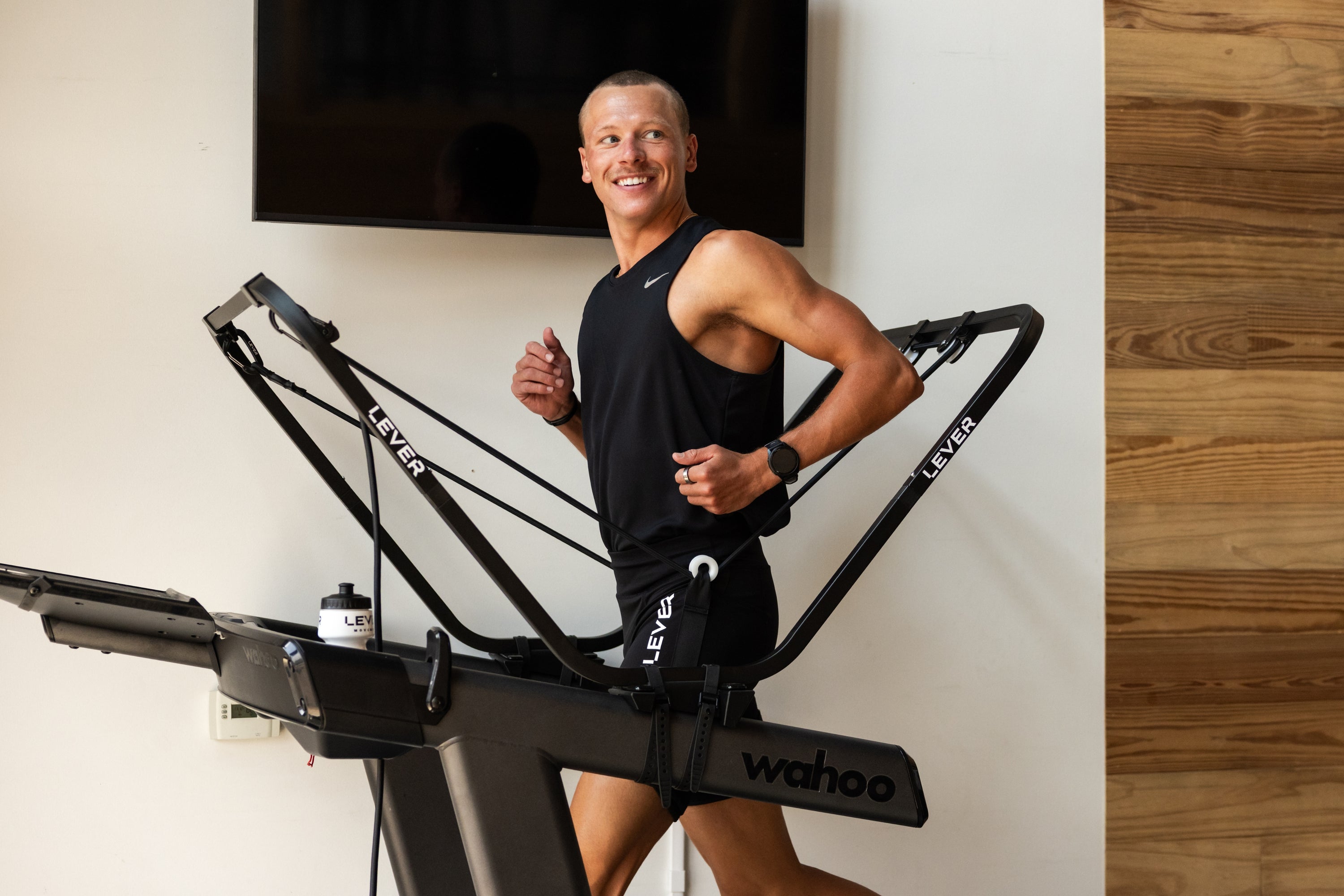
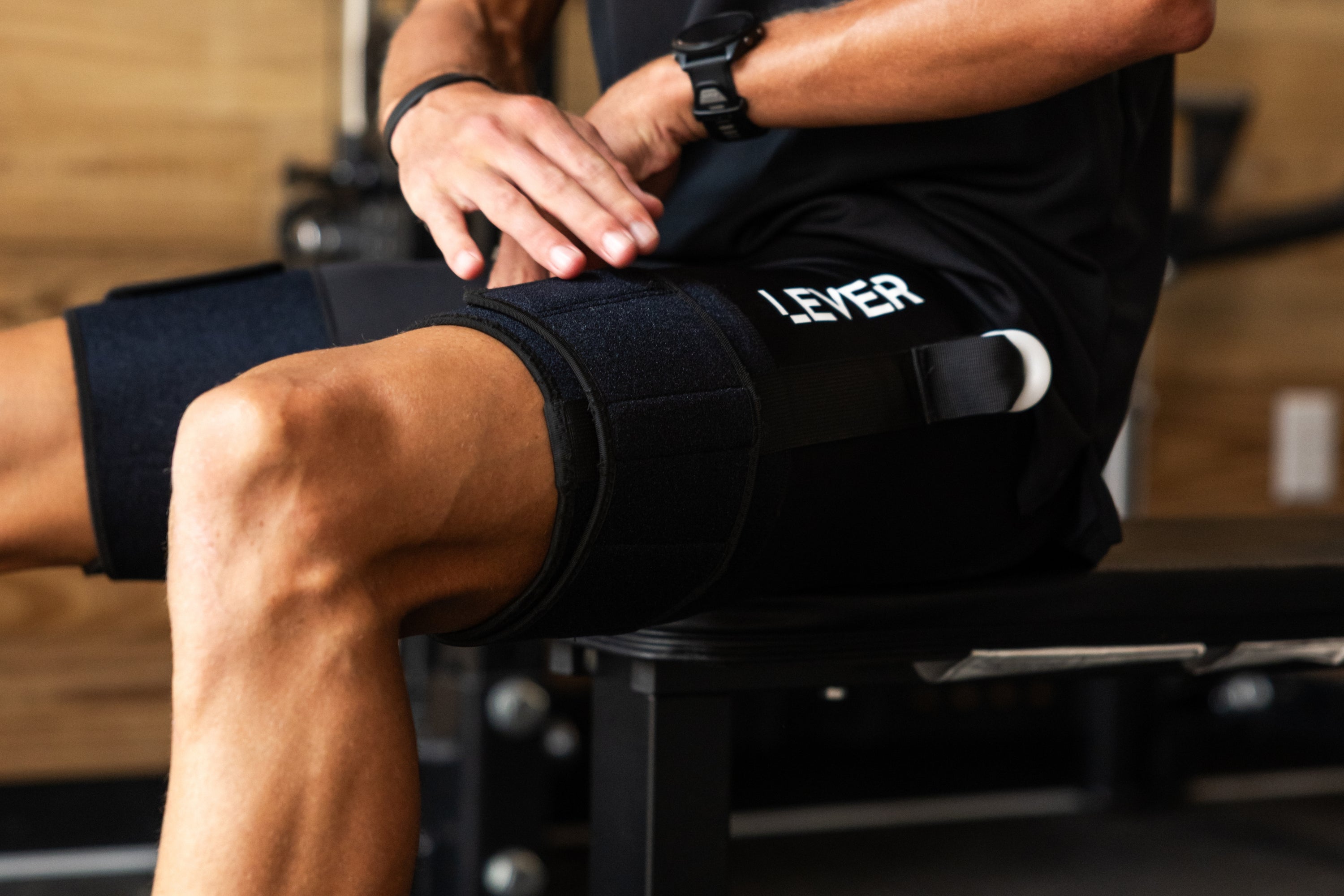
Load management is built for that gap. You run with part of your body weight taken off, so every step loads the injured tissue a little less, then you give the weight back as your body is ready. Here's what the research actually says, where it helps most, and how pro runners have used LEVER to come back.
What the research shows
Less forceWith every stepImpact and joint loads drop as more body weight is taken off, in studies on body-weight support treadmills
~9.5%Less load on the AchillesRunners on a harness system that lifts part of their body weight also had 9% less impact than at full weight (2023 study)
Week 10Back racing after a stress injuryA runner with a pelvic stress injury started at 50% of her body weight in week 5, built to 95% by week 8, and raced at week 10 with no setbacks
LEVER ALLOWSUp to 45 lbOff your body weightOn the treadmill you already own, so you can do the same thing at home
The first three come from published research on body-weight support systems, not LEVER-specific studies. Sources below.
1How Load Management Works
Every running step sends a wave of force up through your feet, shins, knees and hips. The heavier the step, the bigger the force. Take some of your body weight away and each step gets lighter.
Full body weightNormal running
10% offSlightly lighter steps
20% offA common rehab starting point
30% offEarly return after injury
Illustration: the share of body weight each step carries. Actual force reductions vary from runner to runner, and they don't always line up one-for-one with the setting.
What the research showsLess weight means less force, but not one-for-oneStudies on body-weight-support treadmills show ground reaction forces and joint loads drop as support goes up (Grabowski and Kram 2008; Vincent et al. 2022).A 2025 study of 26 competitive runners added an important detail: with support, runners take fewer, longer steps. That's why it helps to keep your cadence close to normal.
2Which Injuries It Helps With
Tap your injury to see how load management fits in:
Stress fractures and stress reactionsBone stress injuries · tap to open
Why it helpsBone heals best with the right amount of load. Support lets you start running again at a load your bone can handle.
WhenOnce walking is pain-free and your clinician clears you to load the bone.
EvidenceIn a published case, a runner with a pelvic stress injury went from 50% to 95% body weight over 4 weeks and raced again at week 10 with no recurrence.
Achilles and other tendon painTendinopathy · tap to open
Why it helpsTendons need load to heal, but too much flares them up. Support helps you keep running inside your pain limits.
The rulePain 5/10 or less during a run, gone by the next morning (Silbernagel et al. 2007).
EvidenceA 2023 study found a harness-style support system cut Achilles tendon load by about 9.5%.
Keep in mindStrength work is the real treatment. Support helps you keep running while it does its job.
Knee pain and after knee surgeryRunner's knee, ACL, meniscus · tap to open
Why it helpsJoint loads drop with support, so you can run with a smoother, more even stride while the knee rebuilds.
WhenOnly once your surgeon or physio clears you to run. Post-surgery timelines vary a lot.
Keep in mindStrength and control work for the hip and quad still matter most.
Coming back after time off or a raceNot injured, just rebuilding · tap to open
Why it helpsYour fitness comes back faster than your bones and tendons adapt. Support lets you rebuild mileage with less pounding.
HowEasy runs with some support after a marathon, or in the first weeks back from a break.
3The 3 Phases Back to Running
Every injury is different, and your doctor or physio should guide your plan. But most LEVER comebacks follow the same three phases:
PHASE 1MOST SUPPORTProtected runningRun again without overloading what's healing• Short walk/jog sessions, every other day• Easy effort, flat treadmill• Build time before you touch speedMOVE ON WHEN✓ No pain during, after or the next day✓ Two sessions in a row feel good
PHASE 2LESS EACH STEPGive the weight backLoad the tissue a little more each week• Same runs, slightly less support each step (about 5%)• Change one thing at a time: time or support, not both• Keep your cadence close to normalMOVE ON WHEN✓ 30+ minutes continuous at 0 to 5% off, pain-free✓ Strength work is going well
PHASE 31-2 RUNS A WEEKBack outside, then back to trainingRebuild your full running• Move runs outside one at a time• Volume first, then workouts• Keep 1 to 2 easy runs a week on LEVER in big weeksMOVE ON WHEN✓ Full training feels good for several weeks✓ No flare-ups the day after workouts
The pain rulesUse these at every step · tap to open
DuringLittle or no pain while you run
AfterSettles soon after the run
Next dayNo worse the next morning
If painAdd support back and repeat the step
Bone injuriesStricter: no pain at all during, after or next day
General guidance, not a prescription. Your clinician sets the real starting point.
4Find Your Starting Point
Most runners start somewhere around 15 to 25% off after an injury, then work down. Tap to see what that means in pounds for you:
What 10, 15, 20 and 25% off looks likePounds off by body weight. Gray means more than LEVER's 45 lb max · tap to open
YOU WEIGH10%15%20%25%
120 lb12 lb18 lb24 lb30 lb
140 lb14 lb21 lb28 lb35 lb
160 lb16 lb24 lb32 lb40 lb
180 lb18 lb27 lb36 lb45 lb
200 lb20 lb30 lb40 lb50 lb
Your physio may start you higher or lower depending on the injury. The best setting is the one where your run is pain-free and your stride still feels like yours.
5How Pro Runners Have Used It
Some use LEVER to come back from injury. Others use it to keep big mileage from breaking them down. In their own words:
AMERICAN MARATHON RECORD HOLDERConner Mantz
InjuryTwo sacral stress fractures
ComebackMost of his second return on LEVER
Now2 runs a week, about 15% off
“It was just kind of like the lever was what we did.”CONNER MANTZRead the full story →
AUSTRALIAN MARATHON RECORD HOLDERIzzi Batt-Doyle
InjurySeven stress fractures in her feet
NowLEVER after races and in big weeks
“A tool I wish I'd had during my stress fracture days.”IZZI BATT-DOYLE
4TH AT IRONMAN KONAGregory Barnaby
UseLoad management, not injury
WhenThe day after workouts
SupportStarted at 15-20 kg off, now about 10 kg
“...when you're tired it's just a lot less risky, so it's a big injury prevention.”GREGORY BARNABY
3RD AT IRONMAN 70.3 FLORIANOPOLISJulie Iemmolo
PlanEasy runs the day after hard sessions
SupportAround 10% off to start
“Give it a try and take the time to find a setup that feels comfortable!”JULIE IEMMOLO
6What the Research Doesn't Show Yet
Be honestIt doesn't heal tissue fasterThere's no trial showing support speeds up bone or tendon healing. It lets you run sooner at a safer load.
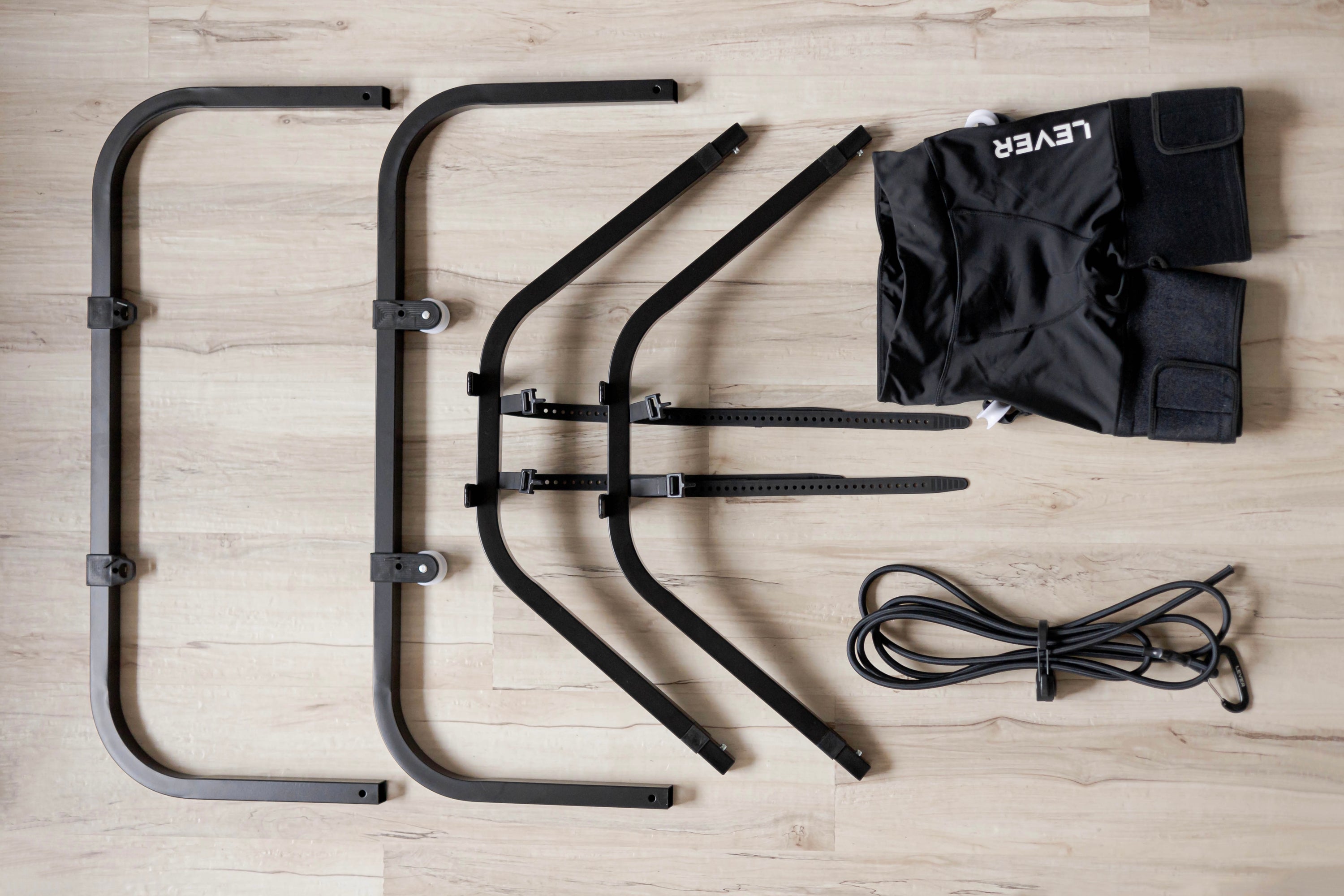
Good to knowMost studies use other machinesMost research uses anti-gravity treadmills. LEVER uses a harness on a frame instead. Same idea, but LEVER itself hasn't been tested in those trials.
COMING BACK FROM INJURY?
Run again at a load your body can handle.
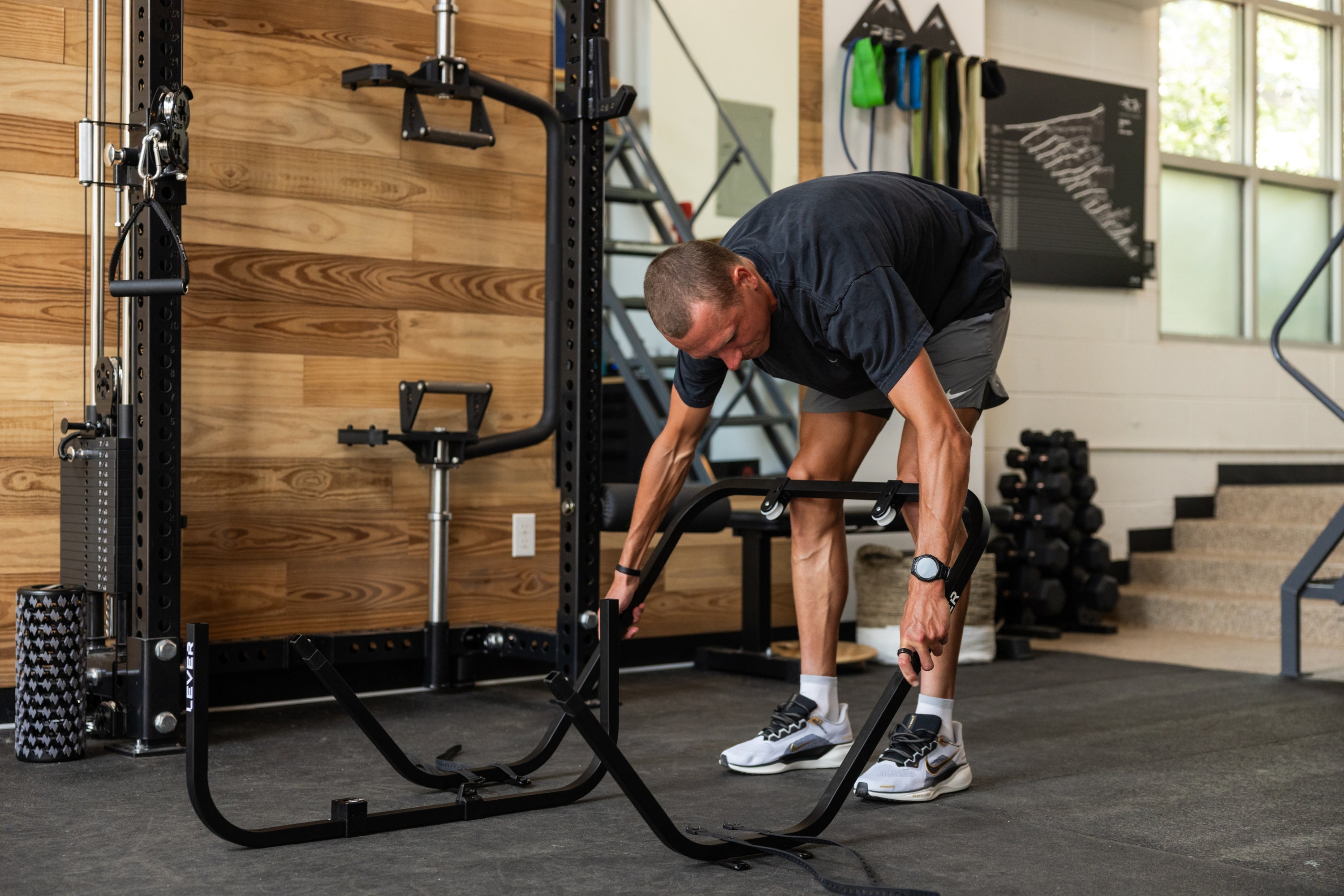
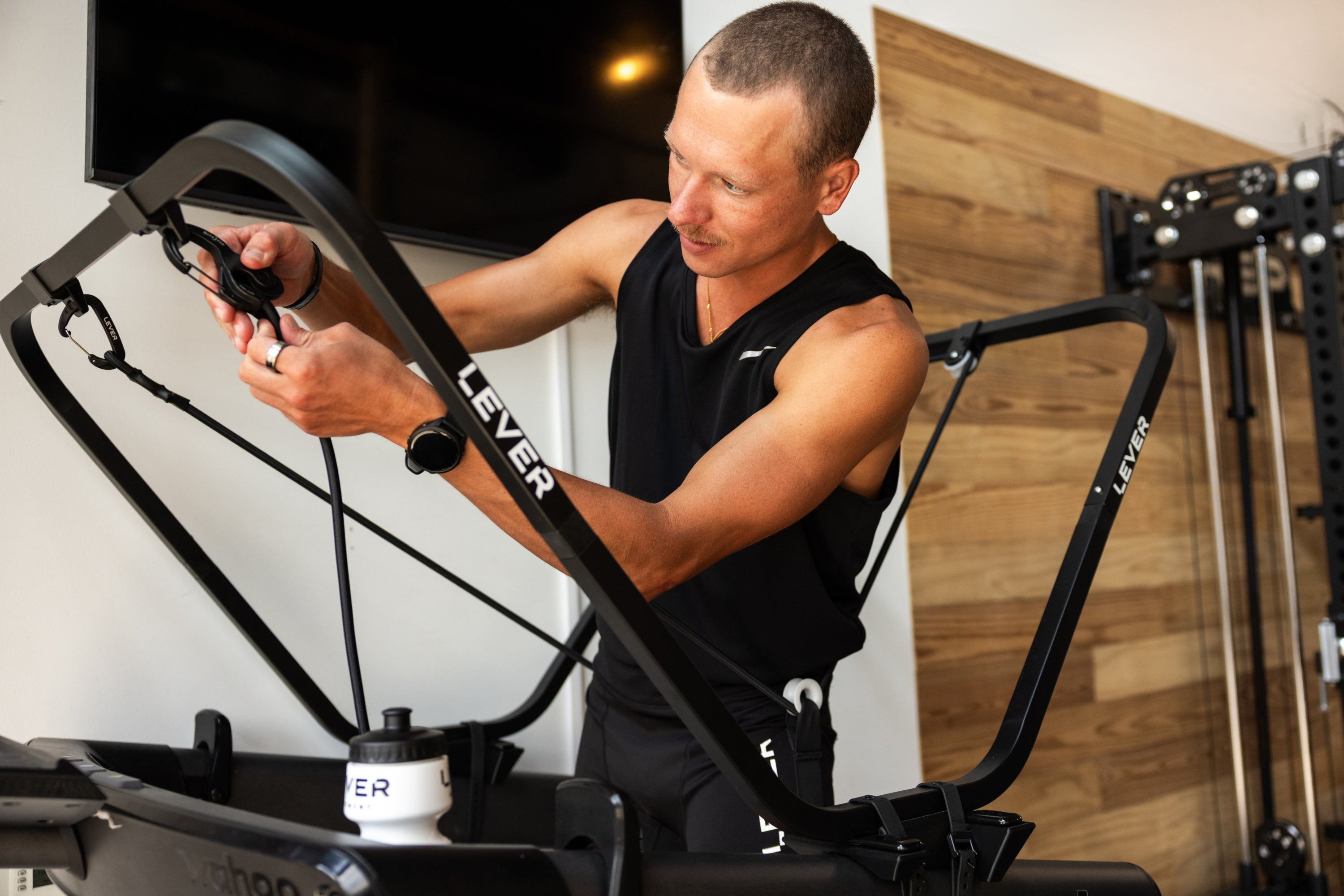
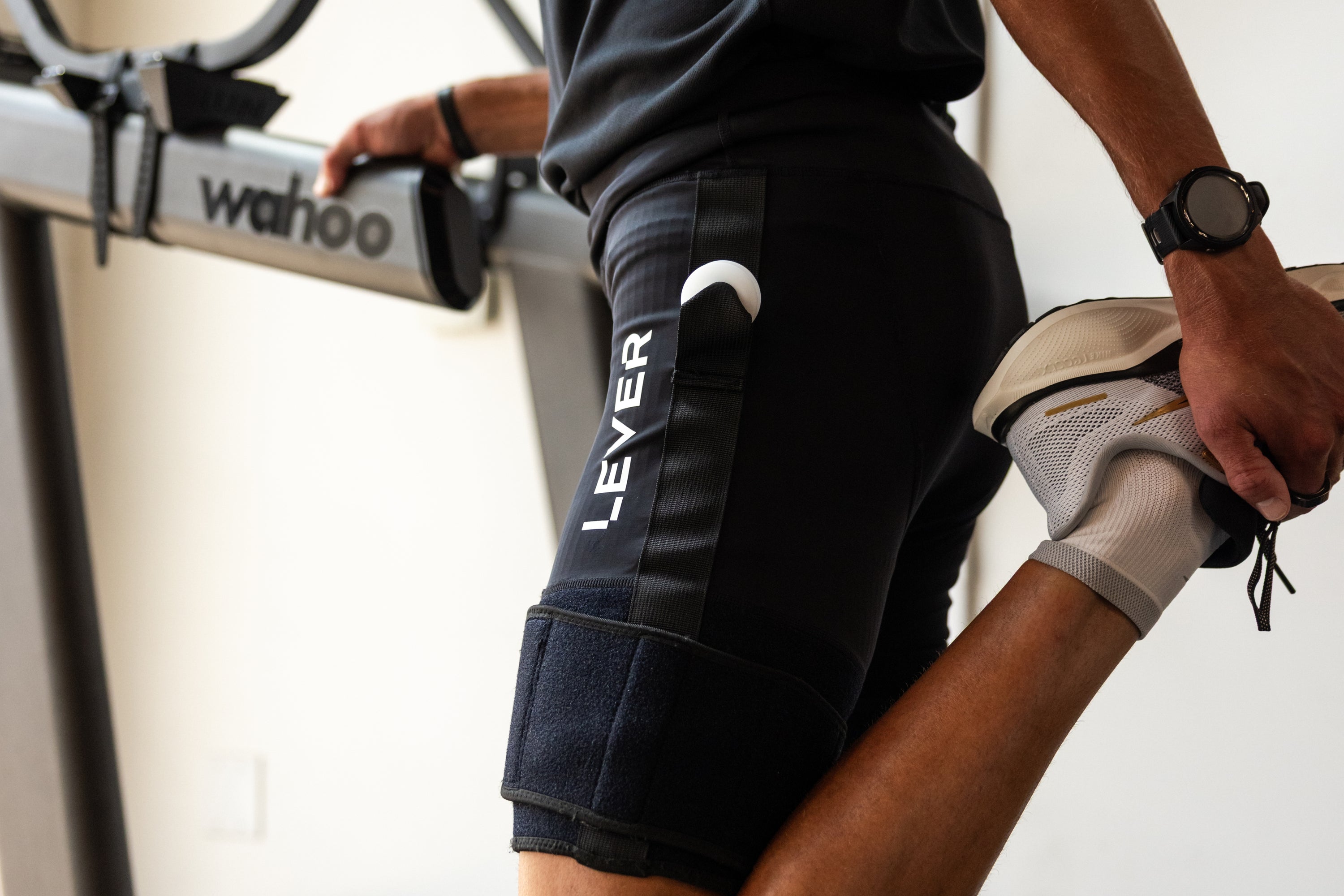
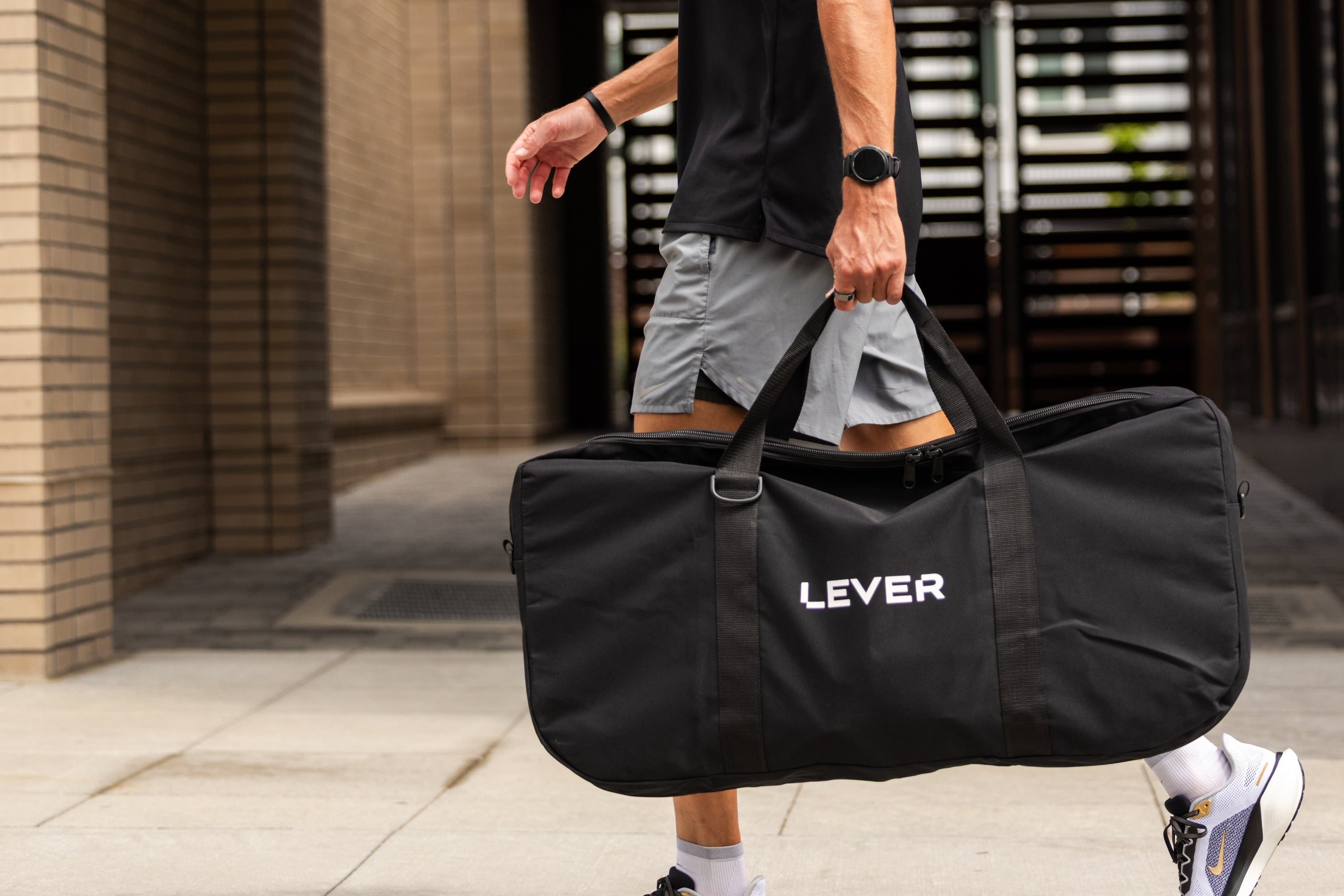
LEVER attaches to the treadmill you already own and takes up to 45 lb off your body weight, so you can rebuild step by step.
Shop LEVER →
7Quick Answers
When can I start using LEVER after an injury?
Usually once walking is pain-free and your doctor or physio clears you to start loading again. For bone injuries and surgery, wait for that green light.
How is LEVER different from an anti-gravity treadmill?
Anti-gravity treadmills use air pressure in a sealed chamber. LEVER uses a harness on a frame that attaches to a regular treadmill. Both take part of your body weight off, but LEVER works at home on the treadmill you already have.
Will running with support change my form?
Runners tend to take fewer, longer steps with support. Keep your cadence close to normal and give the weight back gradually.
Do I need it if I'm not injured?
No, but many pros use it to add easy miles with less pounding, recover after races and manage big training weeks.
Does it replace physical therapy?
No. It's a tool that works alongside strength work and your clinician's plan.
General information, not medical advice. Work with your doctor or physio on your own return-to-run plan.
References
1. Grabowski AM, Kram R. Effects of velocity and weight support on ground reaction forces and metabolic power during running. J Appl Biomech. 2008;24(3):288-297.
2. Vincent HK, Madsen A, Vincent KR. Role of antigravity training in rehabilitation and return to sport after running injuries. Arthrosc Sports Med Rehabil. 2022;4(1):e141-e149. doi:10.1016/j.asmr.2021.09.031
3. Fohrmann D, Winter I, Simon A, et al. Biomechanical changes during running on a lower body positive pressure treadmill in competitive runners. Scand J Med Sci Sports. 2025;35:e70063. doi:10.1111/sms.70063
4. Pohlman C, Pardee A, Friedman M, Rutherford AD, Vannatta CN, Kernozek TW. Effects of body weight support in running on Achilles tendon loading. Int J Sports Med. 2023;44(12):913-918. doi:10.1055/a-2113-1026
5. Silbernagel KG, Thomee R, Eriksson BI, Karlsson J. Continued sports activity, using a pain-monitoring model, during rehabilitation in patients with Achilles tendinopathy. Am J Sports Med. 2007;35(6):897-906. doi:10.1177/0363546506298279
6. Hoenig T, Eissele J, Strahl A, et al. Return to sport following low-risk and high-risk bone stress injuries: a systematic review and meta-analysis. Br J Sports Med. 2023;57(7):427-432. doi:10.1136/bjsports-2022-106328
7. Jeanguyot E. Return to running and performance in lower limb bone stress injuries. Aspetar Sports Medicine Journal. 2026;15.