The Work Behind the Work · Kona 2026 Edition, Part 2
"This year, I've consistently been able to run."GRACE THEK
For a lot of runners, an injury means one of two things: stop running and watch your fitness fade, or push through and make it worse.
Australian professional triathlete Grace Thek has found a third option.
She has managed a back injury on and off since 2024. It flared up again just before IRONMAN Texas this year. And yet this year she has been able to run consistently, and this weekend she lines up for her first IRONMAN World Championship in Kona.

1The Start Line
Grace is a Kona rookie, and she isn't pretending otherwise.
"This is actually my first time in Kona, so I'm a rookie here. I'm not really sure what to expect out there on race day, but preparation's been going really well, and I think I'm the fittest I've been."
For an athlete who has spent years dealing with injuries, "the fittest I've been" says a lot. The story of how she got there is a lesson in managing load.
2A Back Injury That Comes and Goes
"I've had a back injury. It comes and goes over the last couple of years. It started back in about 2024, and I kind of just have to manage that."
This year it flared up again a couple of months out from IRONMAN Texas. Instead of shutting her running down, she managed it.
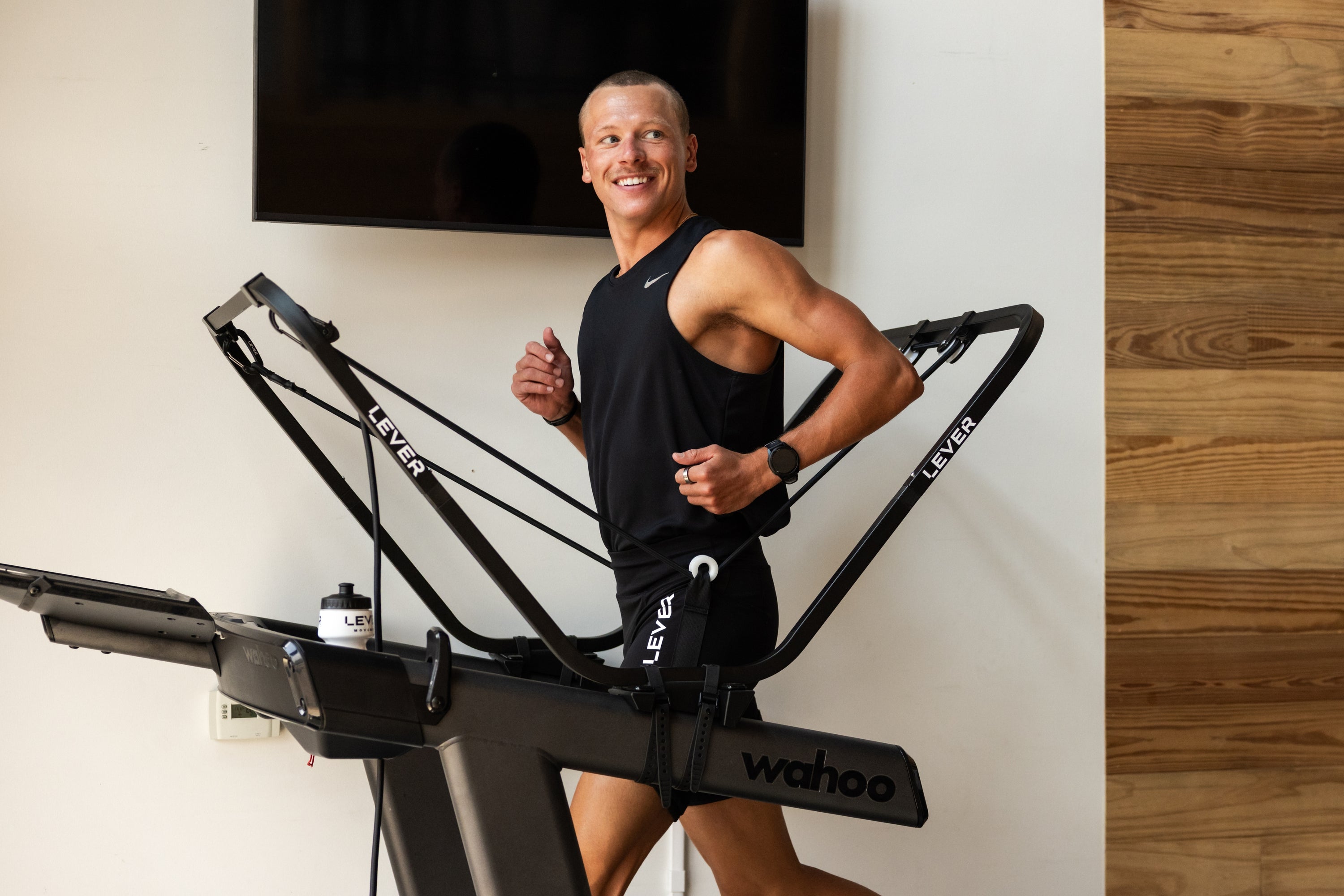
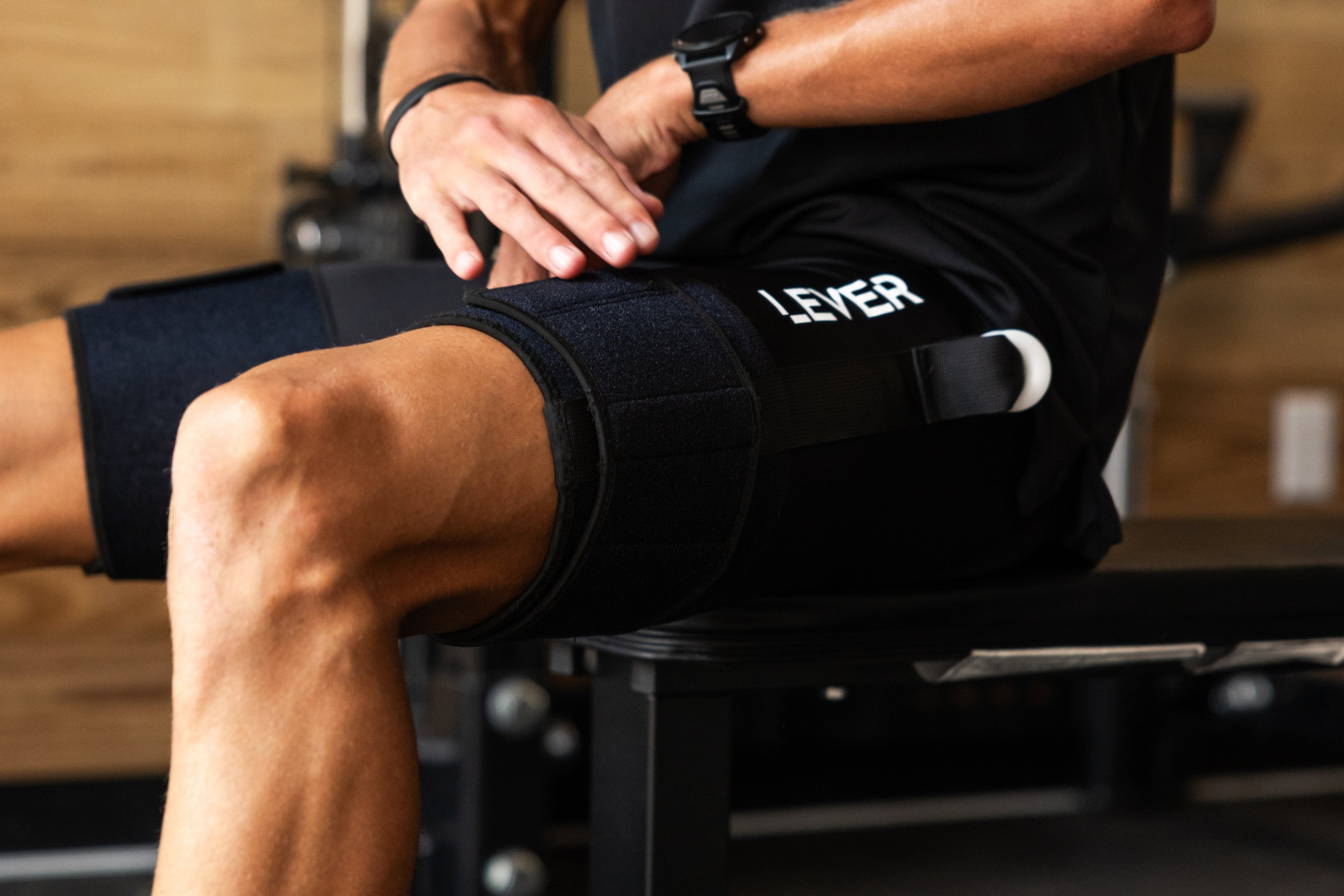
"I've been managing it with load, managing it with the LEVER, and soft tissue work."
Why load matters for a back injury: every stride sends impact up from your foot strike, through your knees and hips, and into your lower back. Take some body weight off and you reduce the load on that whole chain, so you can keep running while the sore area settles.
3Why Consistency Beats Big Weeks
Before this year, Grace's running followed a familiar pattern: build, get hurt, rebuild.
"I think consistency is super important when it comes to running. Over the years, I've had so many injuries, and it's been a very up and down in terms of volume."
This year was different. Her only breaks from running were the ones she planned, after her Ironman races. When smaller problems came up, she didn't stop. She unloaded.
"Even with some niggles that have popped up, I've been able to jump on the LEVER and been able to be quite consistent with my training."
Fewer ups and downs means fewer weeks spent rebuilding fitness you already had. Over a full season, that adds up.
Train like Grace
Don't stop. Unload.
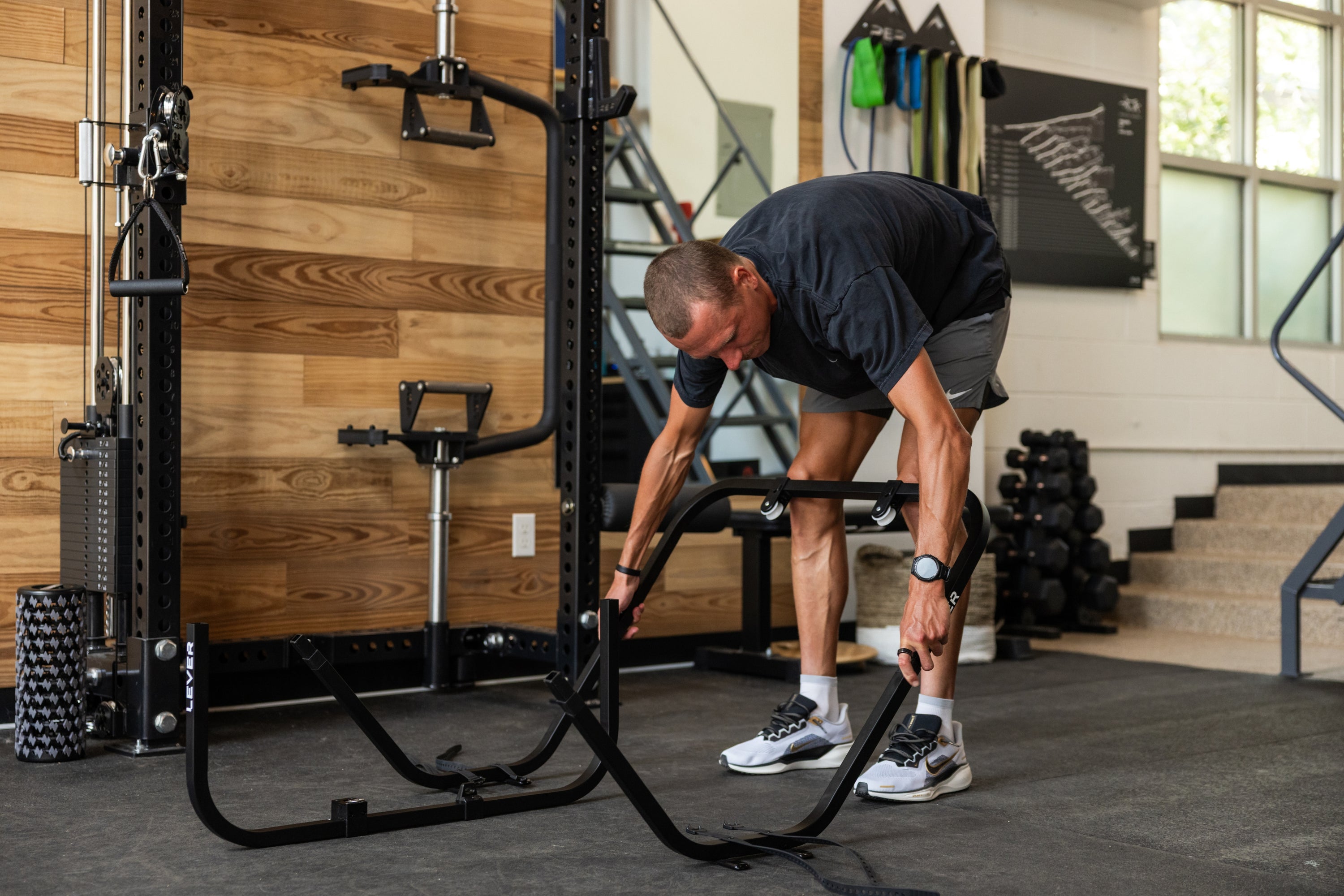
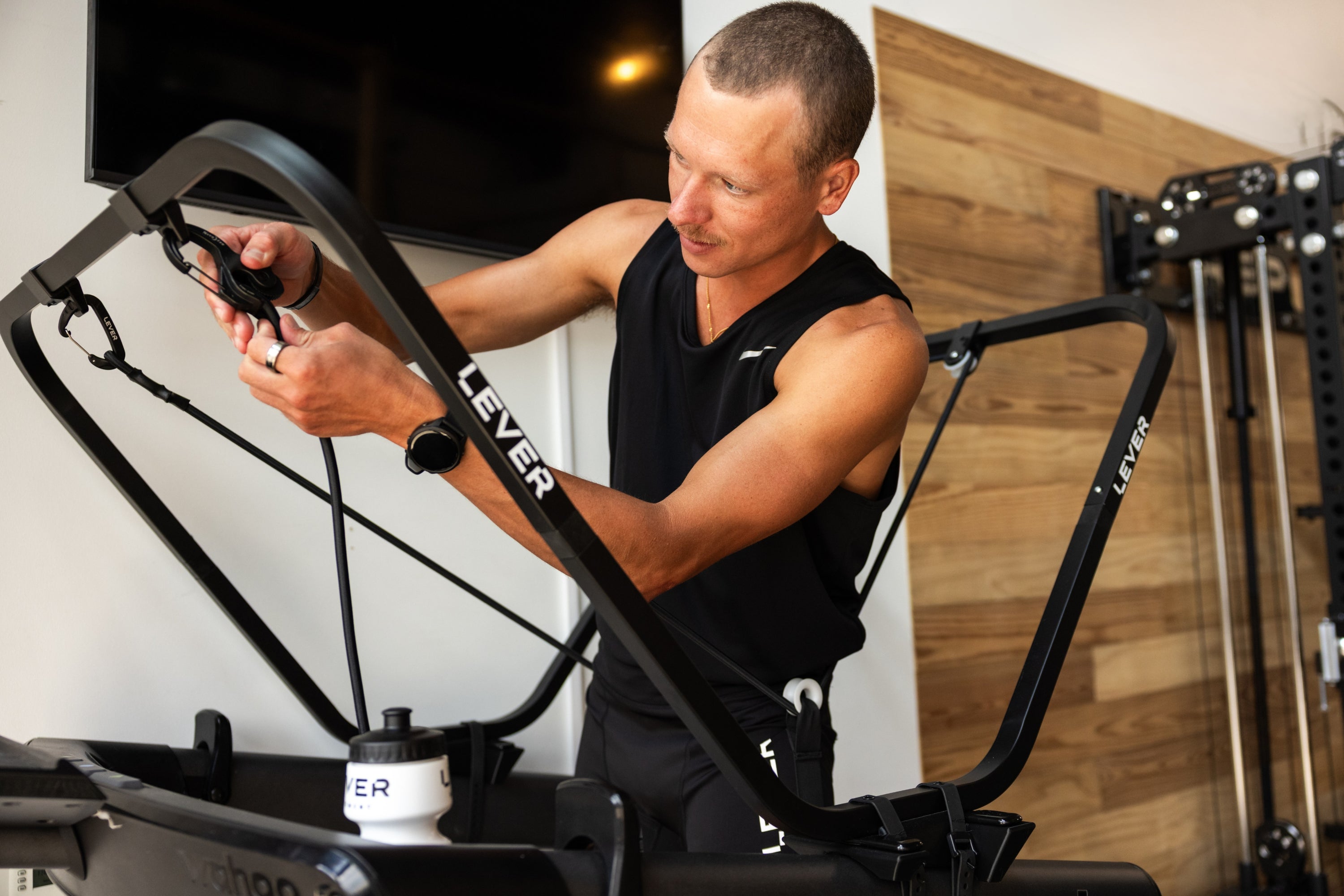
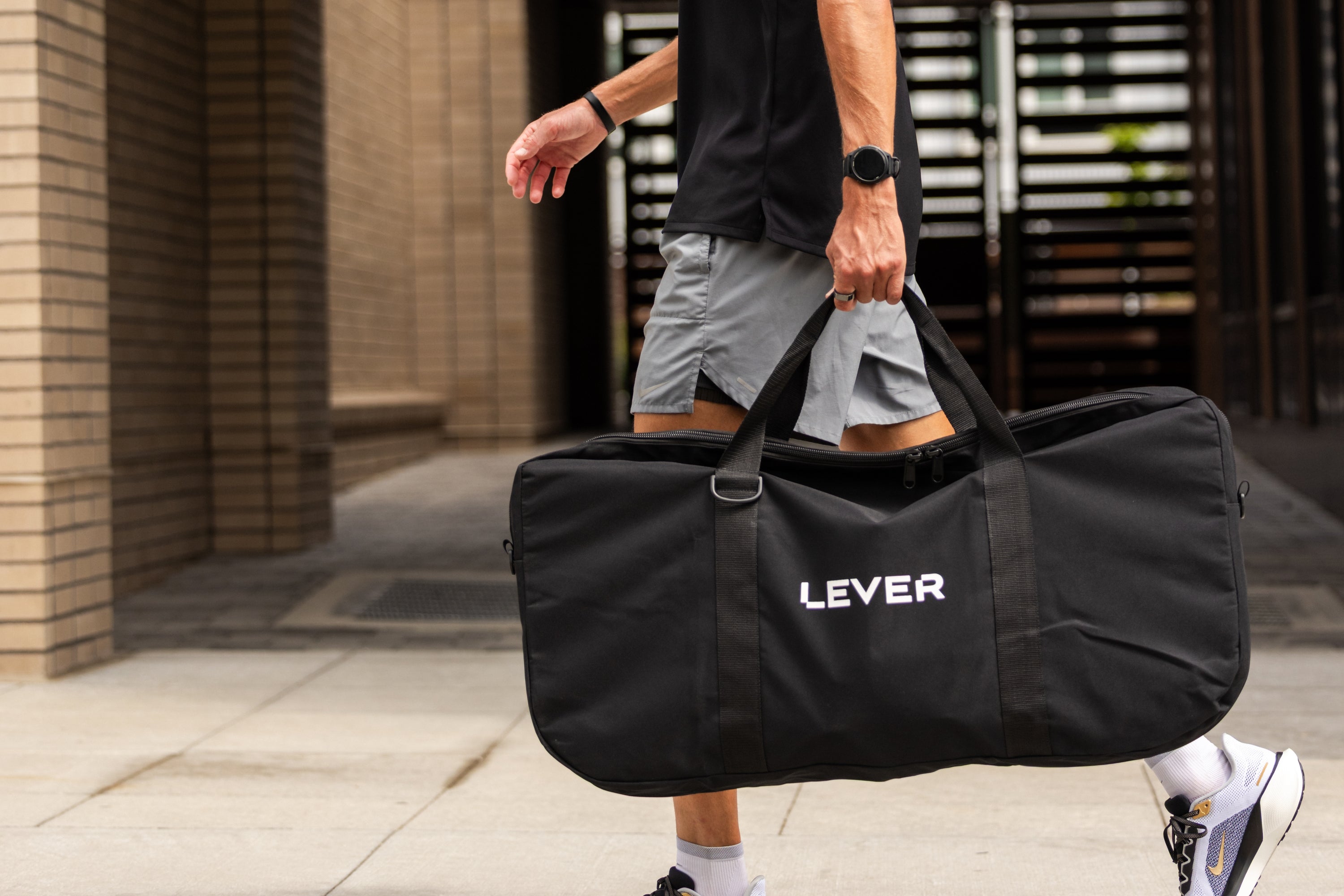
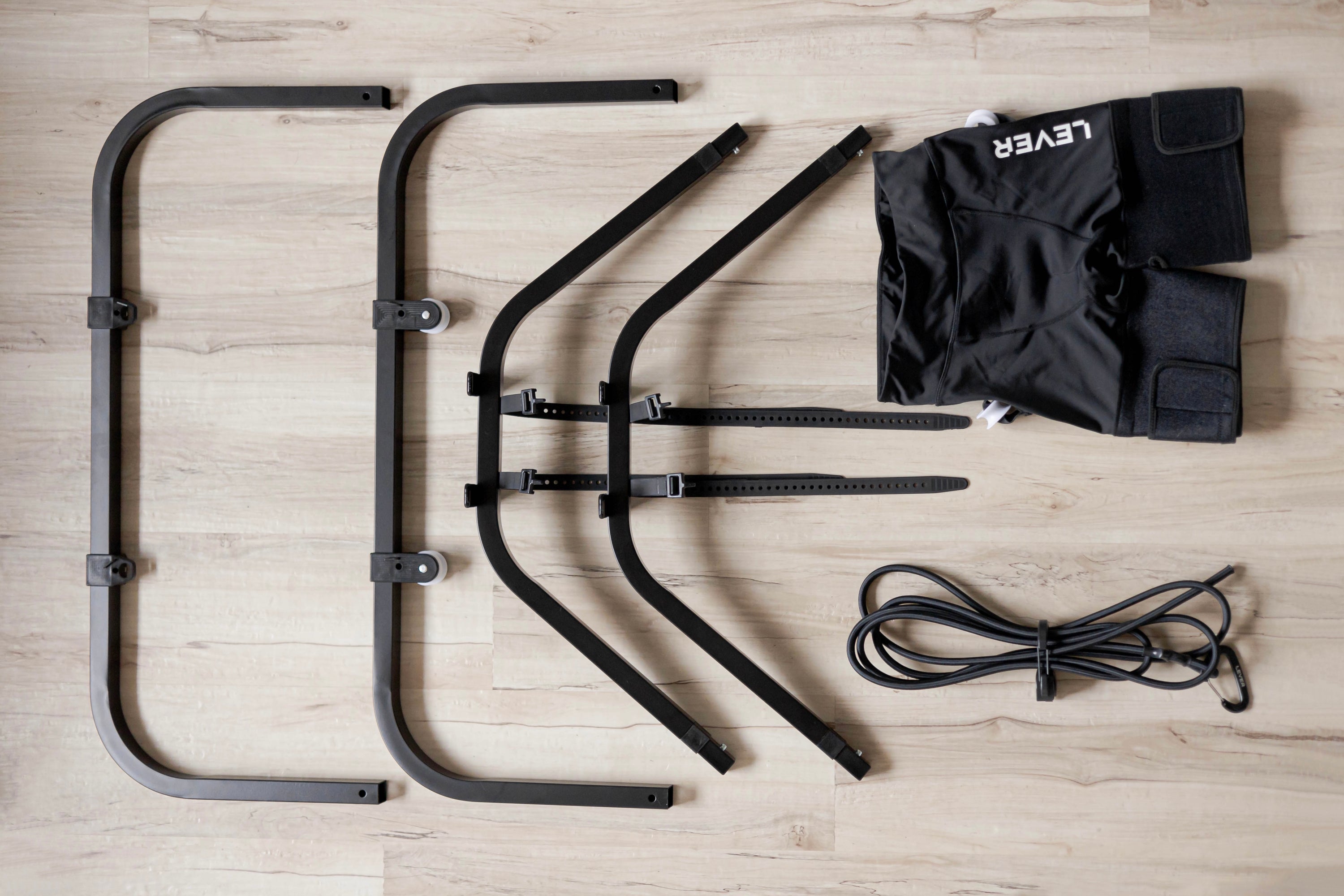
LEVER turns your treadmill into a body-weight support system, so you can keep running through niggles and come back sooner after big races.
Shop LEVER4Three Ways Grace Uses LEVER
LEVER isn't only for her back. Grace uses it in three ways across her season.
On getting back after a race:
"Instead of waiting, you know, seven days after a race and get back, you know, four or five days after an Ironman to use LEVER."
And on her threshold runs:
"Hitting a pace maybe equal or a little bit faster than race pace, but less load on the body and my heart rate is lower as well."

5How Much Weight to Take Off
Grace doesn't take off much. Her sweet spot is 10-15%.
"I feel like that is a good amount of weight for me to take off without feeling like I'm not doing anything, but also feeling like I'm getting that little lift..."
That's a useful rule of thumb: enough support that you feel the lift, not so much that the run stops feeling like running.
6The Physio's Toolkit
Grace isn't just an athlete. She's a physio too, and she treats her own body the way she'd treat a patient's.
"As a physio myself, I have a background in knowing how to rehab injuries."
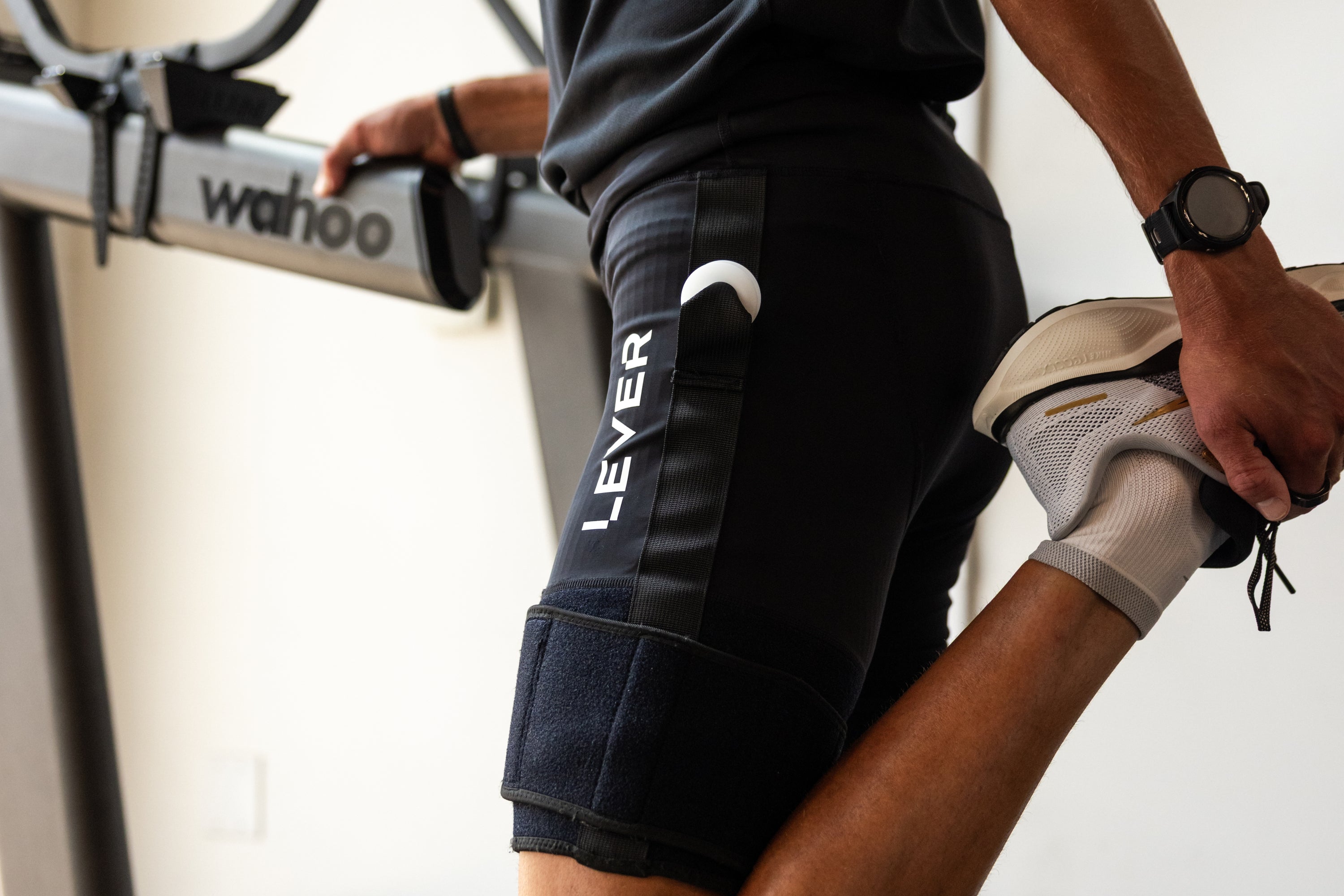
LEVER is one tool. Here's the whole kit she uses to stay healthy:
"Making sure the footwear is cycled earlier, so I'm not running on old shoes, and then obviously, like, nutrition and... sleep and everything that goes into keeping my body healthy."
7The Session That Gave Her Confidence
Most of Grace's Kona build has been about aerobic fitness rather than lots of hard sessions. But one workout in the last couple of weeks stood out.
"I think that really kind of gave me a confidence boost going into the weekend, knowing that it's quite a comfortable pace for me."
A full hour at race pace, broken into chunks, and it felt comfortable. That's what a consistent, well-managed build makes possible.
8Grace's 3 Tips to Become a Better Runner

9Race Day
Grace races the IRONMAN World Championship in Kona on Saturday, October 10. Her advice for anyone else lining up for the first time is the same plan she's taking into it herself:
"I know it's going to be a hard day, so looking to manage my pacing and nutrition and my cooling, and hopefully not getting persuaded to go faster than I need to go with the group and just, you know, settle into my own pace."
The night before, it's rice and tuna. Race morning, it's toast with peanut butter and jam, and a banana. And the thing she's most looking forward to?
"I think just the atmosphere. This is a bucket-list race for me."
Don't stop. Unload. Stay consistent.