Coach Spotlight · How Coaches Use LEVER
When Indiana's reigning cross country state champion couldn't run a step without her calf flaring up, her coach didn't reach for more cross training. He rebuilt her entire season on a LEVER system, one marker at a time. Here's exactly how he did it, in his own words.
Meet the Coach: Scott Steffen, Concordia Lutheran
Scott Steffen is the head boys and girls cross country and track coach at Concordia Lutheran High School in Fort Wayne, Indiana, and he has quietly built one of the deepest distance programs in the state. His girls squad had nine athletes under 2:18 for 800 meters this spring. His teams have been a fixture at the front of the IHSAA state meet, finishing runner-up in cross country in back-to-back years against powerhouse programs like Carmel.
What makes Steffen's program unusual is what happens after freshman year. He tracks year-over-year improvement for every athlete, and the pattern he sees runs against one of the most persistent narratives in girls distance running.
"There's so much lip service, especially on the girls side, that your freshman year is going to be your fastest. But I keep track of year-over-year improvements, and historically we haven't seen a lot of that. By and large, the majority of our girls improve every year through high school."
— Coach Scott Steffen
Over the past two seasons, LEVER has become a core piece of how that program trains. More than 20 of his athletes have used it, from injured sprinters to his top distance runners. But the story that made him a believer starts with one athlete: Mallory Weller.
The Setback: A State Champion Who Couldn't Run
Mallory Weller came into her senior year as the reigning IHSAA cross country state champion and one of the best high school distance runners in the country. She opened her final cross country season with a 16:56, winning by 40 seconds. Then, the night before a major invite in Michigan, she told her coach her calf felt tight.
"She didn't run the next day, and that was the start of the end of her season. We went to PT after PT and couldn't find anything."
— Coach Scott Steffen
The answer finally came from Daryl Barnes, a Carmel-based therapist who has worked with athletes at the Worlds and Diamond League level. Her right glute had shut off completely, and her left calf was flaring up to compensate. Every time she was cleared to run, it came back within about ten days.
A cross country season that should have ended with a national title run was over. Steffen reached out to LEVER in November, and by December, Weller was running again. Just not at full body weight.
The Comeback Timeline
December
First runs back, on LEVER only
February
First steps on the ground
Mid-March
Raced New Balance Indoor Nationals
June
State titles in the 1600 and 3200, named Indiana's Miss Track and Field
The Return Protocol: One Marker at a Time
Steffen wrote the return-to-run plan himself, then ran it past Barnes for review. The structure was simple: rebuild running frequency on LEVER first, then gradually reduce the amount of body weight support, then reintroduce the ground.
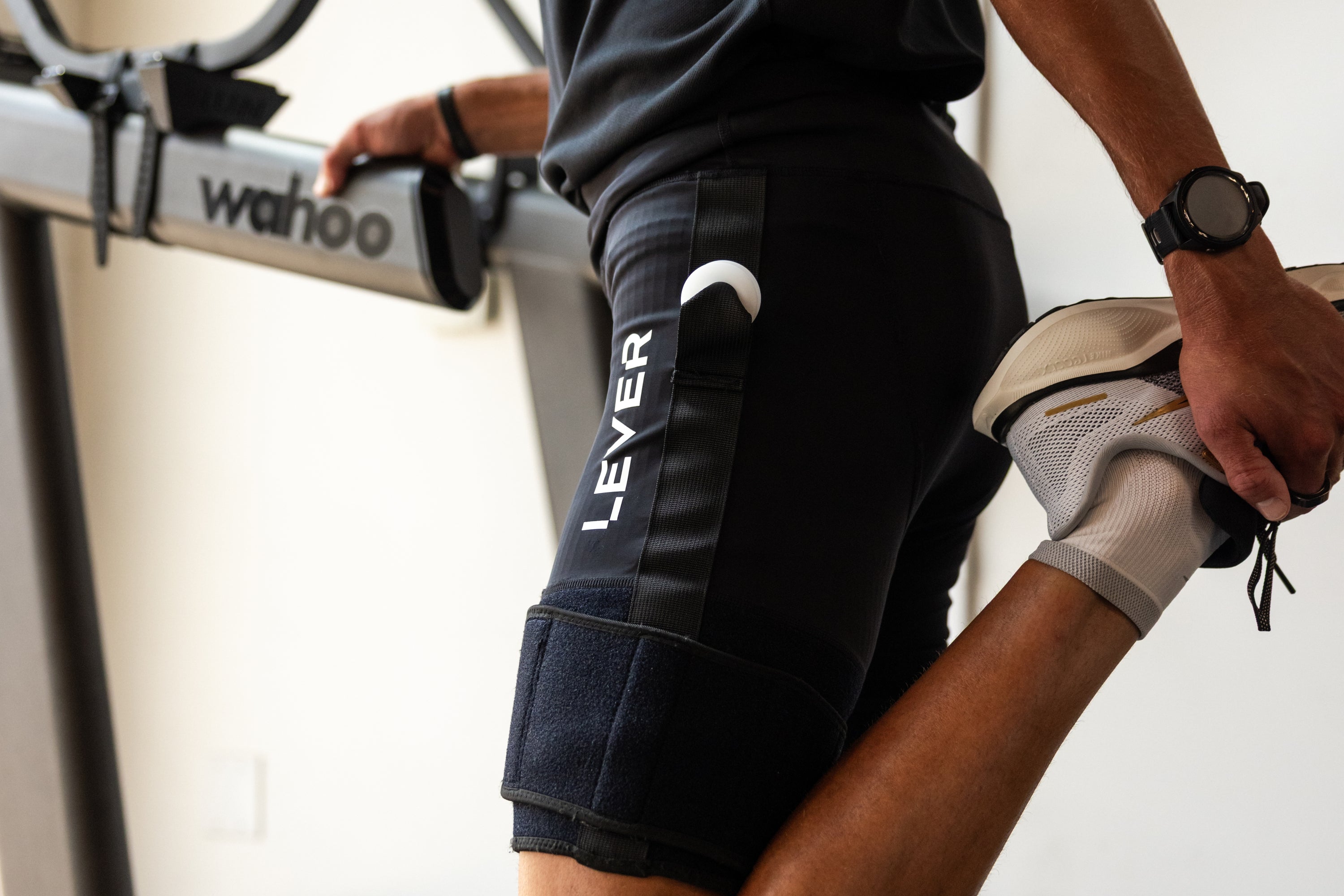
He used the marker system on the LEVER post as his progression tool. Each marker represents roughly 8 pounds of body weight support, which gave him a concrete, repeatable way to measure the return. Early on, the goal for an entire month was just moving from the fourth marker to the third.
| Phase | Running Structure | The Goal |
|---|---|---|
| December | 1 LEVER run per week plus cross training, building to 2, 3, then 4 days per week on LEVER | Restore the running motion without loading the calf |
| January | 4 LEVER days per week, progressively reducing body weight support marker by marker | Get closer to full body weight while staying symptom-free |
| February | First ground runs (starting around 2 x 4 minutes), immediately followed by more volume on LEVER | Reintroduce impact in small, controlled doses |
| March to April | 4 ground days per week max, with LEVER filling 1 to 2 days for workouts and recovery | Race-ready fitness without overloading tissue |
| May to June | LEVER for recovery runs, workout cooldowns, and extra volume | Stay fresh through the championship season |
Two details stand out in that progression. First, the split run: when Weller returned to the ground, her first outdoor run was only a few minutes long, and she came straight inside and finished the session on LEVER. Instead of choosing between ground running and cross training, Steffen stacked the two.
Second, the ceiling stayed low all spring. Weller never ran more than four days per week on the ground and never exceeded roughly 32 miles of ground running in a single week. One day was always cross training, one day was always LEVER, and one day was always off. That structure carried her all the way through the state meet.
"Those first several weeks on the ground she kept saying, 'Coach, I feel so heavy.' It's like, yeah, you're really heavy now."
— Coach Scott Steffen
The Workouts They Ran on LEVER
This wasn't just easy jogging with body weight support. Through the winter, LEVER was where Weller's workouts lived. A few of the staples from Steffen's playbook:
The 3-on, 1-off progression. Three minutes on, one minute off, bumping the treadmill speed by 0.2 to 0.3 mph each rep. Weller worked her way down until she was repeatedly hitting the treadmill's top speed of 5:00 pace, at which point Steffen added incline to keep progressing her.
Tempos and progression fartleks. Longer sustained efforts to rebuild aerobic strength, with her longest single LEVER run topping out around seven miles.
Workout extensions and cooldowns. Once outdoor season arrived, Weller would finish a 400s session on the track, then hop on LEVER instead of grinding out junk-mile cooldowns at full body weight.
"She got to the point where it's like, 'Coach, this is easy.' And I can't make the treadmill go any faster."
— Coach Scott Steffen
The Results Speak for Themselves
Weller didn't touch the ground until February. By mid-March she was racing at New Balance Indoor Nationals. At the Hoosier State Relays in late March, on just four days per week of ground running, she ran under 10 minutes for 3200 meters. By June she had swept the 1600 and 3200 at the IHSAA state finals and was named Indiana's Miss Track and Field, capping a career in which she got faster every single year of high school.
This fall, she'll run for NC State, one of the top distance programs in the NCAA. During her recruiting conversations, she asked her future coaches one question that says everything: do you have LEVERs down there?
"The main thing is it allowed her to gain confidence that she was making progress, that her fitness was coming, and that she could stay patient and trust the process. Without that, I really don't know where we would have ended up this year."
— Coach Scott Steffen
Steffen is clear that cross training alone wouldn't have gotten her there. The team uses ellipticals, arc trainers, and aqua jogging for volume, but in his words, none of it replaces the running motion, and none of it prepares the body for impact the way gradually reintroduced load does.
Train Like Concordia
Bring LEVER to Your Program
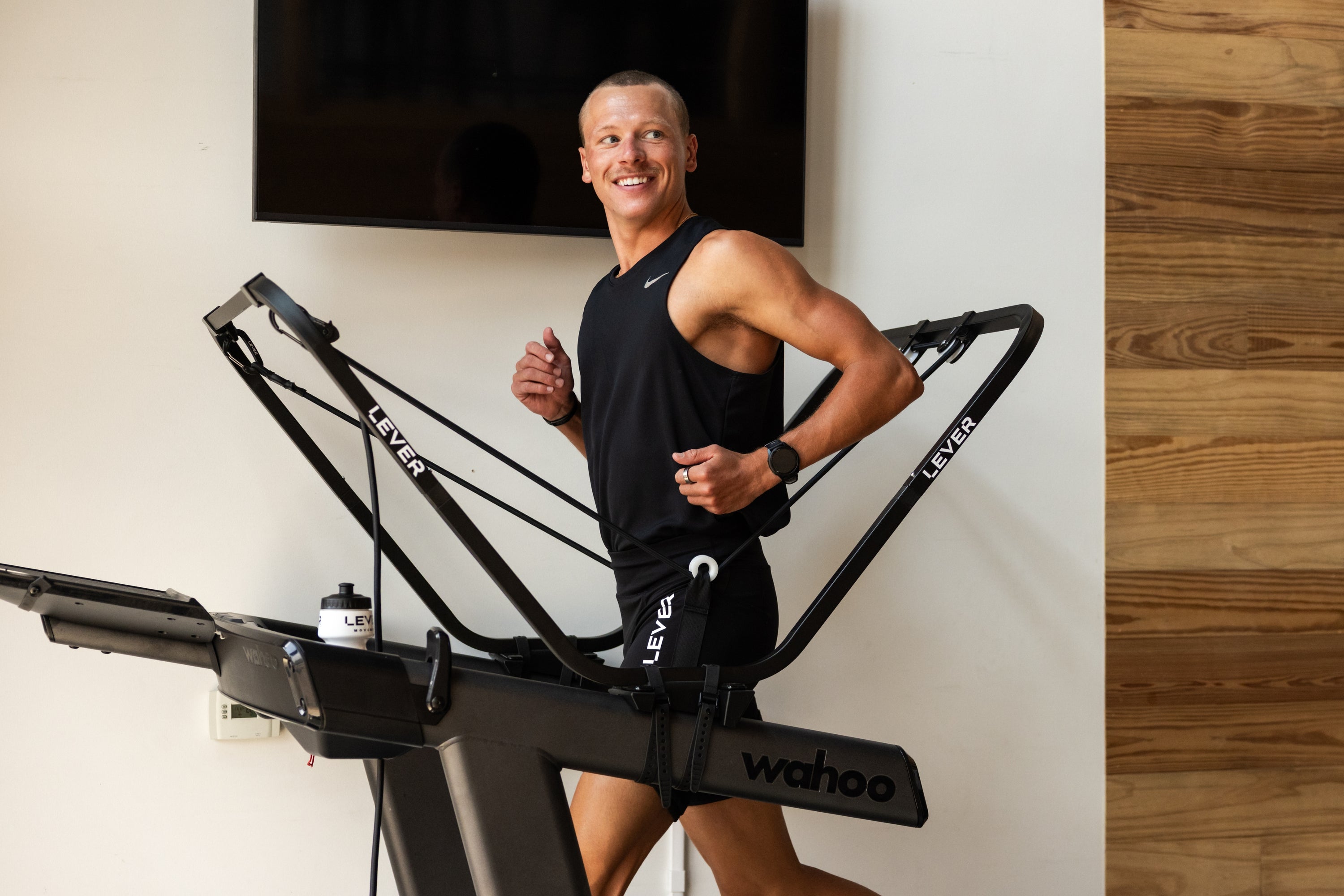
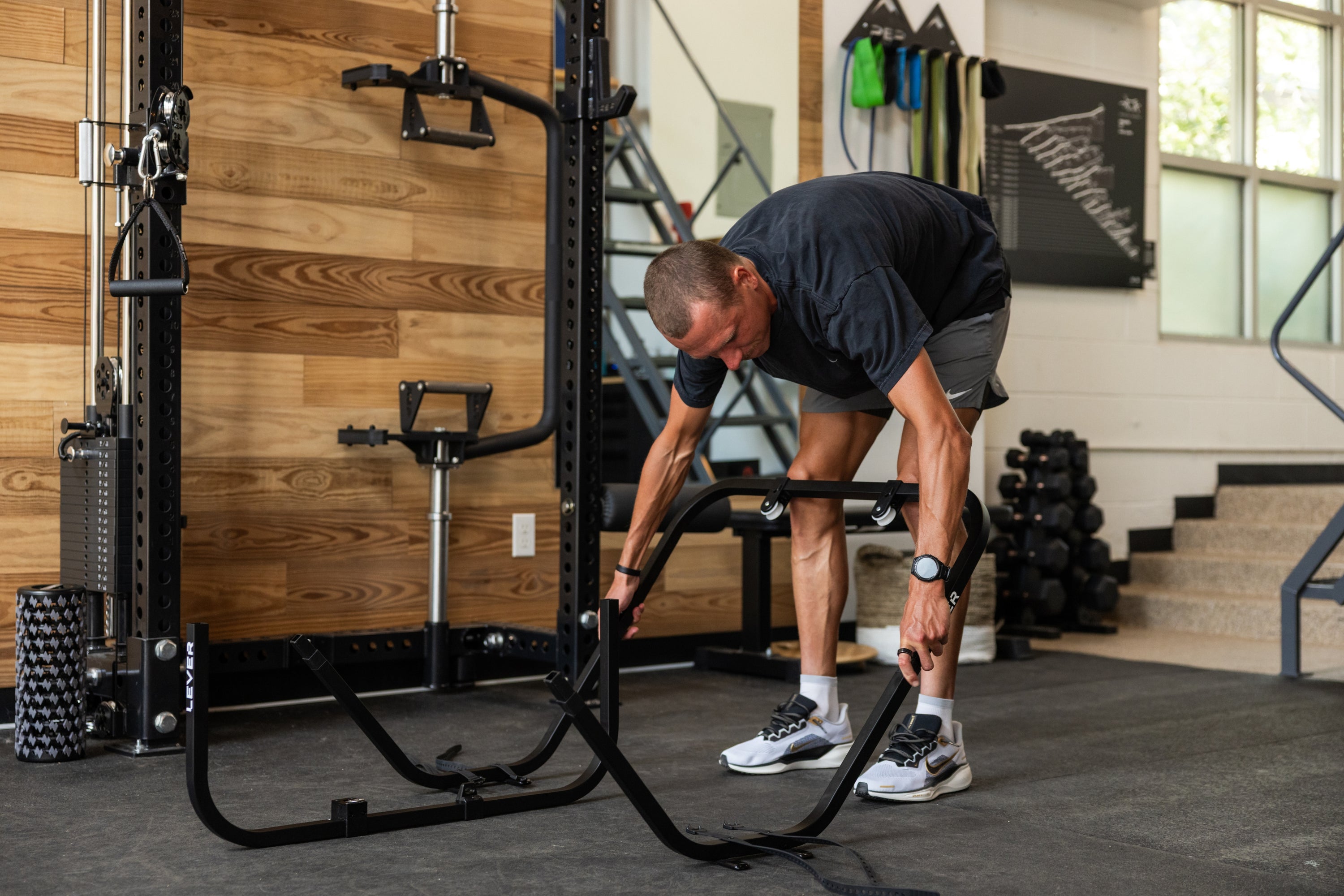
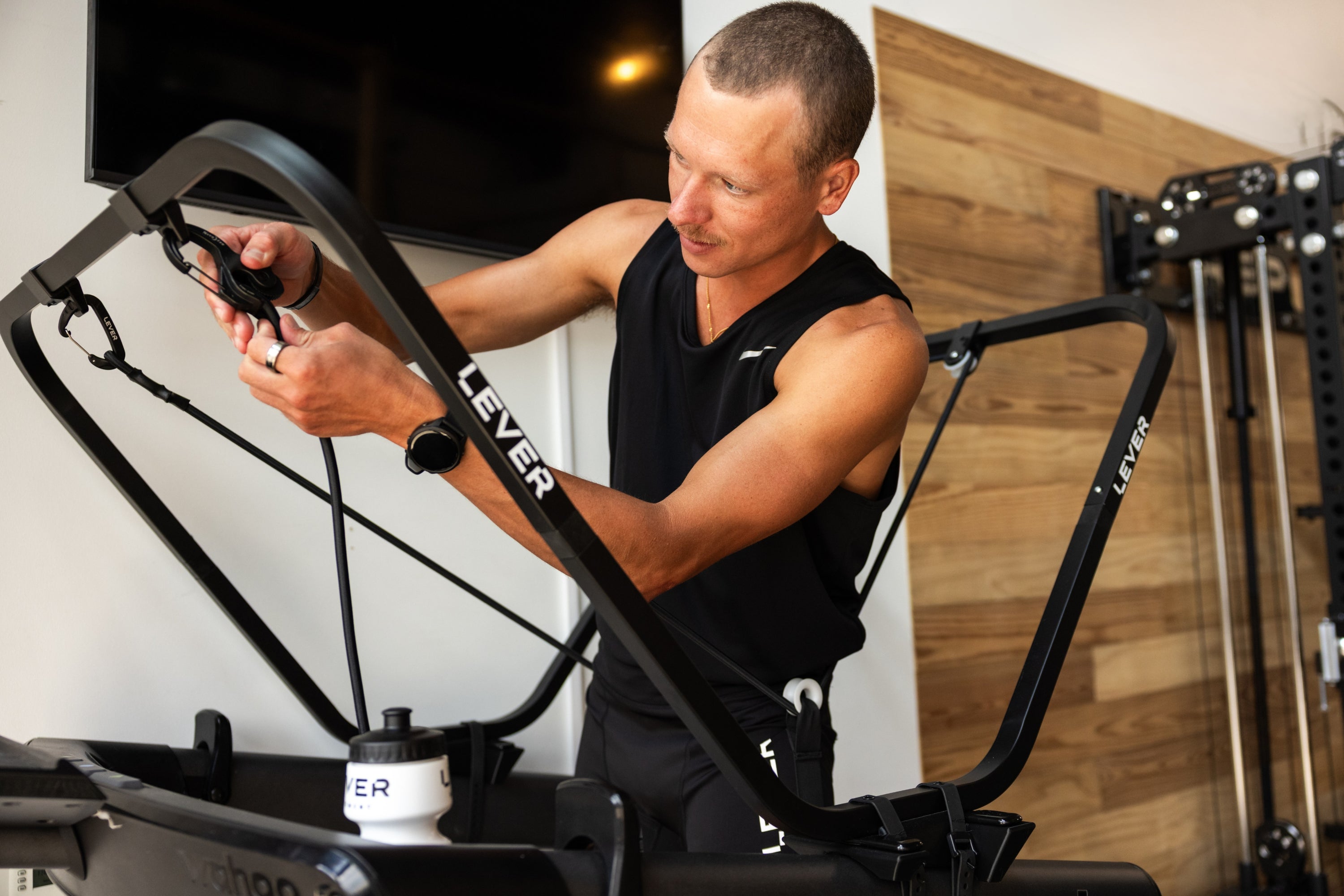
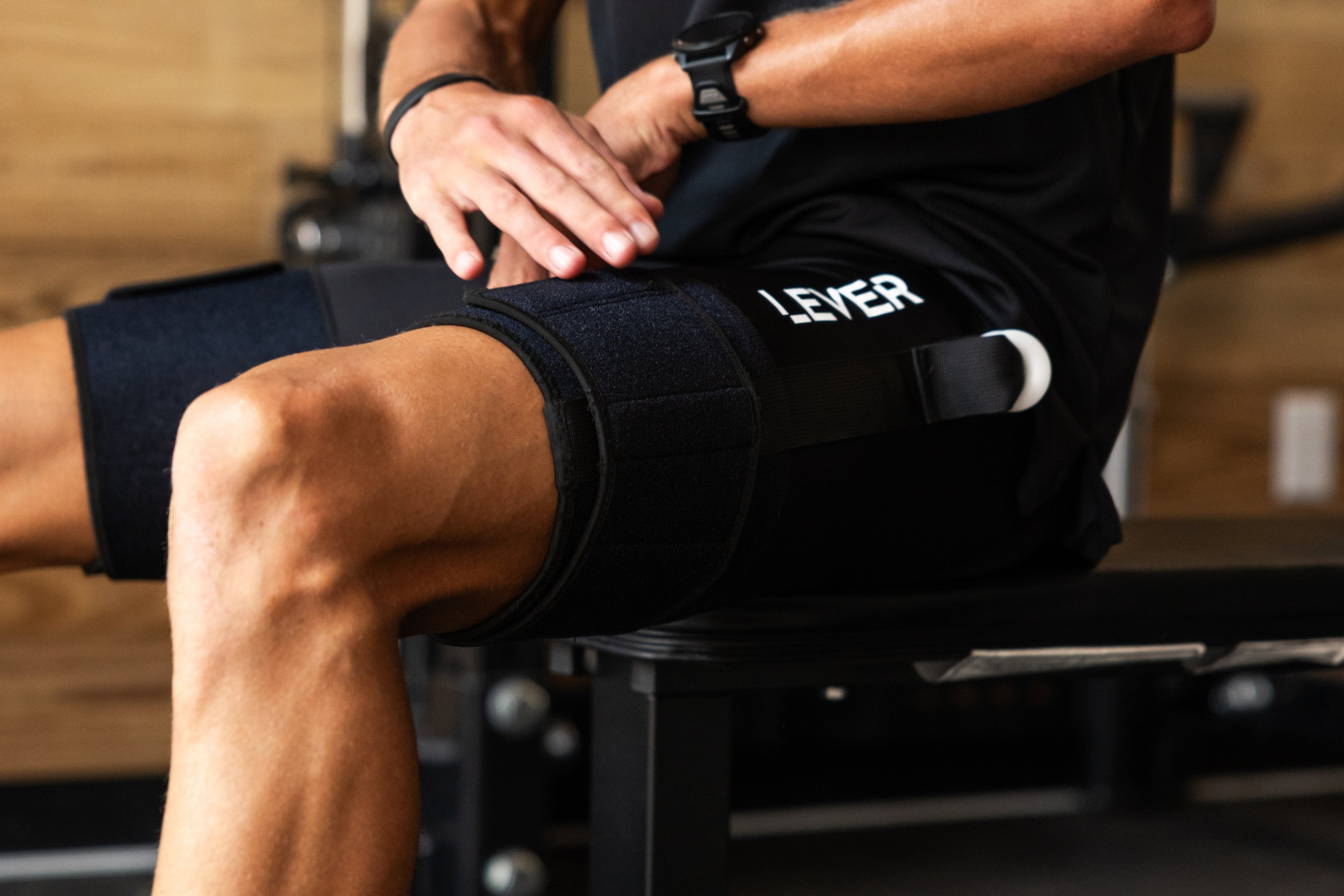
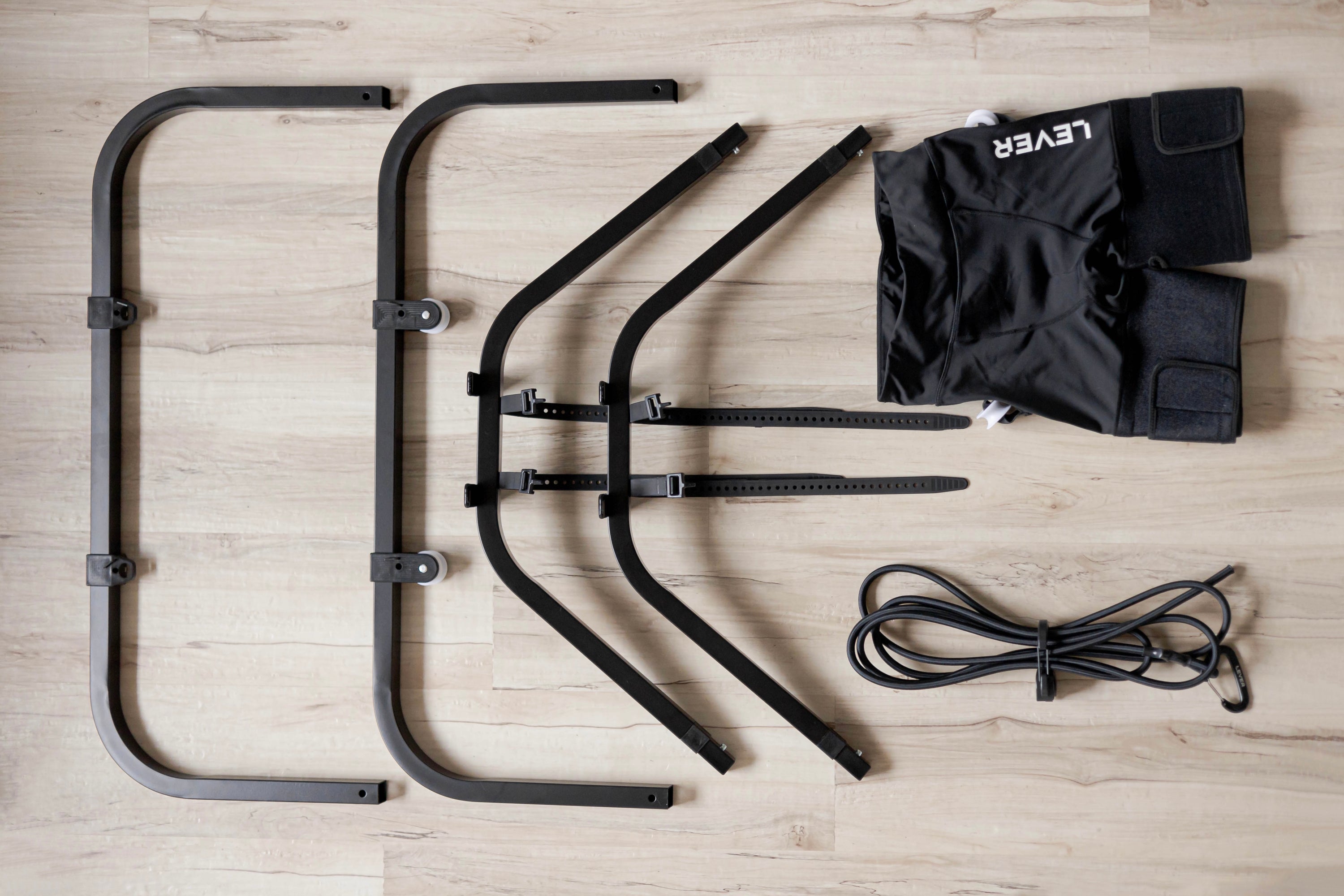
The LEVER system attaches to the treadmill you already have and reduces up to 45 lbs of body weight, so your athletes can run more, recover faster, and stay in the sport longer. No AlterG budget required.
Shop LEVER SystemsBeyond the Comeback: How the Whole Team Uses It
Like most coaches, Steffen came to LEVER for an injury. He stayed for everything else. More than 20 of his athletes have trained on the system, and it now shows up across the whole program:
Managing injury-prone athletes. One of his runners with a long injury history does one or two of her easy runs per week on LEVER, letting Steffen control her cumulative impact without cutting her volume.
Protecting athletes from the comparison game. One of his 800 runners, a 2:16 athlete on a squad with nine girls under 2:18, does her key workouts on LEVER so she has nothing to measure herself against but her own progress.
Pre- and post-workout volume. Distance squad athletes add volume around sessions without adding full-impact miles.
Recovery days. Easy days where controlling impact matters more than pace.
And then there's the stat that surprised even Steffen when we asked. Does his team ever run on the school treadmills without LEVER anymore?
"Not at school, no. I don't remember the last time they went in and ran without it."
— Coach Scott Steffen
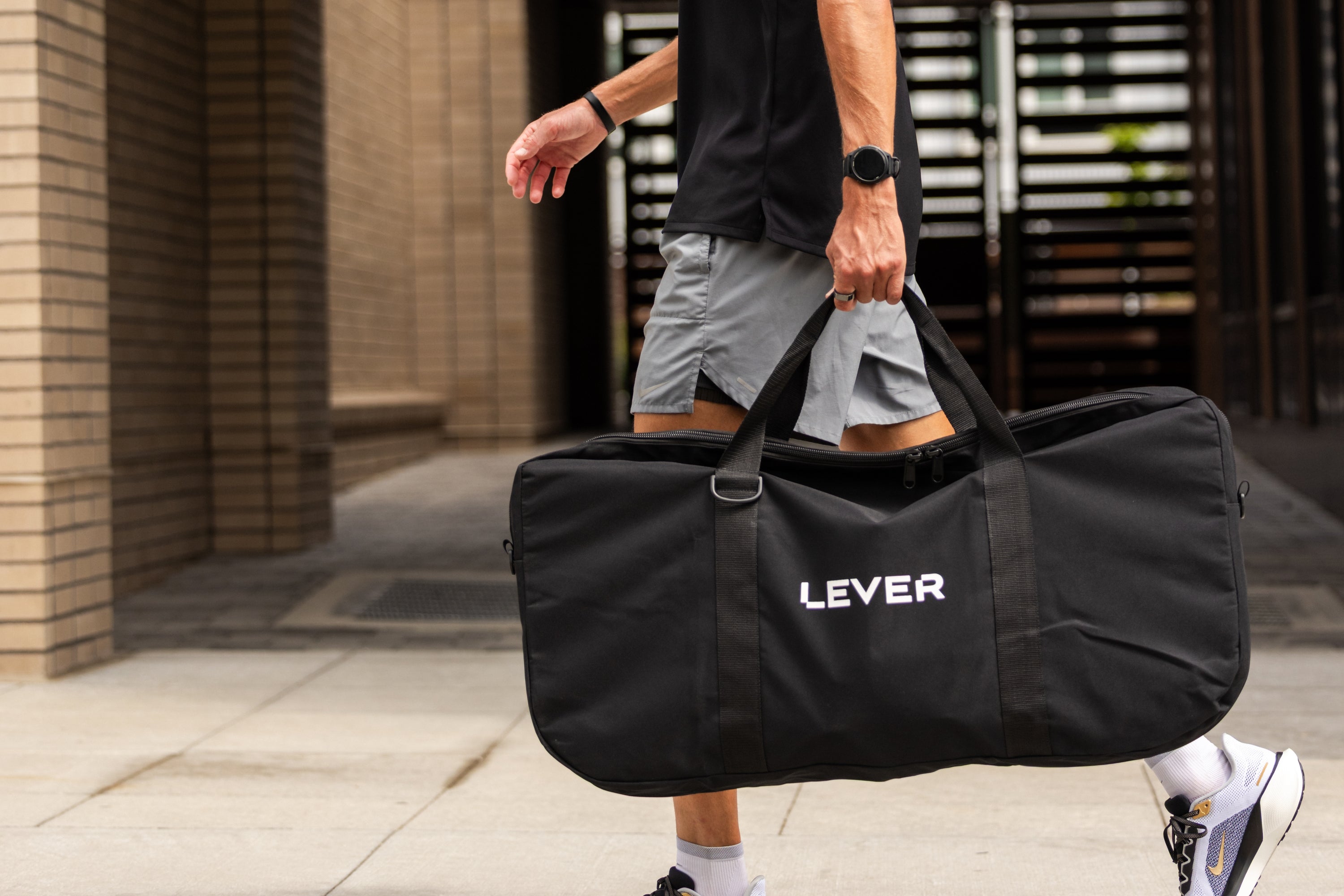
The portability mattered more than he expected, too. Over Christmas break, Weller took the system home in its bag and set it up on a treadmill at her local YMCA. Other Fort Wayne coaches have come to Concordia to watch his athletes train on it, and his athletic director came to watch multiple times during the spring season.
"I'm sold, especially when you don't have the budget for an AlterG. The flexibility to grab it in the bag and take it with you to the Y, or on spring break, is just amazing."
— Coach Scott Steffen
Takeaways for Coaches
Frequency first, weight second
Steffen rebuilt days per week on LEVER before reducing body weight support, then progressed one 8 lb marker at a time.
Split runs bridge the gap
Short ground runs followed immediately by LEVER volume let athletes reintroduce impact without sacrificing fitness.
Keep a ground-mileage ceiling
Four ground days and roughly 32 ground miles per week was enough to win two state titles, because LEVER filled in the rest.
It's not just an injury tool
Recovery days, workout extensions, confidence building, and impact management for healthy athletes are where the system earns its keep year-round.