Seven weeks before the Paris Olympics, I couldn't walk.
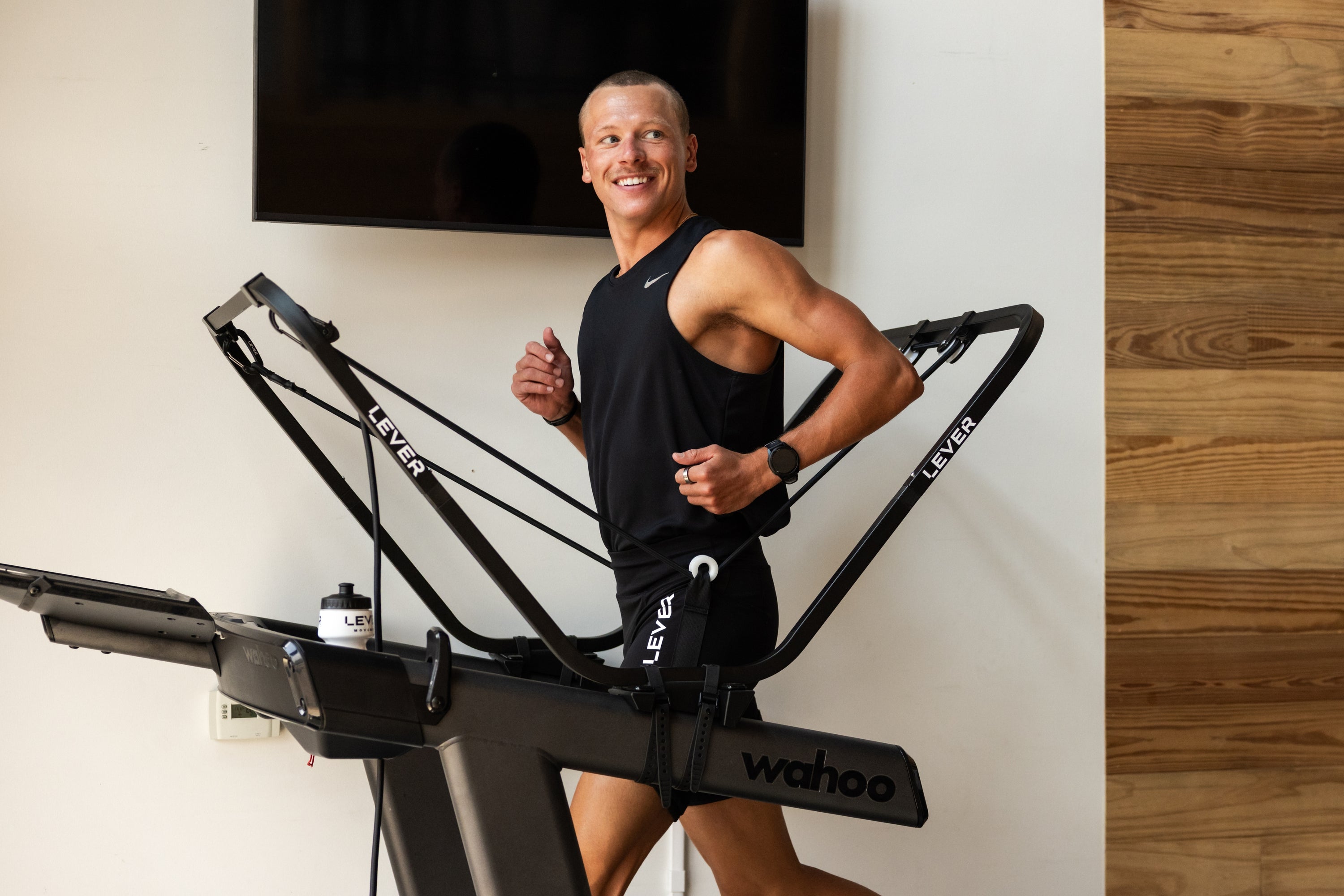
Six weeks before the Olympics, I was running twice a day, every day. And every single one of those doubles was done on the LEVER.
This is the story of how a chronic achilles injury nearly ended my Olympic year and how I came back to run 3:35 in the Olympic 1500m final off essentially six weeks of running. If you've ever faced an injury close to the biggest race of your life, I hope some of this helps.
Who I Am: A Quick Introduction
I'm Sam Tanner. I'm a two-time Olympian in the 1500m, New Zealand's record holder at the distance, and I train out of Tauranga, New Zealand with the OAC (On Athletics Club) training group under coach Craig Mottram.
My personal bests sit at 1:46.1 for the 800m and 3:31 for the 1500m. I've raced at the Tokyo and Paris Olympics, and right now I'm building toward the 2026 Commonwealth Games and the LA 2028 Olympic Games.
The Best Shape of My Life Then Everything Fell Apart
My journey with this particular setback started in 2024, when I was in the best shape of my whole entire life.
I'd just run an 800m PB down in Christchurch 1:46.1. I was stacking up crazy workouts. Double days. I'd just done the biggest week of my life just over 100 miles which was pushing it for me at the time. I haven't quite been back there since, unfortunately.
The workouts told me I was ready. Ten by one kilometre at 2:48 to 2:50 pace, with 60 seconds recovery. For a lot of distance runners that's bread and butter threshold work, but for a 1500m guy, that's a solid session. The day after that one, I paced an 800m and ran 1:48 low feeling amazing. I could've gone faster.
I knew I was in good shape.
And then, because it was Olympic year, I got a little aggressive. Got carried away. Shot myself in the foot almost literally.
How Chronic Achilles Pain Started and Why I Couldn't Shake It
It started as an achilles niggle. Nothing dramatic. Just that nagging tightness most distance runners have felt at some point.
But it didn't go away.
I reset once. Tried to come back. Reset again. Tried again. Each time I tested the achilles, it pushed back harder. Eventually I couldn't walk properly, let alone run. I kept trying because that's what you do in Olympic year until finally my physio looked at me and said: no, no, no. Let's call it quits.
If you've been there, you know the feeling. The pool-running sessions that drag on forever. Two-plus hours in the water doing aqua jog intervals, driving myself insane. Multiple hours on the bike. Watching your competitors post their workouts on Strava while you cross-train.
On top of all that, there was some drama around Olympic selection. For weeks, I genuinely believed I wasn't going to make it to Paris at all.
Why Achilles Injuries Are So Hard to Come Back From
The achilles tendon is unforgiving. It doesn't respond to willpower. You can't push through it the way you can push through general fatigue. Every time I tried to rush back, I paid for it.
That's why cross-training alone wasn't enough. The pool and the bike keep your aerobic fitness, but they don't keep your running-specific fitness. And with Olympic competitors getting faster every single day, aerobic fitness wasn't going to be enough.
I needed to actually run. I just didn't have a way to do it.
Finding the LEVER: The Gym Visit That Changed Everything
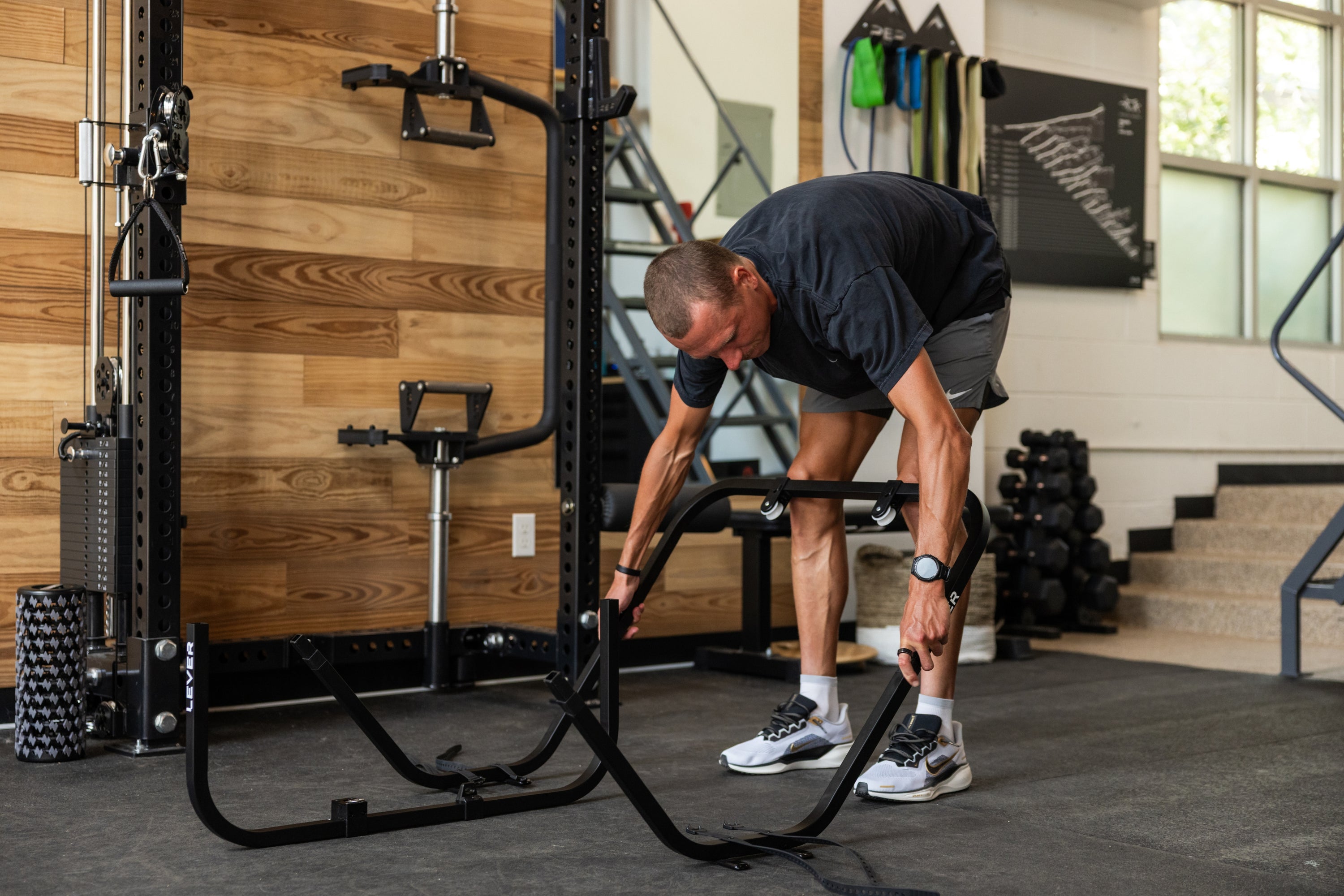
One day, I walked into the gym and found the New Zealand rugby 7s boys using a LEVER system. They had a permanent setup mounted on one of the treadmills in Tauranga.
I was like: "guys what is this?"
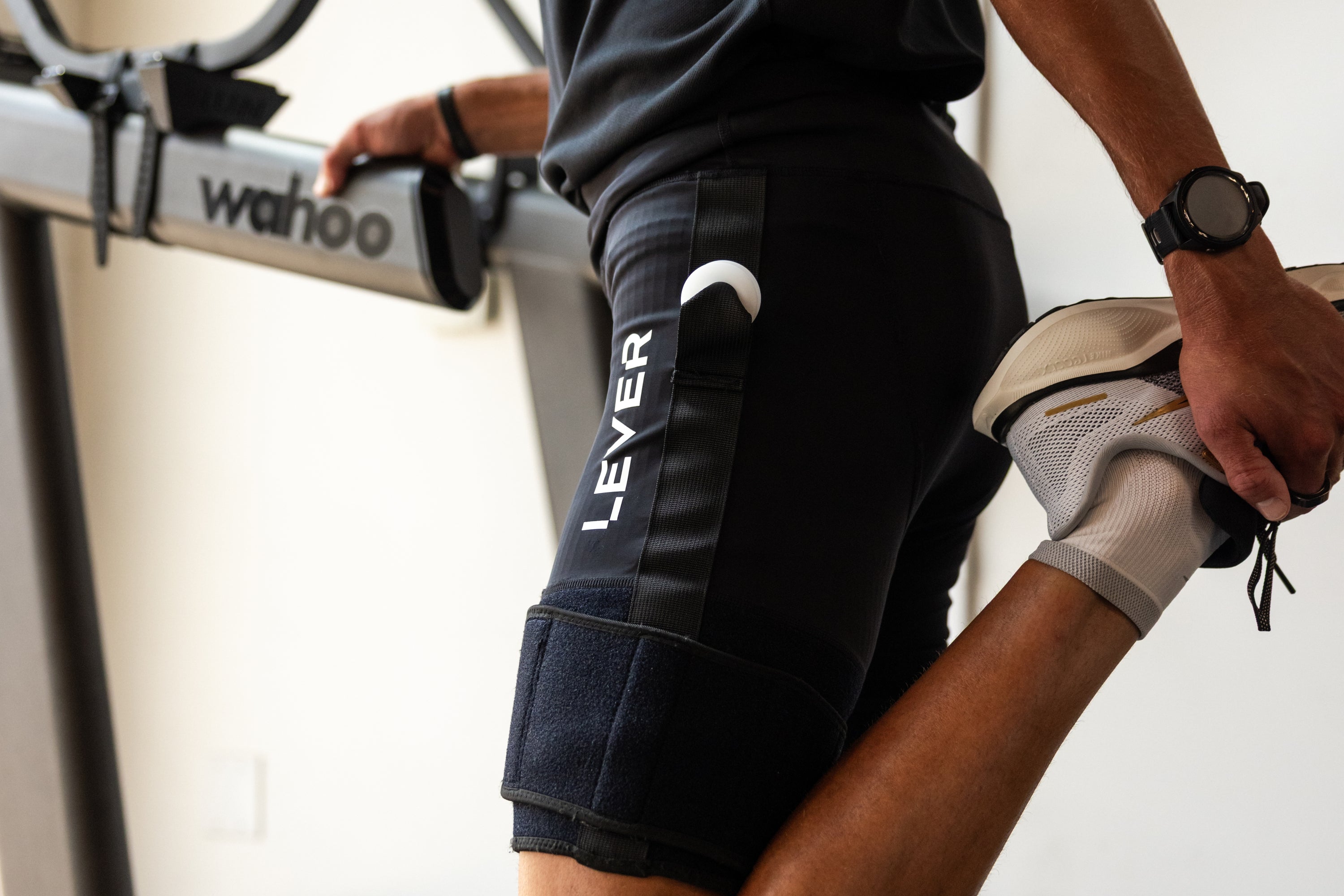
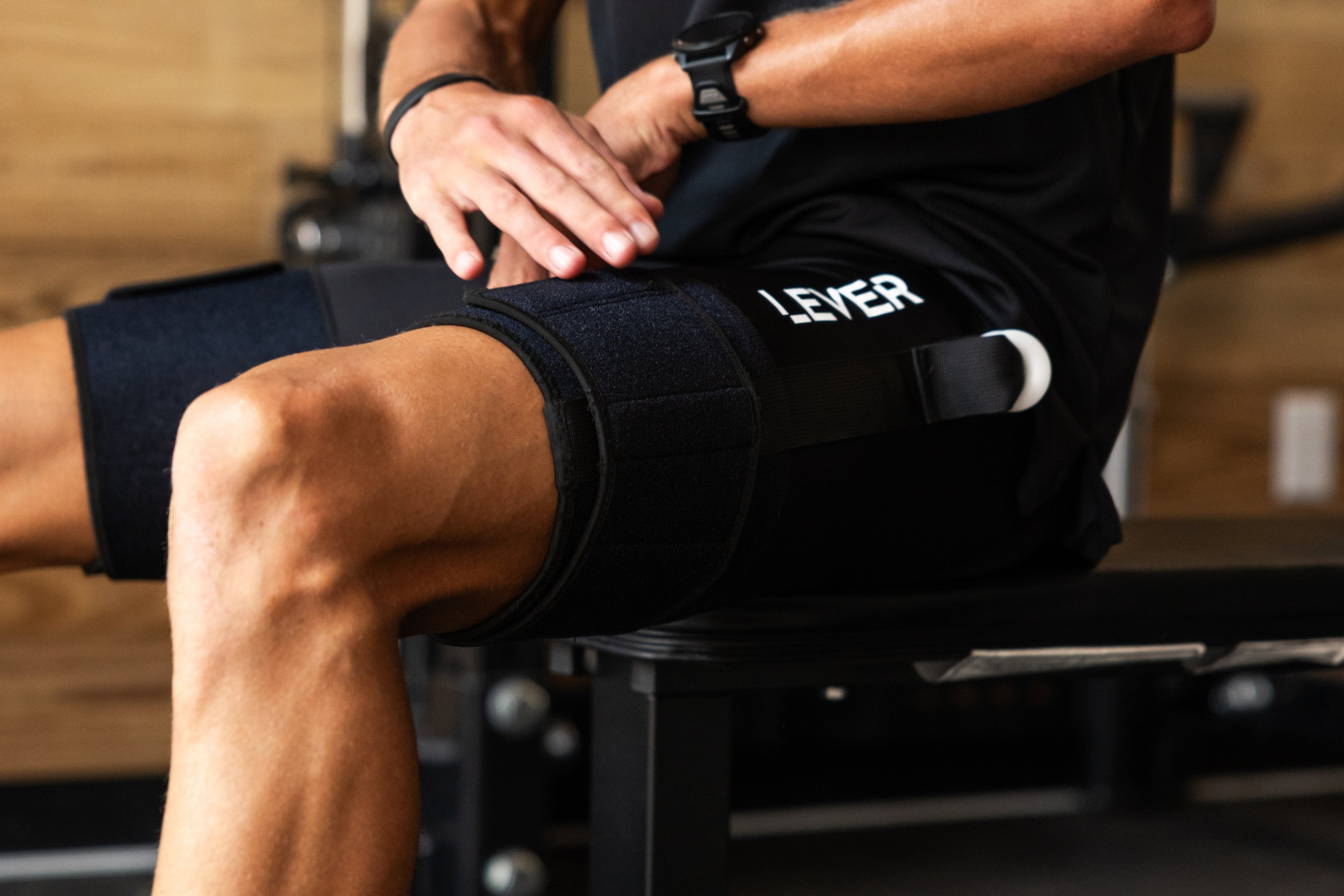
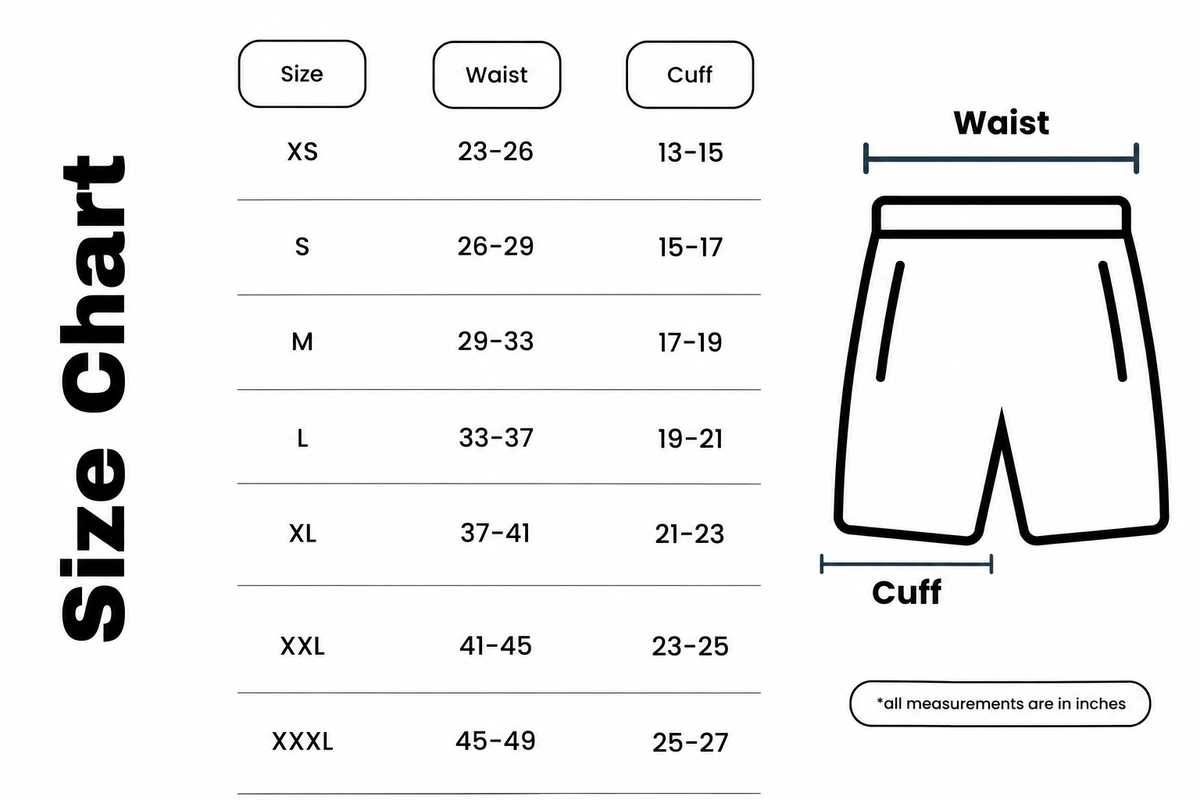
I borrowed their extra-large pants. They came up to my armpits. I got on the treadmill anyway and ran. Almost immediately I thought this is cool. I'm enjoying this.
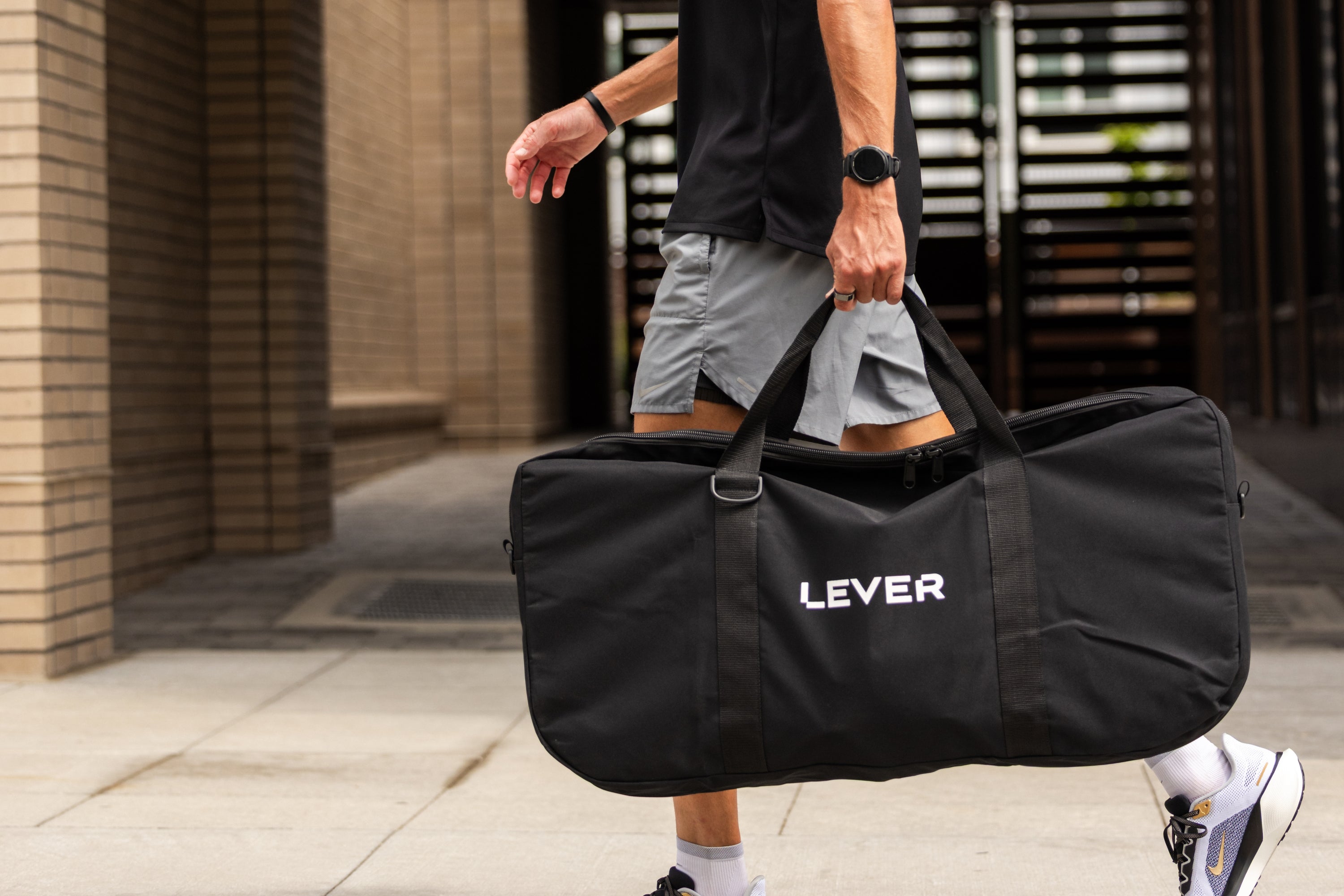
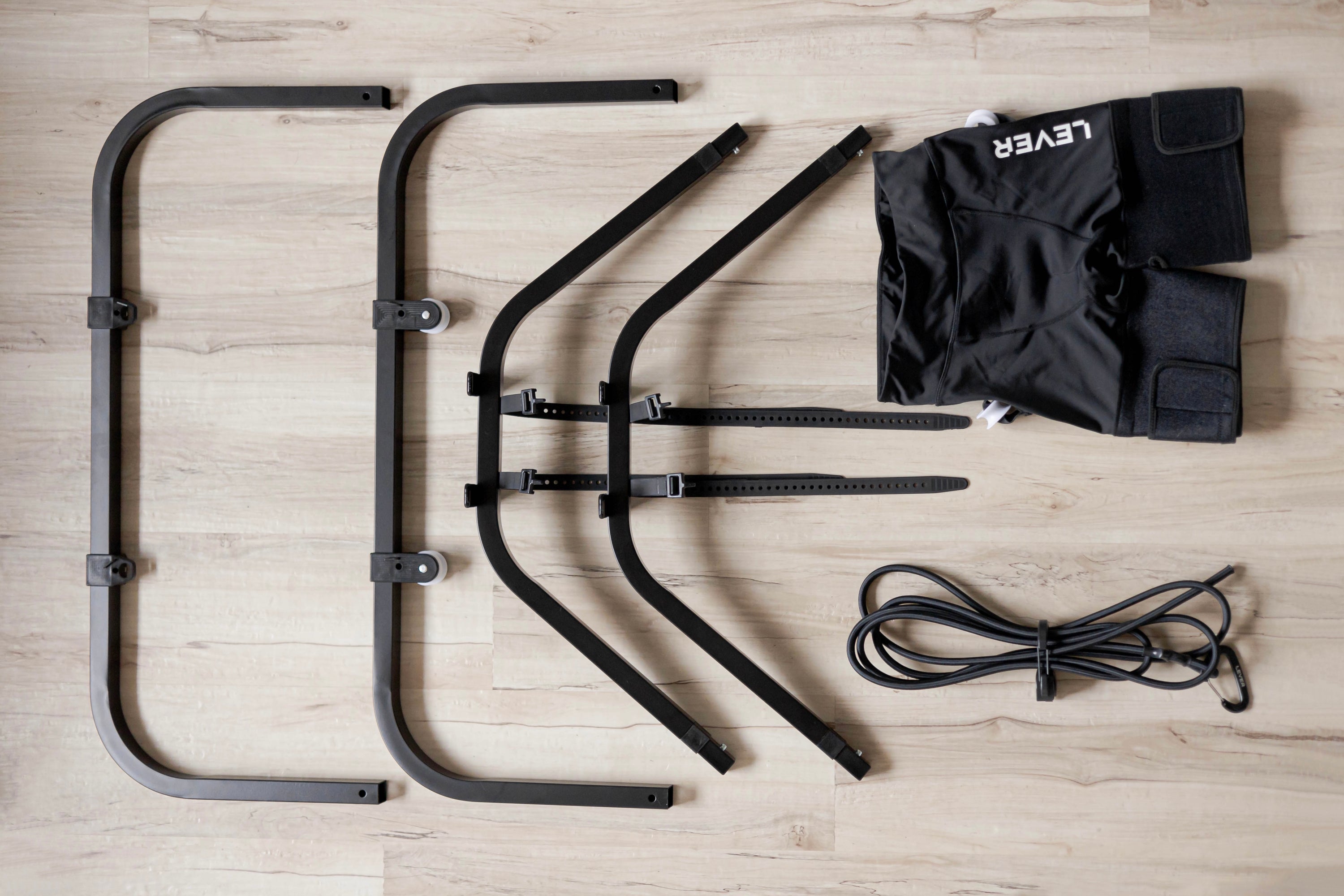
I went home, did some research, and messaged LEVER pretty much begging them to help me out. They were keen. They sent me a LEVER Go system it's essentially a little backpack with pants that actually fit this time.
What Happened When I Took 20 Kilos Off
The LEVER takes up to 20 kilos of body weight off whoever is running on the treadmill. I took the full 20 kilos off and all of a sudden I was like I'm back, baby. I'm feeling like a Kenyan.
Super light. Effortless. And for the first time in months, I was actually getting run mileage back under my legs.
That was the best tool I'd found to that point. It let me lock in and get real, quality training in before the Olympics.
So seven weeks out, when I still couldn't walk properly on the ground, I packed my bags for one last push. I packed the LEVER in the suitcase. I flew to Europe to Andorra, where Hayden Wilde was training and joined a team camp.
I was doing random things like downhill sprints to keep the achilles happy. A bunch of odd stuff. But it worked. From seven weeks of not running to 3:35 at the Olympic Games in six weeks of actual running. I'm pretty proud of that, and I credit a lot of it to the LEVER.
Running 3:35 at the Paris Olympic Games
I turned up to the Olympics and I was pretty confident. I knew I wasn't in the best shape of my life. But I was thankful to be on the start line.
There have been a lot of times in the last two years I've been thankful to be on the start line.
I was a little disappointed with the result, knowing the quality of training I'd done in those six weeks. But I understood why. It was arguably the most competitive Olympic 1500m final ever assembled. I walked away happy I'd raced. A goal I'd been chasing for a long time was Paris 2024 and ticking that off meant something.
How I Use the LEVER in My Training Now
Here's what most people don't realize about the LEVER: it was designed as an injury prevention and rehab tool. But it's way more than that.
Over the last couple of years I've been experimenting with what it can actually do, and the results have been wild.
Half-Marathon Workouts at 3:30 Pace
I've done half-marathon-distance workouts on the LEVER, warm-up and cooldown included, averaging 3:30 per kilometre. That's absurd when you factor in the warm-up and cooldown. Not something I could sustain outdoors.
Overspeed Sessions That Max Out the Treadmill
I've used it for overspeed work where I've literally maxed out the treadmill and I'm still thinking: come on, why won't this thing go any faster? The limiting factor isn't the LEVER anymore. It's the treadmill itself.
Threshold Workouts With Weight Off
Mid-week threshold work gets a lot easier when you can take five to ten kilos of body weight off. You still hit the physiological work, but the mechanical load on your tendons drops significantly.
Progressive Return to Running
Coming back from any setback, I can dial body weight exactly where I want. Not just 20 kilos off 8 off, or 5 off, or 3 off. That lets me progress back to full body weight in controlled increments instead of big jumps that would re-aggravate things.
A Typical LEVER Week in My Training
From a weekly point of view, I use the LEVER about twice a week, usually for my doubles, just to keep the tendons and calves happy especially when I feel little niggles coming on.
Every now and then I'll add a third session and use it for a full workout. That gives me more intensity in a week without the injury risk that would normally come with it.
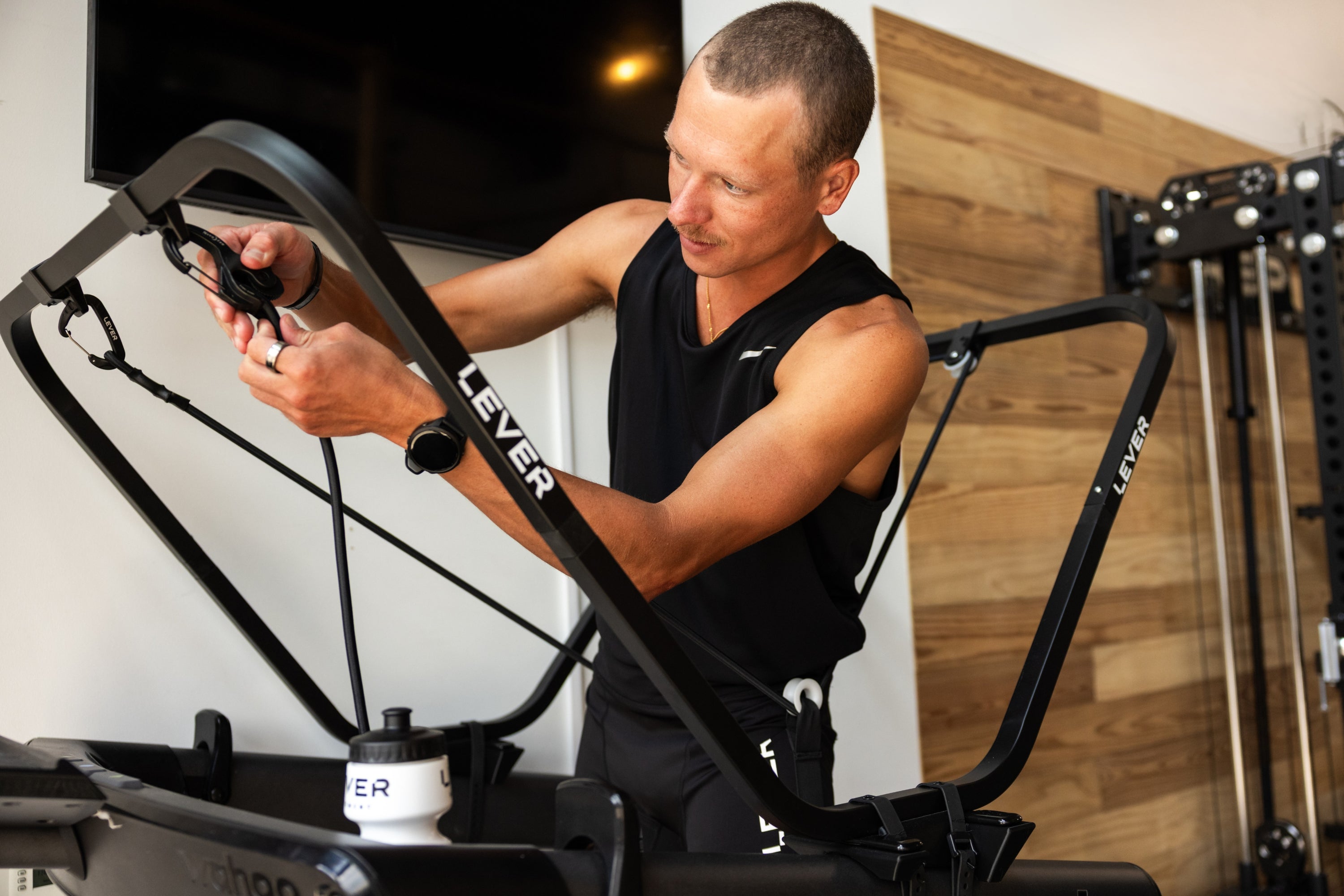
The LEVER adjusts to a lot of different treadmills, which matters. I've put it on a free spinning (curved) treadmill to really get the legs turning over. That combination reduced body weight plus curved belt is a different kind of stimulus.
Why the LEVER Beats Other Reduced-Impact Tools
People ask me how it compares to things like the Alter-G, or pool running, or the bike. Here's my honest take:
The pool and the bike keep your aerobic engine, but they don't keep your running. You lose running-specific fitness fast. Great for base fitness, not great for Olympic sharpness.
The Alter-G works, but it affects your arm carriage. You're running in a big inflatable chamber, and your natural running form changes.
The LEVER pulls from the hips. Your legs don't feel affected. Your arms swing naturally. You adjust the pulleys to whatever suits your running style. Form stays intact. It just feels natural and that matters when you're doing workouts you need to translate back to outdoor racing.
What's Next: Commonwealth Games 2026 and Beyond
Right now I'm in another rehab block, which is frustrating. But it means I've been back on the LEVER more, which I've actually been enjoying even though I'm staring straight at a white wall on the treadmill. You can lock in for way longer than you can outside. You can punish yourself in a really good way.
All eyes are on the Commonwealth Games in 2026. The LEVER is going in the suitcase when I travel to Europe this year. I'll be managing load carefully alongside my new coach, Craig Mottram. Craig Kirkwood was incredible at helping me manage the balance between LEVER, land running, pool, and bike I credit a lot of my success to him.
I'm excited for this new chapter with Craig Mottram and the OAC group. And with my younger brother Sam coming through and ripping it up on the track alongside me, hopefully we'll have two New Zealand medalists at the Commonwealth Games in 2026. Everything has to go right but we'll see what happens.
Who I'd Recommend the LEVER To
If you're reading this and you're hurt, frustrated, or worried about a race you've been chasing for years, here's who I think benefits most:
Injury-prone runners who need to supplement weekly mileage. Being able to take body weight off changes everything.
Runners in active rehab who need quality training without sacrificing injury risk or re-injuring themselves. That's what I've mainly used it for.
Runners who know they go too hard in training. Jump on the LEVER, take a couple of kilos off it doesn't have to be much and make the most of going hard with much less risk.
The biggest positive of the whole system is that it lets you go hard while massively reducing injury risk. You can trust that your body isn't going to break on you.
The Lesson I'm Taking From All of This
Here's what I'd tell anyone sitting at home right now with an achilles injury, watching their goals slip away:
Something that can seem like a huge setback before the biggest event of your life can turn out to be the best thing to help your career continue.
I thought my Olympics was over. Seven weeks out, I could not walk. Six weeks later, I was on the Olympic start line in Paris running 3:35. The injury forced me to find a smarter way to train and I'm a better athlete today because of it, not in spite of it.
If the last two years have taught me anything, it's that being on the start line is never guaranteed. Train hard. Train smart. And when something goes wrong and it will the comeback is where the real story starts.
Sam Tanner is a two-time Olympian and the New Zealand 1500m record holder. He trains with the OAC (On Athletics Club) group in Tauranga, New Zealand.
Learn more about the LEVER system and how it can support your return-to-run progression at LEVER.