When a running injury takes you off the road, two options come up again and again: the AlterG Anti-Gravity Treadmill at a rehab clinic, or pool running at your local lap swim facility. Both have real benefits. Both have real drawbacks. And neither one is the full answer for most injured runners.
There is a third option that most runners never hear about until they stumble across it, one that outperforms both in the ways that matter most for getting back to training fast. We will get to that. But first, let's give the other two a fair look.
What is pool running and does it actually work?
Pool running, also called aqua jogging, means running in the deep end of a pool wearing a flotation belt, with your feet never touching the bottom. You mimic the motion of running on land: knee drive, arm swing, push-down through the foot. Because there is zero ground contact, there is zero impact force transmitted through your legs.
The research on it is actually solid. Studies show aqua jogging can maintain aerobic fitness for up to four to six weeks in trained runners, with no significant drop in 5K performance after four weeks of pool-only training. For a runner who just got diagnosed with a stress fracture or needs two weeks off land running, that is genuinely useful.
But pool running has a ceiling, and most runners hit it quickly.
- Zero impact, safe for almost any injury
- Maintains aerobic fitness for up to 6 weeks
- Preserves running-specific muscle patterns
- Low cost if you have pool access
- Requires a pool, schedule, and commute
- Heart rate runs lower than land running
- No actual ground contact or foot strike
- Mentally exhausting with no pace feedback
- Wet hair, chlorine, changing rooms
- Fitness degrades beyond 6 weeks
The biggest problem with pool running is not the workout itself. It is everything around the workout. You need a pool that allows lap swimming during hours that fit your schedule. You need a flotation belt. You need to deal with a commute, shared lanes, and the general misery of doing 45 minutes of invisible running in a rectangle of chlorinated water with no music and no feedback telling you how hard you are working.
Most runners try it for a week and quietly stop going.
What is the AlterG and who is it actually for?
The AlterG Anti-Gravity Treadmill is a sophisticated piece of hospital-grade medical equipment. Using NASA-derived Differential Air Pressure technology, it seals a pressurized chamber around your lower body and uses air pressure to reduce the gravitational load on your legs, down to as little as 20 percent of your body weight. It was designed for clinical settings: post-surgical patients, neurological rehab, and complex cases where a licensed physical therapist needs to manage load with medical precision.
It works exceptionally well for what it was built to do. The problem is that it was not built for you.
- Precise load reduction in 1% increments
- Real treadmill running with actual foot strike
- Gait analytics and video monitoring available
- Effective for complex clinical rehab cases
- Costs $34,900 to $75,000 per machine
- Only available at select clinics and hospitals
- Requires booking an appointment in advance
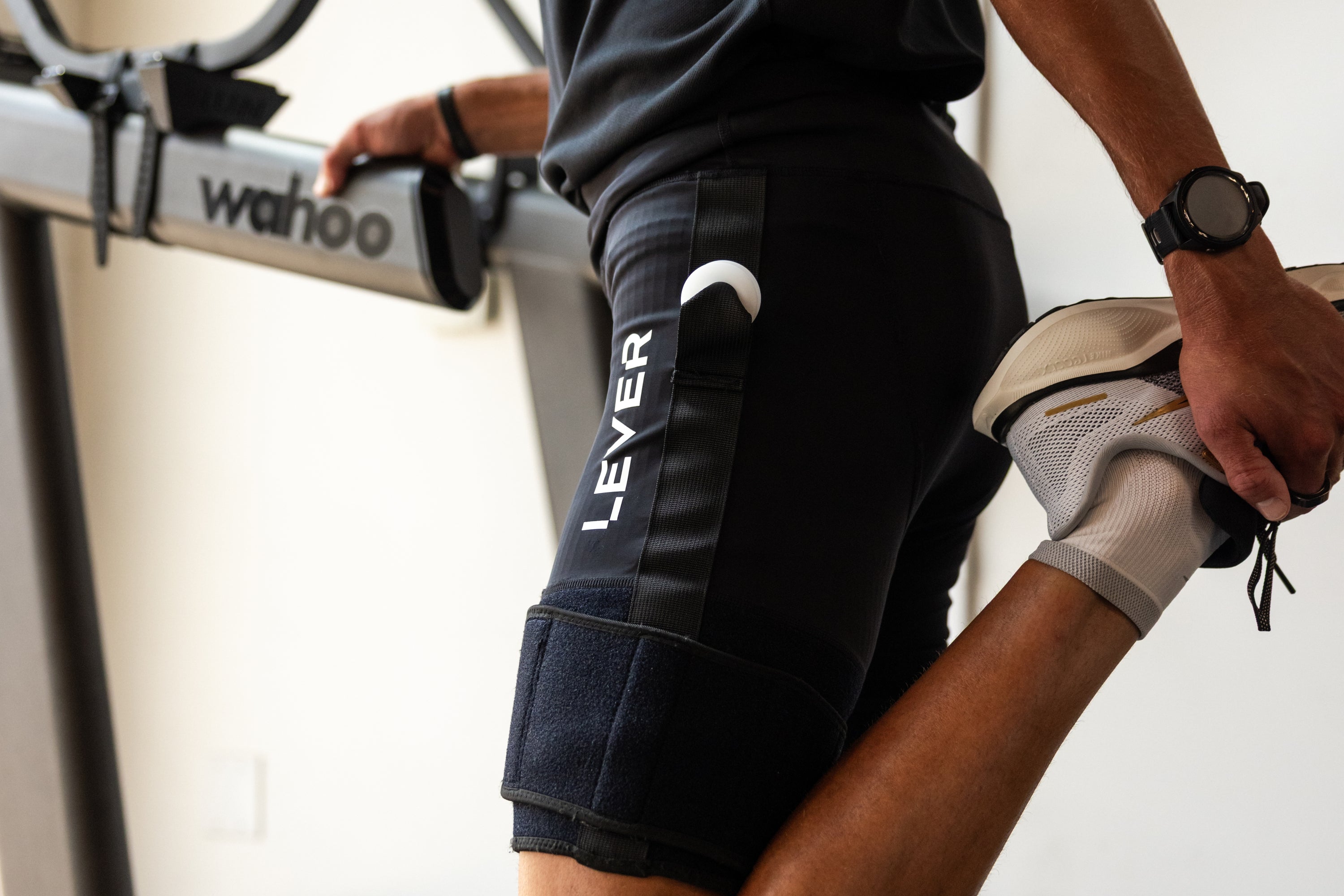
- Specialized shorts and 15-20 min setup per visit
- $20 to $50 per 30-minute session
- Limited hours, shared access
The AlterG is genuinely impressive technology sitting in a setting that makes it almost inaccessible for the average injured runner. You are not a hospital patient. You do not need a physical therapist to supervise every stride. You need to keep training through an injury without making it worse, and you need to do it on your schedule, not theirs.
The problem both options share
Here is what pool running and AlterG clinic visits have in common: they both take you away from your normal training environment, require you to go somewhere else, and give you a fundamentally different experience than running on your own treadmill.
Pool running removes all ground contact, which means your foot never practices the movement it needs to do when you return to land. You come back to running after six weeks in the pool and your legs have no memory of impact. The transition back is its own injury risk.
AlterG sessions give you real foot strike and real treadmill mechanics, which is genuinely valuable. But at $20 to $50 per session, three to five times a week, over an 8 to 16 week recovery, you are looking at over a thousand dollars spent just getting access to a machine you use for 30 minutes before driving home.
The best recovery tool is the one you will actually use every day. Neither a pool session nor a clinic appointment clears that bar for most runners.
There is a third option: LEVER UP
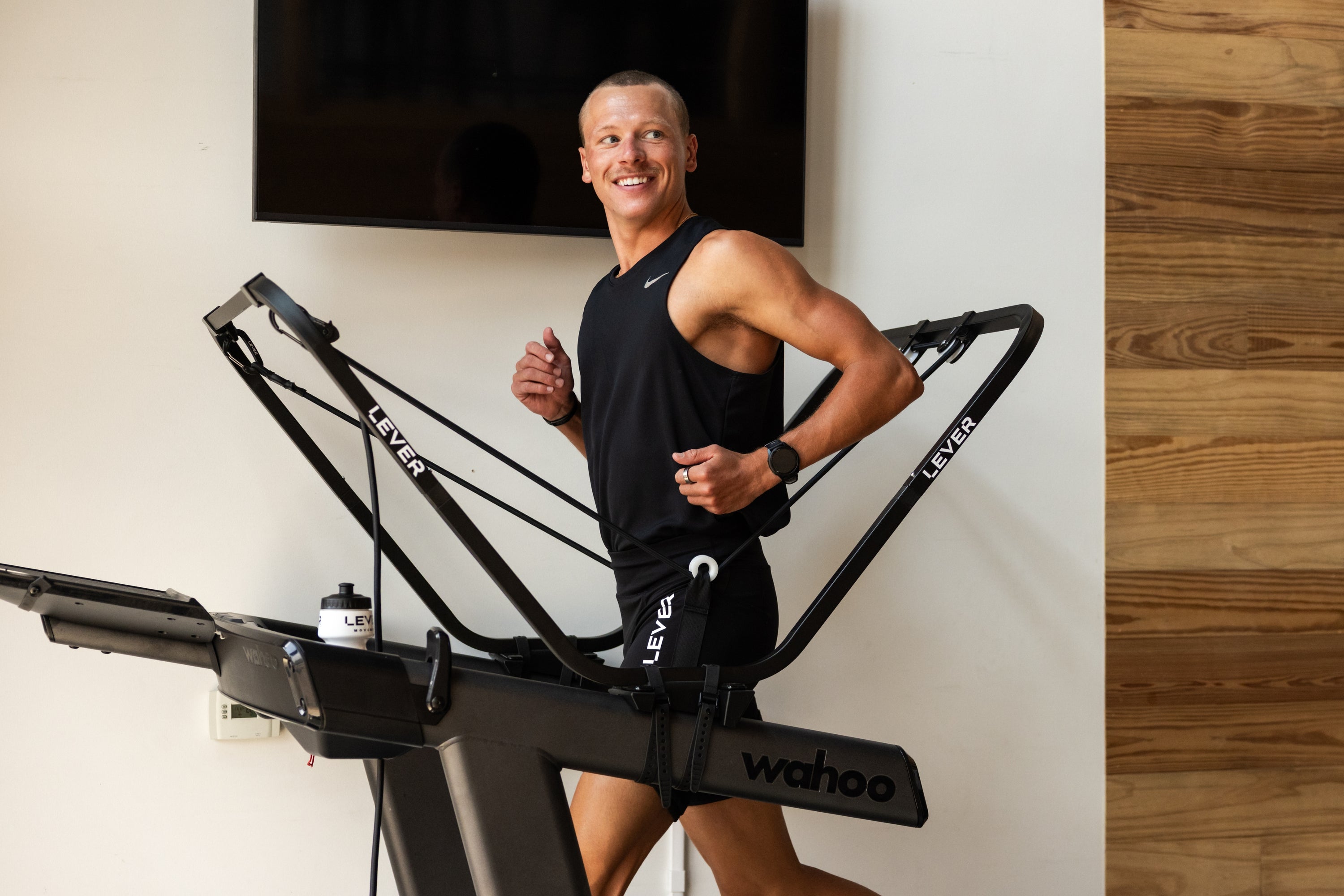
The LEVER UP system by LEVER Movement does something neither the pool nor the AlterG can do: it lets you run on your own treadmill, at home or at your gym, with reduced body weight, any time you want, for a one-time cost of $999.
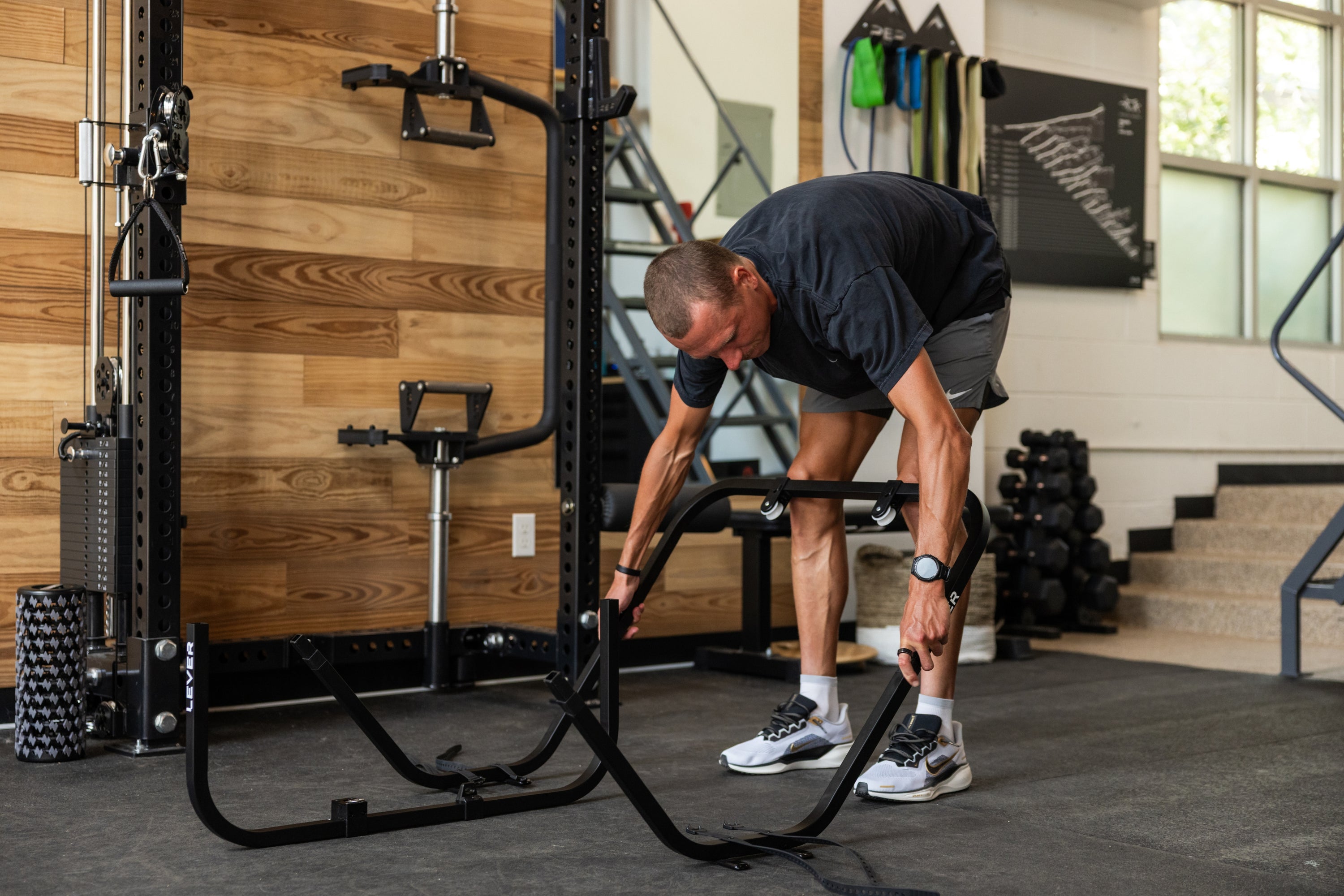
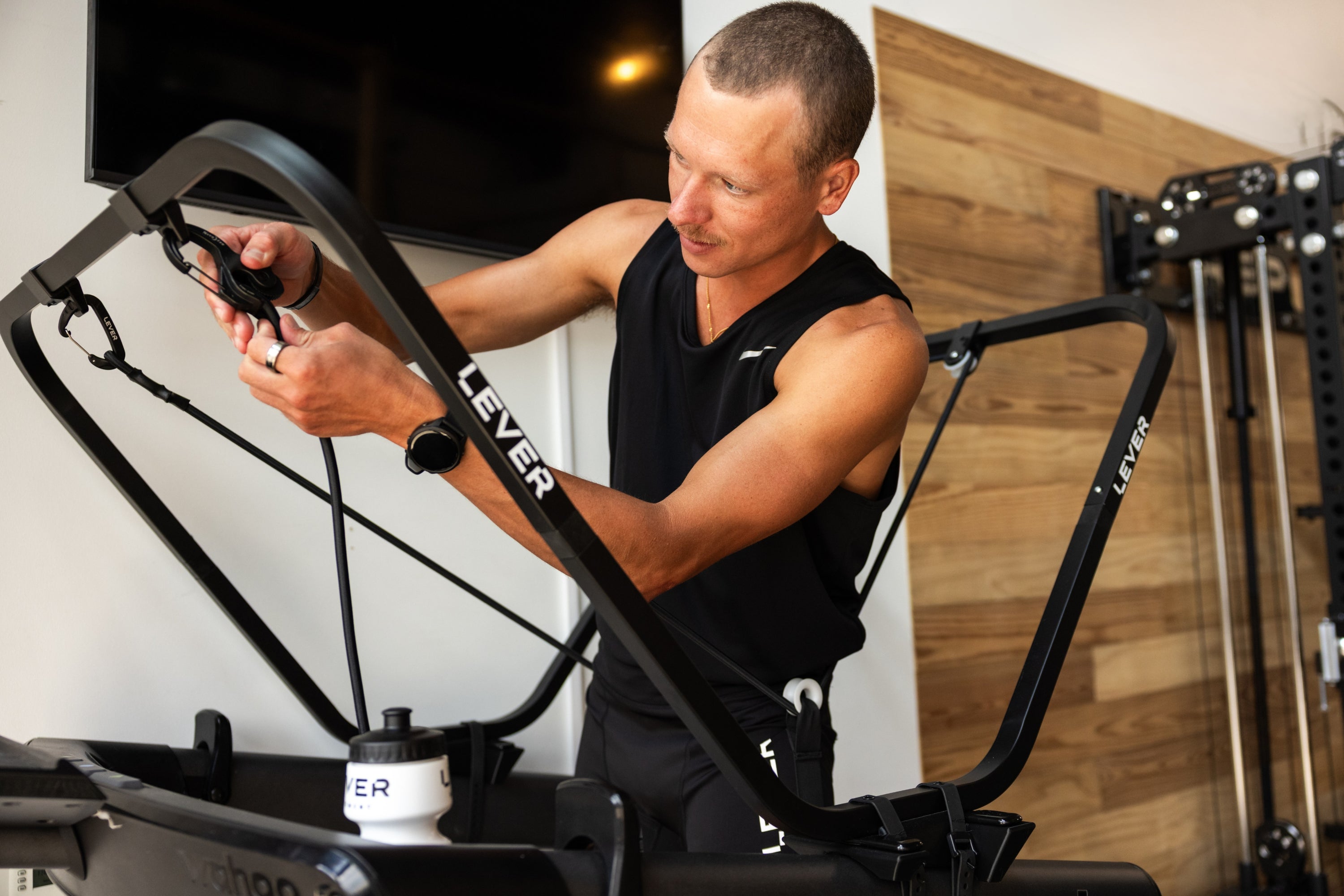
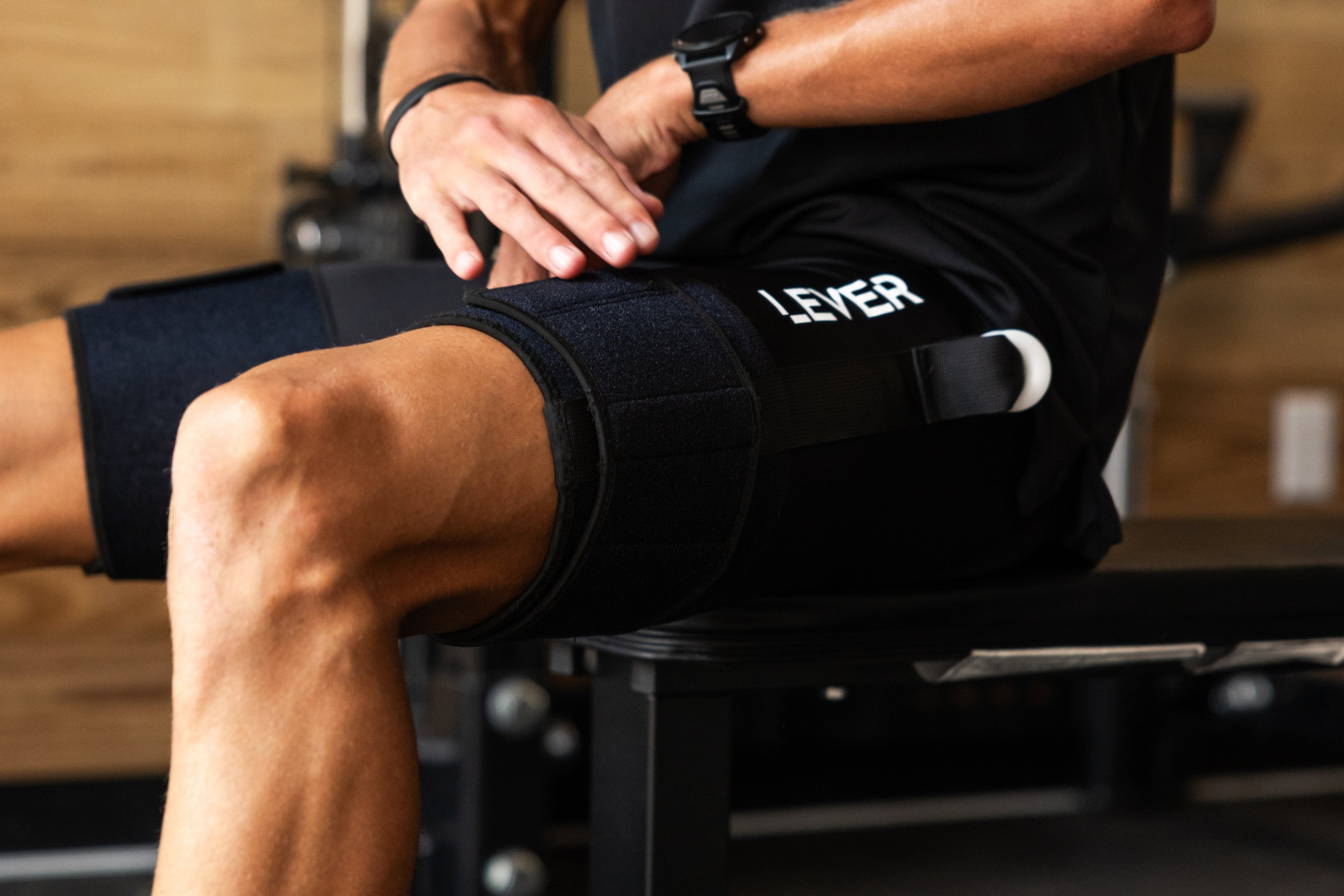
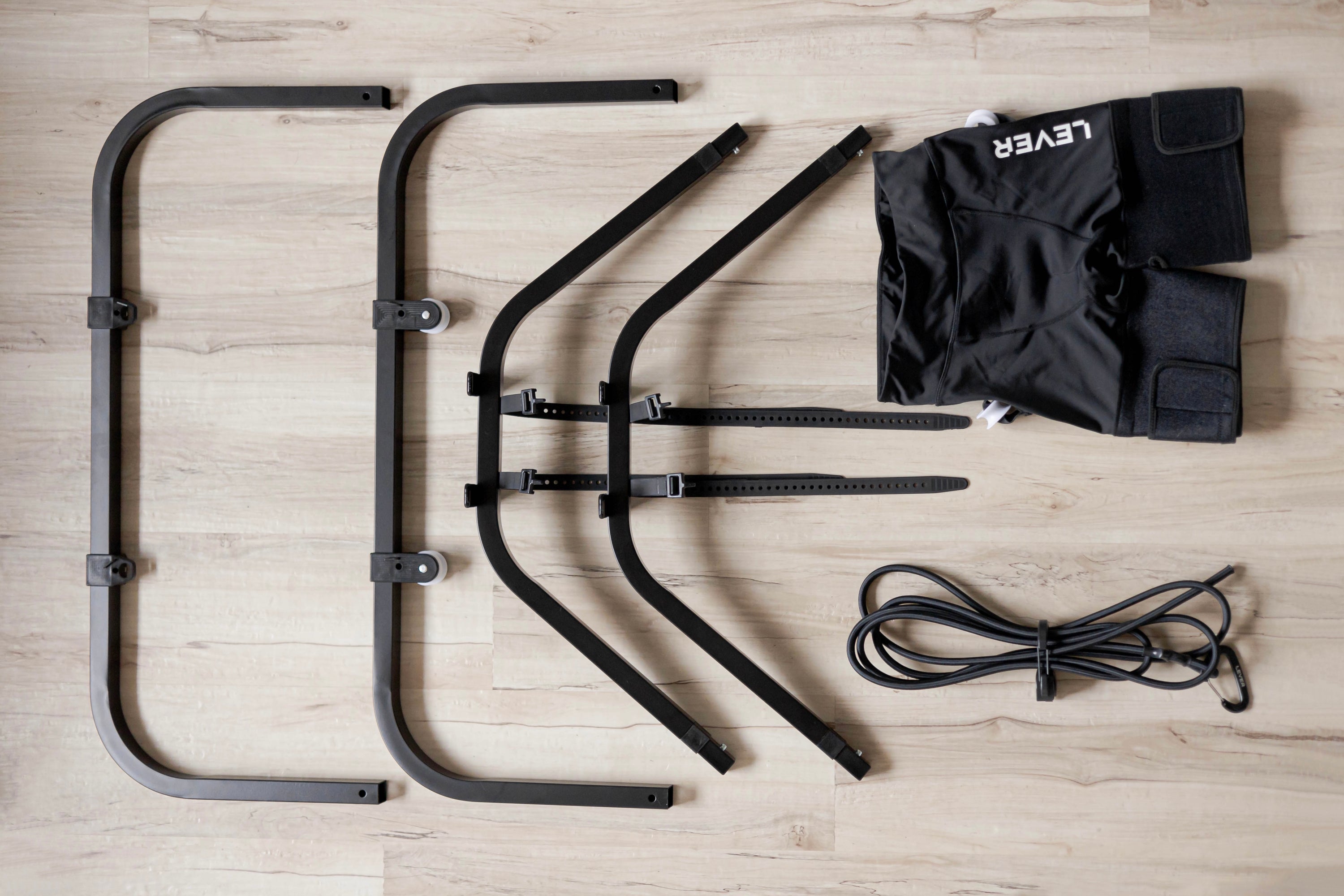
LEVER UP is a body-weight unloading harness that attaches to any standard treadmill. It uses a bungee-assisted lift system to reduce up to 45 lbs of body weight on every stride. You get real foot strike. You get real running mechanics. You get pace and speed feedback from your own treadmill display. And you are set up and running in under five minutes.
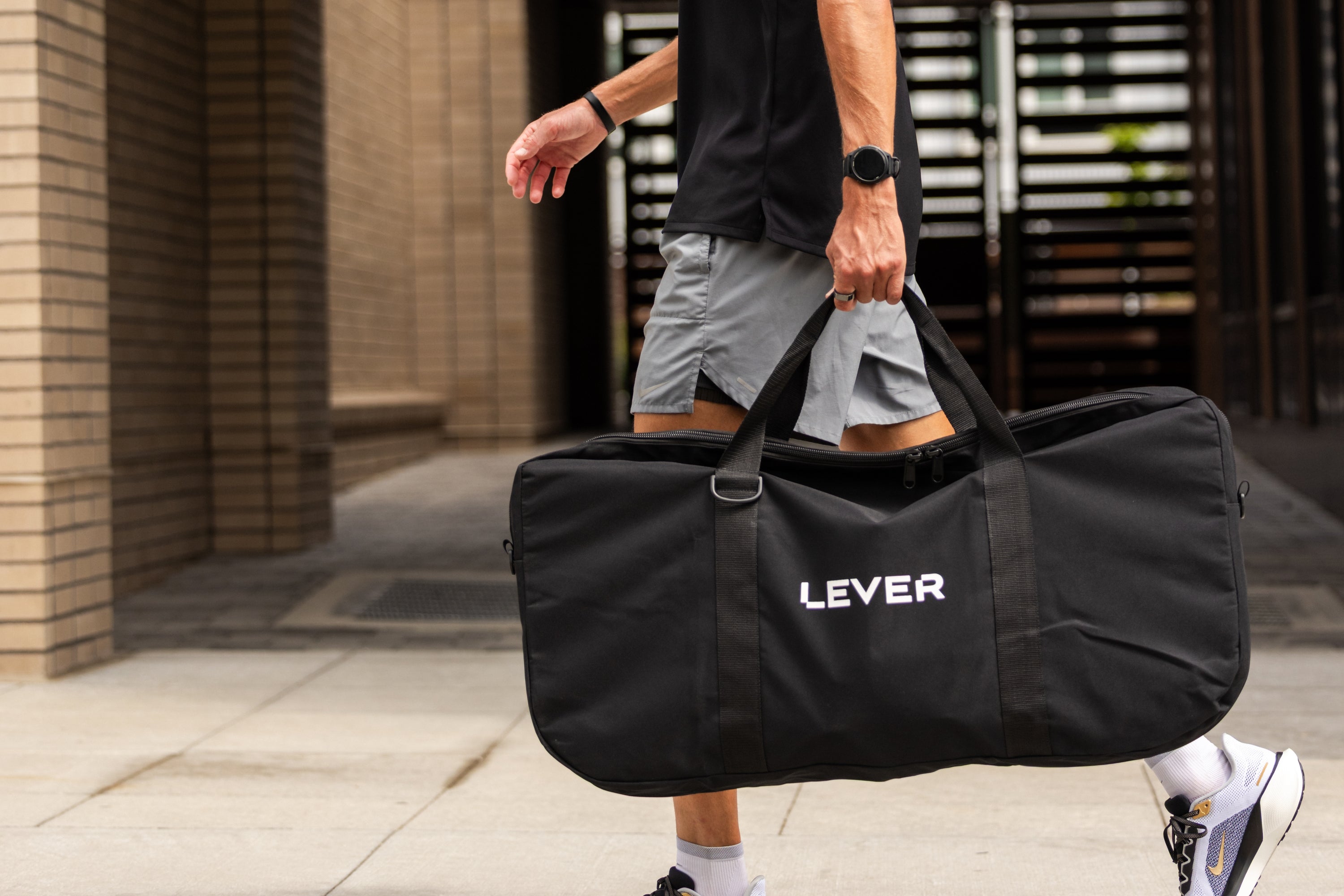
No appointment. No commute. No chlorine. No specialized shorts. No $50 session fee. Just your treadmill, your harness, and your training.
How LEVER UP compares across every dimension
| Category | Pool Running | AlterG at a Clinic | LEVER UP |
|---|---|---|---|
| Cost | Pool fees vary | $20-$50 per session | $999 one time |
| Where | Pool facility only | Clinic or hospital only | Home or any gym |
| Setup time | Drive, change, warm up | 15-20 min plus travel | Under 5 minutes |
| Real foot strike | No, zero ground contact | Yes | Yes |
| Pace feedback | None | Yes, treadmill display | Yes, your own treadmill |
| Appointment needed | Lane booking required | Yes, days in advance | Never |
| Maintains run mechanics | Partially | Yes | Yes |
| Available daily | Pool hours only | Clinic hours only | Any time |
Why real foot strike matters during injury recovery
One of the most overlooked problems with pool running is what happens when you come back to land. Because aqua jogging involves zero ground contact, your neuromuscular system gets no practice absorbing impact during your entire recovery period. The tendons, bones, and connective tissue that need to gradually reload as you return to running have been completely unloaded, not just reduced.
LEVER UP takes a fundamentally different approach. Rather than removing impact entirely, it reduces it. Your foot still strikes the belt. Your tendons still load and unload. Your body still practices the mechanics of running. The stress is simply lower, which is exactly what an injured runner needs: not zero load, but the right load.
This makes the transition back to full training dramatically smoother. You have spent your recovery period running, just with less weight. Your body knows exactly what to do when you take the harness off.
Who LEVER UP is built for
Keep running while the bone heals. Reduce impact force while maintaining fitness and mechanics.
Reduce tendon load on every stride for a safer, faster return to full training.
Cut compressive and lateral forces through the knee without stopping your training.
Unload the fascia on every foot strike, allowing the tissue to recover between sessions.
Add volume without adding wear. Use LEVER UP for easy days to protect your legs.
Bridge the gap from physical therapy back to full training load after surgery.
The real cost comparison over a 12-week recovery
Run the numbers on a typical 12-week injury recovery with three sessions per week. At AlterG clinic rates of $20 to $50 per session, you are spending $720 to $1,800 just for access, before gas, parking, or the hour of your day lost to the commute. Pool access varies but still requires travel, scheduling, and monthly membership fees in most cases.
LEVER UP costs $999, once, and then every session for the rest of your life is free. Whether you recover in 8 weeks or train with it for 8 years, the math gets better every single time you use it..
So which is better for injury recovery?
Pool running is a legitimate tool, especially in the first two to four weeks of an injury when even reduced-load running is off the table. If your injury is severe enough that any foot strike at all causes pain, the pool is a reasonable bridge to keep your cardiovascular fitness from cratering.
The AlterG is the right choice when you need precise clinical load management under the supervision of a physical therapist, for complex post-surgical cases or neurological conditions where 1% increments of weight reduction matter medically.
But for the vast majority of injured runners, including those dealing with stress fractures, Achilles problems, knee pain, and plantar fasciitis, LEVER UP is the better answer. It gives you real running, on your own treadmill, at reduced load, every day, at a fraction of the total cost. No commute. No appointment. No chlorine. Just running.
Stop choosing between the pool and the clinic.
LEVER UP attaches to your treadmill in minutes and unloads up to 45 lbs of body weight. Run through your recovery at home.
Shop LEVER UP for $999 Free shipping · 30-day returns · Works with most treadmills