Every runner has the same internal argument. You know you should be running more easy miles. You've heard the podcasts. You've seen what the elites do. But every time you try to build volume, something starts to ache and within a few weeks, you're right back where you started.
That cycle isn't a failure of discipline. It's a physics problem. More miles means more impact, and the human body can only absorb so much ground-force repetition before something gives. The frustrating irony is that the training your body needs most high volumes of low-intensity running is exactly the kind of training most likely to get you hurt.
This is the paradox at the center of Zone 2 training. And solving it is the key to building the kind of aerobic engine that makes everything else in your running life easier.
What Zone 2 Actually Is (and Isn't)
Zone 2 refers to an effort level roughly between 60–70% of your maximum heart rate. At this intensity, you should be able to hold a full conversation without gasping between words. It feels easy suspiciously easy, if you're used to pushing the pace on every run.
But don't mistake low intensity for low value. This is the zone where your aerobic system does its deepest work. Your heart is pumping enough blood to stimulate real cardiovascular adaptation, but you're not generating the kind of metabolic stress that demands long recovery windows. It's the sweet spot where you can accumulate a large training stimulus without accumulating a large training debt.
Dr. Iñigo San Millán, the exercise physiologist behind Tadej Pogačar's Tour de France dominance, has been one of the most vocal advocates for this type of training — and his reasoning goes well beyond just running more miles.
The Science: What Happens Inside Your Body
When you run consistently in Zone 2, your body undergoes a series of adaptations that compound over time. These aren't marginal gains. They're foundational changes to how your body produces and uses energy.
These adaptations don't just make you a better Zone 2 runner. They raise the floor for everything. Your tempo runs feel more sustainable. Your intervals are sharper. Your recovery between hard sessions is faster. Zone 2 is the rising tide that lifts every other effort in your training.
The Volume Problem
Here's where theory meets reality. To get the full benefit of Zone 2 training, you need a meaningful amount of it. Research suggests that recreational athletes benefit from roughly three to six hours per week of this type of running, distributed across multiple sessions of 45 to 90 minutes each. Competitive runners often need even more.
That's a lot of time on your feet. And time on your feet means impact thousands of footstrikes per session, each one sending force through your ankles, knees, hips, and spine.
The majority of running injuries are overuse injuries they don't come from a single bad step, but from repetitive loading that exceeds what your tissues can handle. And the cruel math is this: the runners who are most committed to building their aerobic base are often the ones who push volume past their body's structural tolerance.
This is why so many runners live in a frustrating loop. Build mileage, get fit, get hurt, start over. The engine grows, but the chassis keeps breaking.
Solving the Equation: More Stimulus, Less Load
The key insight is that your cardiovascular system and your musculoskeletal system adapt at different rates. Your heart and lungs can handle more volume long before your tendons, bones, and joints are ready for it. So the question becomes: how do you give your aerobic system the stimulus it needs without overwhelming the structures that absorb impact?
There are a few strategies experienced coaches use to thread this needle.
Cross-training is the most common approach swapping some running sessions for cycling, swimming, or pool running. This gives your aerobic system work to do while removing ground-impact forces. The tradeoff is that these modalities don't train running-specific neuromuscular patterns, so there's a limit to how much you can substitute.
Treadmill running on softer surfaces can reduce impact compared to concrete and asphalt, and allows for precise pace and heart rate control. It removes variables like wind, hills, and terrain, making it easier to stay locked in Zone 2.
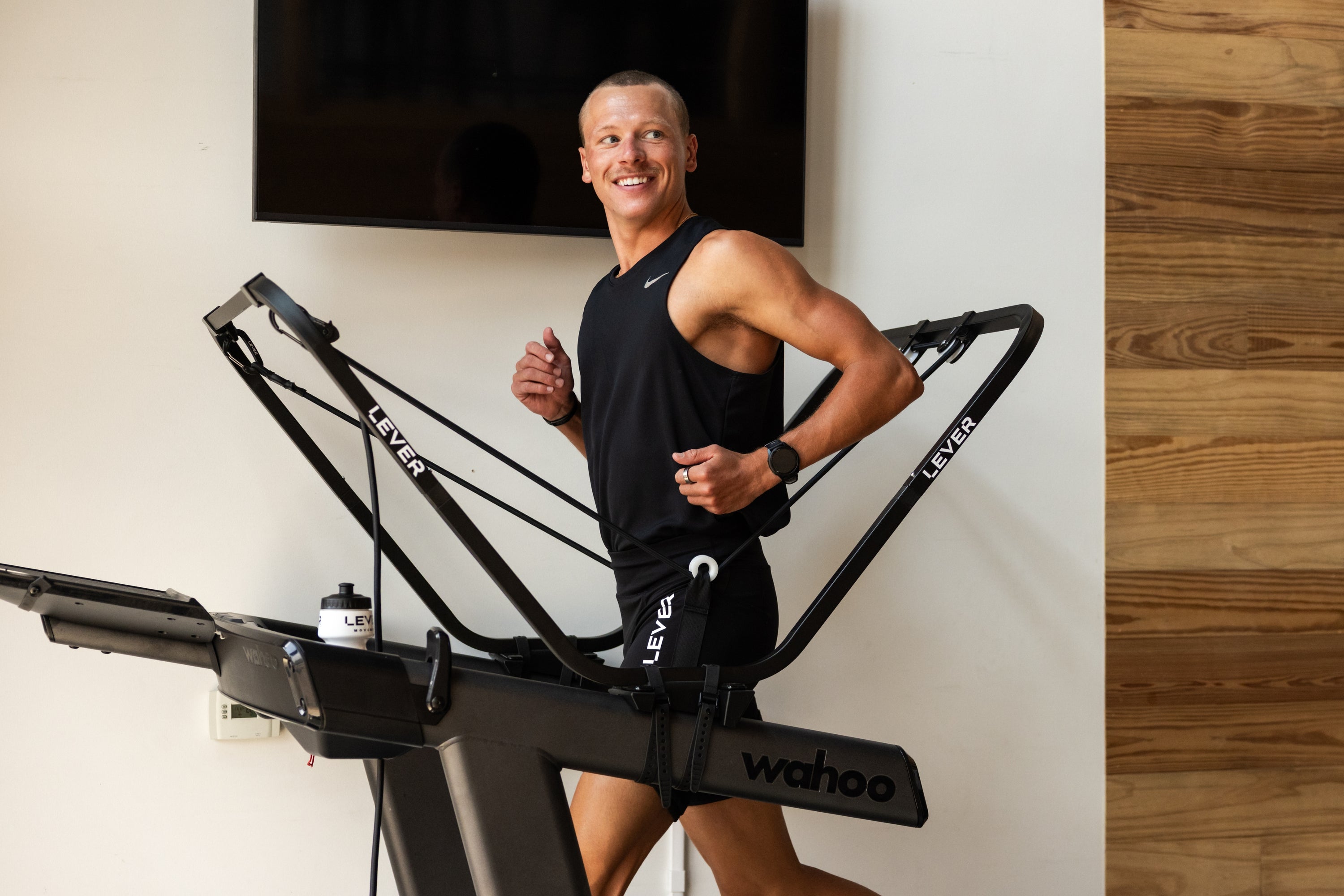
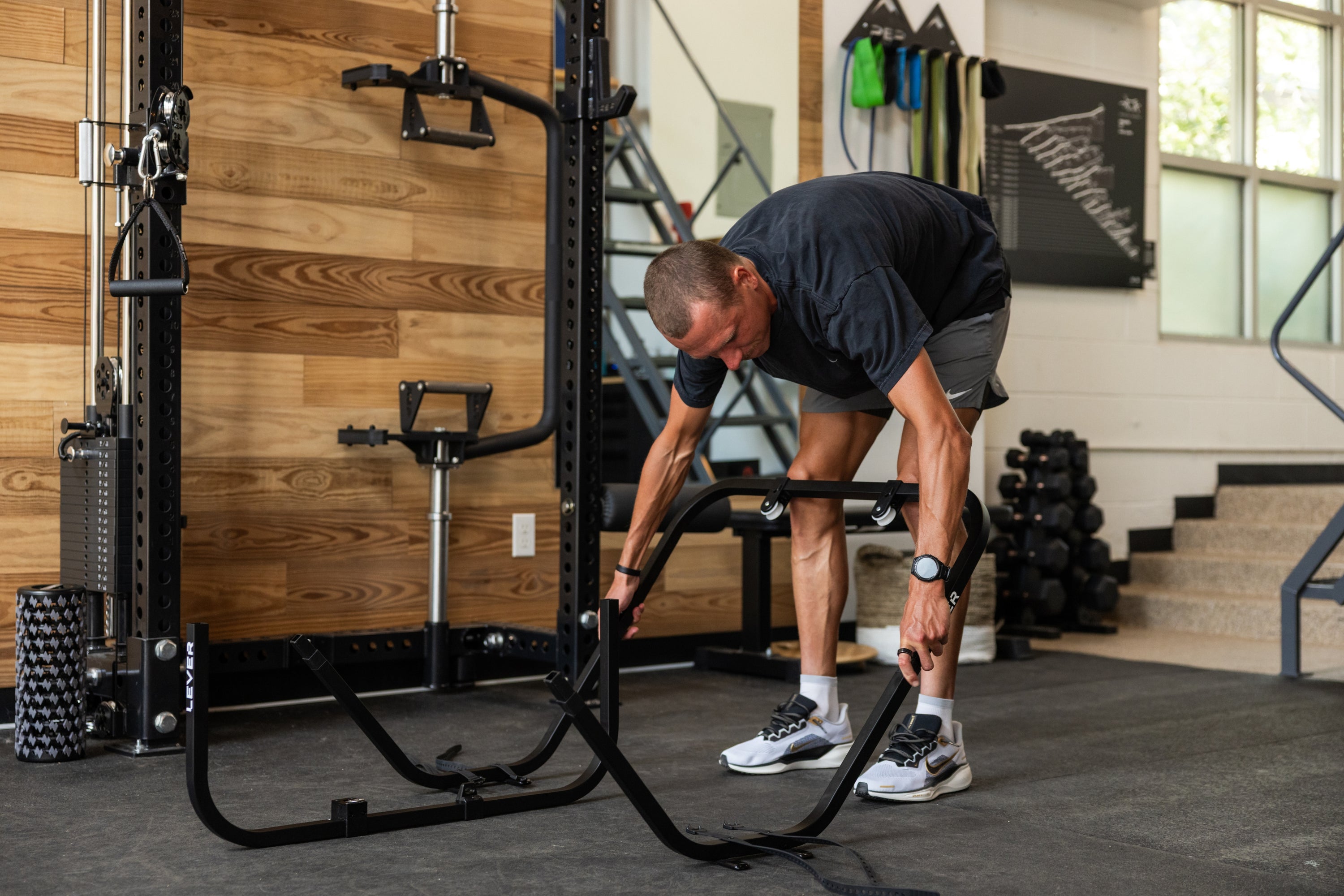
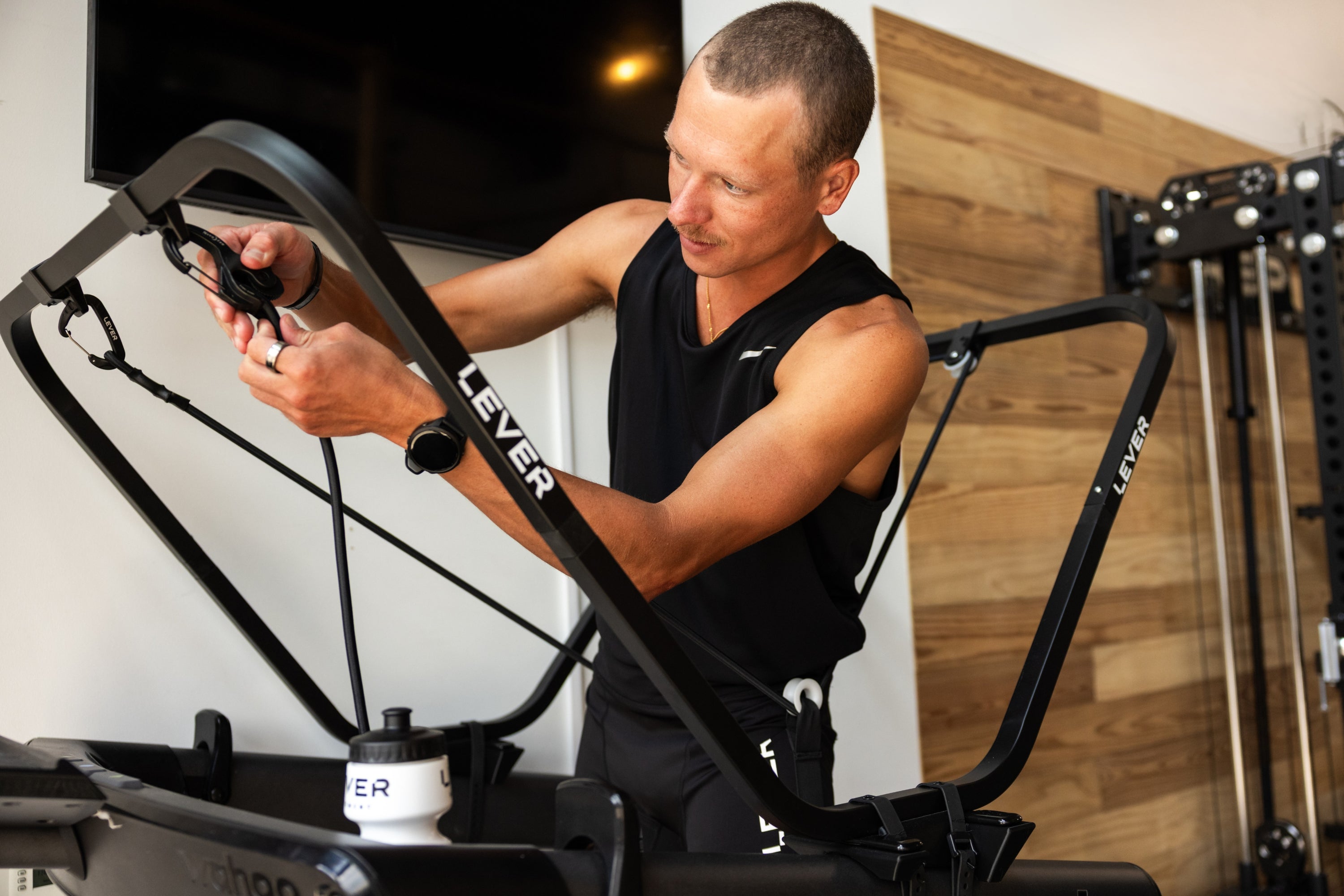
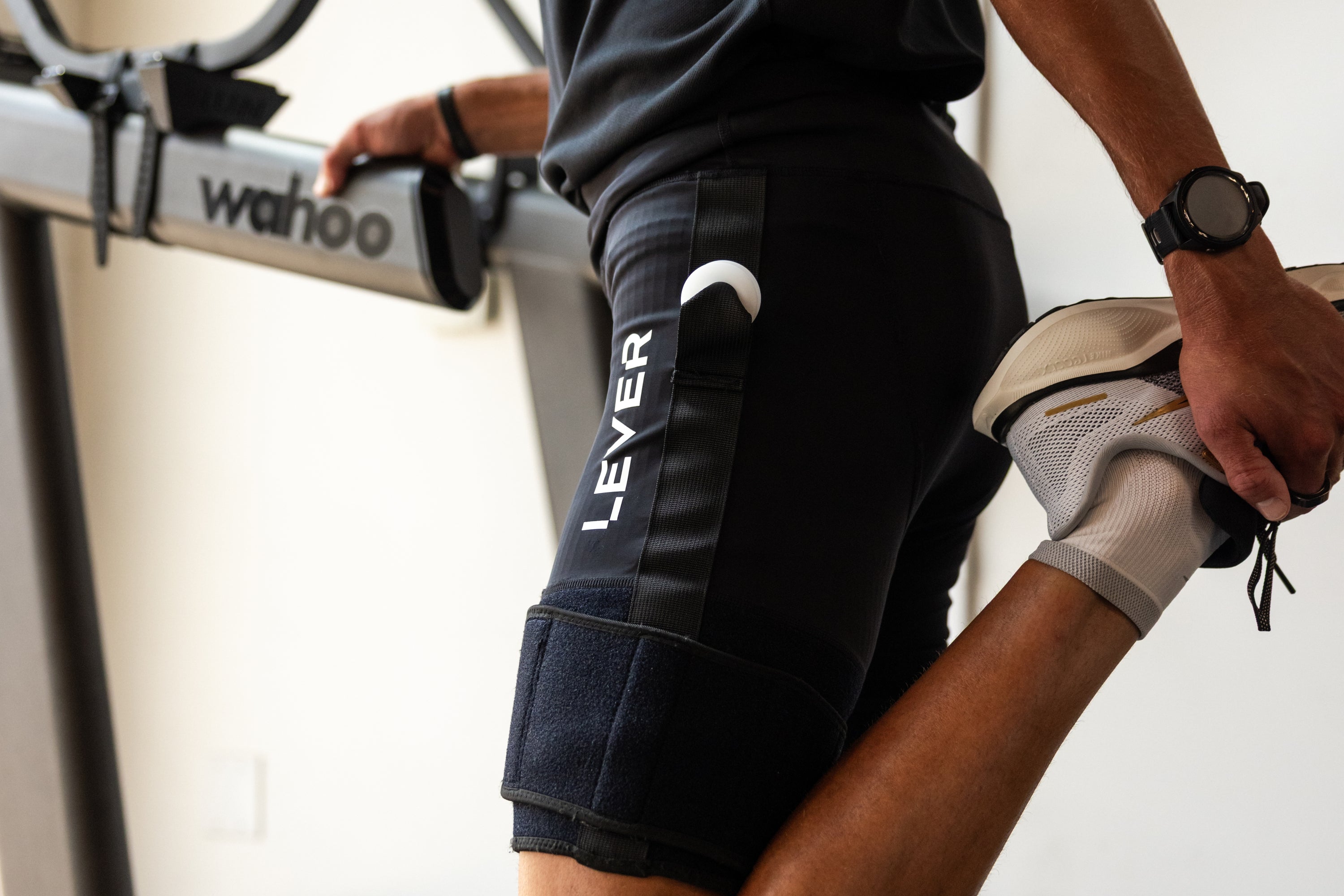
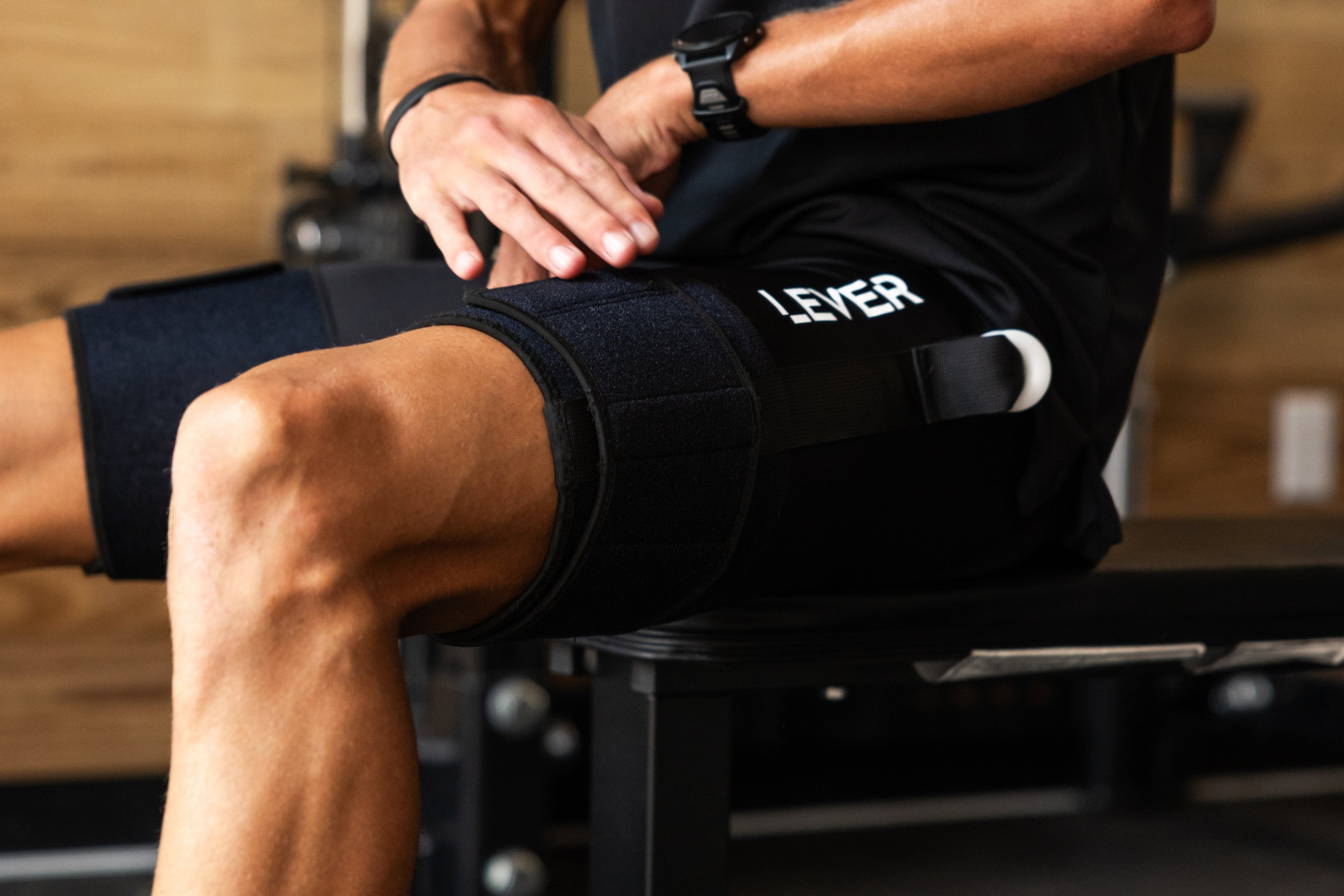
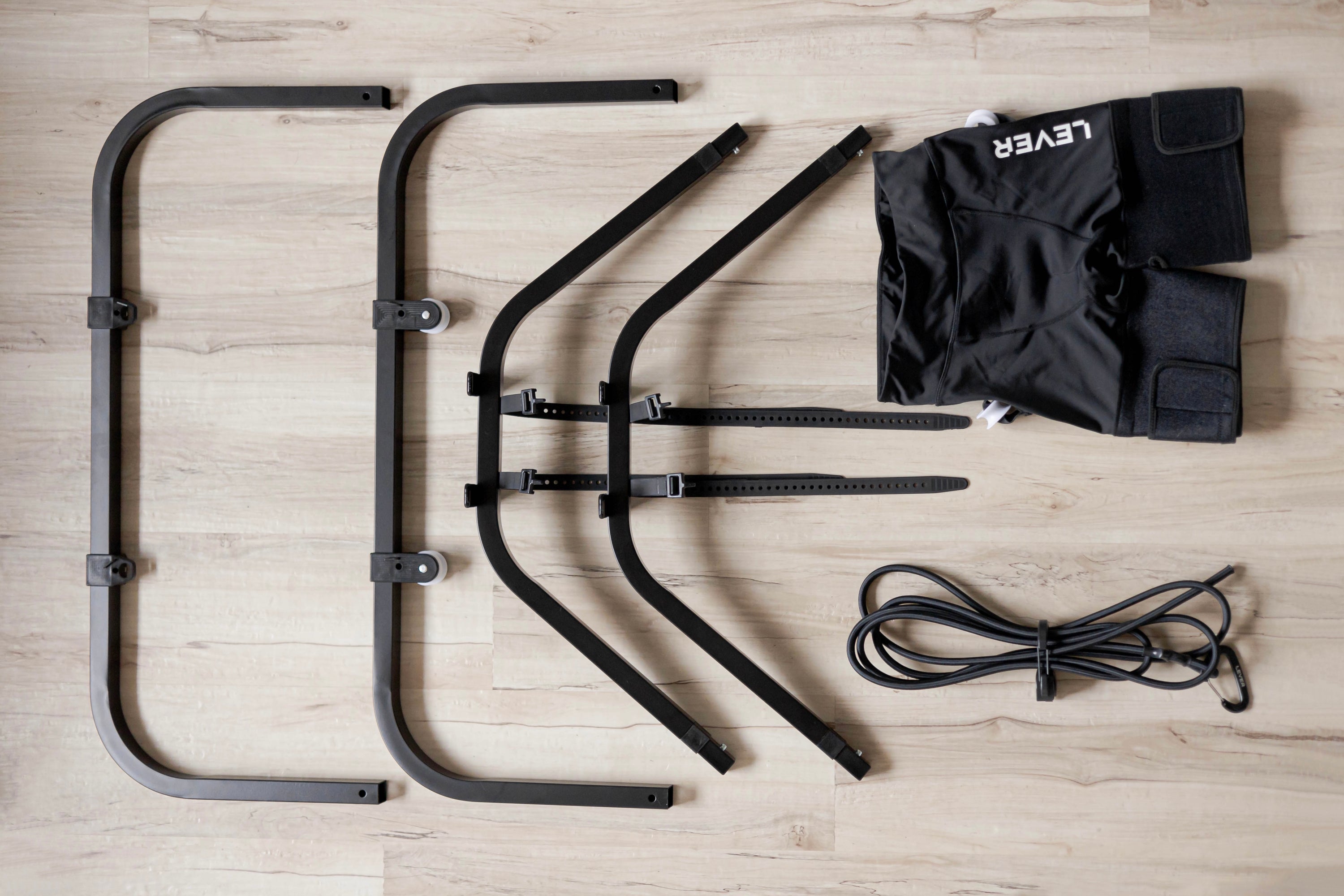
Body weight support systems offer a more targeted solution. By reducing your effective body weight during treadmill running, you lower the ground-reaction forces on every single footstrike while keeping the actual running motion identical. You're running with your real stride, your real gait, your real mechanics. You're just doing it with less load. This means you can extend your Zone 2 sessions, add more weekly mileage, and stay in the training zone longer all without the cumulative structural cost that typically leads to breakdown.
Unlike cross-training, body weight support keeps you in a running-specific movement pattern. Your foot is still striking the belt, your hip extensors are still firing in sequence, your arms are still swinging. The neuromuscular coordination that makes you a better runner stays intact. You're simply removing a percentage of the mechanical load typically 10–25% of your body weight from every single step.
How Body Weight Support Actually Improves Performance
It's easy to think of body weight support as just an injury tool something you reach for when you're hurt. But that undersells what it can do when you're healthy. The performance applications are just as compelling, and they tie directly back to the aerobic base you're building with Zone 2.
You can safely increase weekly mileage. The most common cause of running injuries is doing too much, too fast. Body weight support lets you add volume in a controlled way running additional sessions or extending existing ones at reduced load. Your cardiovascular system gets the extra stimulus it craves, while your joints, tendons, and bones aren't asked to absorb more than they're ready for. Over time, this means a bigger aerobic base built on a more sustainable foundation.
Recovery runs become genuinely restorative. Most runners run their easy days too hard. Body weight support solves this mechanically rather than relying on willpower. Running at 85–90% of your body weight on recovery days means less eccentric muscle damage, less joint stress, and less overall fatigue so you show up to your next key workout fresher and ready to execute. Some athletes use body weight support for "double" runs, adding a second short session to their day at reduced load to increase training frequency without increasing breakdown risk.
It opens the door to overspeed training. This is where things get interesting from a performance standpoint. By reducing 10–15% of your body weight, you can run roughly 20–30 seconds per mile faster at the same heart rate and perceived effort. Your legs are turning over at speeds they wouldn't normally sustain at full load, which trains neuromuscular efficiency the connection between your brain and your fast-twitch muscle fibers. Over time, that faster turnover starts to translate to your outdoor running. Your stride becomes more efficient. Your legs "learn" what faster feels like.
Your running economy improves. Research has shown that body weight support treadmill training can improve running economy, VO2 max, and race performance — even in highly trained runners. When you run with reduced load, you can focus on mechanical efficiency: posture, cadence, foot placement, hip extension. You're practicing better form under less stress, and those patterns carry over when you return to full body weight outdoors.
It keeps you consistent — and consistency is everything. The single greatest predictor of improvement in distance running is the ability to train consistently over months and years without forced breaks. Body weight support doesn't just help you survive individual workouts it helps you sustain the kind of long-term training rhythm that makes Zone 2 adaptation actually compound. Fewer injuries means fewer restarts, and fewer restarts means your aerobic base keeps growing instead of resetting.
Reducing Injury Risk: The Mechanics of Running Lighter
To understand why body weight support is so effective at preventing injuries, it helps to understand what causes them in the first place.
Every time your foot strikes the ground while running, your body absorbs a force roughly 2–3 times your body weight. At a typical cadence of 170 steps per minute, a 60-minute Zone 2 run produces over 10,000 individual loading events. Multiply that across three or four sessions per week, and the cumulative load on your tendons, bones, and cartilage is enormous.
Overuse injuries stress fractures, Achilles tendinopathy, plantar fasciitis, runner's knee happen when that cumulative load exceeds your tissue's ability to repair between sessions. It's not one footstrike that breaks you down. It's the ten-thousandth one on top of the ten thousand from yesterday.
Body weight support changes this math directly. By reducing your effective body weight by 15–20%, you proportionally reduce the ground-reaction force on every single step. Over a 60-minute session, that's thousands of slightly lighter impacts — each one within a range your tissues can absorb and recover from more easily. The cardiovascular demand stays nearly identical (your heart doesn't know you weigh less), but the structural load drops meaningfully.
This is especially powerful for runners who have been injured before. Research shows that previously injured runners are roughly twice as likely to sustain another running-related injury. Body weight support gives these athletes a way to rebuild volume progressively loading tendons and bones enough to stimulate repair and strengthening, but not so much that the healing tissue is overwhelmed. It's the controlled, graduated return that physical therapists have always prescribed, now accessible on your own treadmill at home.
Putting It All Together
If you're looking to build a real aerobic base with Zone 2 training, here's a framework that integrates everything above.
Start with three dedicated Zone 2 sessions per week. Keep them at 45–60 minutes initially, and focus on staying in the zone rather than hitting a certain pace. If you're used to running by feel, a heart rate monitor will be revealing most runners discover their "easy" pace has actually been Zone 3 or higher.
Add volume before intensity. Once you can comfortably handle three sessions per week, gradually extend the duration before adding a fourth day. The goal is to build a platform of consistent, low-stress mileage that your body trusts.
Use body weight support for your longest session. Your longest Zone 2 run each week produces the most total footstrikes and the most cumulative load. Running that session at 80–90% body weight lets you get the full aerobic benefit of the duration while giving your joints and tendons a break from the heaviest loading day on your calendar.
Add volume with supported doubles. When you're ready to increase weekly mileage, consider adding a second short run on a training day using body weight support rather than tacking more miles onto an existing outdoor session. A 20–30 minute supported run at easy effort is a low-risk way to increase frequency and total volume without spiking your injury exposure.
Explore overspeed sessions once your base is established. Once you have a few months of consistent Zone 2 mileage under you, body weight support opens up a powerful performance tool: running your tempo or threshold sessions at faster-than-normal paces with 10–15% body weight reduced. This trains your neuromuscular system to handle faster turnover while keeping the impact cost low. Over time, your outdoor paces will start to reflect the faster patterns your body has been practicing.
Be patient with the pace. Zone 2 will feel embarrassingly slow at first, especially if other runners can see your treadmill. Ignore that. The physiological adaptations don't care about your pace they care about your heart rate and the time you spend there. Over weeks and months, you'll notice your pace at the same heart rate getting faster. That's your aerobic engine growing.
The Long Game
Zone 2 isn't a quick fix. It's a compounding investment. The runners who commit to it consistently month after month, through the seasons are the ones who find themselves running faster at lower effort levels, recovering more quickly between hard workouts, and staying healthy through training cycles that used to break them down.
The secret isn't running harder. It's running smarter accumulating more of the training that builds your aerobic engine while protecting the body that has to carry it. When you solve the volume problem, you stop the cycle of build-break-rebuild and start the one that actually matters: build, build more, keep building.
That's the real promise of Zone 2. Not just a better workout. A better trajectory one where fitness compounds because you're never forced to start over.