The day after Boston — how to recover smart, not just rest randomly.
Boston Marathon 2026 Was FAST
Yesterday's Boston Marathon delivered one of the fastest editions ever:
- 🥇 Men's winner: John Korir — 2:01:52 (course record, obliterating Geoffrey Mutai's 2011 mark)
- 🥇 Women's winner: Sharon Lokedi — 2:18:51 (back-to-back champion)
Even more impressive:
- Average top-10 men: ~2:03:53
- Average top-10 women: ~2:21:58
That means the top 10 men averaged under 4:44 per mile, and the top 10 women averaged about 5:25 per mile across a notoriously difficult course with quad-trashing early downhills and the Newton Hills waiting in the back half.
The Americans showed up too. Jess McClain broke Shalane Flanagan's American course record with a 2:20:49 for 5th place, and four U.S. women finished in the top 10. On the men's side, Zouhair Talbi (5th, 2:03:45) and Charles Hicks (7th, 2:04:35) flew the flag.
Whether you ran 2:11 or 4:11 yesterday, the recovery principles are surprisingly similar. Here's what I recommend after racing 26.2 miles.
1. Give yourself 24 hours to process the race
There's always a strange emotional swing after a marathon:
- relief
- pride
- exhaustion
- and somehow still thinking you could've run faster
That's normal. Your brain just spent 12+ weeks focused on one single day, and now that day is over. The post-race emotional crash is real, and it doesn't care whether you PR'd or blew up at mile 20.
Give yourself one full day to sit with the result good or bad before jumping into analysis mode. Don't write the race report yet. Don't watch the replay yet. Don't text your coach the 500-word breakdown yet. Just feel it.
After 24 hours, shift forward. Marathons reward reflection. They don't reward replaying every mile forever.
2. Don't sign up for your next race immediately
Almost nobody finishes a marathon completely satisfied. The instinct is always:
"I could run faster next time."
Maybe true. But your nervous system just finished a 12–16 week peak cycle, your hormones are wrecked, your immune system is depressed, and your emotions are running the show. That is the worst combination of variables to make a big decision with.
I've watched too many runners sign up for a fall marathon on Monday morning and regret it by Friday. The motivation you feel right now is chemical, not strategic. Most smart marathoners wait 7–14 days before choosing what's next and the race they pick at day 10 is almost always different (and better) than the one they would've picked at hour 10.
3. Take real recovery seriously (not fake recovery)
A marathon build is one of the biggest stress blocks endurance athletes do all year. Your body just absorbed:
- high mileage
- long workouts
- glycogen depletion
- neuromuscular fatigue
- connective-tissue strain
And here's the part most runners miss: you probably feel okay on race night. A shower, a meal, some adrenaline — you think you got through it fine. Then 48 hours later everything hurts. That's delayed-onset muscle damage from eccentric loading, and the Boston course is especially brutal for it because of those downhill early miles and Newton Hills in the back half. Plan your recovery around how you'll feel Tuesday, not how you feel Sunday night.
My strong rule: 2–3 weeks before structured running resumes. Not "easy running." No running.
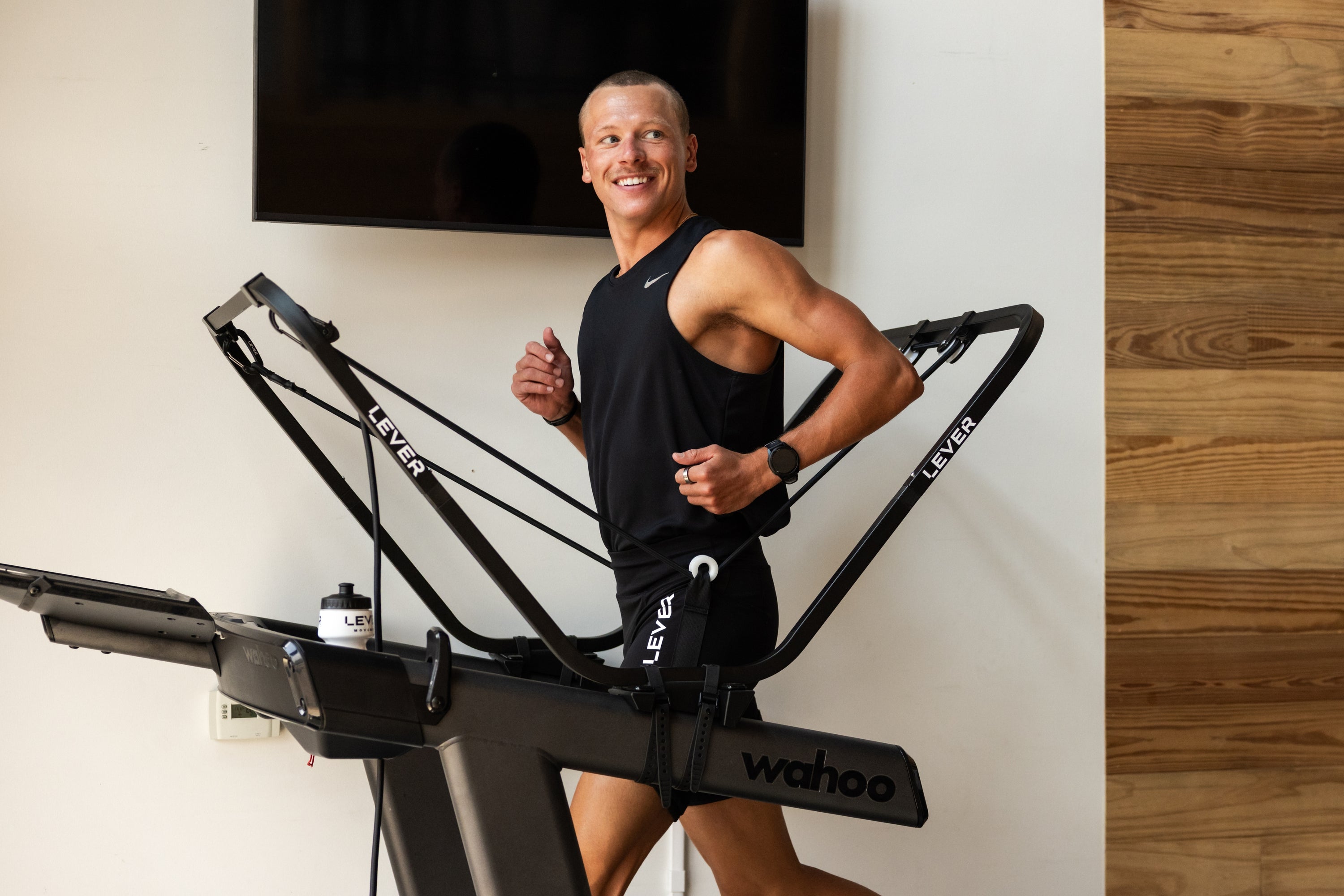
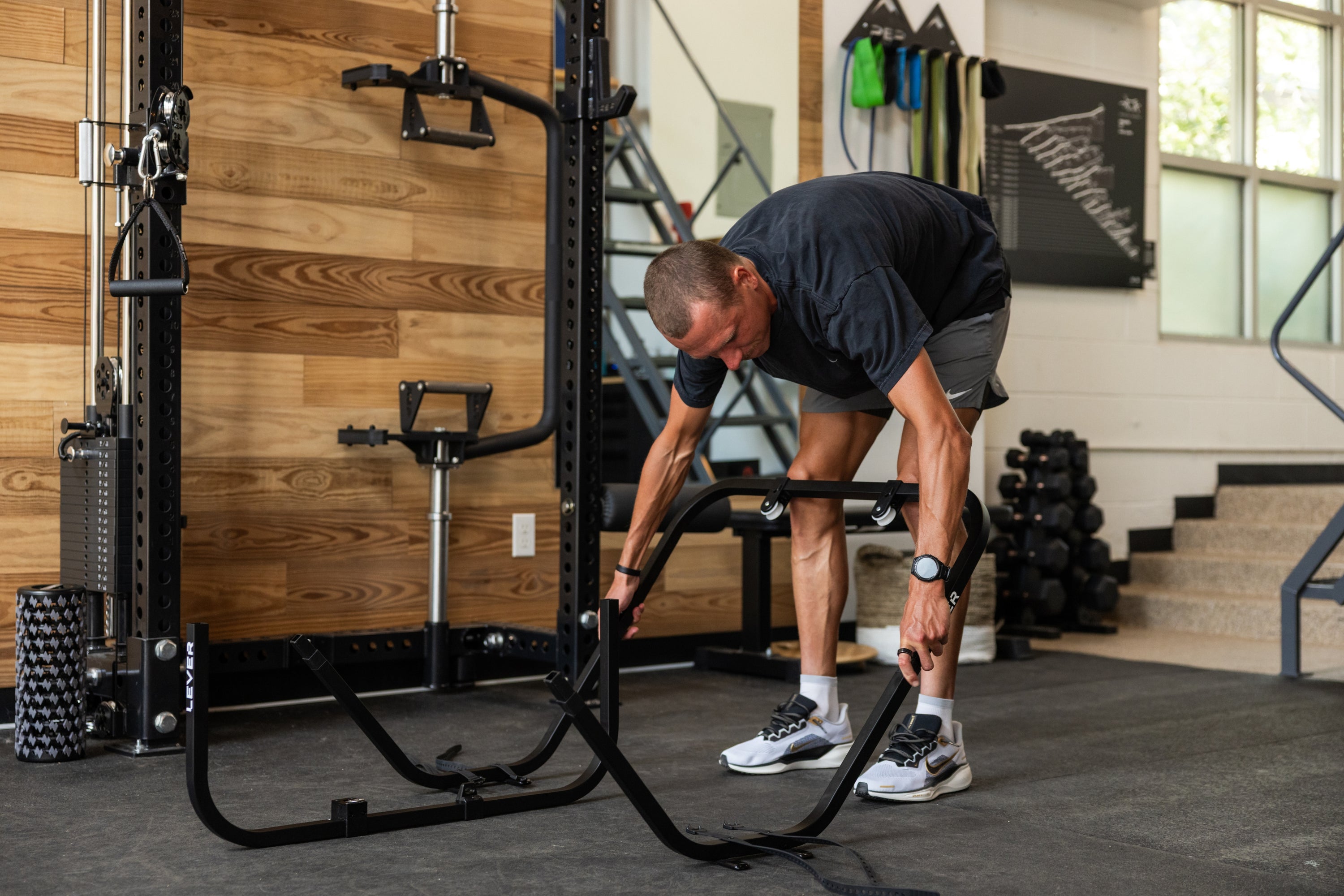
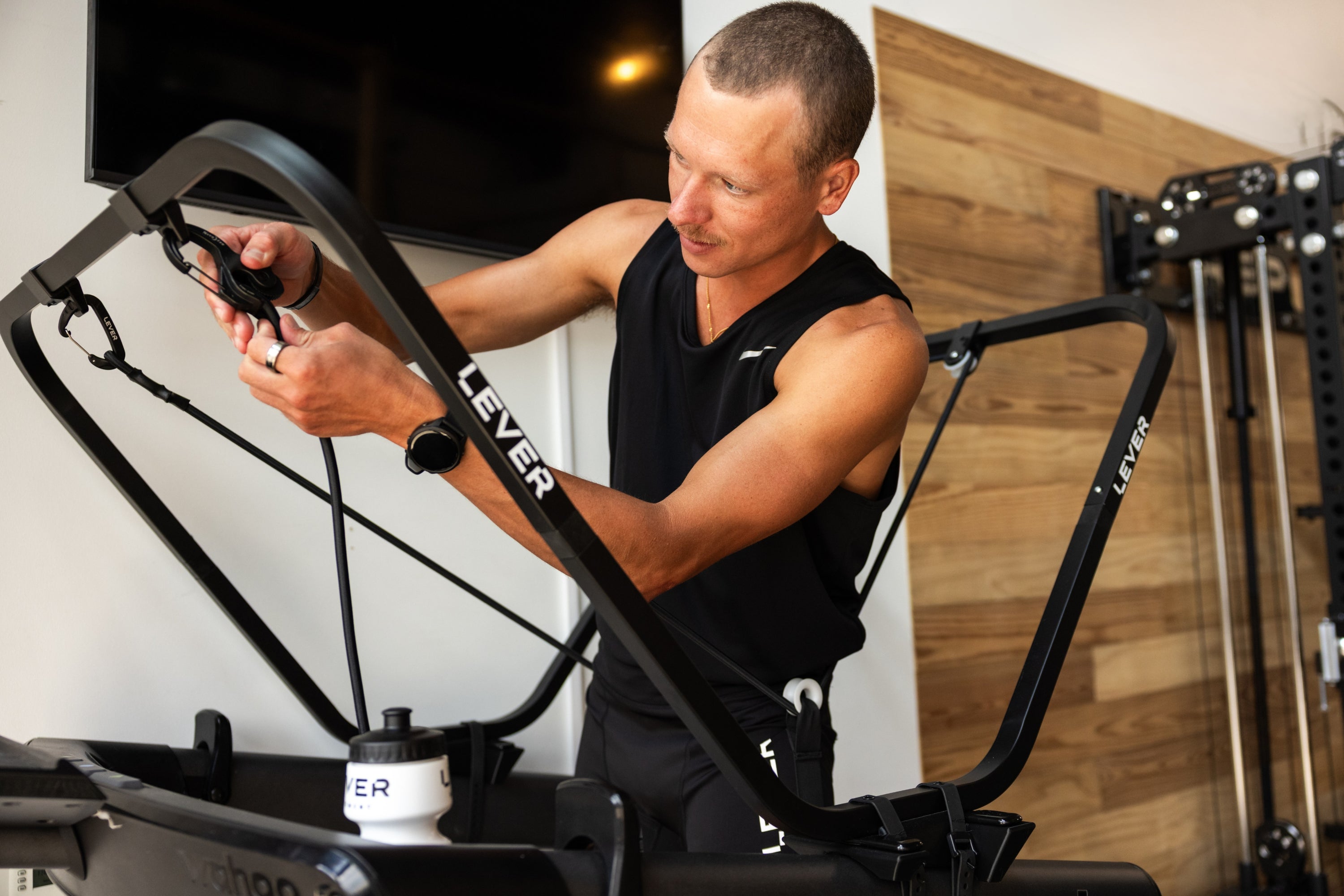
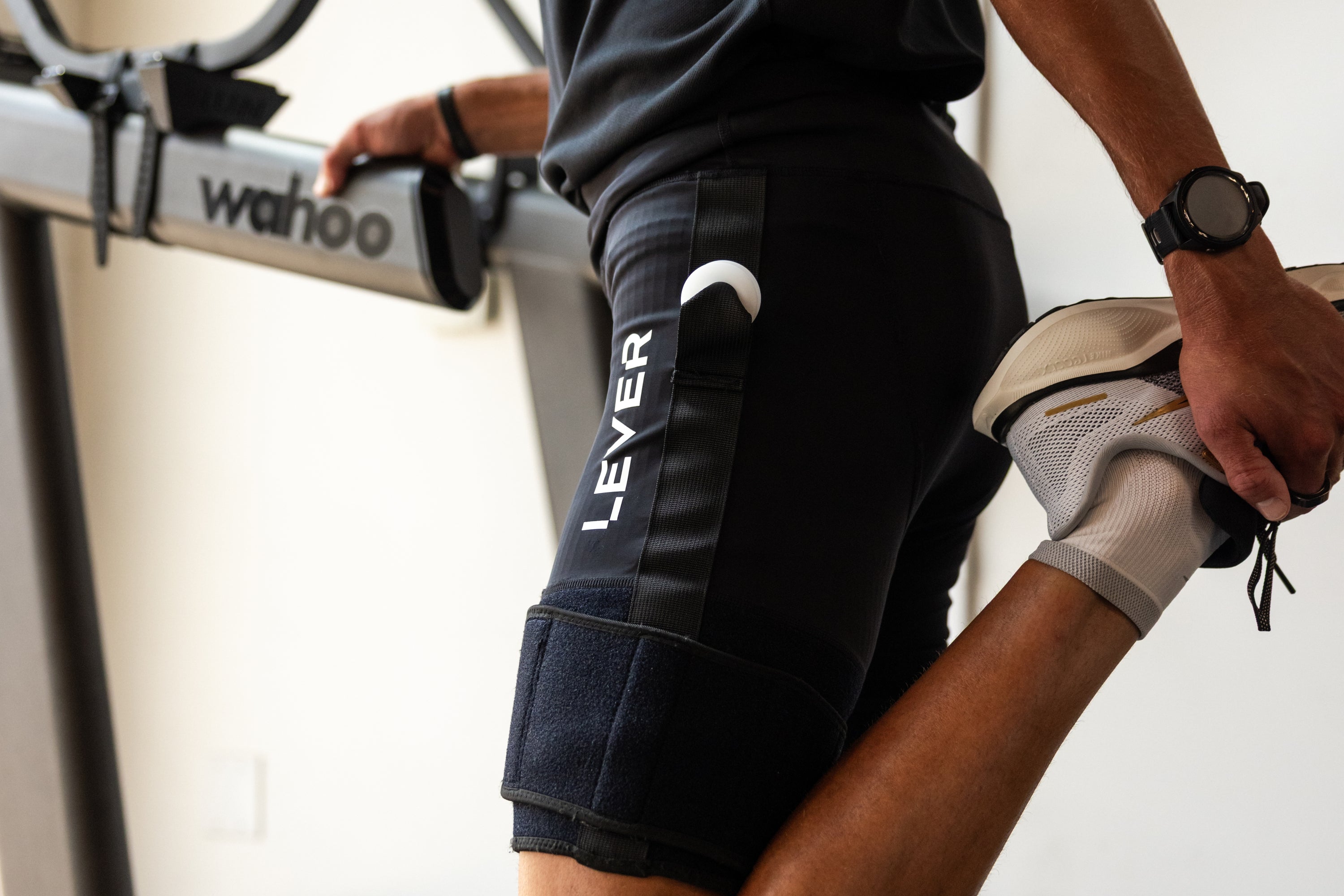
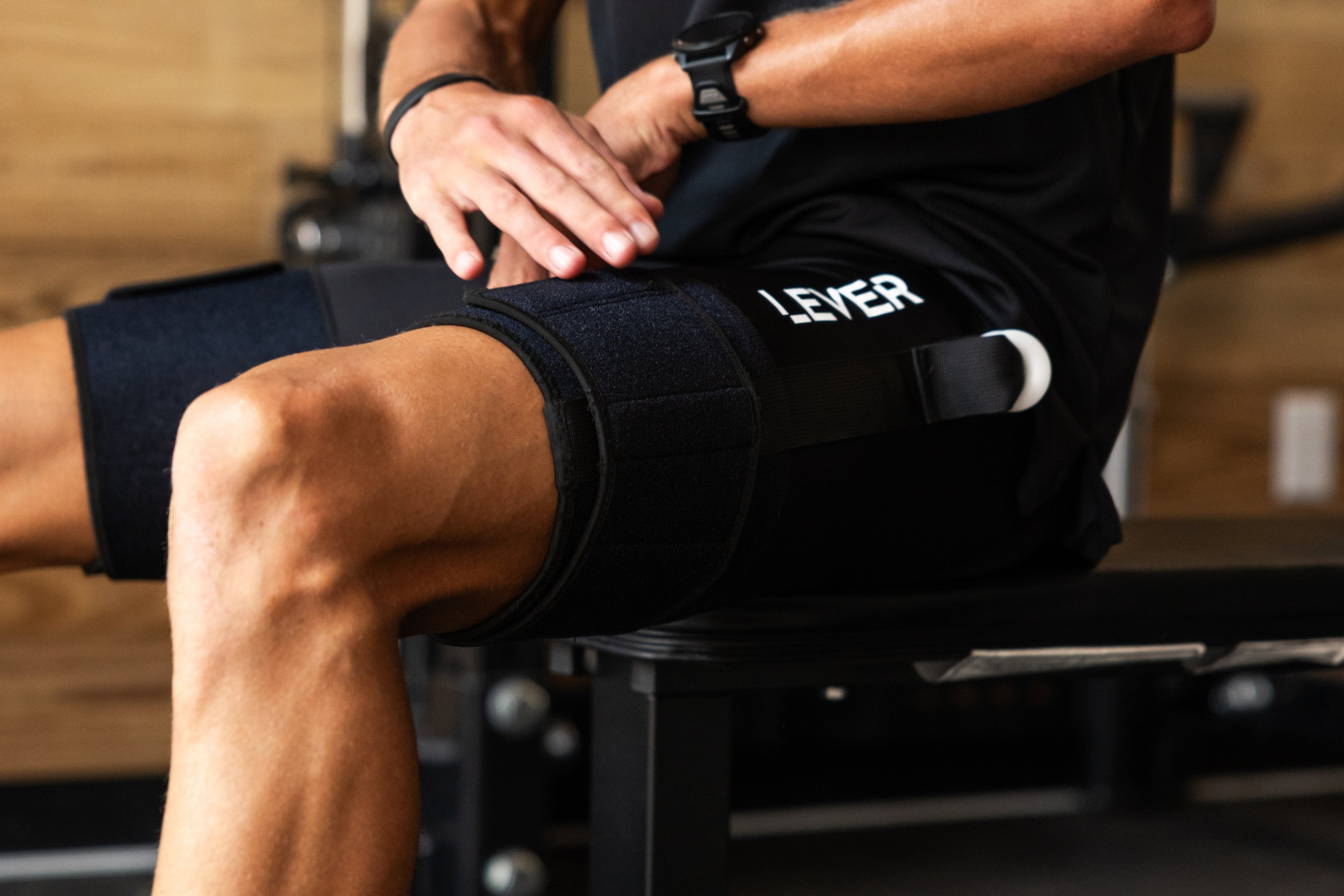
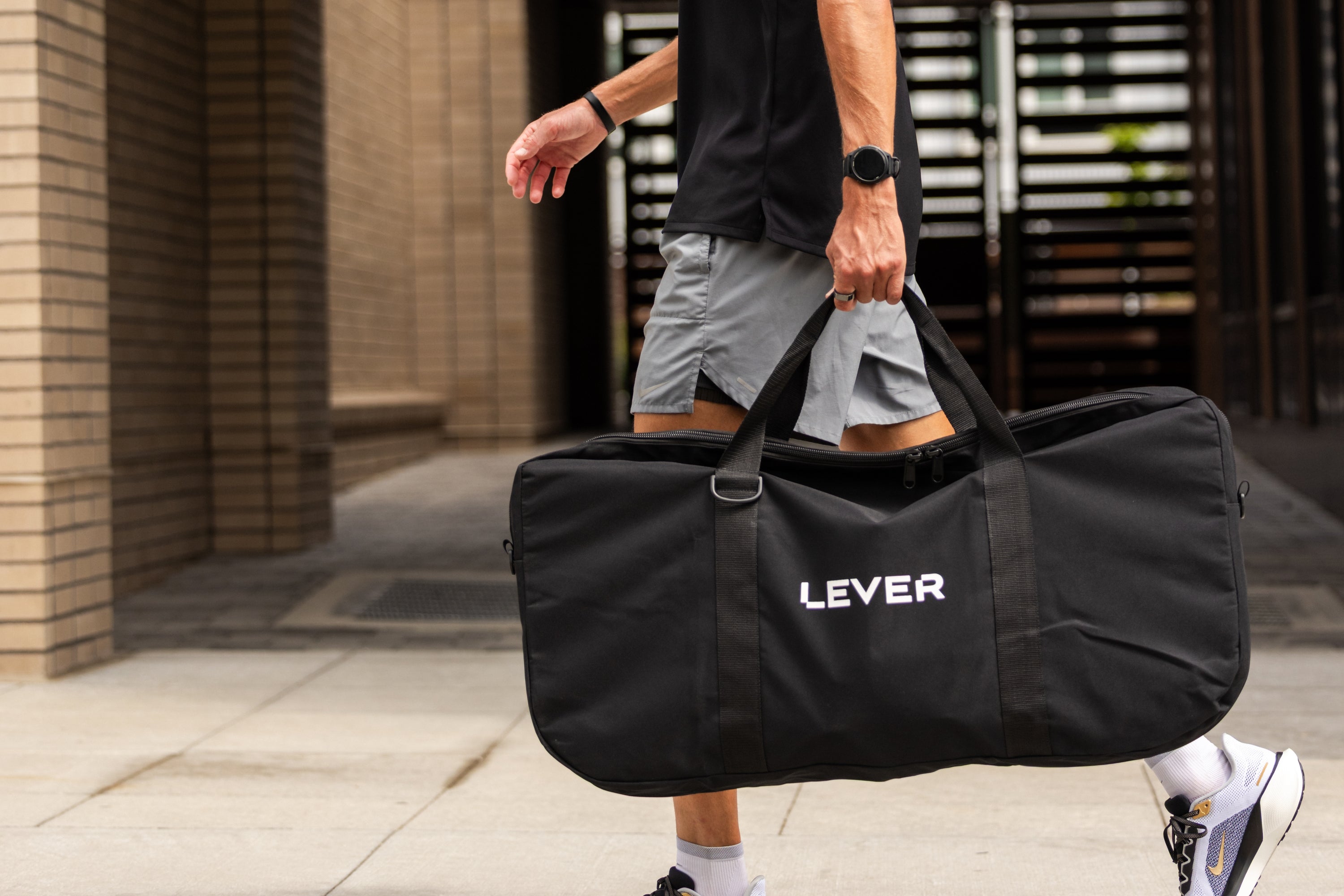
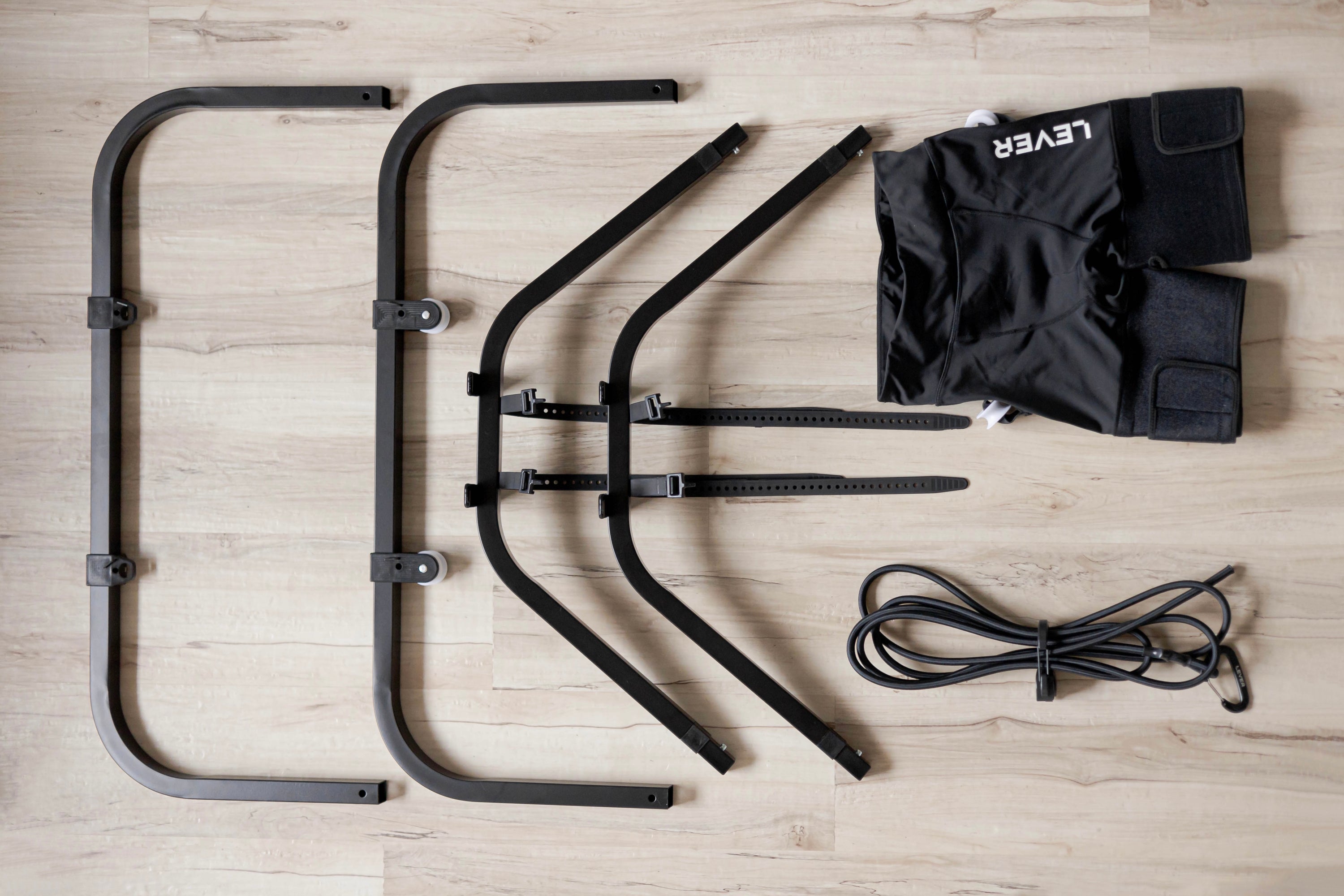
If you do want to move earlier and you will, probably by Wednesday this is where body-weight-supported treadmill running (like LEVER) shines.
Example early return strategy:
| Week | What it looks like |
|---|---|
| Week 1 | Walk + mobility only |
| Week 2 | Short LEVER runs at 20–30 lb offload |
| Week 3 | Light normal running returns |
Same rhythm you're used to. A fraction of the impact. And if it feels like too much, you just hit stop on the treadmill no three-mile shuffle home from the far end of a trail.
4. Check your feet (seriously)
This sounds simple, but it's where injuries quietly start.
After a marathon:
- blisters change mechanics
- damaged toenails change stride
- foot soreness shifts load upstream to calves, shins, knees, hips
Today is the day to survey the damage. Gently peel the shoes off, look at every toe, every hot spot, every seam of skin. Clean everything. Protect everything. Pop blisters properly if you know how, leave them alone if you don't, and cover anything open.
A 3-week-old blister you're "working around" is how a healthy runner becomes an injured one in June. Small issues now become shin splints later if ignored. Respect the feet they just carried you 26.2 miles.
5. Eat even if you don't feel like it
Most runners finish a marathon with:
- suppressed appetite
- an irritated stomach
- mild dehydration
But your body just burned 2,500–4,000+ calories on top of baseline metabolism. The recovery window doesn't care that you feel nauseous.
Recovery priorities:
- Within 60 minutes: carbs + sodium + fluids. Even if it's just chocolate milk, a banana, and a pretzel. Something.
- Within 3 hours: a full meal with protein + carbs. Aim for ~20–30g protein and a real serving of carbs.
- The rest of the day: keep eating. Small, frequent, whatever sounds good.
And yes this is the perfect window for the foods you were disciplined about avoiding during training. Pizza, ice cream, the bag of gummy bears you've been eyeing for 16 weeks. Your glycogen stores need it, your mental health needs it, and your future self will thank you.
6. Sleep is your biggest recovery tool this week
The marathon damages:
- muscle fibers
- connective tissue
- immune system resilience
Sleep restores all three. Growth hormone, muscle protein synthesis, glycogen replenishment, immune repair nearly all of it happens while you're horizontal. You can nail hydration, nutrition, and mobility and still stall your recovery if you're sleeping six hours a night.
Goal this week:
- 👉 8–9 hours/night minimum
- 👉 plus naps if you can get them
No screens in bed. No late caffeine. Cool, dark room. Treat it like training, because right now it is training. Most runners underestimate how much recovery happens here, and it's the single cheapest upgrade you can make.
7. Your fitness isn't disappearing right now
One of the biggest mistakes runners make is trying to "protect fitness" immediately after racing. You see it every year someone runs a marathon Sunday and is back doing a tempo run on Thursday because they're terrified of losing what they built.
Reality: fitness peaks after the marathon. Recovery unlocks it.
The adaptations from your build don't land until your body has absorbed the work. Push back into hard training too early and you short-circuit the whole process you don't keep the fitness, you flush it.
This is actually one of the best windows for:
- light cross-training (bike, swim, elliptical)
- short LEVER runs as you ease back in
- mobility resets and soft-tissue work
- strength reintroduction light, nothing heroic
You're not losing fitness. You're absorbing it. Trust the process that got you to the start line, and give it the same respect on the other side.
The finish line is the start line
Whether you're a 2:01 Korir, a new PR, or crossing a milestone you fought for every one of your miles. Recover with the same intention you trained with, and the next one will be better.
Huge congrats to everyone who raced Boston. Put your feet up today. Eat the candy. We'll see you on the roads or on the LEVER when you're ready.