The Work Behind the Work · Kona 2026 Race Recap
Four LEVER athletes lined up at the IRONMAN World Championship in Kona on Saturday. All four finished in the top 10, and Laura ran the fastest marathon in the women's race.
What stands out isn't only the results. It's how they got there. None of them used LEVER only because they were hurt. They used it to add miles, recover faster, train harder sessions with less pounding, and keep running through the little niggles that come with a big build.
1The Big Takeaway: LEVER Isn't Just for Injuries
Look across all four athletes and the same four uses keep showing up:
Laura, Gregory, Lisa
Gregory, Lisa, Grace
Laura, Lisa, Grace
Lisa, Grace
Here's how each athlete put those into practice.
2The Run Splits: Where the Work Showed Up
The marathon is where an Ironman is won or lost, and where months of well-managed running pay off. Here's how each athlete ran on Saturday:
Laura ran the fastest marathon in the women's race. Her 2:50:42 was about two minutes quicker than anyone else in the women's field, on her way to 2nd place.
Gregory ran 2:44:43 to finish 4th in the men's race, after a season of 80 to 110 km weeks built without injury.
Grace ran 3:02:40 in her first Kona, after managing a back injury for much of the year.
Those runs were built on consistent training blocks, and LEVER was part of how each of them stayed consistent.
3Side by Side: How Each Athlete Used LEVER
4Laura Philipp: The Fastest Marathon in the Women's Race

Laura came into Kona healthy and uses LEVER to add extra miles and for her speed work. On race day, she ran the fastest marathon in the women's field, 2:50:42, on her way to 2nd.
Fast running is where a lot of the impact in a training week comes from. Taking a little body weight off during those sessions lets you hit faster paces and train your legs to turn over quickly, while each landing carries less load. That makes it easier to recover and string together quality weeks.
5Gregory Barnaby: Big Miles, No Injuries

Gregory ran 80 to 110 km a week on the way to Kona, on top of swimming and riding. He isn't injured. He uses LEVER to absorb that volume.
"I think it would benefit everyone because... when you're tired it's just a lot less risky, so it's a big injury prevention."GREGORY BARNABY
He also uses LEVER to work on his cadence. A self-described low-cadence runner, he runs tall on LEVER and practices quicker turnover, something that pays off late in a race when fatigue sets in.
Train like the top 10
More miles. Faster recovery. Less pounding.
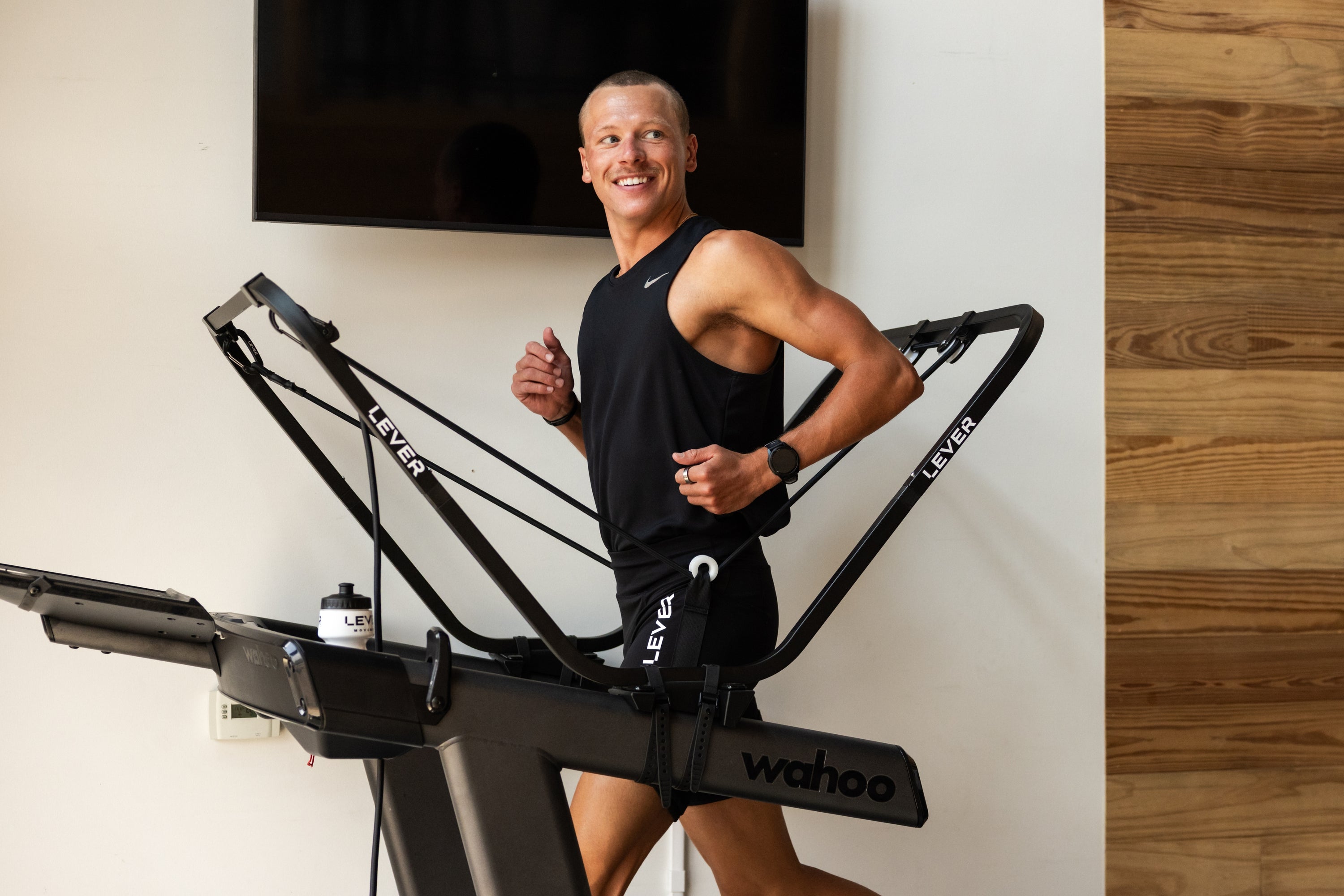
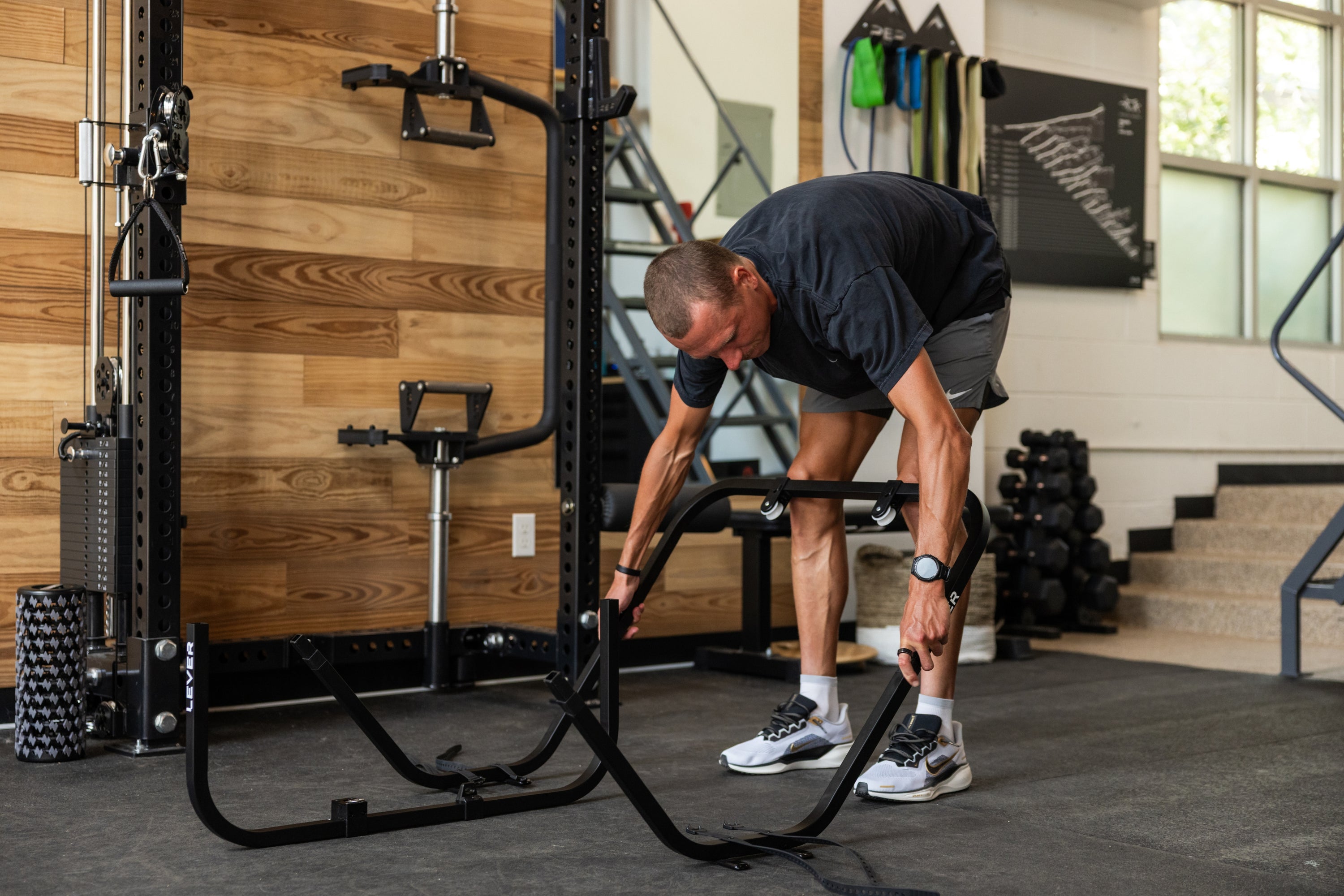
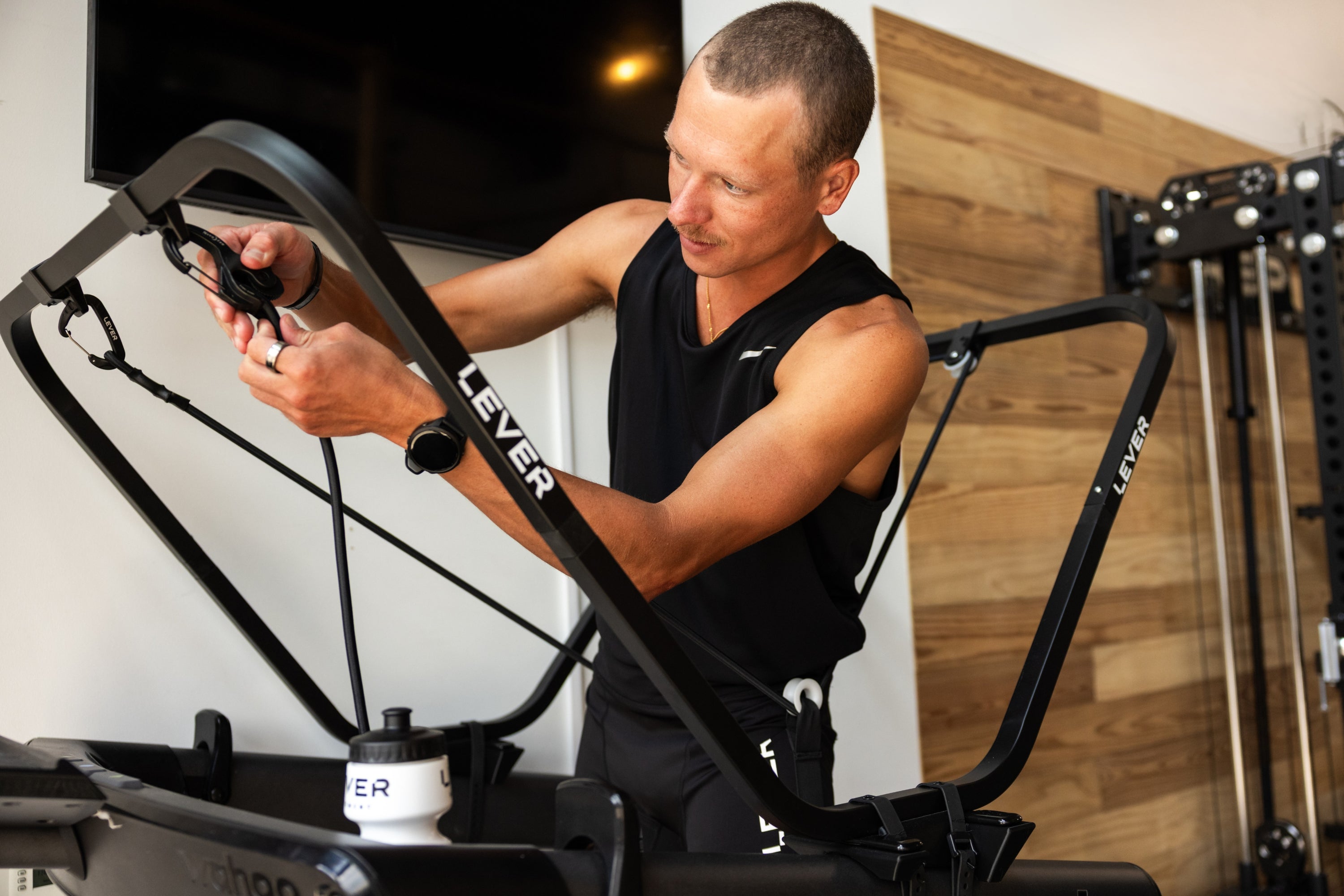
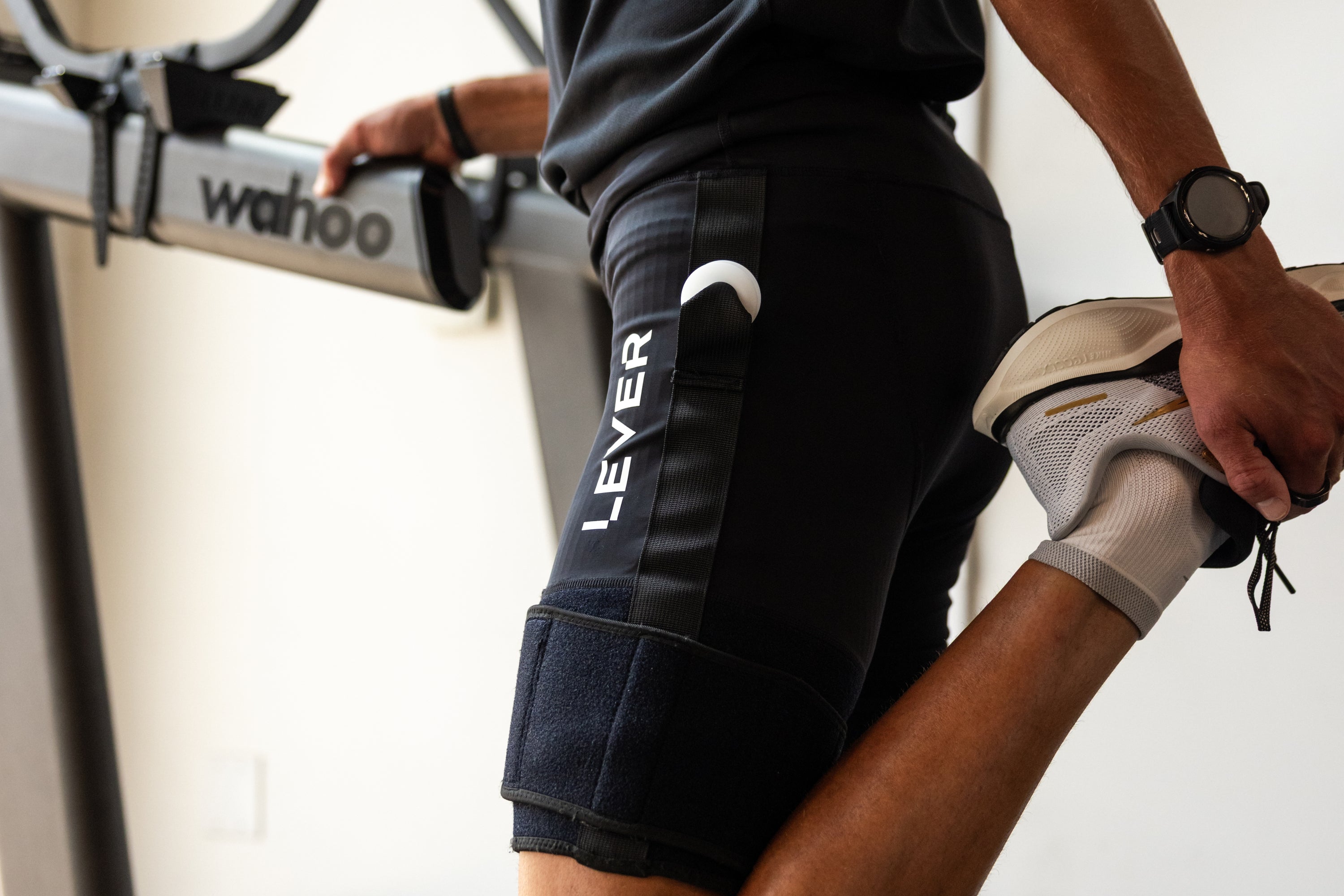
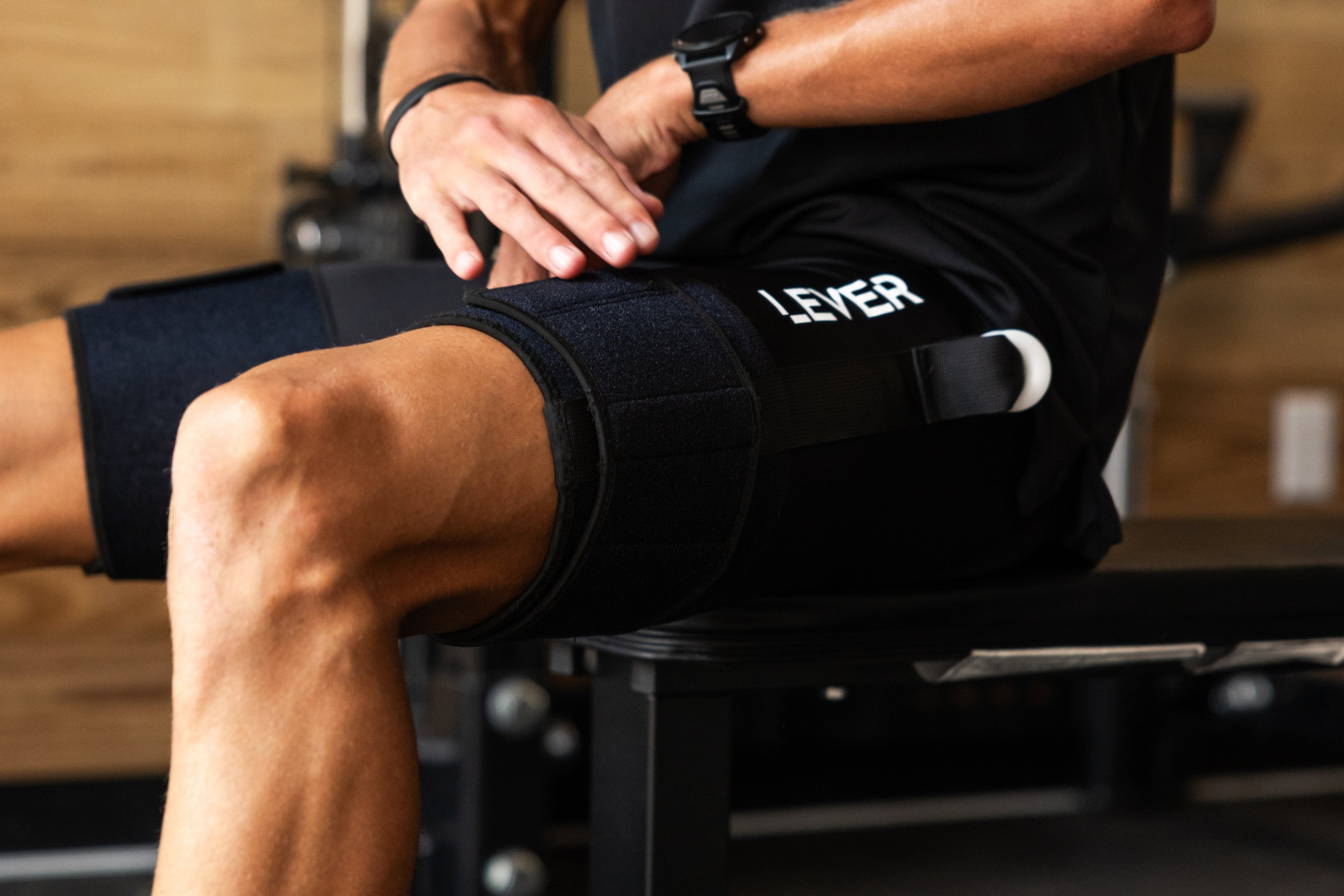
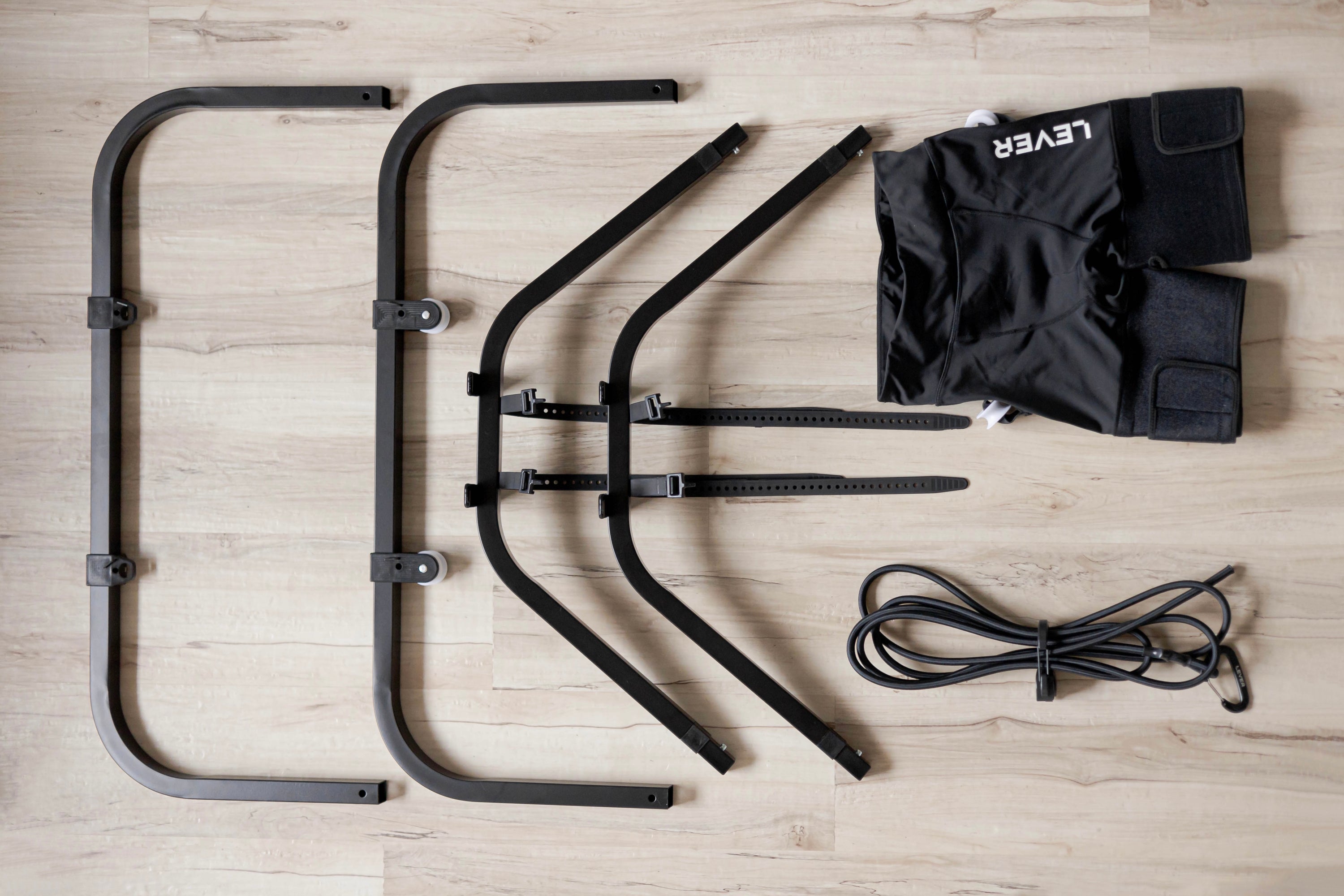
LEVER turns your treadmill into a body-weight support system, the same tool these athletes used on the road to Kona.
Shop LEVER6Lisa Perterer: Extra Miles and Staying Healthy

Lisa uses LEVER across almost every part of her running: recovery runs, long runs, speed work, extra mileage, and managing the little niggles that pop up before races. When a small problem came up recently, she leaned on it even more.
"I always feel great after that, so yeah, I just love it."LISA PERTERER
Her key LEVER session in the lead-up to IRONMAN Texas earlier this season:
That's very fast running for short reps, with a small amount of support. The pace trains speed and turnover, and the 8 kg reduction takes some of the sting out of every landing.
7Grace Thek: A Top 10 Debut Through a Back Injury

Grace has managed a back injury on and off since 2024, and it flared up again before IRONMAN Texas this year. She still had a consistent year of running and finished 10th in her first Kona.
"Even with some niggles that have popped up, I've been able to jump on the LEVER and been able to be quite consistent with my training."GRACE THEK
8How Much Weight Do the Pros Take Off?
Less than most people expect. None of these athletes are floating. They take off just enough to change the load, and keep the run feeling like a run.
"A good amount of weight for me to take off without feeling like I'm not doing anything, but also feeling like I'm getting that little lift..."GRACE THEK
A good place to start: enough support that you feel the lift, not so much that the run stops feeling like work. As your legs adapt, you can dial it back, just like Gregory did.
9Steal Their Sessions
Real sessions from the athletes' Kona builds. Scale the paces to your own running.
10Which LEVER Use Fits You?
11Thank You, Kona
A week of Kona stories, four athletes, four top 10 finishes. Congratulations to Laura, Gregory, Lisa and Grace, and thank you for letting us share the work behind the work.
More miles. Faster recovery. Fewer setbacks.