Healthy Runners Get Faster · Athlete Story
"The goal is always the same: get to the start line healthy and ready."IZZI BATT-DOYLE
On Sunday in Chicago, Izzi Batt-Doyle ran 2:20:38 to finish 6th at one of the fastest marathons in the world, and broke the Australian women's marathon record.
It's the latest result in the best season of her career. It's also a long way from where she started: a runner who battled seven stress fractures before she ever pulled on an Australian singlet at the Olympics.

1A New Australian Record in Chicago
Izzi went through halfway under the pace needed for 2:21 in hot, windy conditions. The second half got tougher, but she held on to run 2:20:38, taking 46 seconds off the previous Australian record of 2:21:24, set by Jess Stenston last year.
She saw the clock in the final 150 meters and celebrated all the way to the line.
"I'm really proud I could achieve it today and I'm so happy."IZZI BATT-DOYLE, TO ATHLETICS AUSTRALIA
2Her Fastest Season Yet
Chicago wasn't a one-off. It capped a run of results that shows a runner at her best:
She already holds the Australian half marathon record, 1:07:17, set in Marugame, Japan in 2025. Now she holds the marathon record too.
3A Two-Time Olympian
Before she moved up to the marathon, Izzi represented Australia over 5000m at two Olympic Games: Tokyo and Paris. Making one Olympic team is hard. Making two, on a body that had already been through seven stress fractures, says a lot about how she learned to manage her training.

4Seven Stress Fractures
Before becoming one of Australia's fastest runners, Izzi battled seven stress fractures in her feet.
Bone stress injuries are some of the most frustrating setbacks a runner can have. They don't just stop you from racing. They stop you from doing the one thing that makes you better: running.
Running 101: What is a stress fracture?
Bone is living tissue. Every run puts a small load on it, and in between runs your body repairs and strengthens it. That's how bone adapts.
A stress fracture happens when the load comes faster than the bone can repair itself. Too many miles, too soon, or too little recovery, and small amounts of damage add up into a crack in the bone.
The key idea: it's not one run that causes it. It's the total load over weeks. That's why managing load, not just avoiding hard workouts, matters so much.
Like many injured runners, Izzi faced the same question again and again:
How do I maintain my fitness without continuing to overload my body?
In college, she had access to tools most runners never do:
Those tools kept her aerobic engine alive while her body recovered. But after graduation, they were no longer available. The challenge became finding a practical way to manage training load and keep running, not just during injuries, but as part of an elite program built on consistency.

5Stress Fracture 101: Types, Timelines and the Road Back
Not all stress fractures are the same. Where the fracture is matters as much as the fact that you have one, because it changes how long it takes to heal and how carefully you need to come back.
Izzi's seven stress fractures were all in her feet, which is a good reminder that the foot has both kinds of sites. Two runners can both have a "foot stress fracture" and face very different timelines.
Average time to return to sport, by site
Averages from a 2023 meta-analysis of athletes (Hoenig et al., British Journal of Sports Medicine). Across most sites, full return took roughly 5 to 20 weeks. Every injury is different.
Warning signs to get checked
• Pain you can point to on one specific spot of the bone
• Pain that starts earlier in each run, or gets worse as you keep running
• Pain when hopping on that leg, or pain at rest or at night
• Swelling or tenderness over the bone
Catching it early usually means less time off. If something feels off, see a physio or sports doctor before you keep training through it.
The road back to running
The key point: LEVER doesn't speed up how fast a bone heals. It helps bridge the gap between no running and full running, so you can start running again at a load your bone can handle, and step back up gradually. Always follow your clinician's plan for when to start.
Train like Izzi
Keep running. Lose some of the load.
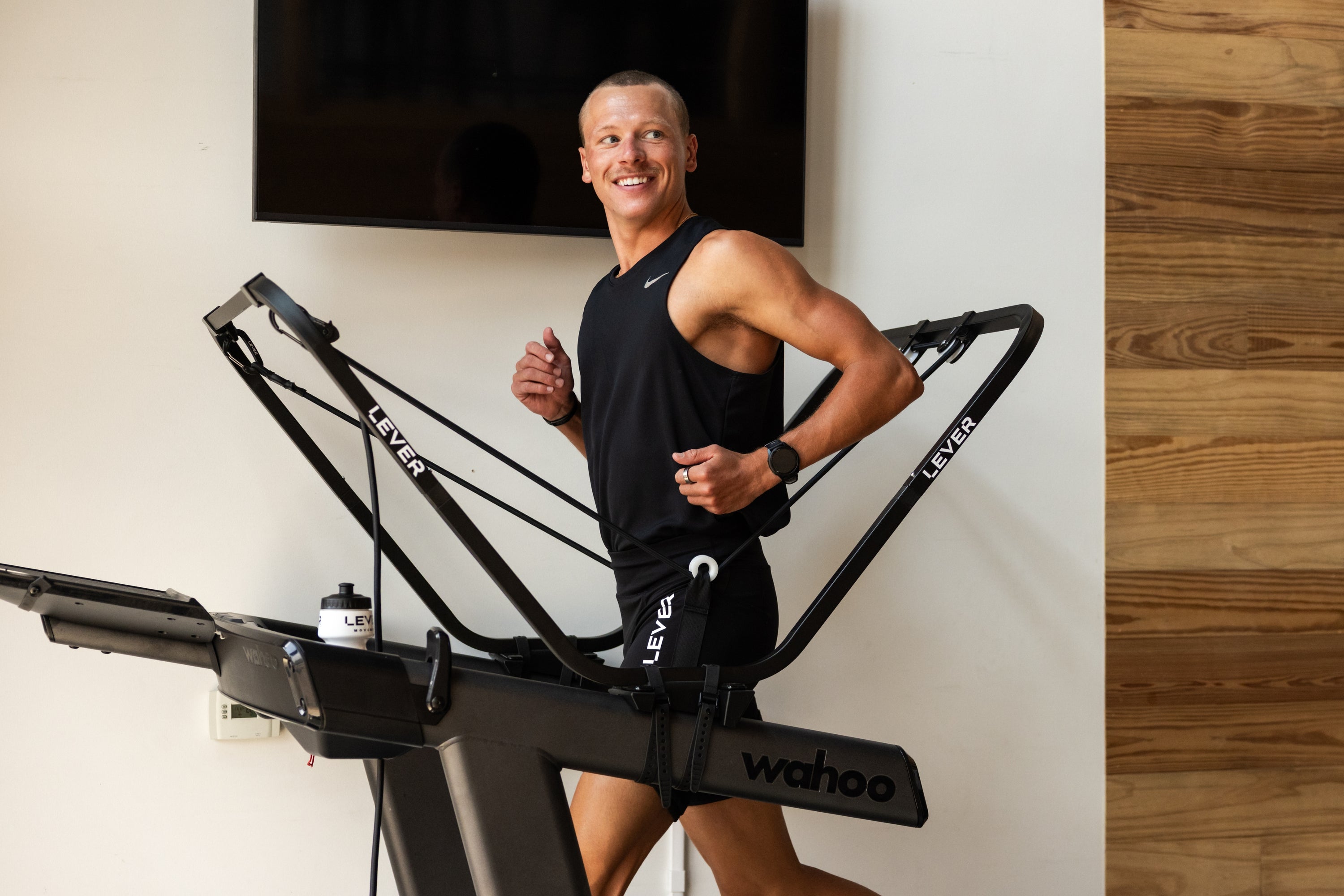
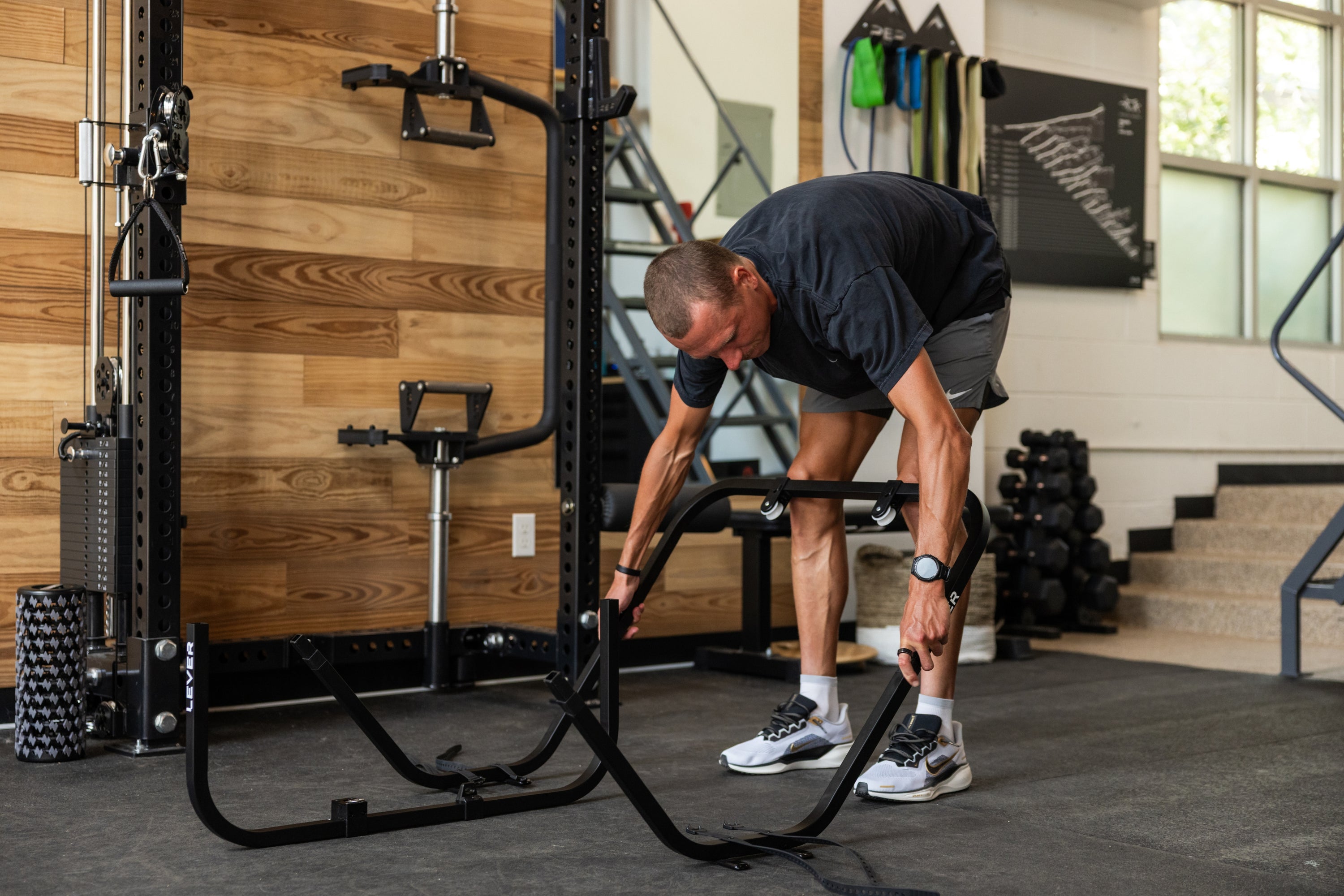
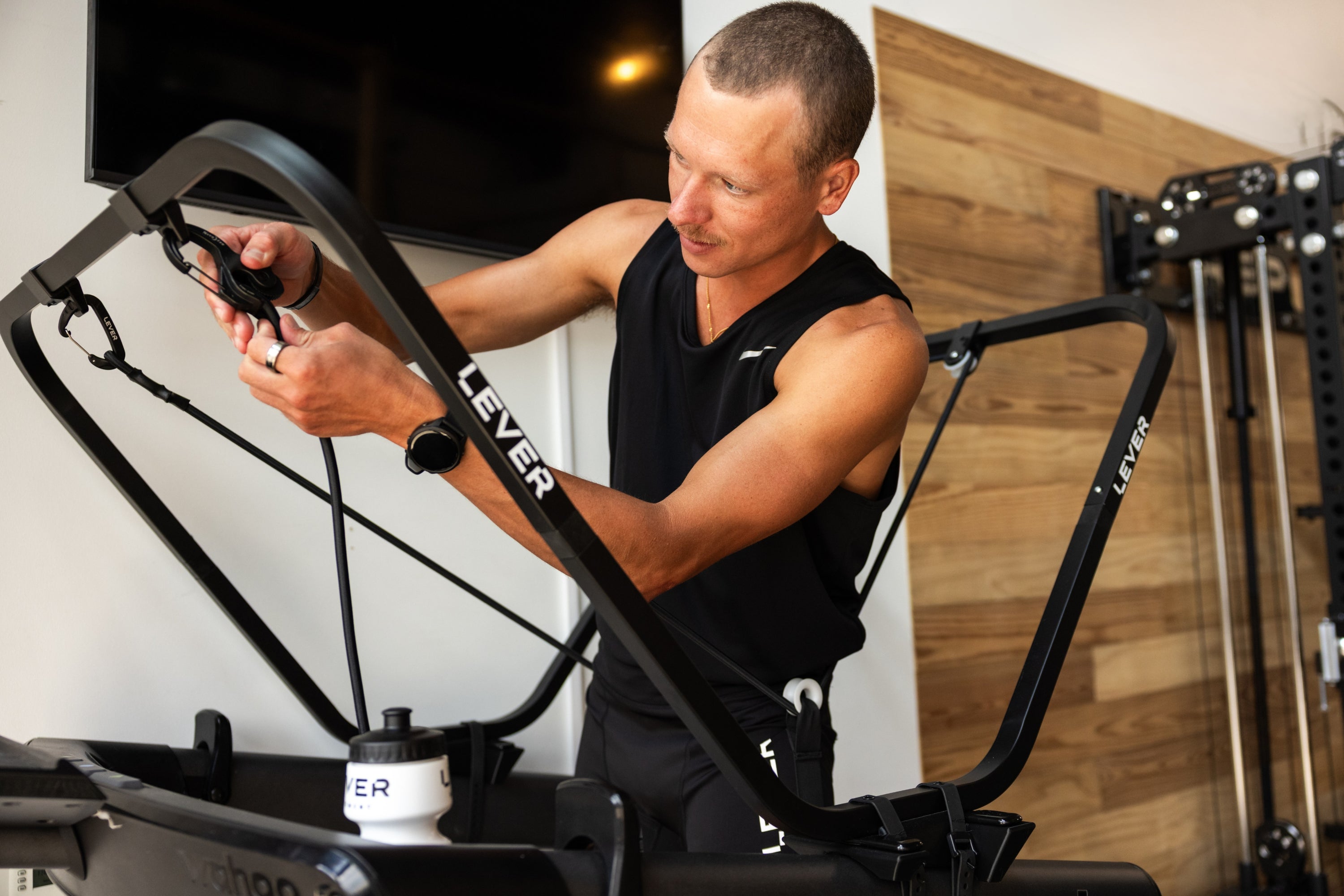
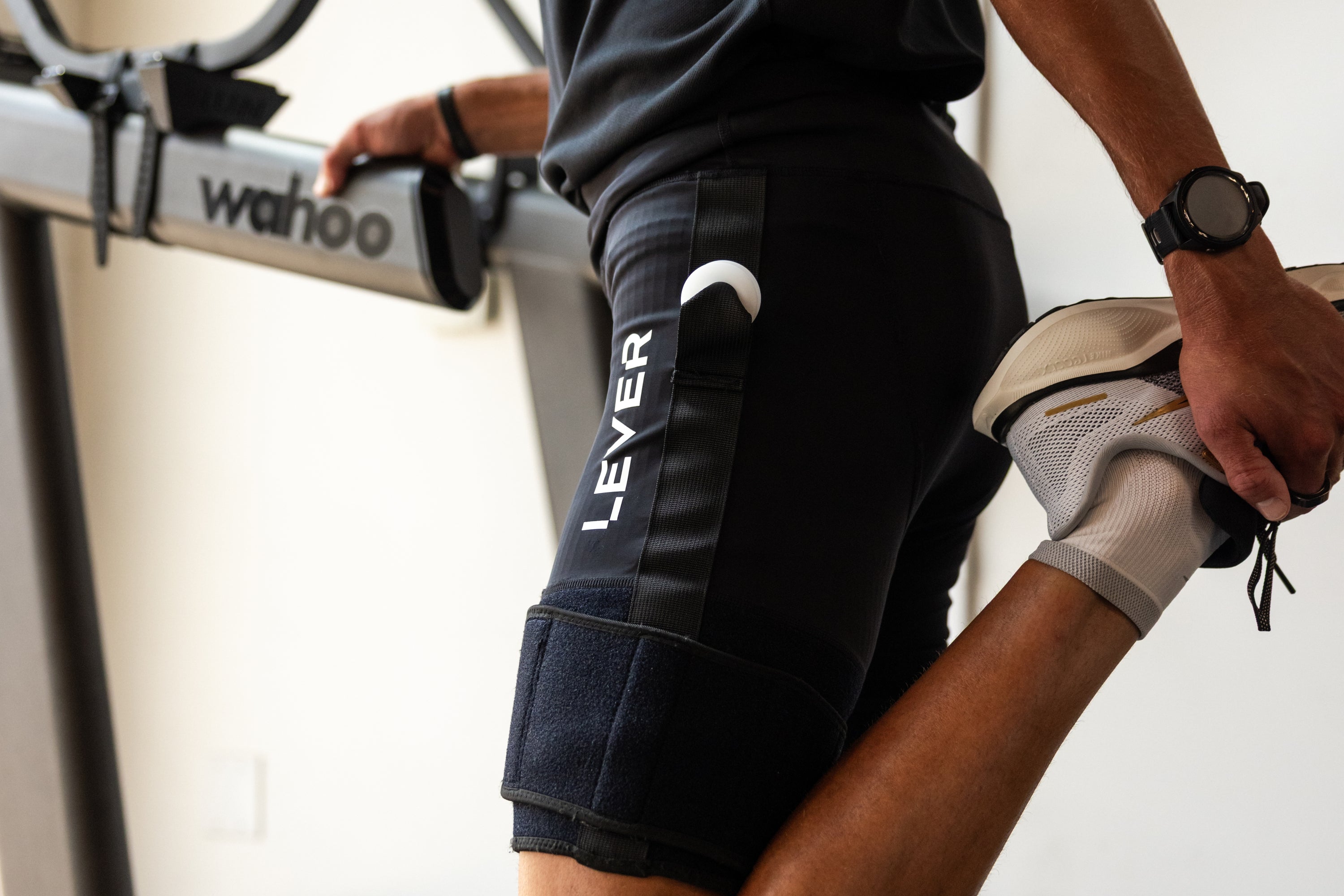
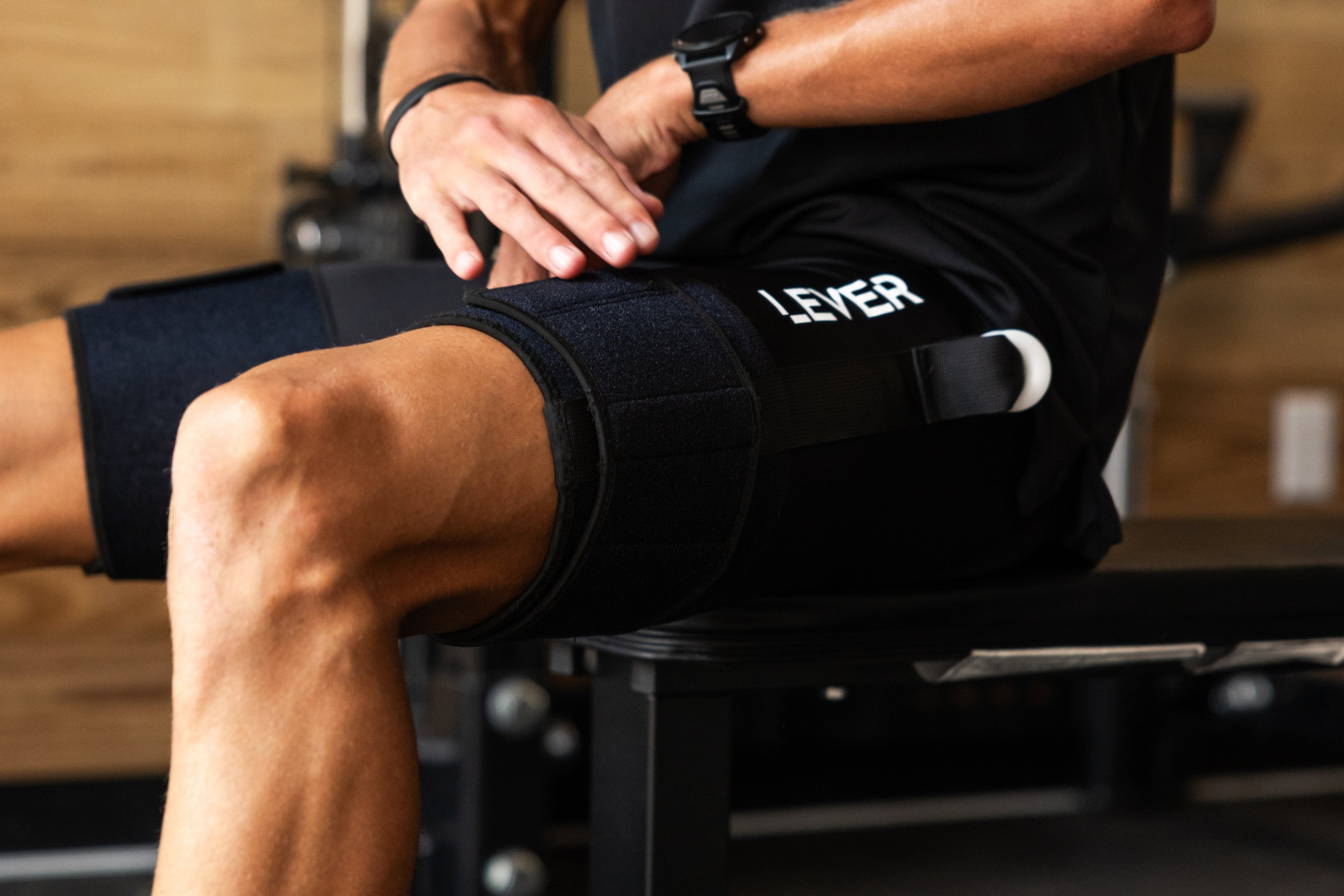
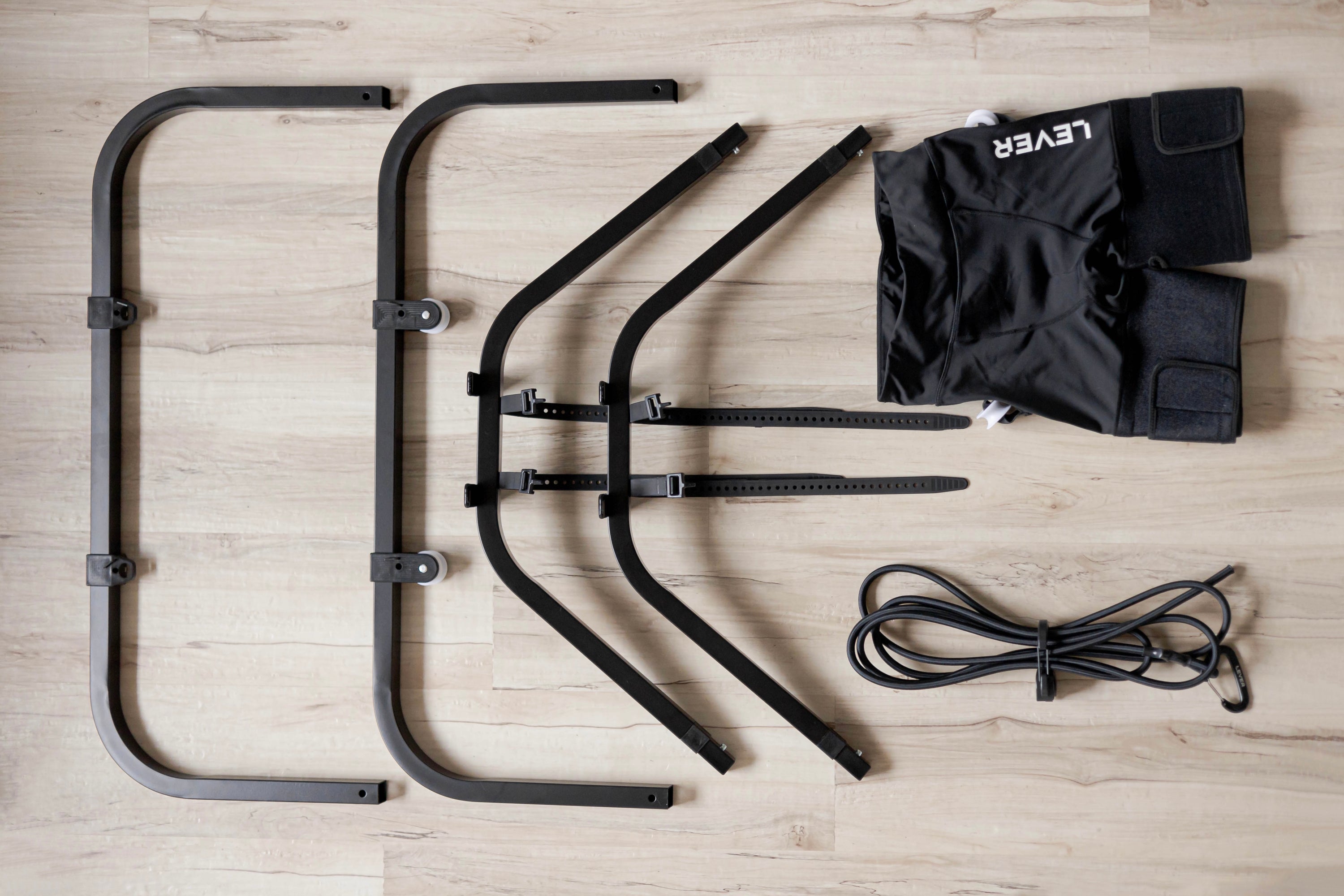
LEVER turns your treadmill into a body-weight support system, so you can recover, build volume and come back from injury while still running.
Shop LEVER6A Tool She Wishes She'd Had Earlier
"A tool I wish I'd had during my stress fracture days."IZZI BATT-DOYLE
Today, LEVER is one of the tools Izzi uses to manage her training load:

"The LEVER makes it easy to reduce impact while continuing to run, whether you're returning from injury, recovering from a marathon, or simply looking to train smarter."IZZI BATT-DOYLE
7Recovery Isn't Just for Injured Runners
One of the biggest misconceptions in running is that reducing impact is only useful when you're hurt. Elite runners think differently.
Recovery isn't a break from training.
Recovery is training.
The goal isn't to avoid hard work. It's to recover well enough that tomorrow's workout can be just as productive as today's. Every day missed to soreness, fatigue or injury is a day of fitness that can't be built.
That's why many of the world's best runners are becoming more intentional about managing load. Not because they're injured, but because they want to stay healthy enough to keep improving.
83 Lessons Every Runner Can Take From Izzi
You don't need to run 100-mile weeks to benefit from training smarter. Your body only adapts when it has the chance to recover.
Running a fall marathon? The same idea applies after your race. Easy runs at a reduced load let you keep moving while your body recovers, instead of choosing between total rest and running on legs that aren't ready yet.
9Consistency Is the Real Performance Advantage
Izzi's Australian record wasn't built in one race. It was built over years of making the right decision, over and over again: recovering when it mattered, reducing impact when needed, and protecting long-term health instead of chasing short-term mileage.
The fastest runners aren't always the ones who train the hardest. They're the ones who stay healthy enough to keep training.
References
1. Hoenig T, Eissele J, Strahl A, et al. Return to sport following low-risk and high-risk bone stress injuries: a systematic review and meta-analysis. Br J Sports Med. 2023;57(7):427. doi:10.1136/bjsports-2022-106328
2. Warden SJ, Davis IS, Fredericson M. Management and prevention of bone stress injuries in long-distance runners. J Orthop Sports Phys Ther. 2014;44(10):749-765. doi:10.2519/jospt.2014.5334
3. Warden SJ, Edwards WB, Willy RW. Optimal load for managing low-risk tibial and metatarsal bone stress injuries in runners: the science behind the clinical reasoning. J Orthop Sports Phys Ther. 2021;51(7):322-330. doi:10.2519/jospt.2021.9982
Healthy runners get faster
Congratulations on the Australian record, Izzi.