Few words scare a runner more than "stress fracture." It's one of the most common reasons runners lose months, not days. It almost never comes from one bad run. It builds quietly, often while you feel fit and fast.
This guide covers what a bone stress injury actually is, who gets them, how long recovery really takes, and what the research says about running with less body weight on the way back. Plus a sample return-to-run plan and how pro runners have used it.
~5xHigher odds with a past stress fractureBiggest single risk factor in runners
2.3xHigher odds for womenThan men, across runner studies
6-18 wkTypical time back to sportDepends mostly on which bone
~90%Return to their sportAcross nearly 3,000 injuries
Sources: Wright et al. 2015; Hoenig et al. 2023. See references.
1What a Bone Stress Injury Actually Is
Bone is living tissue. Every run creates tiny amounts of damage, and your body clears it out and lays down new bone. That constant break-down and rebuild is how bone gets stronger.
A bone stress injury happens when the damage piles up faster than your body can repair it. It's a spectrum, not a single event:
Stage 1NormalHealthy remodelingBone breaks down and rebuilds in balance
Stage 2Stress reactionEarly warningBone is irritated. Swelling shows on MRI, no crack yet
Stage 3Stress fractureA crack formsA fracture line appears. More time off
Stage 4Full fractureThe bone breaksRare, but the end of the road if you keep running on it
Catch it early and you lose weeks. Keep running on it and you lose months.
Learn moreWhy "I feel fine" isn't enoughBone adapts more slowly than your heart, lungs and muscles. Your fitness can be ready for more miles weeks before your bones are.That's why bone stress injuries often show up during a great block, right after a jump in mileage, a new workout or a race.
2Where They Happen, and Why It Matters
Where the injury is matters as much as the fact that you have one. Doctors split bone stress injuries into low-risk and high-risk sites, based on blood supply and how much load the bone takes.
LOW RISKUsually heal wellManaged by cutting load, then building back up step by step.Inner shin (posteromedial tibia)Fibula (outer lower leg)Most metatarsals in the footFemoral shaft (thigh bone)
HIGH RISKNeed more time and careHigher complication rates. May need a boot or crutches first.Femoral neck (hip)Navicular (midfoot)Front of the shin (anterior tibia)Base of the 5th metatarsal
Learn morePelvis and sacrum: the sneaky onesBones like the sacrum and pelvis are mostly spongy, trabecular bone. Injuries there are often linked to bone health and fueling, and the pain is easy to mistake for low back, hip or glute trouble.If deep, one-sided buttock or groin pain keeps building, ask about imaging. An MRI is the best test, and an early scan can still miss it.
3Who Gets Them
Most bone stress injuries come from two things meeting: too much load, too soon, and bone that isn't ready for it. Looking across studies of runners, two factors stood out:
~5xA past stress fractureOdds ratio 4.99 vs runners with no history
2.3xBeing femaleOdds ratio 2.31 vs male runners
Risk also stacks. In a study of 259 female athletes, the chance of a bone stress injury climbed with each risk factor related to low energy and bone health:
Chance of a bone stress injury, female athletes
Three or more combined~46-50%
Risk factors included low bone density, training 12+ hours a week, low BMI and dietary restraint. Barrack et al. 2014.
Learn moreLow energy availability (RED-S), in plain EnglishYour body needs enough fuel to train and to run everything else, including building bone. When training burns more than you take in, the body cuts back on non-essential jobs, and bone repair is one of them.It affects men and women. In women, a missed or irregular period is a key warning sign. In both, frequent injuries, fatigue and stalled progress can be clues.•Under-fueling, especially around training•Low vitamin D or calcium•Low bone density•A sudden jump in mileage or intensity•Too little recovery between hard days
4Warning Signs
Caught early, a stress reaction can mean weeks off instead of months. Watch for:
!Pain you can point to with one finger, on the bone
!Pain that starts earlier in each run, or builds as you keep going
!Pain when you hop on that leg
!Pain that lingers after runs, at rest or at night
!Swelling or tenderness over the bone
Stop running and get checked if pain keeps getting worse, hurts when you walk or hop, or wakes you at night. Hip or groin pain in a runner needs a prompt look, because the femoral neck is a high-risk site.
5How Long Recovery Really Takes
Researchers combined 76 studies and nearly 3,000 bone stress injuries in 2023. Here's the average time back to sport, by site:
Navicular (midfoot)~18 wk
Low risk High risk Other
Average time back to sport (44 to 127 days), rounded to weeks. Hoenig et al. 2023. Individual timelines vary a lot.
Two things the averages hide: high-risk sites also had far more complications, and "back to sport" isn't "back to full training." Once you're running again, rebuilding to your old workload often takes 3 to 6 weeks of careful progression.
6Can Running With Less Body Weight Help?
Bone heals best with the right amount of load. Too much and it breaks down again. Too little for too long and it weakens, and bone density can drop during a long layoff. The hard part is the gap between "no running" and "full running."
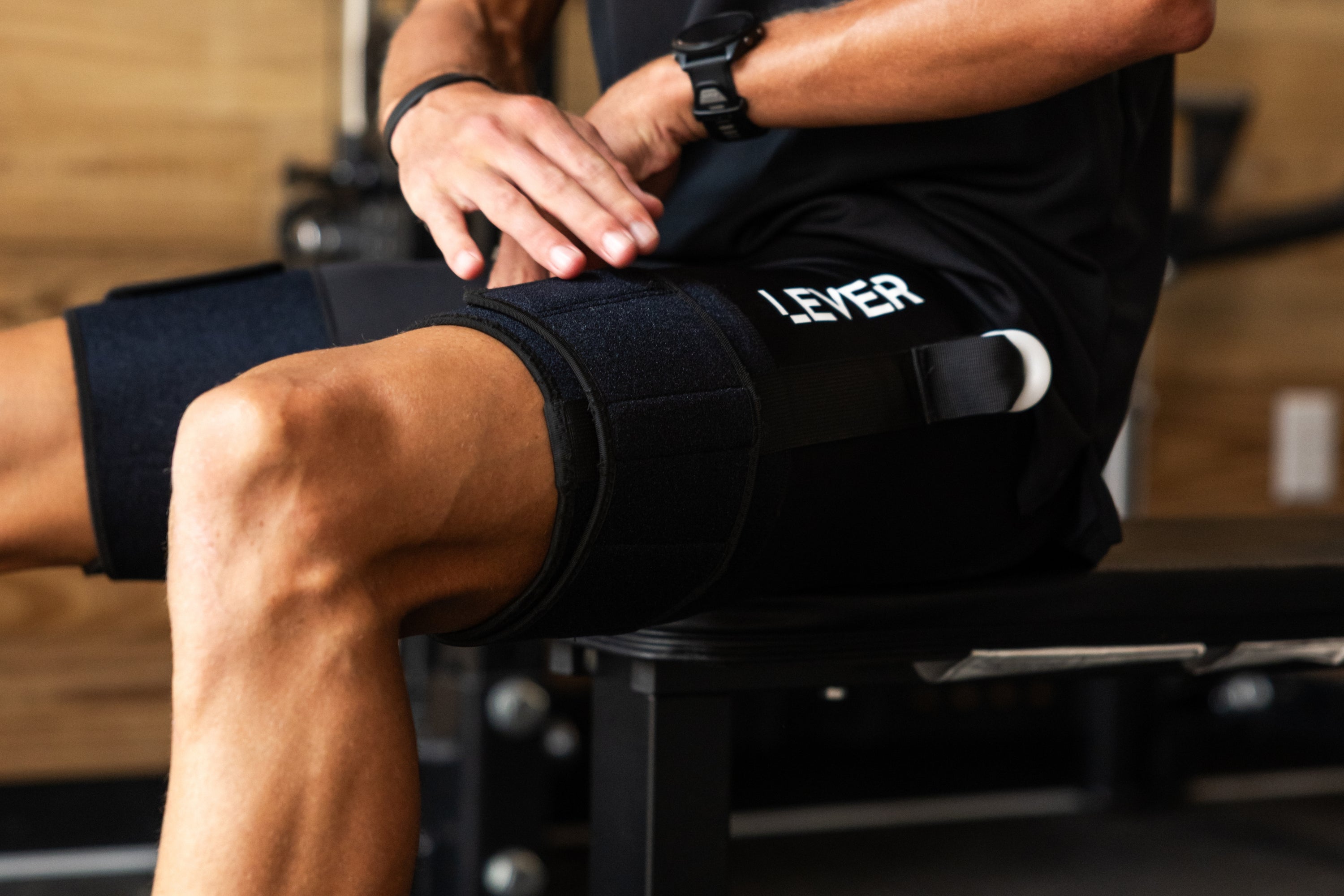
That's where body-weight support comes in. You run with part of your body weight taken off, so every step loads the bone a little less, then you give the weight back as the bone tolerates it.
What the research shows
Less weight, less force
Ground reaction forces and joint loads drop as body-weight support goes up. Vincent et al. 2022.
Used in rehab
Part of return-to-run plans
Return-to-running guidance lists body-weight-support treadmills as a way to control load early in the reload phase. Aspetar 2026.
The catch
It's not one-for-one
Forces don't drop exactly in line with the setting, and step rate tends to fall. Keep your cadence close to normal. Fohrmann et al. 2025.
Be honest
It doesn't heal bone faster
Most evidence is case reports and biomechanics, not trials on healing time. It's a way to run sooner at a safer load.
Real case: a runner with a pelvic stress injury% of body weight she ran with on an anti-gravity treadmill
Week 55 min jog / 1 min rest x3
Week 845 min, cleared to run outside
Runs every other day, adding 5 to 15 minutes and 5 to 10% body weight each time, only while pain-free. She raced again at week 10 with no recurrence. Single case report (Tenforde et al.), summarized in Vincent et al. 2022.
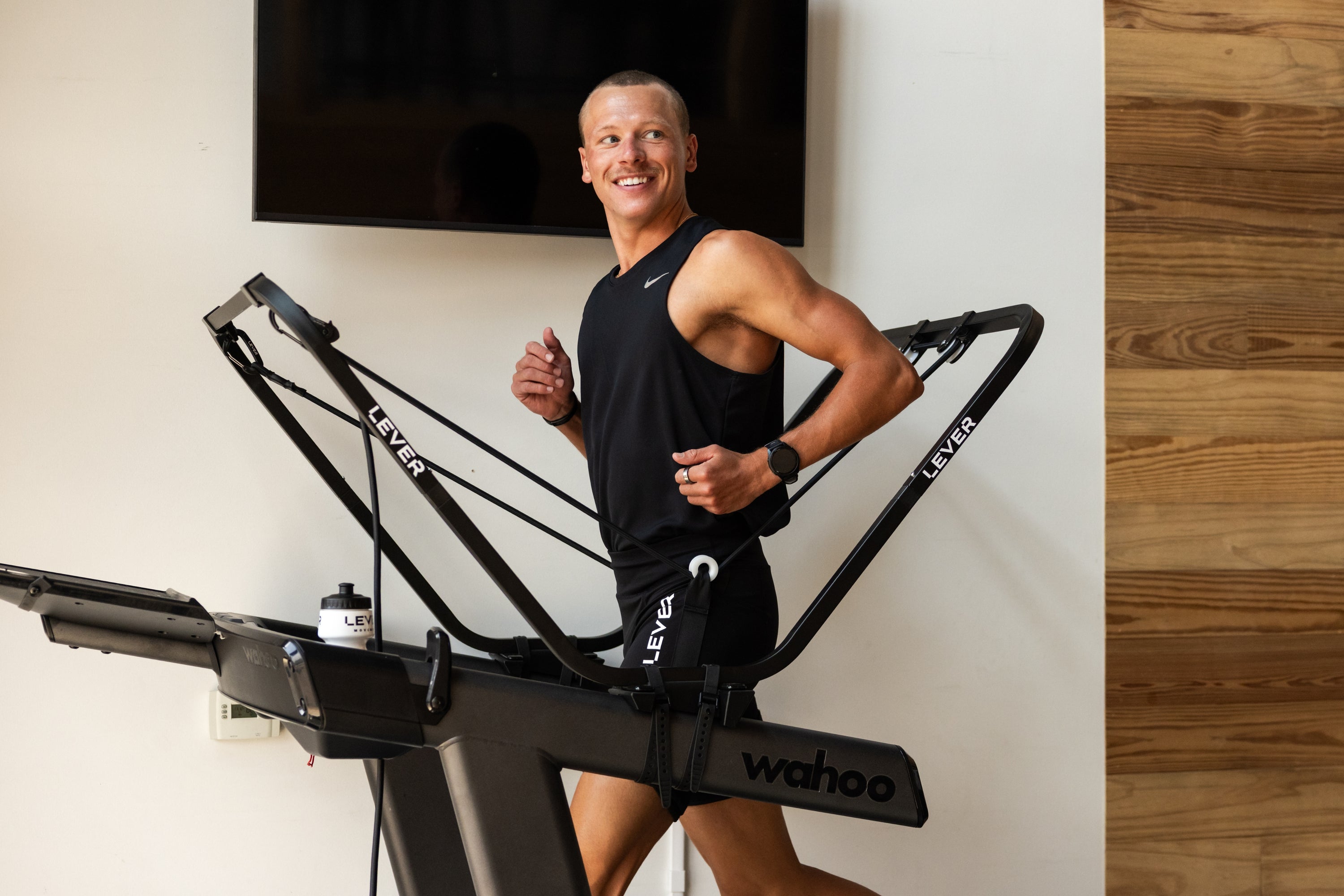
Conner Mantz on LEVER during his comeback.
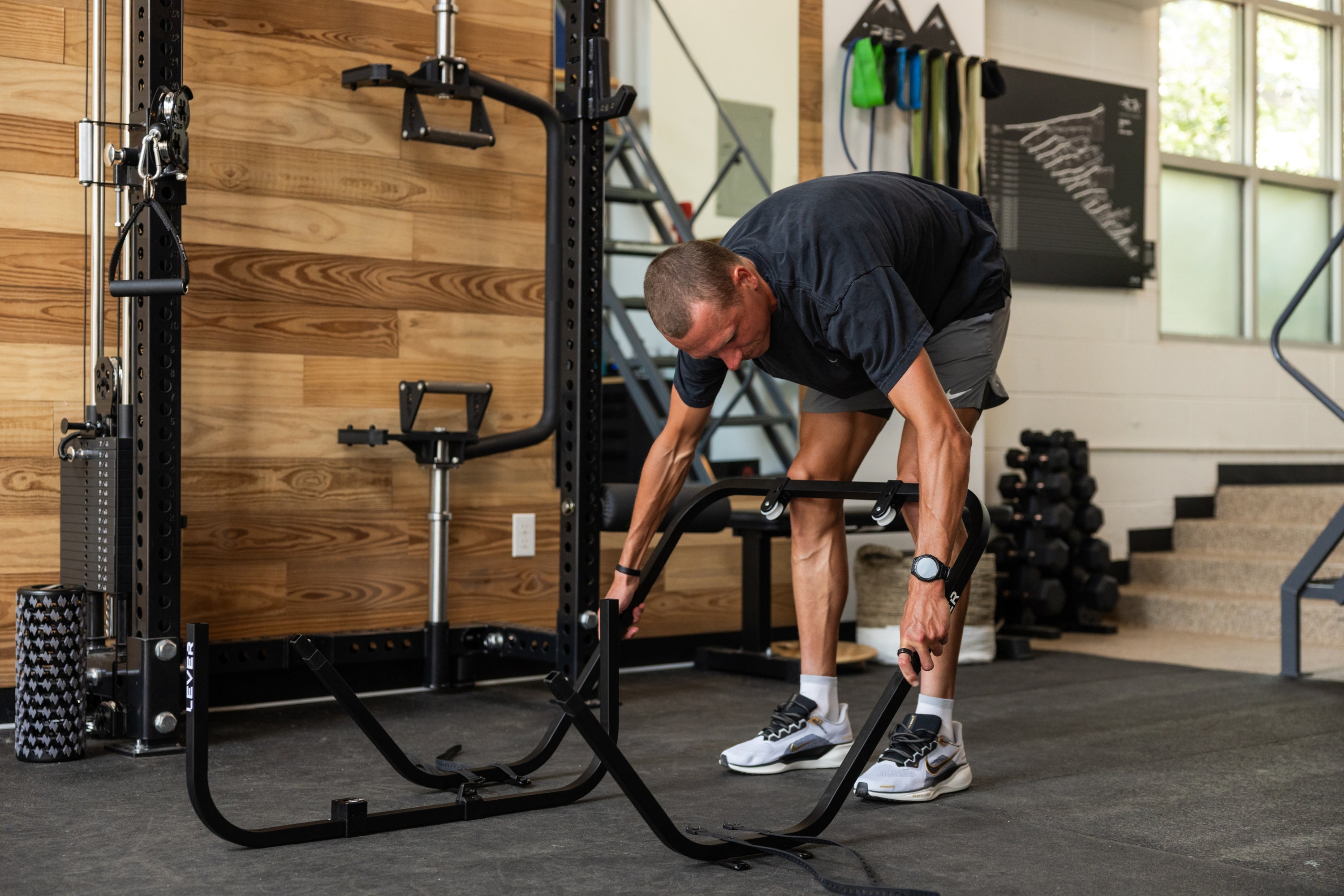
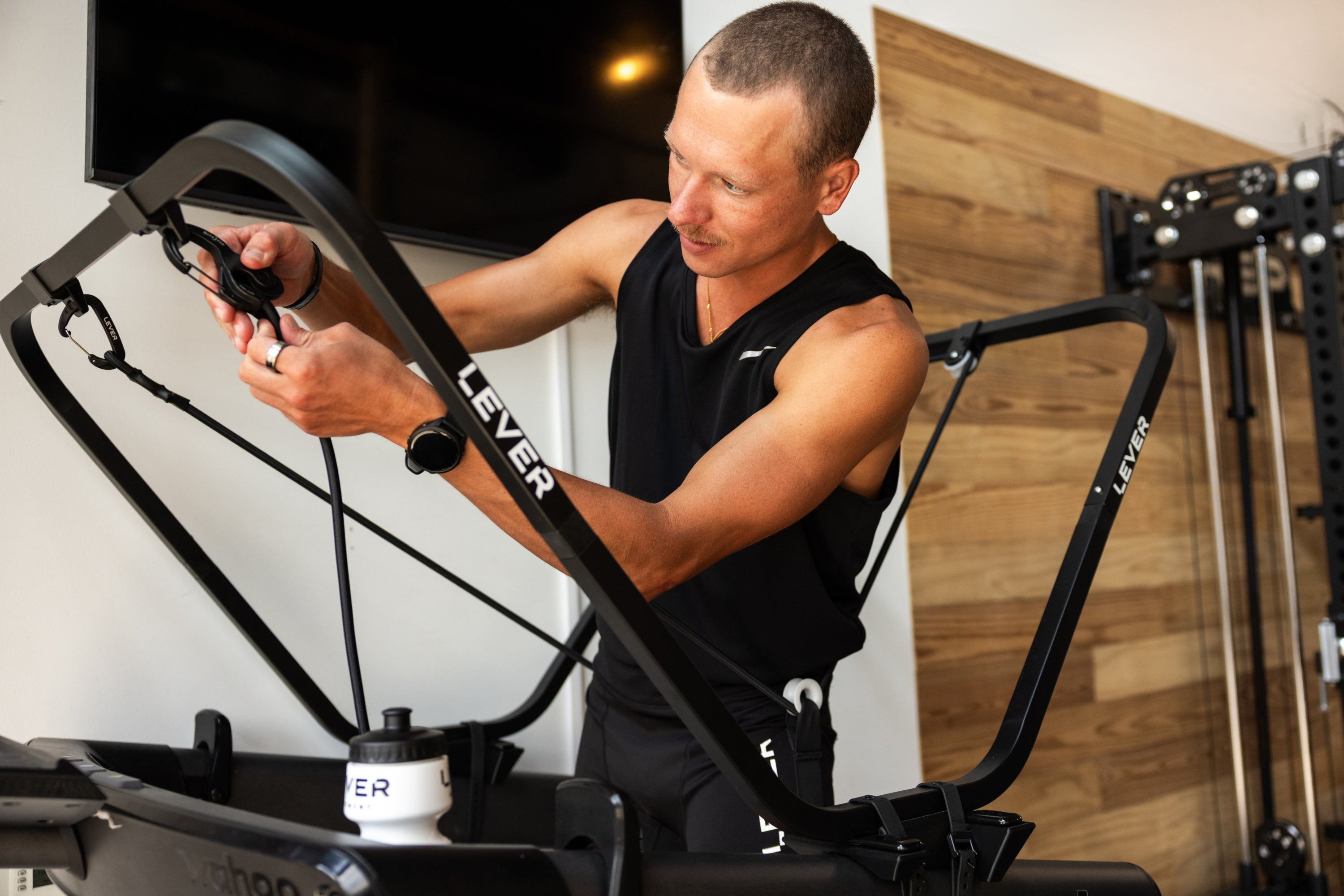
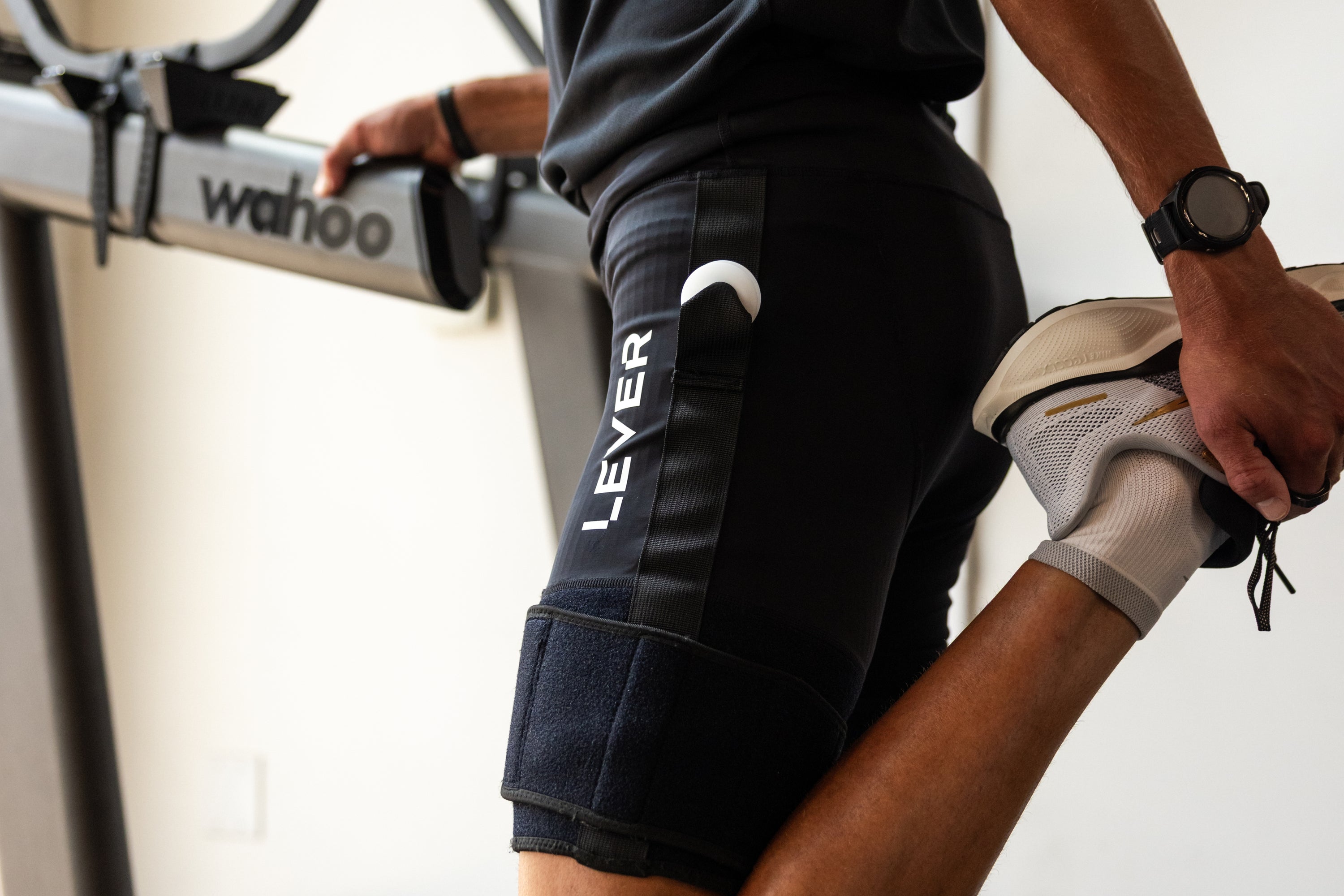
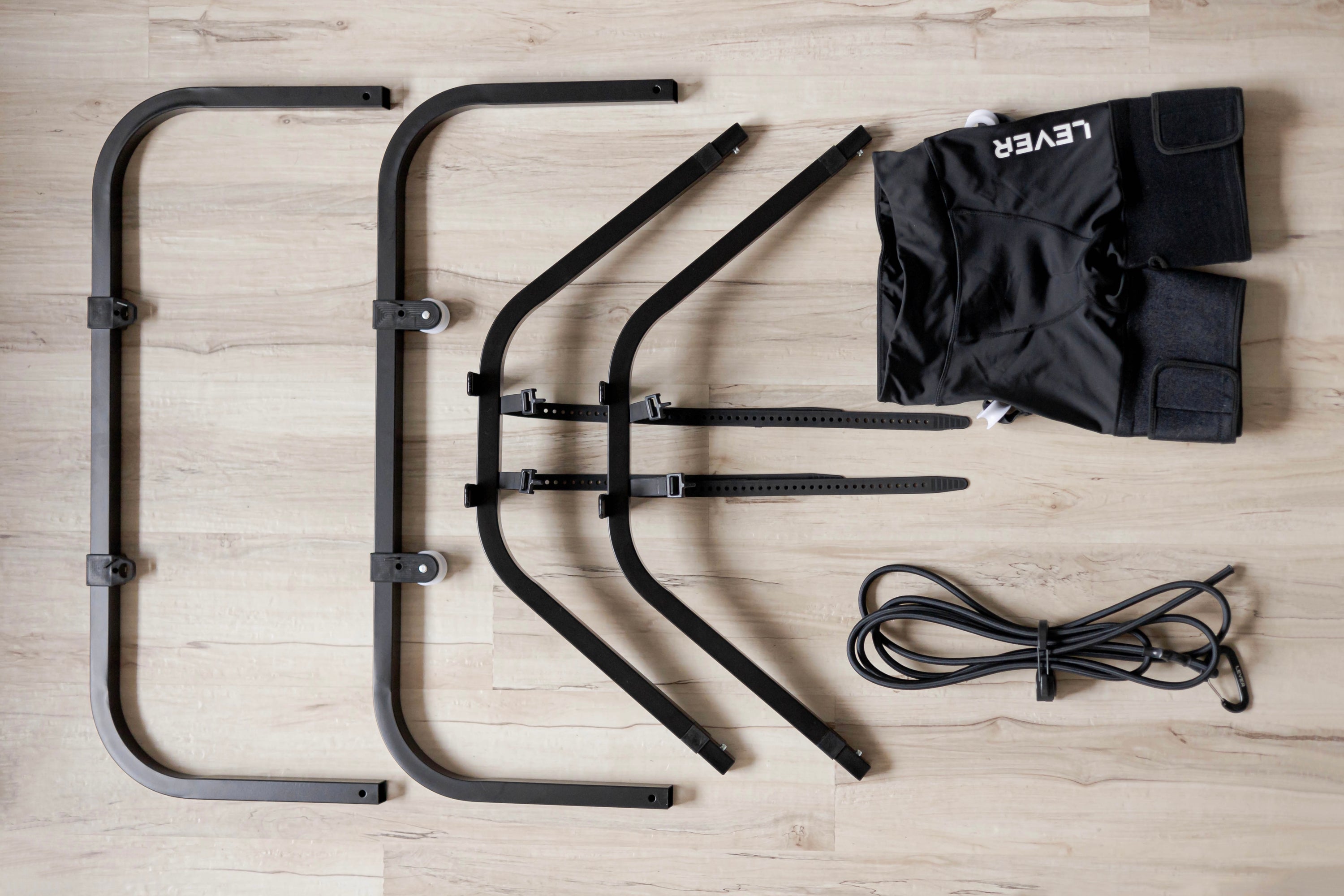
Good to knowAnti-gravity treadmill vs LEVERMost published research uses anti-gravity (air pressure) treadmills. LEVER does the same job a different way: a harness on a frame that attaches to a regular treadmill and lifts part of your body weight.The principle is the same, less body weight per step, but LEVER hasn't been studied in the same trials. Your clinician should set the plan either way.
7The Protocol: 4 Phases Back
Every injury is different, and your doctor or physio should guide your plan. But most comebacks follow the same four phases. Here's where body-weight support fits in each.
PHASE 1Protect and healLet the bone heal, fix the cause• Stop running and anything painful• Boot or crutches if walking hurts (often for high-risk sites)• Pain-free cross-training: pool running, cycling• Check fueling, sleep, vitamin D and calciumWHERE BODY-WEIGHT SUPPORT FITSNot yet. Support comes in once you're cleared to start loading the bone again.MOVE ON WHEN✓ Walking is pain-free✓ No tenderness on the bone✓ Your clinician clears you to load
PHASE 2Load before you runGet the bone used to load again• Pain-free walks, building to about 30 minutes• Strength for hips, glutes, calves and core• Gentle hops once your clinician okays itWHERE BODY-WEIGHT SUPPORT FITSShort, easy walk/jog sessions with a lot of support can bridge walking and running.MOVE ON WHEN✓ 30 minutes of brisk walking, pain-free✓ Single-leg hops pain-free✓ No pain the next day
PHASE 3Graded return to runRun again without the bone reacting• Walk/jog intervals, every other day• Build time first, then pace• Flat surfaces, easy effortWHERE BODY-WEIGHT SUPPORT FITSStart running with more weight off, then give weight back step by step as runs stay pain-free. See the sample plan below.MOVE ON WHEN✓ No pain during the run✓ No pain after✓ No pain the next day
PHASE 4Rebuild and stay healthyBack to full training, without a repeat• Volume first, intensity later• Keep easy days easy• Fix whatever caused itWHERE BODY-WEIGHT SUPPORT FITS1 to 2 easy runs a week with some support to add miles with less pounding.MOVE ON WHEN✓ Full training feels good for several weeks✓ Honest check before racing
Sample planA body-weight-support return to run
An example of how Phase 3 can look with support, adapted from published return-to-run programs. Your clinician sets the real starting point.
Step 1: Walk/jogMost support you can set1 min jog / 4 min walk, x5. Every other day.Pain-free x2 sessions? Move on.
Step 2: More joggingSame support3 min jog / 2 min walk, x5Change one thing at a time: time first.
Step 3: ContinuousSame support20 to 30 minutes easy, continuousThen start giving weight back.
Step 4: Give weight backRemove ~5% each stepSame 30 minutes, a little less support each sessionAny pain? Add support back and repeat.
Step 5: Near full weight0 to 5% off30+ minutes, pain-freeReady to start the walk/jog plan outside.
Step 6: Outside + support1-2 runs a week on supportGround running builds, some easy runs stay supportedVolume first, workouts last.
The pain rulesUse these at every step · tap to open
DuringNo pain while you run
AfterNo pain after the run
Next dayNo pain the next morning
If painStop. Rest a day. Go back one step
CadenceKeep your step rate close to normal on support
Example only, not a prescription. Based on graded programs in Warden et al. and the case progressions in Vincent et al. 2022.
8How Pro Runners Have Used It
Two of the athletes we work with have lived this injury. Here's what they did, in their words.
AMERICAN MARATHON RECORD HOLDERConner Mantz
InjuryTwo sacral stress fractures in one year
Time offAbout 12 weeks, then about 10
ComebackMost of his second return was on LEVER
Now2 runs a week, about 15% off
“It was just kind of like the lever was what we did.”CONNER MANTZ
AUSTRALIAN MARATHON RECORD HOLDERIzzi Batt-Doyle
InjurySeven stress fractures in her feet
ThenUsed an anti-gravity treadmill in college
NowLEVER after races, for easy volume and big weeks
“A tool I wish I'd had during my stress fracture days.”IZZI BATT-DOYLE
Read Conner's full comeback story.
COMING BACK FROM A BONE INJURY?
Run again at a load your bone can handle.
LEVER attaches to the treadmill you already own and takes part of your body weight off, so you can rebuild step by step.
Shop LEVER →
9Quick Answers
Can I run through a stress reaction?
No. Running on a bone that's already reacting can turn a stress reaction into a fracture and add weeks or months. Stop and get it checked.
Is an X-ray enough?
Often not. Early bone stress injuries usually don't show on X-ray. MRI is the most sensitive test, and if pain keeps building after a clear scan, get rechecked.
Do I need body-weight support to come back?
No. Plenty of runners come back with walking, cross-training and a graded walk/jog plan. Support lets you start running at a lower load and add miles with less impact.
How much weight should I take off?
It depends on the injury and how it responds. Most plans start with more support and reduce it as runs stay pain-free. Your physio should set your starting point.
How do I stop it happening again?
Build mileage gradually, keep easy days easy, eat enough for the training you do, and keep strength work in your week. If you've had one, you're at higher risk of another, so treat big jumps in training with extra care.
UP NEXTAchilles tendinopathyWhy tendons hate rest, love the right load, and take longer than you think.
General information, not medical advice. Bone stress injuries need a proper diagnosis. Work with your doctor or physio on your own return-to-run plan.
References
1. Wright AA, Taylor JB, Ford KR, Siska L, Smoliga JM. Risk factors associated with lower extremity stress fractures in runners: a systematic review with meta-analysis. Br J Sports Med. 2015;49(23):1517-1523. doi:10.1136/bjsports-2015-094828
2. Hoenig T, Eissele J, Strahl A, et al. Return to sport following low-risk and high-risk bone stress injuries: a systematic review and meta-analysis. Br J Sports Med. 2023;57(7):427-432. doi:10.1136/bjsports-2022-106328
3. Barrack MT, Gibbs JC, De Souza MJ, et al. Higher incidence of bone stress injuries with increasing female athlete triad-related risk factors: a prospective multisite study of exercising girls and women. Am J Sports Med. 2014;42(4):949-958. doi:10.1177/0363546513520295
4. Vincent HK, Madsen A, Vincent KR. Role of antigravity training in rehabilitation and return to sport after running injuries. Arthrosc Sports Med Rehabil. 2022;4(1):e141-e149. doi:10.1016/j.asmr.2021.09.031
5. Fohrmann D, Winter I, Simon A, et al. Biomechanical changes during running on a lower body positive pressure treadmill in competitive runners. Scand J Med Sci Sports. 2025;35:e70063. doi:10.1111/sms.70063
6. Jeanguyot E. Return to running and performance in lower limb bone stress injuries. Aspetar Sports Medicine Journal. 2026;15.
7. Warden SJ, Edwards WB, Willy RW. Optimal load for managing low-risk tibial and metatarsal bone stress injuries in runners: the science behind the clinical reasoning. J Orthop Sports Phys Ther. 2021;51(7):322-330. doi:10.2519/jospt.2021.9982
8. Warden SJ, Davis IS, Fredericson M. Management and prevention of bone stress injuries in long-distance runners. J Orthop Sports Phys Ther. 2014;44(10):749-765. doi:10.2519/jospt.2014.5334