For endurance athletes, few injuries are as frustrating as Achilles tendinopathy. It doesn't sideline you dramatically it creeps in, disrupts every run, and defies the standard advice to "just rest." The good news: many athletes don't need to stop running completely. They need to run smarter.
What Is the Achilles Tendon?
The Achilles tendon is the largest and strongest tendon in the human body. It connects the gastrocnemius and soleus muscles of the calf to the heel bone (calcaneus), transmitting every ounce of calf power into forward propulsion. Without it, running doesn't happen.
What makes this tendon so remarkable and so vulnerable is the load it handles. Research has estimated that Achilles tendon forces can reach several times body weight during running, with some studies reporting 3-5 times body weight and others estimating higher depending on running speed and measurement method (Komi, 1990; Finni et al., 1998). At a moderate running pace, a 70 kg athlete may subject their Achilles to thousands of high-force loading cycles in a single session.
For endurance athletes specifically, high weekly mileage compounds this further. Achilles tendinopathy affects roughly 5-10% of recreational runners annually and accounts for 8-15% of all running injuries (Kujala et al., 2005; van Ginckel et al., 2009). Achilles overuse injuries are especially common among competitive runners, making load management a year-round concern.
|
3-12x
Body weight force per stride (varies by speed & method)
|
10%
Of recreational runners affected annually
|
8-15%
Of all running injuries are Achilles-related
|
What Is Achilles Tendinopathy?
Many athletes still use the term "tendonitis" - but this is increasingly considered inaccurate for most chronic Achilles conditions. Tendonitis implies acute inflammation, but research consistently shows that chronic Achilles pain involves structural degeneration of tendon tissue rather than significant inflammation (Khan et al., 1999). The more precise term is tendinopathy: a clinical syndrome of pain, swelling, and impaired function driven by failed tendon healing and disorganized collagen.
There are two anatomical types athletes should know:
- Morning stiffness that takes more than 10 minutes to ease
- Pain that worsens after a run rather than during it
- Localized tenderness 2-6 cm above the heel
- Visible or palpable thickening of the tendon
- Pain that escalates with hill running or speed work
Catching tendinopathy early is critical. Athletes who address early symptoms before full structural breakdown tend to have significantly better and faster outcomes.
How Achilles Injuries Happen
Achilles tendinopathy rarely has a single cause. It develops when tendon loading consistently exceeds the tissue's capacity to adapt a process that typically unfolds over weeks or months of accumulated stress.
From a tissue perspective, tendons are slow-adapting structures. Muscle can respond to new loading stimulus within days; tendon adaptation takes weeks. This mismatch between how quickly athletes want to progress training and how quickly tendons can keep up is at the heart of most overuse injuries (Maffulli et al., 2003).
"Tendons adapt to load slowly and they respond poorly to sudden spikes in training volume or intensity. The common advice to increase weekly mileage by no more than 10% exists for very good reason."
Can You Keep Running With Achilles Pain?
This is the question every runner asks - and the answer is nuanced. Complete rest is rarely the optimal approach. Tendon biology research shows that tendons require mechanical loading to maintain and rebuild their structural integrity (Magnusson et al., 2010). Prolonged unloading leads to tendon atrophy, loss of stiffness, and ultimately a longer path back to full running.
The goal is not to stop loading the tendon - it is to control and optimize the load. A landmark study by Alfredson and colleagues (1998) demonstrated that heavy eccentric calf loading was not only safe but therapeutically effective for chronic Achilles tendinopathy. Since then, the principle of progressive loading has become the cornerstone of evidence-based Achilles rehab.
- Pain above 5/10 during or after activity
- Significant increase in swelling or thickness
- Symptoms worsening week-over-week
- Suspected partial or complete rupture
- Pain stays at or below 4/10
- Symptoms return to baseline within 24hrs
- No post-run flare the following morning
- Mild-to-moderate tendinopathy only
Clinical guideline: tendon pain up to 4/10 during exercise that returns to baseline within 24 hours is generally an acceptable training signal (Cook & Purdam, 2009).
Evidence-Based Treatment Options
The research on Achilles tendinopathy treatment has matured considerably over the past two decades. Here is what the evidence currently supports:
"Strength training is not optional for Achilles rehab - it is the treatment. Running alone maintains the problem; progressive loading resolves it."
Adapted from Cook & Purdam, 2009; Beyer et al., 2015
How Body-Weight Support Running Helps Achilles Recovery
One of the most clinically significant developments in running rehabilitation is the use of body-weight support (BWS) treadmill systems technologies that partially unload the runner using a harness or air chamber, reducing the effective weight borne through the lower limbs during running.
The biomechanical mechanism is straightforward. Ground reaction force scales with body weight: a 10% reduction in effective weight produces approximately a 10% reduction in peak vertical ground reaction force (Finestone et al., 2004). Because Achilles tendon loading is directly coupled to ground reaction force and calf muscle output, reducing body weight during running proportionally reduces the mechanical demand placed on the tendon.
Research by Gottschall and Kram (2005) demonstrated that partial unloading during treadmill running reduced metabolic cost and lower-limb muscular demand in a predictable, dose dependent manner meaning clinicians can precisely titrate the amount of support to manage tendon load while preserving running mechanics and cardiovascular training effect.
A study by Saxena and Granot (2011) described successful use of anti-gravity treadmill technology in return-to-sport protocols for lower extremity tendinopathies, reporting that athletes maintained training volume and returned to full weight-bearing running ahead of typical timelines. BWS systems are now widely integrated into clinical rehabilitation programs at sports medicine centers, physical therapy practices, and elite performance facilities.
How Athletes Use LEVER to Stay Running During Achilles Rehab
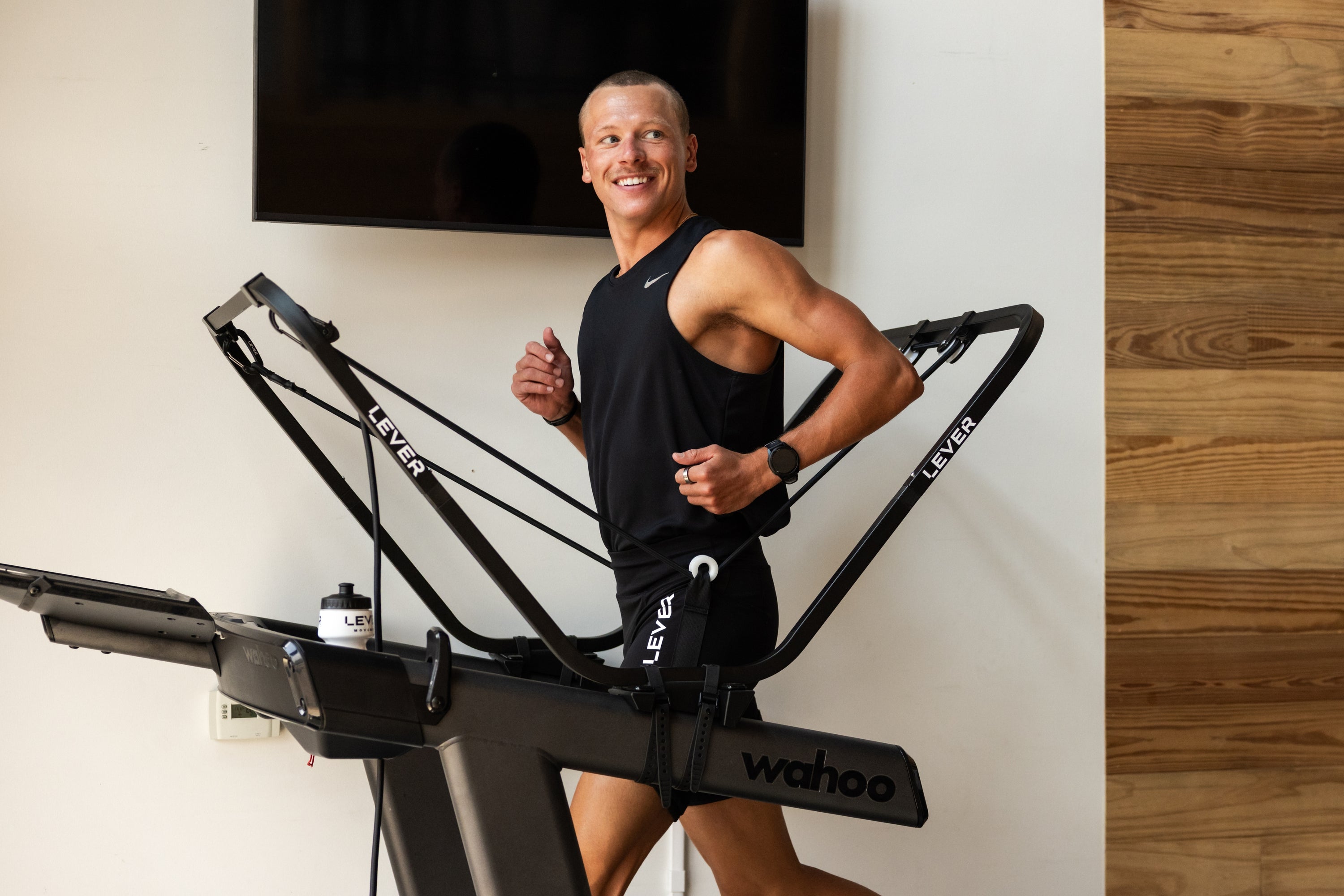
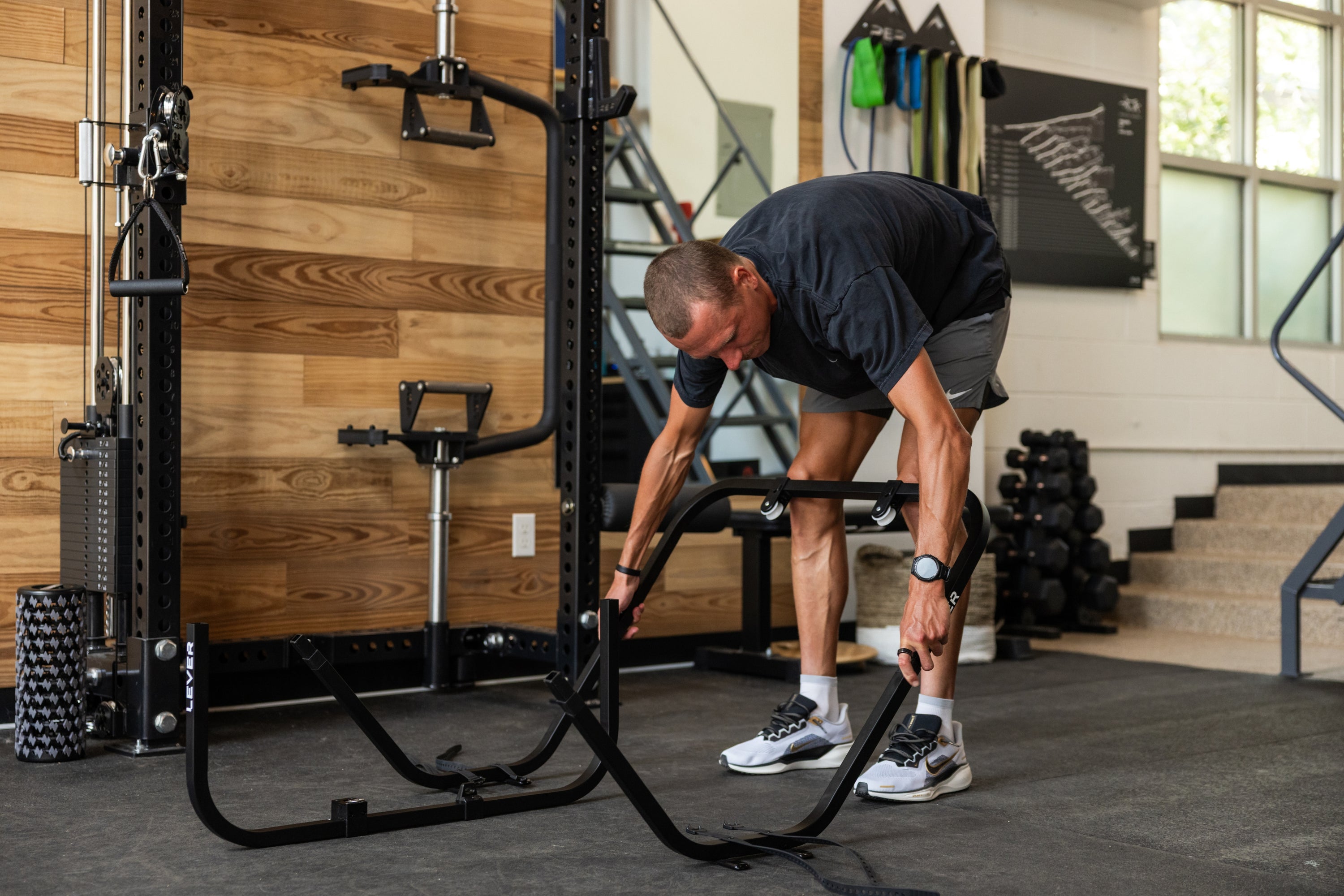
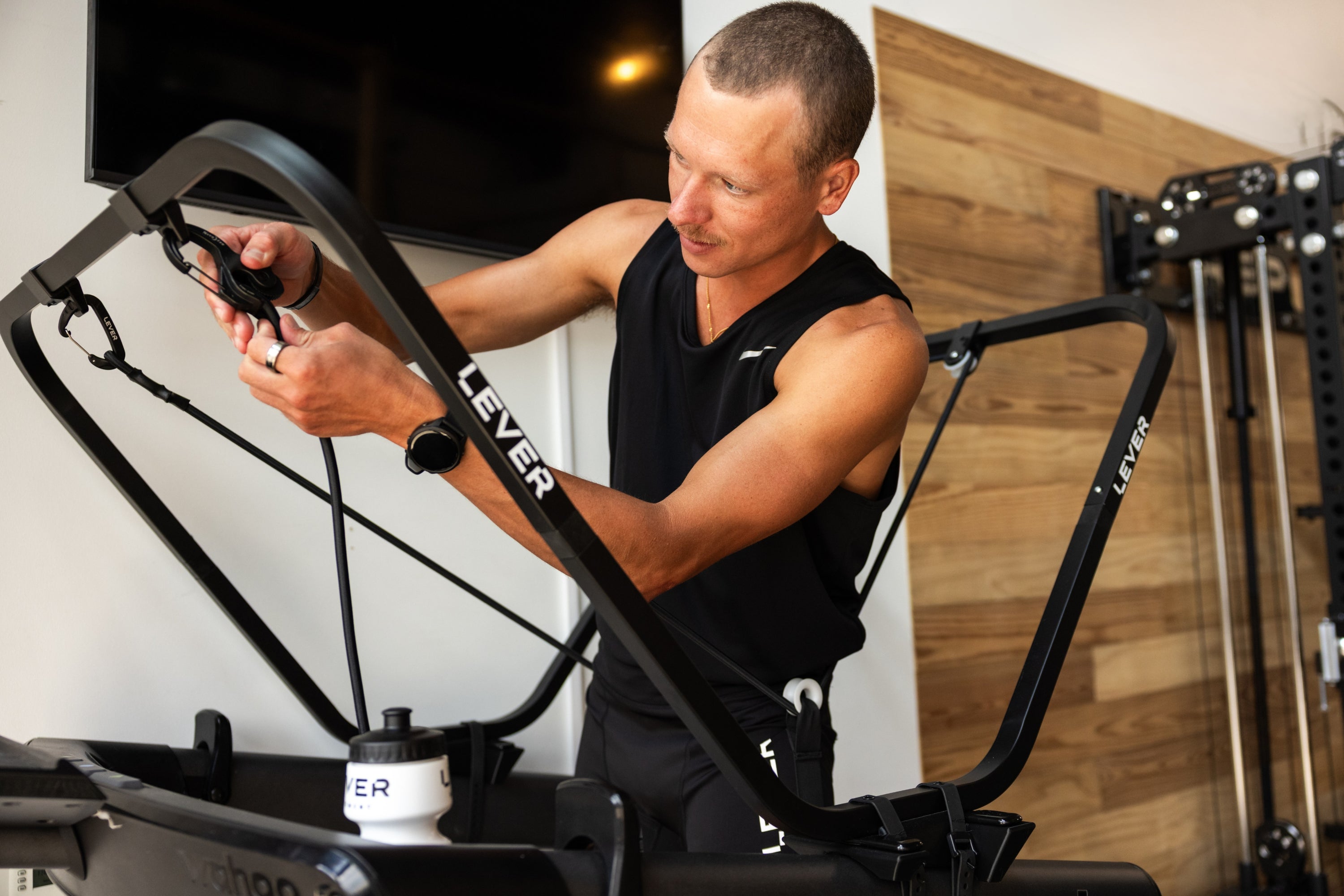
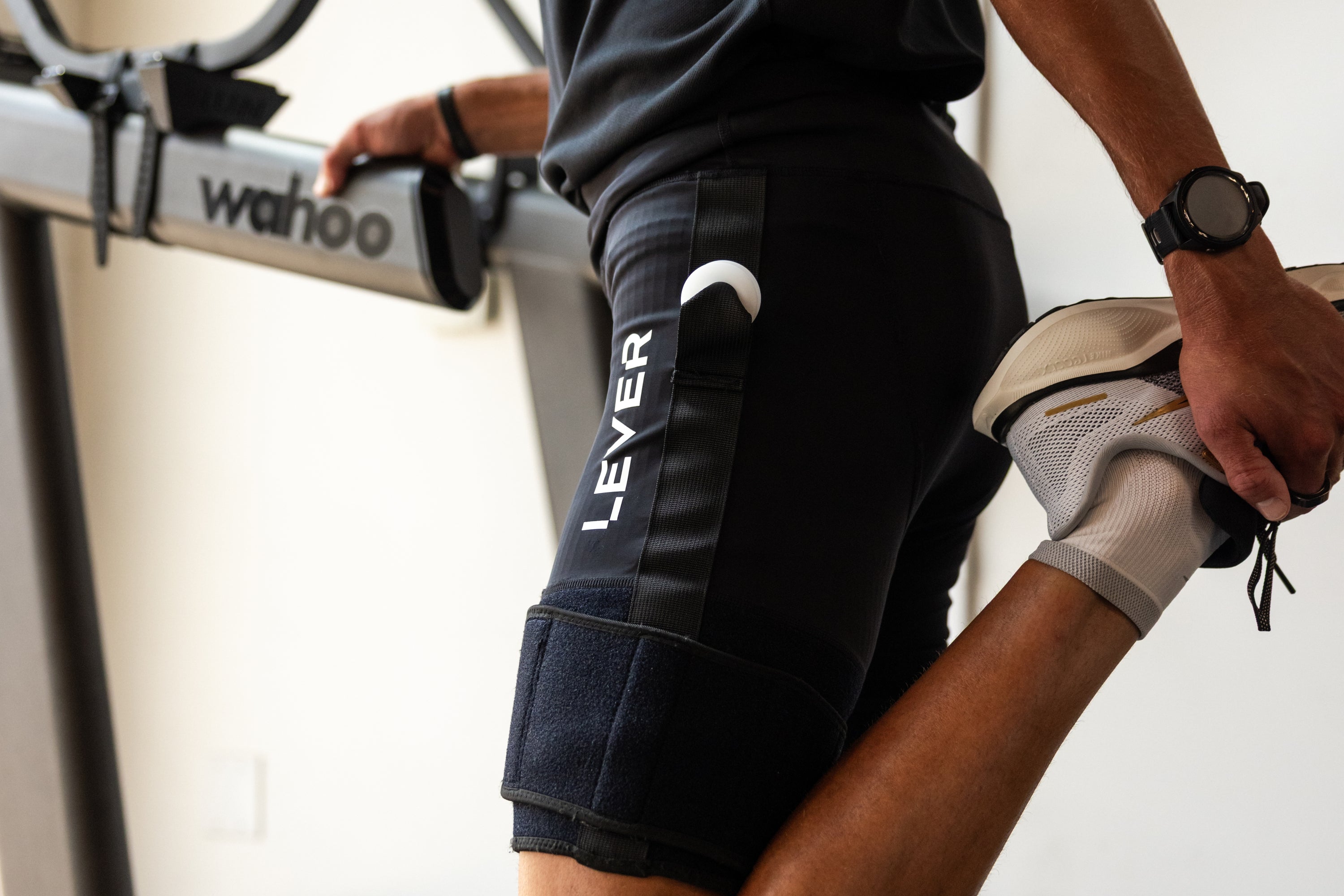
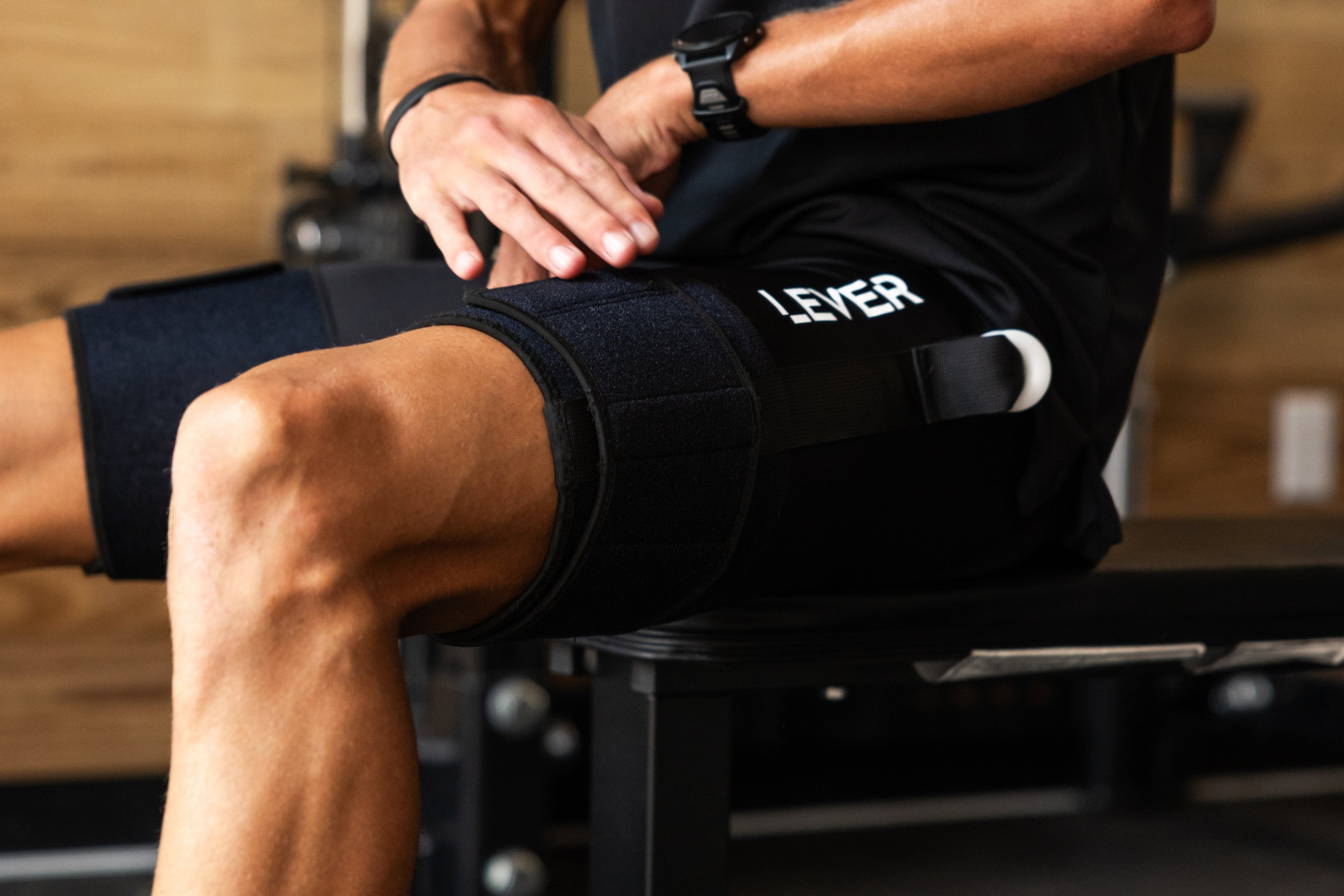
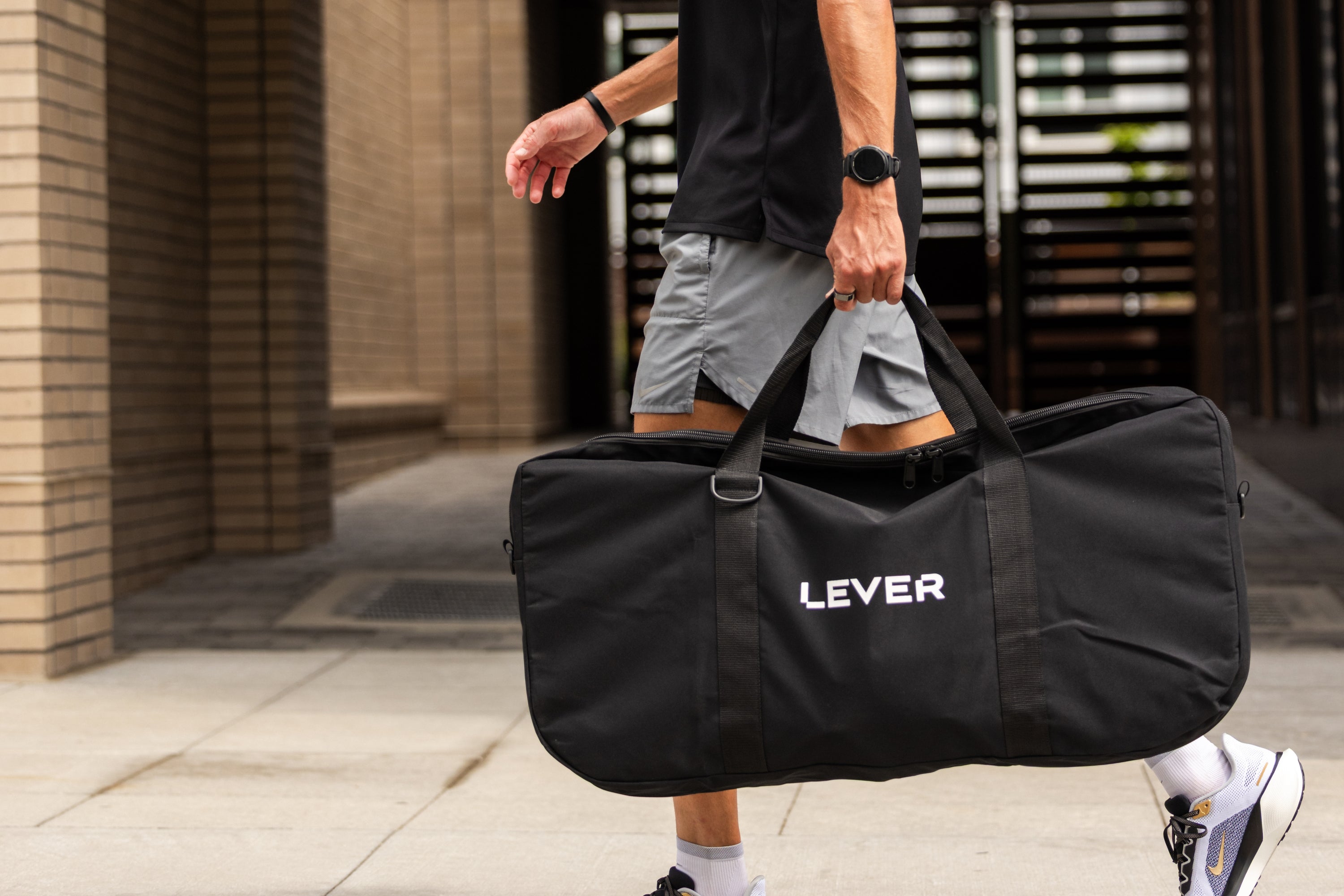
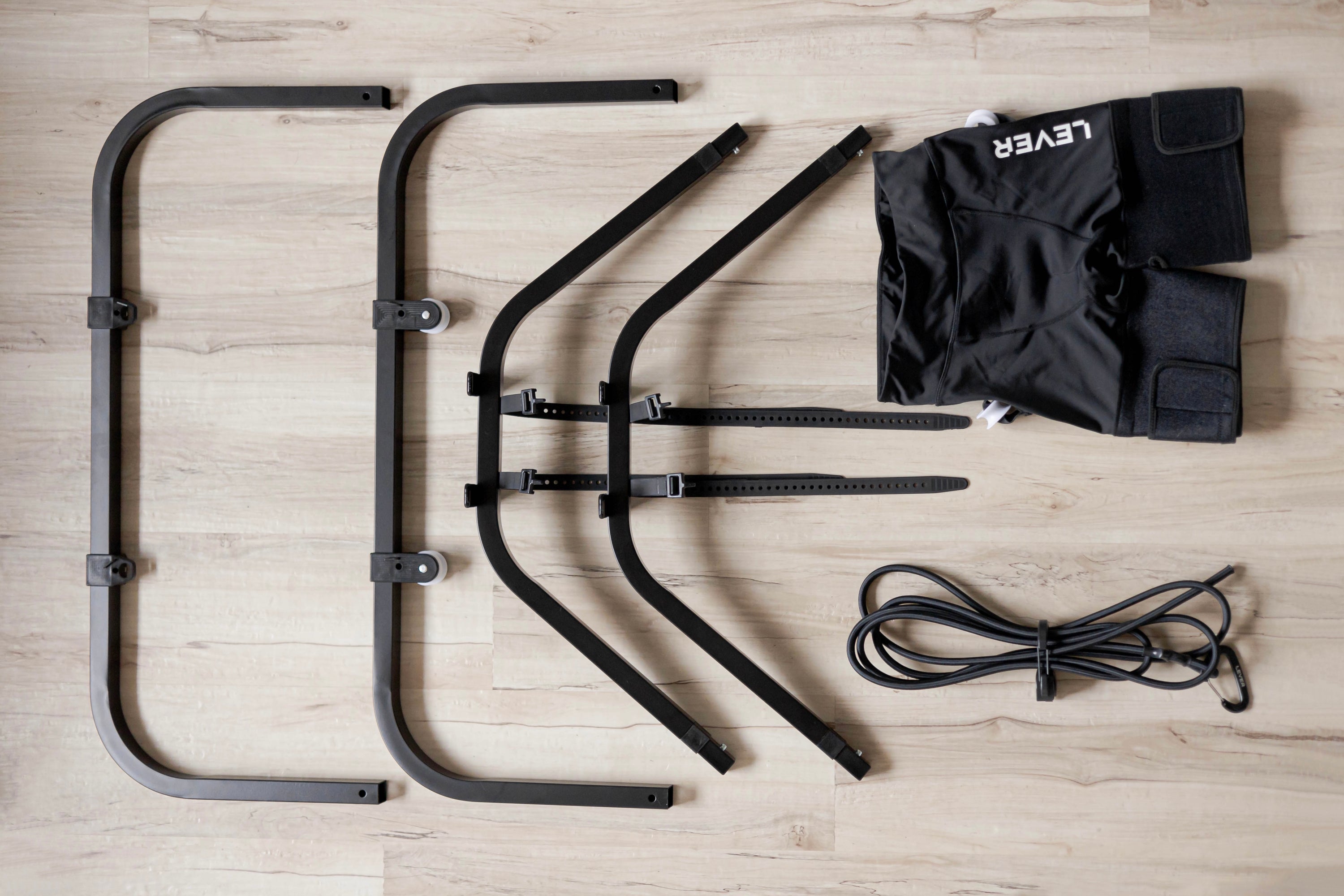
LEVER is a body-weight support system designed for treadmill running that allows athletes to precisely control the amount of weight reduction during training. Rather than removing running from the equation entirely, LEVER can create a thoughtful middle path: continue running, but at a load your tendon can currently tolerate.
In practical terms, an athlete working through Achilles tendinopathy might begin at 15-20% body-weight support - meaning they run as if they weigh 15-20% less than their actual body weight. For a 75 kg runner, this means training with the tendon loading equivalent of a 60-64 kg person. That modest reduction is often enough to bring loading within a pain-free or symptom-acceptable window, allowing real running to continue.
Athletes who continue modified activity throughout rehabilitation tend to return to sport faster and with better long-term outcomes than those who rest completely (Cook & Purdam, 2009). LEVER makes that modified activity feel like running - because it is.
Example Return-to-Run Progression
The following is a sample framework for an athlete with mild-to-moderate mid-portion Achilles tendinopathy. Individual progressions should always be guided by a sports medicine clinician or physiotherapist. Pain monitoring (target: below 4/10 during activity, returned to baseline within 24 hours) is the primary feedback mechanism throughout.
Key Takeaways for Runners Managing Achilles Pain
Achilles injuries are not a signal to stop being an athlete. They are an invitation to train smarter - to understand your body's load tolerance, build genuine tendon strength, and use every available tool to stay in motion.
The goal is never to wait for pain to disappear. The goal is to keep moving, intelligently, all the way back to full performance.
References
Alfredson H, et al. (1998). Heavy-load eccentric calf muscle training for treatment of chronic Achilles tendinosis. Am J Sports Med. doi:10.1177/03635465980260030301
Beyer R, et al. (2015). Heavy slow resistance versus eccentric training as treatment for Achilles tendinopathy. PLoS ONE. doi:10.1371/journal.pone.0126735
Cook JL & Purdam CR (2009). Is tendon pathology a continuum? Br J Sports Med. doi:10.1136/bjsm.2008.051193
Finni T, et al. (1998). Achilles tendon loading during walking. Eur J Appl Physiol. doi:10.1007/s004210050438
Gottschall JS & Kram R (2005). Energy cost and muscular activity required for leg swing during walking. J Appl Physiol. doi:10.1152/japplphysiol.01190.2004
Khan KM, et al. (1999). Overuse tendinosis, not tendinitis. Physician Sportsmed. doi:10.3810/psm.1999.05.965
Komi PV (1990). Relevance of in vivo force measurements to human biomechanics. J Biomech. doi:10.1016/0021-9290(90)90038-5
Kujala UM, et al. (2005). Cumulative incidence of Achilles tendon rupture and tendinopathy in male former elite athletes. Clin J Sport Med. doi:10.1097/01.jsm.0000181432.18473.b4
Maffulli N, et al. (2003). Overuse tendon conditions: time to change a confusing terminology. Arthroscopy. doi:10.1016/s0749-8063(03)00414-2
Magnusson SP, et al. (2010). The pathogenesis of tendinopathy: balancing the response to loading. Nat Rev Rheumatol. doi:10.1038/nrrheum.2010.43
Saxena A & Granot A (2011). Use of a variable-resistance anti-gravity treadmill in the rehabilitation of the operated Achilles tendon. J Foot Ankle Surg. doi:10.1053/j.jfas.2011.02.002
van Ginckel A, et al. (2009). Intrinsic gait-related risk factors for Achilles tendinopathy in novice runners. Gait Posture. doi:10.1016/j.gaitpost.2008.06.002