When most people think about professional triathlon training, they imagine constant intensity. Endless suffering. Hard sessions stacked on top of harder ones.
But when professional triathlete Steph Clutterbuck recently broke down a full week of her Ironman preparation on her podcast, a different picture emerged.
Yes, the volume was high. But the real focus wasn’t training harder. It was training smarter, managing stress, and staying healthy enough to be consistent.
Because at the highest level, consistency is everything.
A Simple Mindset That Guides Her Training
Early in the episode, Steph shared how she evaluates whether her training is in the right place.
“A third of sessions are going to be great, a third are going to be average, and a third are going to be poor. As long as they’re in balance, you’re probably on for a good one.”
She explained that if everything feels amazing, it’s usually a sign that the load isn’t high enough. But if too many sessions feel below the line, it’s a signal that recovery is needed.
This mindset allows her to stay objective and focus on long-term progress rather than individual workouts.

What a 22-Hour Week Actually Looks Like
Steph’s biggest week at home in months totaled 22 hours across swim, bike, run, and strength.
She broke it down as:
-
Nearly 5 hours of swimming
-
Over 10 hours of cycling
-
Around 4.5 hours of running
-
Three strength sessions
Importantly, much of this work was aerobic and controlled rather than high intensity.
One of the biggest changes in her training has been making the easier work truly easy.
“The easier is way easier… it’s unusual for me to run faster than five-minute kilometres on most easy runs now.”
This allows her to build more total load while recovering better between sessions.
Structuring Stress to Improve Adaptation
Instead of spreading stress evenly across every day, Steph now groups higher training loads together.
She described how stacking bigger days followed by true recovery has helped her body adapt more consistently.
“If I have a day that’s quite big, I might as well make it actually big and then have a day that’s actually easy… rather than being kind of stressed all the time.”
This approach is especially important as she manages overall training stress and prepares for Ironman racing.

Why Running Has Been the Longest Journey
Steph’s background in swimming and rowing meant running was something she had to build gradually.
She shared how early in her career, running volume had to stay low to avoid injury.
“It’s been a long journey to build in running without getting injured.”
Now, as her training load increases again, the goal is not just to run faster, but to run more consistently.
She emphasized that enjoying running again has been a major milestone after previous challenges with health and injury.
“I’m actually really enjoying running… and that’s the big thing.”
Where LEVER Fits Into Her Training
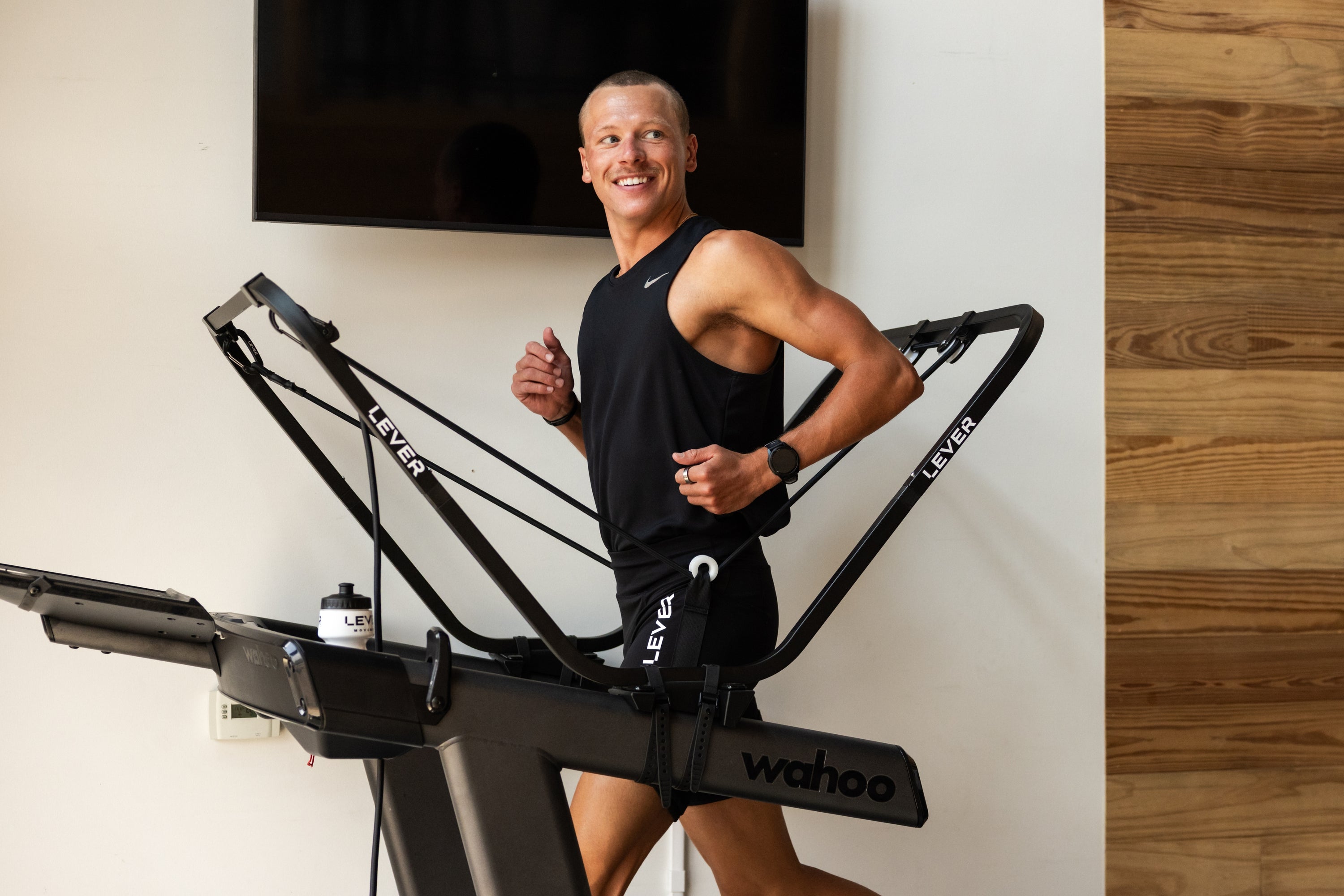
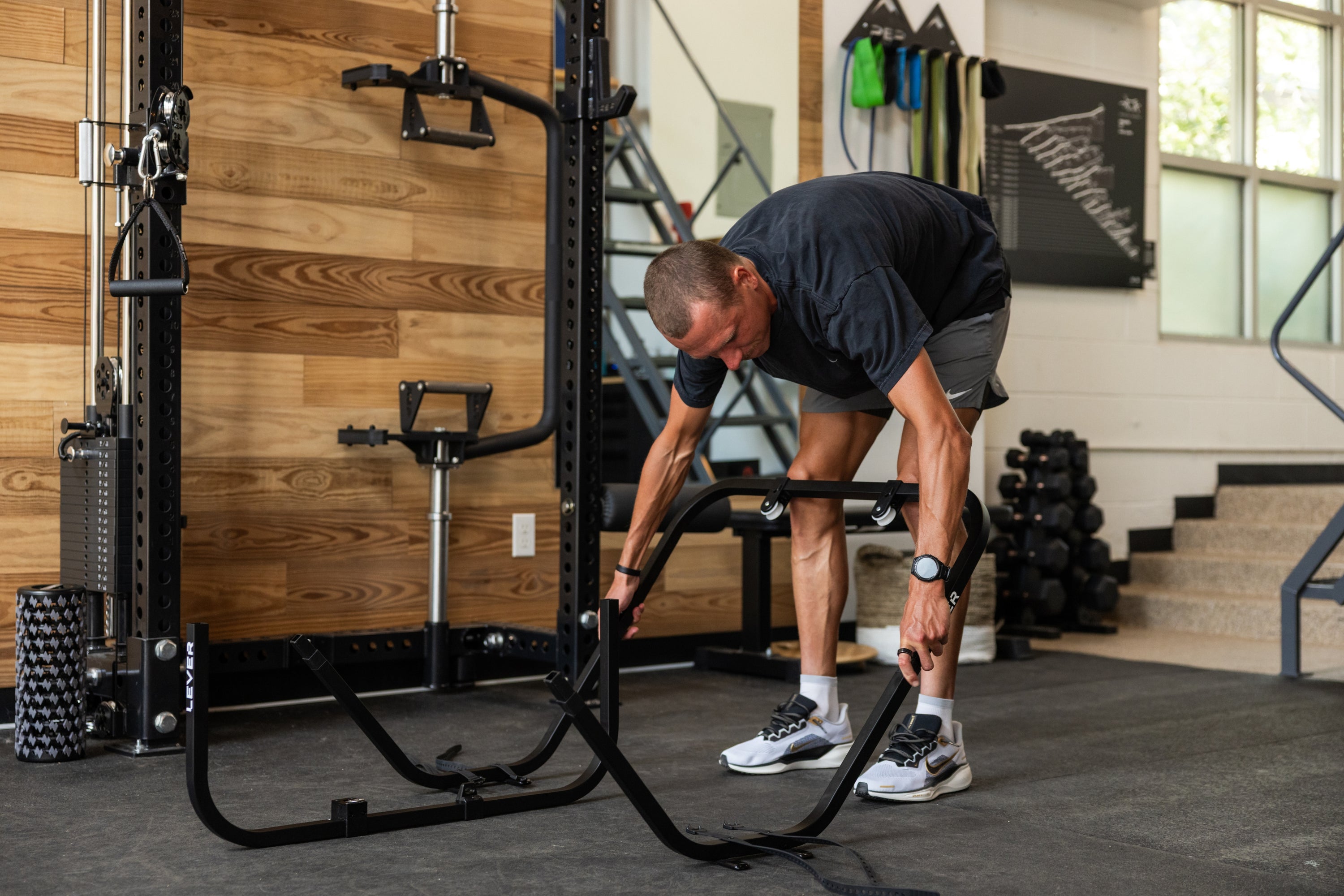
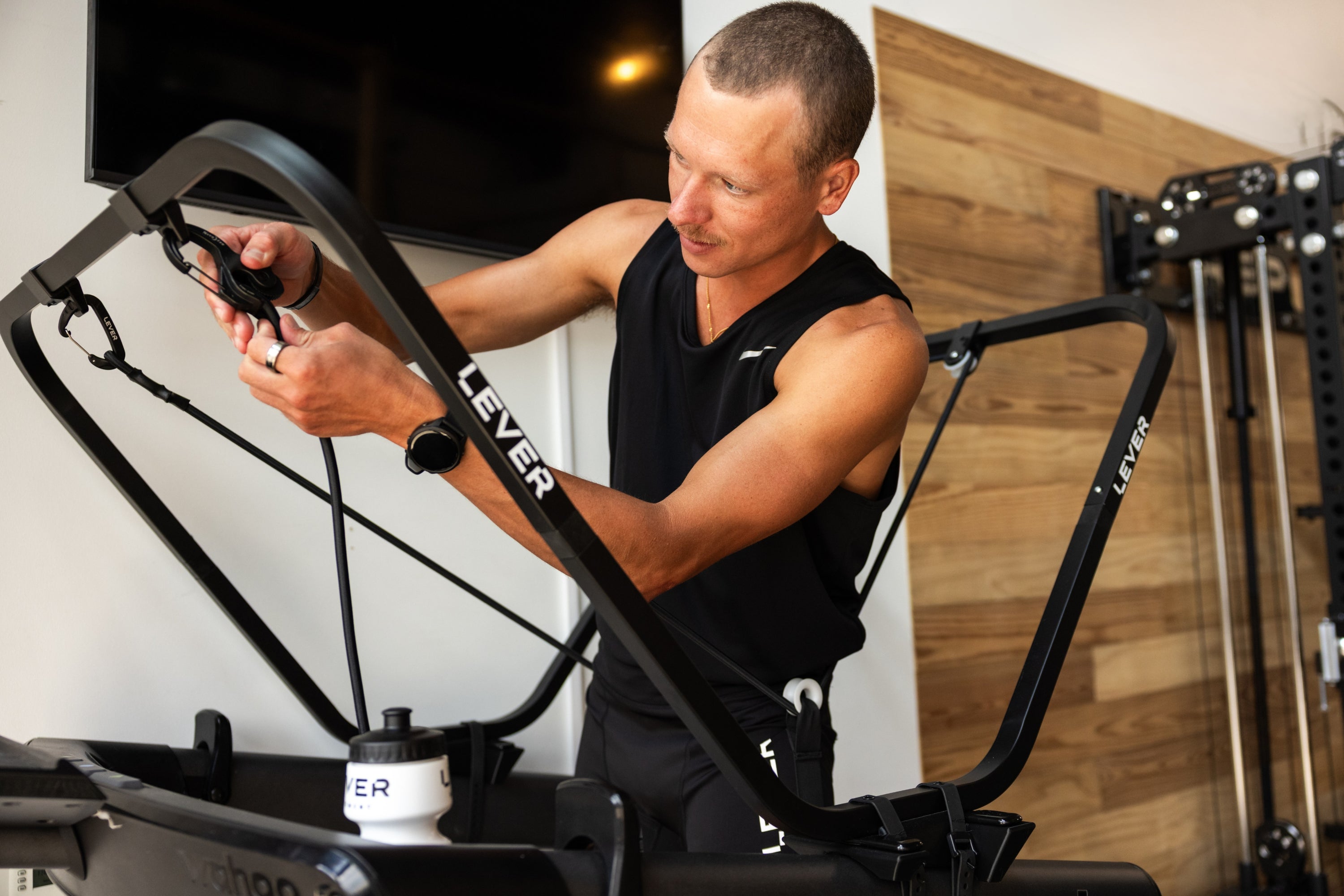
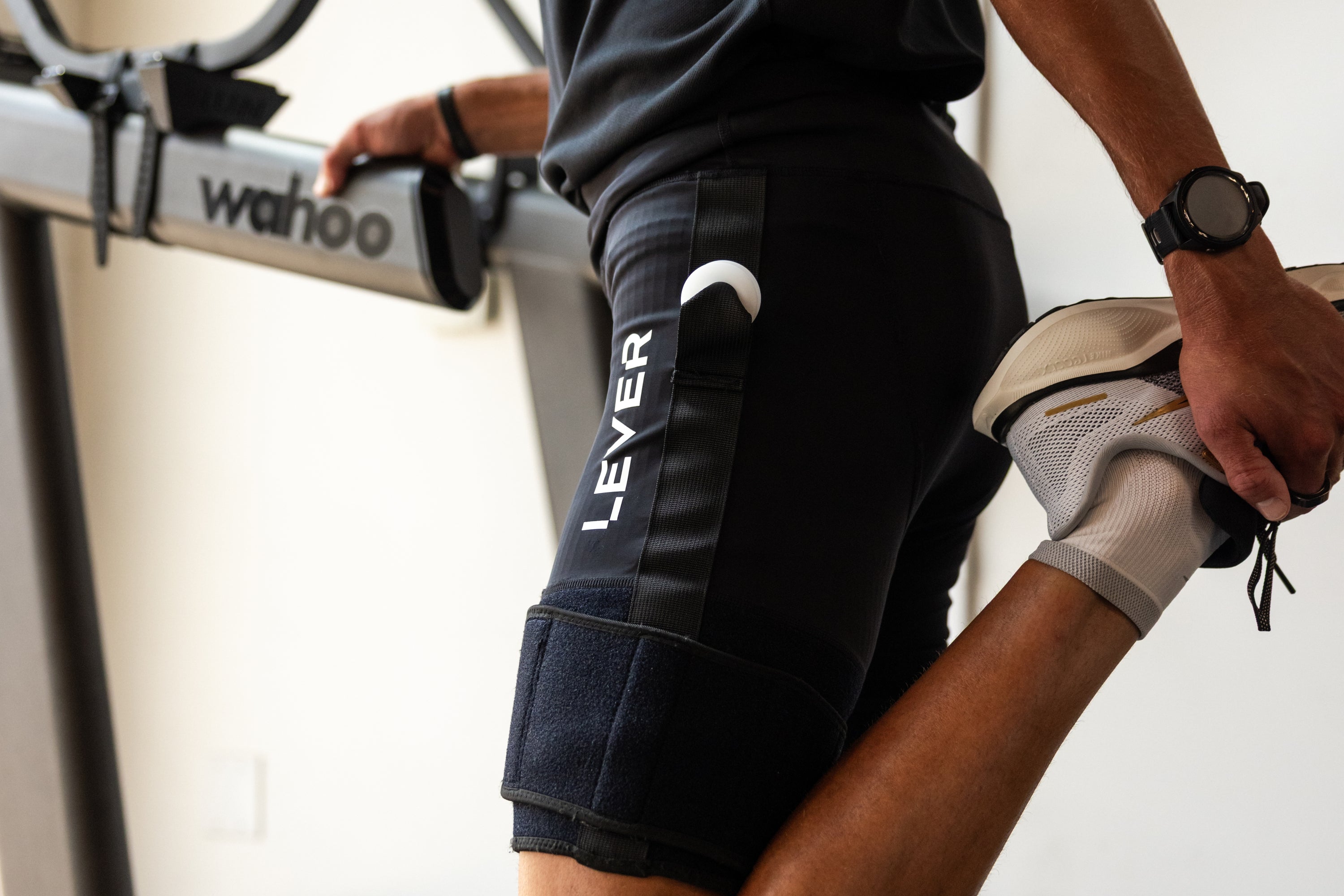
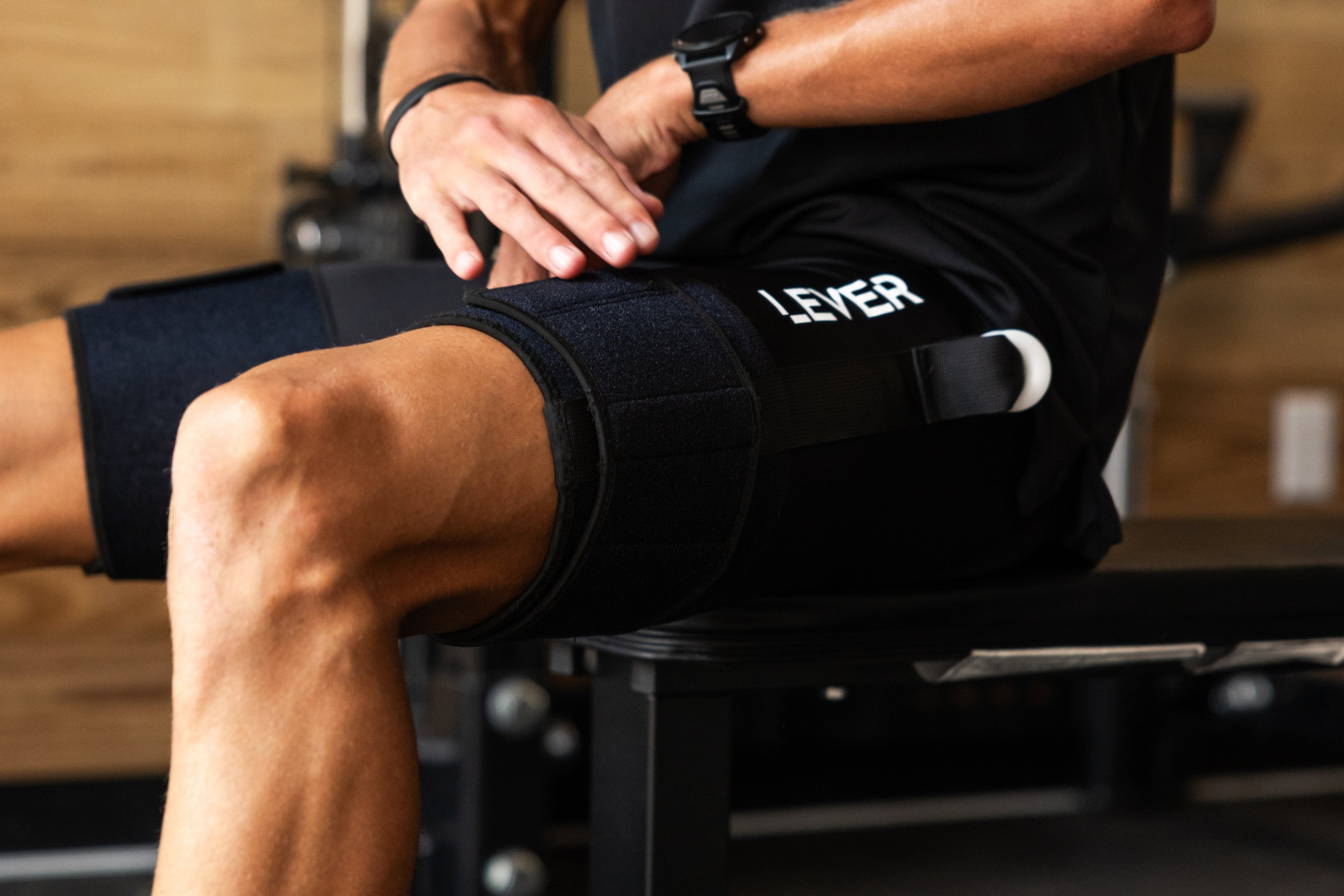
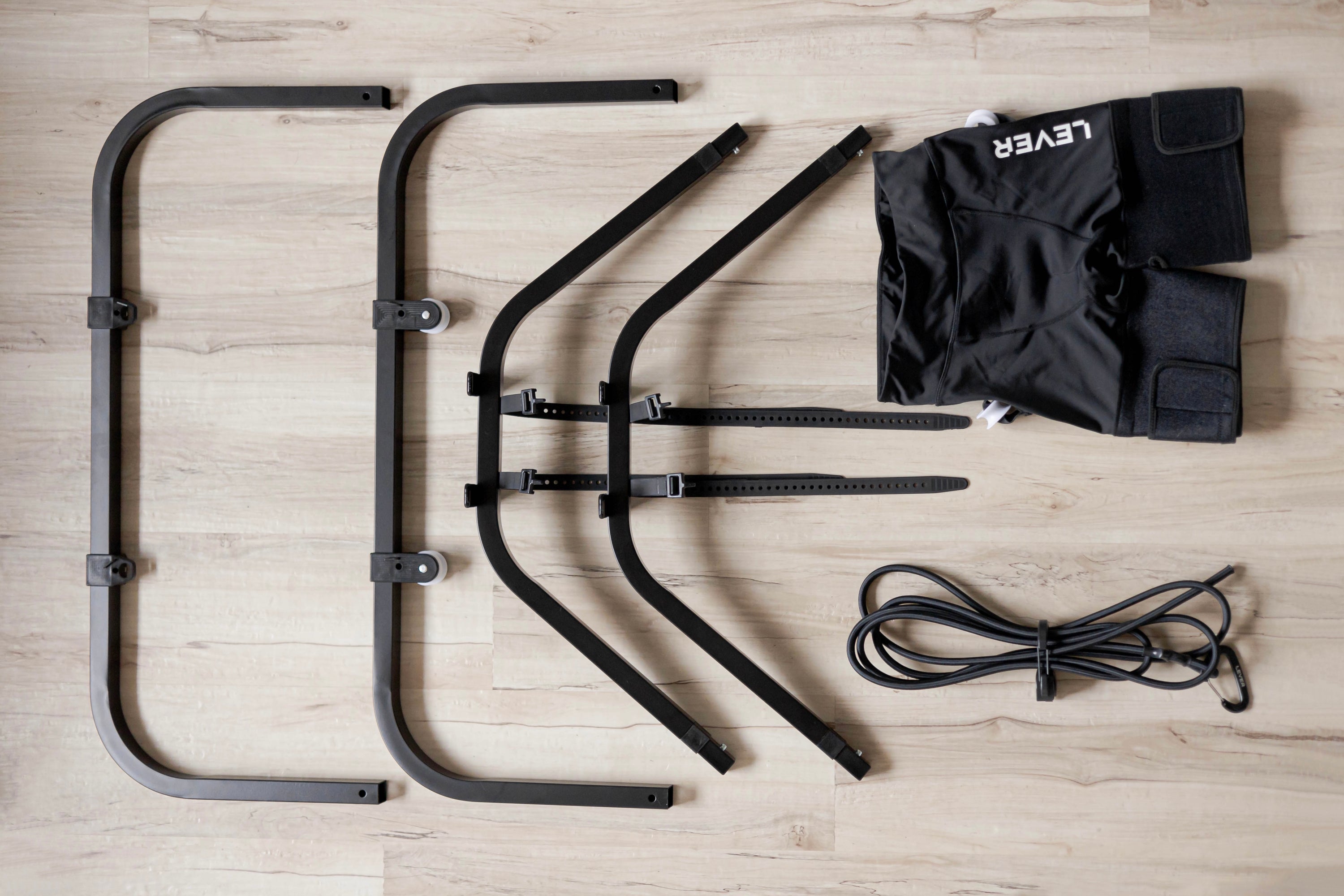
Steph uses the LEVER Movement system as part of her weekly structure, not just when injured.
During this training block, she included LEVER sessions midweek and after longer bike rides.
Her reasoning was simple: increase running load while managing stress on the body.
“Because the run volume’s gone up, I don’t want to get injured, but I want to be running more. It just takes the loading off my joints.”
Protecting Form When Fatigue Is High
She also highlighted how running on tired legs can increase injury risk.
“I find it a really useful tool, especially running on tired legs because that’s when form is more likely to slip.”
This allows her to maintain movement quality while still accumulating training.

Maintaining Brick Sessions Without Excessive Impact
Running after cycling is essential for long-distance triathlon, but also physically demanding.
By using LEVER in these situations, Steph maintains neuromuscular adaptation while reducing stress.
“It worked really well heading into Chattanooga.”
Strength Training for Durability
Her strength training is simple, repeatable, and focused on resilience rather than lifting heavy.
Sessions include:
-
Front squats
-
Single-leg work
-
Romanian deadlifts
-
Shoulder and calf strengthening
These sessions are done on fatigued legs to reflect the demands of racing.
“I’m forcing my muscles to work when they’re tired.”
The Bigger Picture: Long-Term Progress
One of the most powerful themes from the episode was patience.
Steph spoke about the amount of work that has gone into improving her run and how progress doesn’t always show immediately in race results.
“I know my run has come on so much… I’m just excited to be able to show how much work has gone into it.”
This perspective reflects what separates elite athletes: they focus on the long game.
The Takeaway for Endurance Athletes
Steph’s training week wasn’t defined by one breakthrough session.
It was defined by structure, consistency, and intelligent decision-making.
The goal wasn’t to train harder.
It was to train in a way that allows her to keep training.
For many athletes, that means:
-
Managing total load
-
Prioritizing recovery
-
Building durability
-
Using tools that support long-term consistency
Because the biggest gains come from stacking weeks and months of uninterrupted training.
Train Smarter, Stay Consistent
Whether you’re preparing for your first race or aiming for a breakthrough season, the lesson is clear: consistency drives performance.
That’s why more athletes are integrating bodyweight support systems into their training not just for rehabilitation, but as a proactive strategy.