Achilles pain is one of the most frustrating injuries for runners. The first question most athletes ask is simple: Do I need to stop running? The answer is actually encouraging.
Most of the time, you can continue running with Achilles tendinopathy. But that doesn’t mean you should keep training the same way.
The key is learning how to adjust your training load intelligently so you can stay consistent without making things worse.
The Reality of Achilles Tendinopathy
Before jumping into what to do, it’s important to understand what you’re dealing with.
Achilles tendinopathy is a long-term condition. It doesn’t resolve overnight, and early on, it’s very common to:
-
Run with some level of pain
-
Experience flare-ups
-
Not feel completely “pain-free” for a while
This is normal. Pain during recovery does not automatically mean damage is getting worse, but it does mean you need a plan.
Research shows that:
-
It can take ~12 weeks to see meaningful improvement
-
Around 32% of runners may still have symptoms at 1 year
That’s not to discourage you, but to set expectations. This is a long game, and patience is part of the process.
Running Load Isn’t Just Distance
One of the biggest mistakes runners make is thinking load = mileage. In reality, your Achilles tendon responds to much more than that. Two identical 10K runs can stress your tendon very differently depending on:
-
Speed
-
Hills
-
Intensity
-
Footwear
-
Fatigue
If you want to keep running with Achilles pain, you need to adjust all of these variables, not just distance.
How to Modify Running With Achilles Pain
Here’s how to reduce stress on the Achilles while maintaining fitness.
1. Slow Down
Speed work places high load on the Achilles. If your tendon is irritated:
-
Reduce pace
-
Avoid hard efforts
2. Avoid Hills and Strides
Hills and accelerations increase tendon loading significantly. Focus on:
-
Flat routes
-
Steady efforts
3. Reduce Impact When Needed
Lowering impact can help settle symptoms. This might include:
-
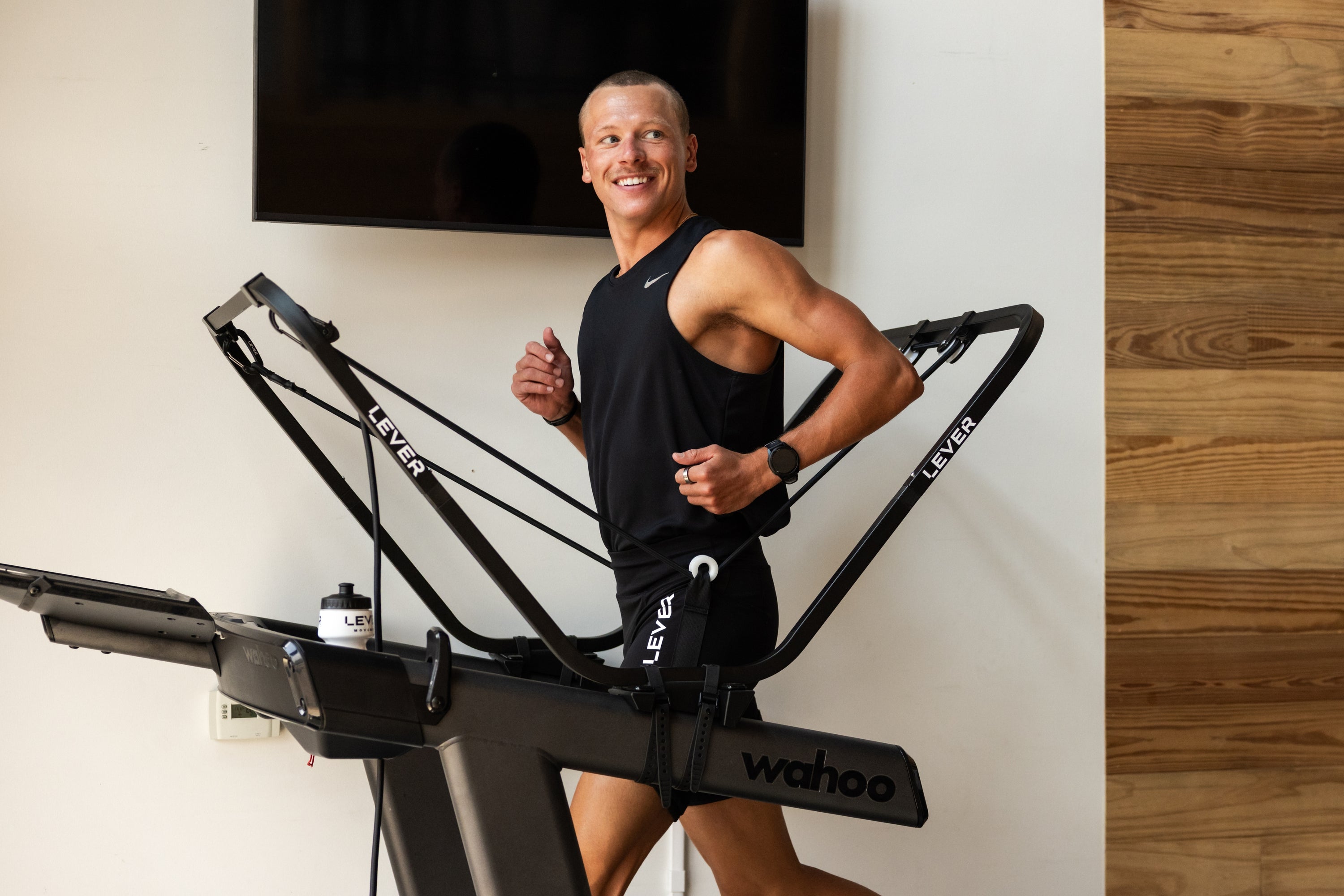
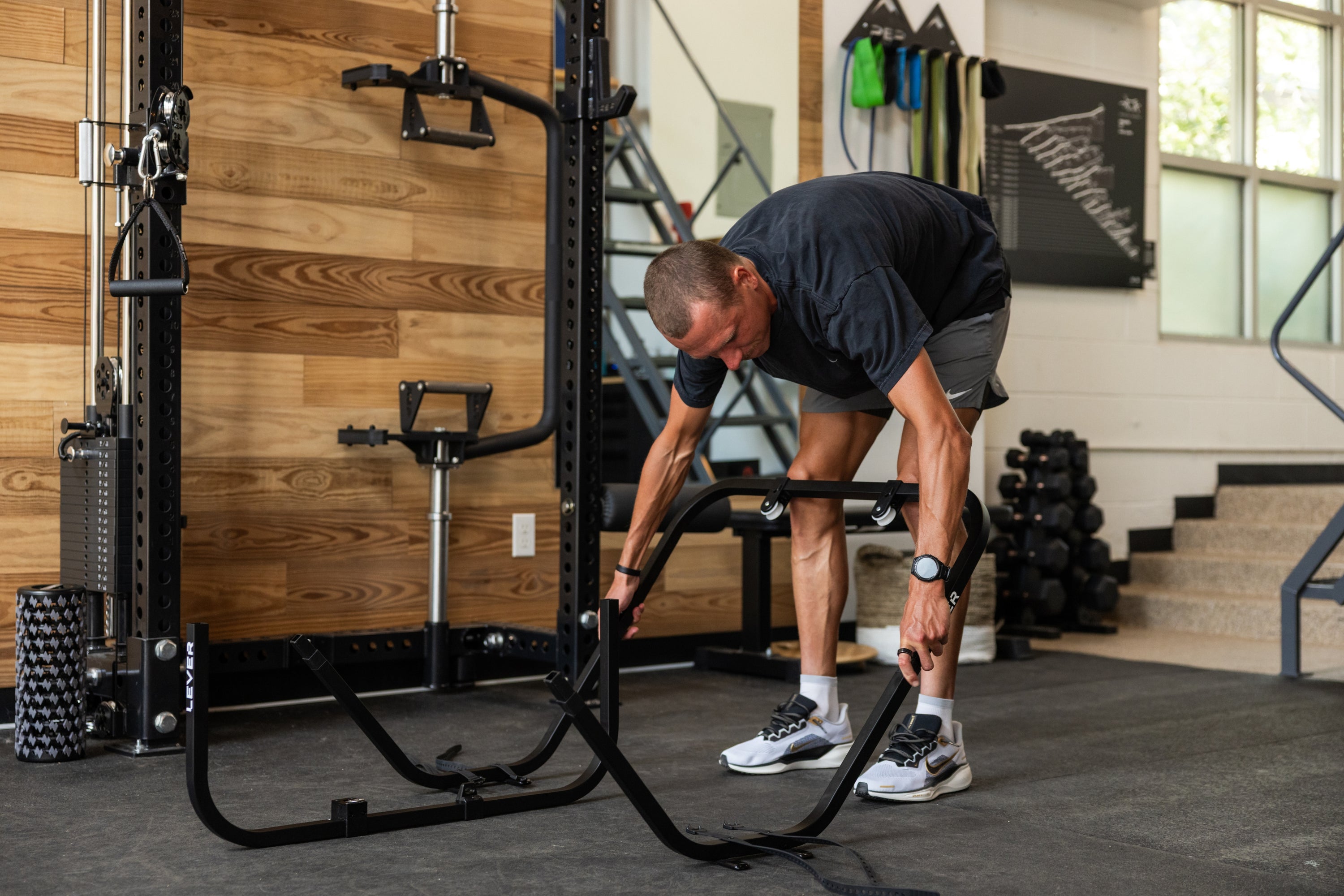
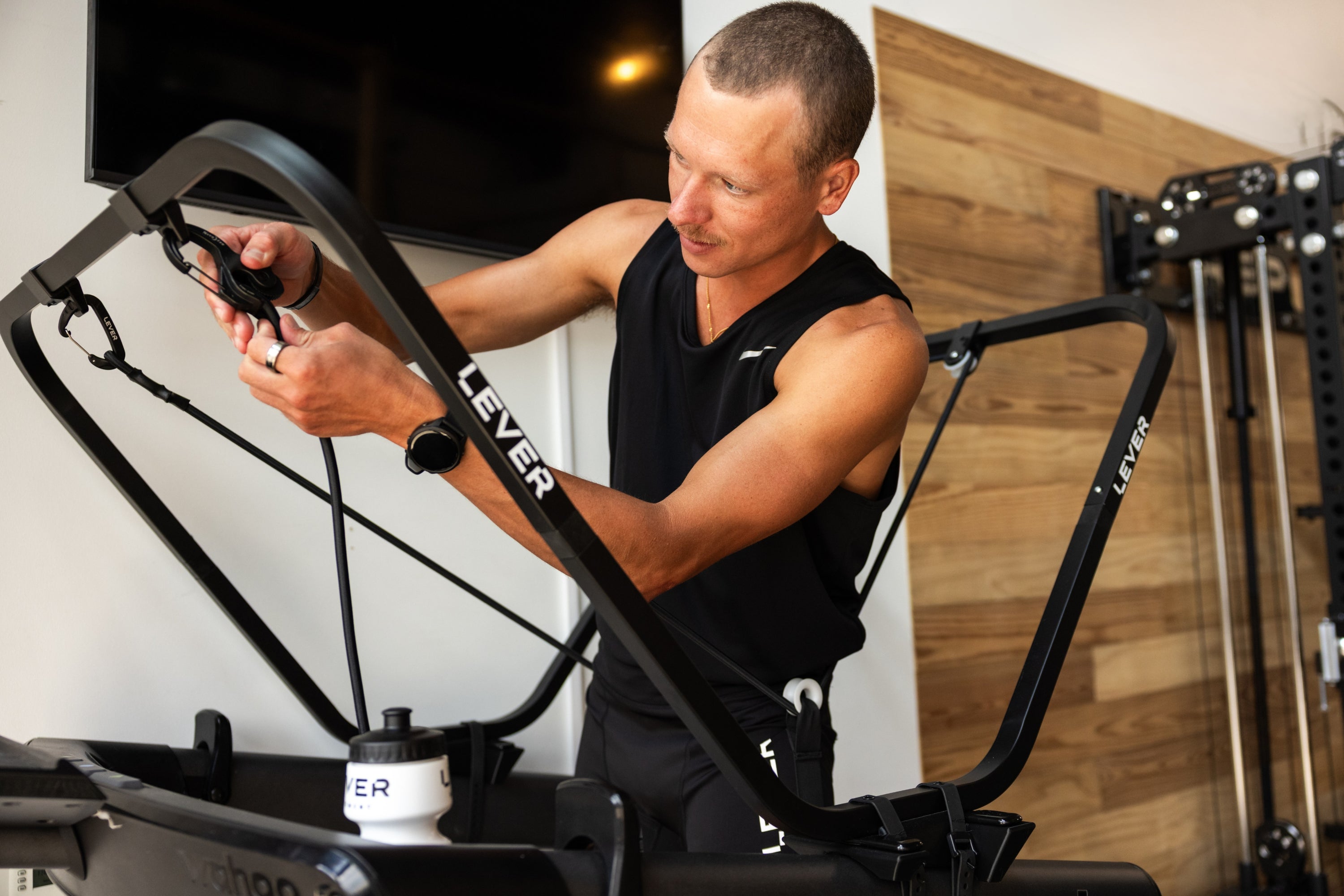
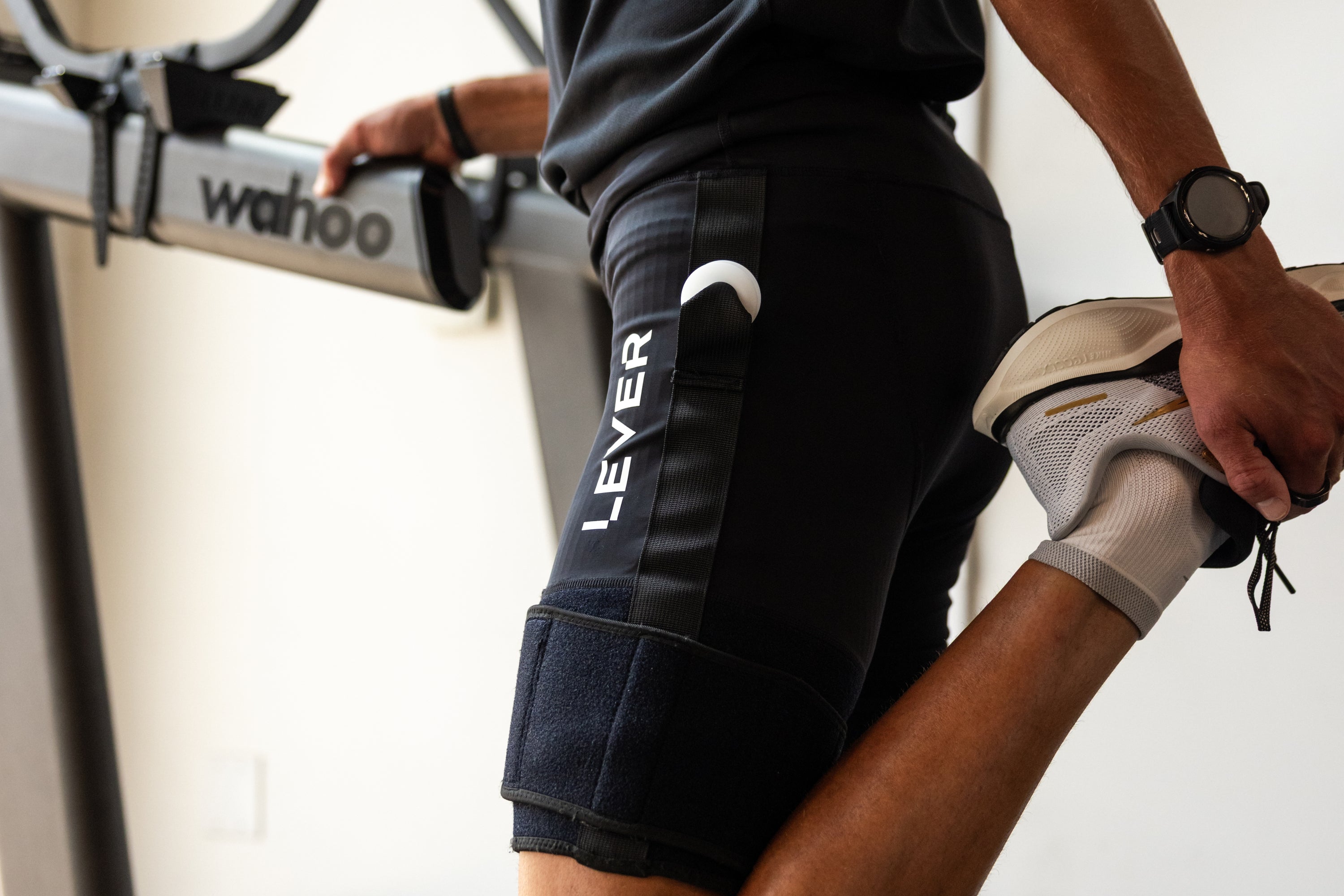
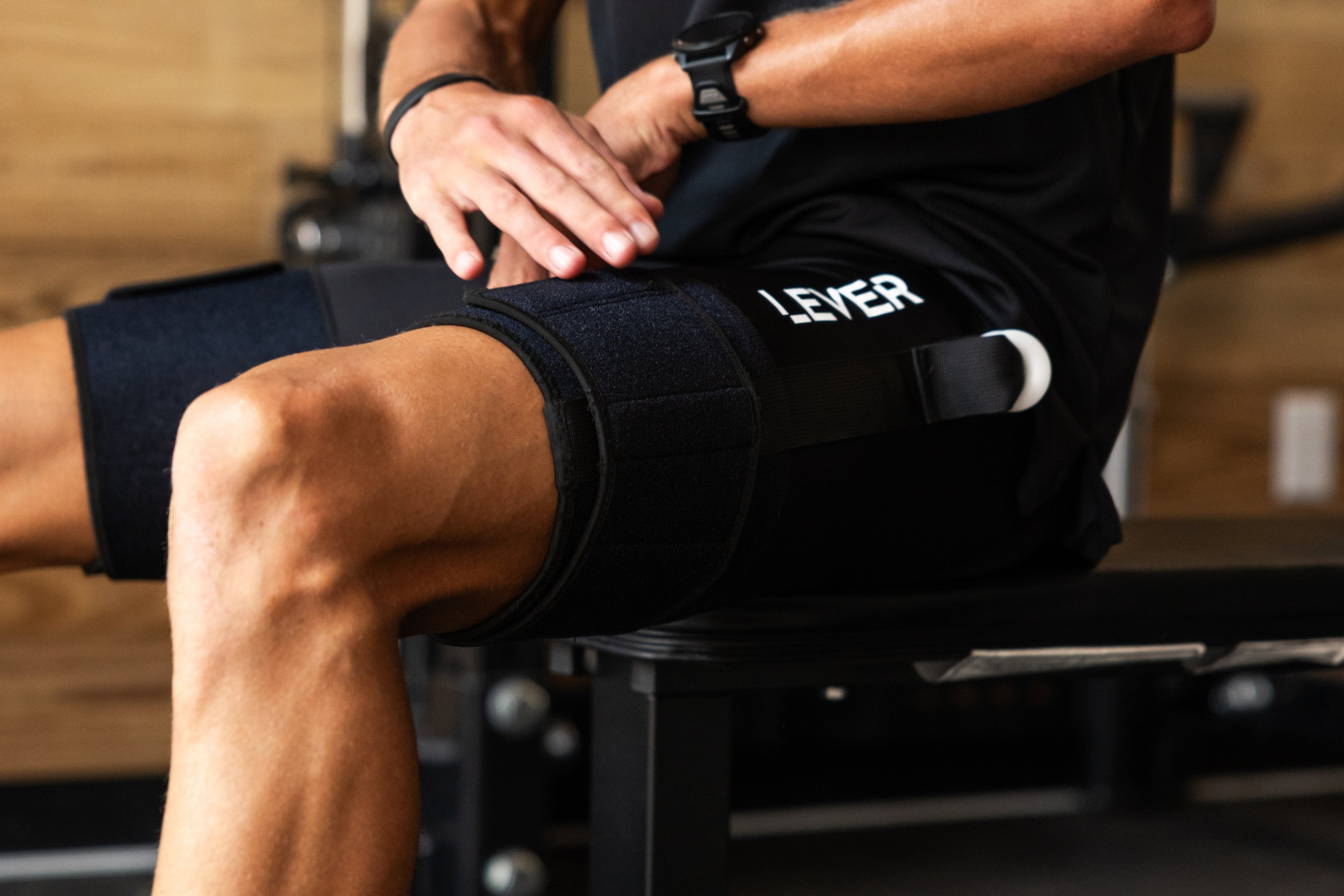
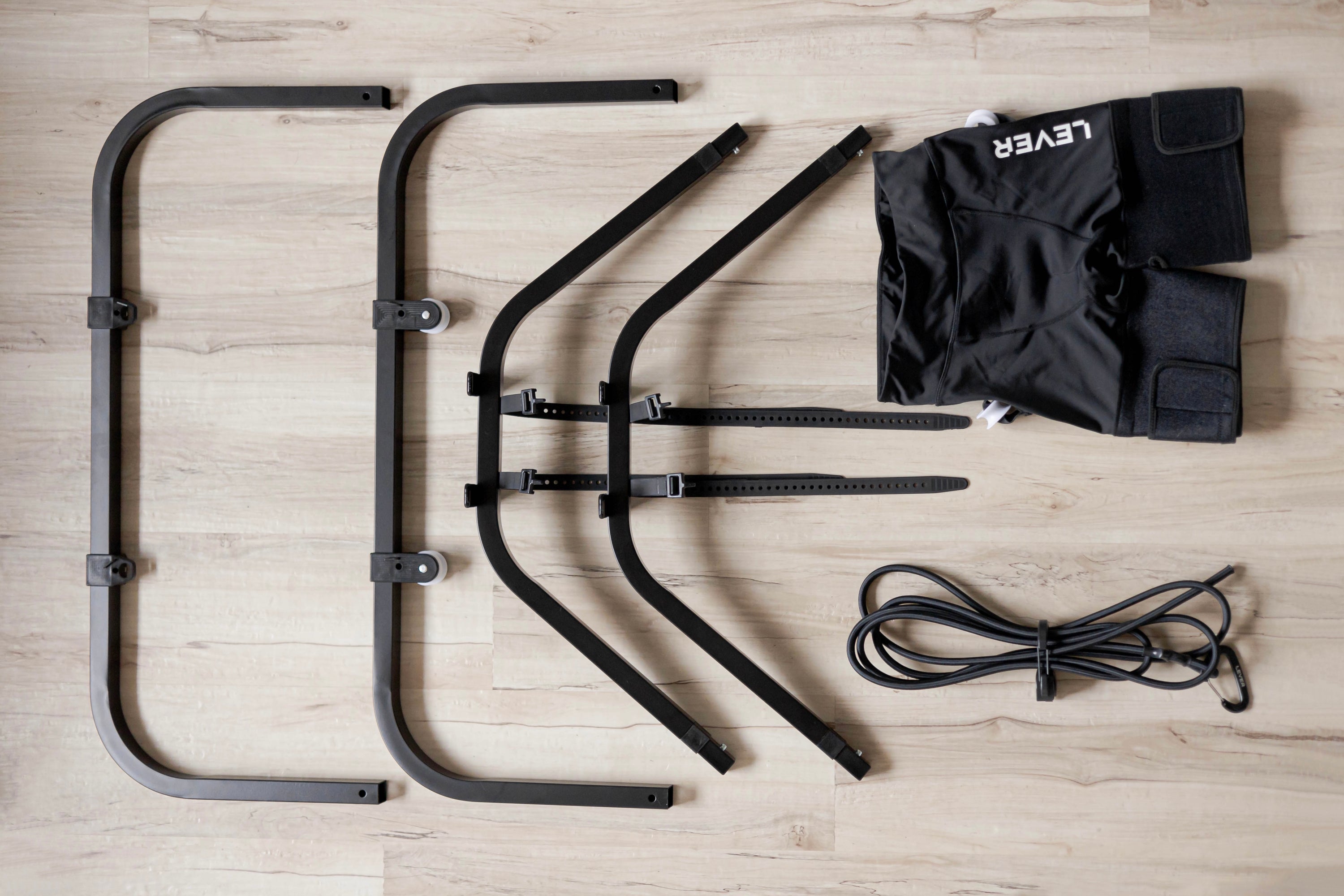
Body weight support running (like LEVER)
-
Treadmill work
-
Cross-training substitutions
4. Use a Run-Walk Strategy
Adding walk breaks can:
-
Reduce fatigue
-
Decrease cumulative tendon load
5. Adjust Footwear
A slightly higher heel drop (around 8–12 mm) may reduce strain on the Achilles. This can be helpful temporarily while symptoms settle.
6. Reduce Volume When Necessary
If symptoms are more irritable, research supports:
-
Reducing running volume by ~50% for 2–6 weeks
This might feel like a big step back, but it often leads to better long-term progress.
Understanding Pain: What’s Acceptable?
One of the most important parts of managing Achilles pain is knowing how much is too much.
Research suggests that running with pain up to 5/10 can be acceptable.
But there are two key rules:
1. Pain During the Run
-
Keep it at or below 5/10
2. The 24-Hour Rule
-
Pain should not worsen the next day
-
No increasing trend week-to-week
If either of those happen, your load is too high.
Pain Is Individual
These guidelines are based on research, but they are not one-size-fits-all. Some runners may:
-
Prefer staying closer to 1–3/10
-
Not tolerate higher pain levels
That’s completely fine. The goal is to keep running:
-
Comfortable
-
Consistent
-
Sustainable
Recovery Timing Matters (36–72 Hours)
Tendons need time to adapt after loading.
A helpful way to structure your training is to think in terms of session intensity:
Light Sessions (1–2/10 pain)
-
No recovery days needed
-
Can be done frequently
Medium Sessions (2–4/10 pain)
-
Require ~2 recovery days
High Sessions (4–5/10 pain)
-
Require ~3 recovery days
This helps ensure you’re not overloading the tendon repeatedly without recovery.
Putting It All Together
If you want to keep running with Achilles pain, focus on:
-
Staying within your pain limits
-
Adjusting speed, hills, and intensity
-
Managing total training load
-
Allowing proper recovery between sessions
-
Monitoring how symptoms respond over time
Running itself isn’t the problem.
The issue is when the tendon is overloaded beyond what it can currently tolerate.
What Comes Next
Managing load is only one piece of the puzzle. To fully recover and return to running without limitations, you need to rebuild your tendon’s capacity. That’s where structured rehab comes in. In the next part, we’ll break down exactly how to do that.