There’s a common misconception in endurance sport that peak performance belongs to youth. That speed fades, resilience declines, and that eventually the sport decides when your time is up.
Dede Griesbauer has built a career proving that narrative wrong.
After more than 20 years as a professional triathlete, a life-threatening crash, being told she would never run again, and ultimately winning the Ultraman World Championship at age 52, Dede is still setting new goals at 55. Now transitioning from professional triathlon into focused marathon training, she isn’t chasing nostalgia. She’s chasing progress.
Her story isn’t just inspiring. It’s instructional. It highlights what actually sustains performance over decades: discipline, adaptability, and smarter load management.

Discipline Over Talent
Dede has said openly that she was never considered the most naturally talented athlete. From a young age, she was told she wasn’t exceptional.
What separated her was discipline.
She wasn’t afraid to work. She wasn’t afraid of repetition. She wasn’t afraid of the long process required in endurance sport.
Over time, that consistency compounds. In endurance training, adaptation is cumulative. Athletes who can string together uninterrupted weeks and months of training often outperform those who rely on short bursts of intensity followed by breakdown.
The real limiter in endurance sport isn’t usually effort. It’s durability.
A Career Nearly Taken Away
In 2011, during Ironman Frankfurt, Dede crashed hard in rainy conditions after sliding on cobblestone in a roundabout. She broke her elbow, ribs, pelvis, and hip. She was airlifted off the course and spent days in intensive care.
A specialist later told her she would never run again.
For someone whose identity had been built around sport since childhood, that moment was sobering. But instead of accepting the finality of that statement, she reframed the situation. The question shifted from “Is my career over?” to “What is still possible?”
That shift in perspective changed everything.
The Role of Body Weight Support in Her Comeback
During her recovery, Dede began using body weight support training. Initially, it was the only way she could run at all. Even with fractures still healing, she was able to run at just 4% body weight. It preserved movement patterns and gave her psychological reassurance that she could still move like an athlete.
But what started as a rehab solution evolved into a performance strategy.
As she returned to full health and began preparing for Ultraman and later Ironman racing, she and her coaches realized they could use body weight support not just to recover but to train smarter.

How Dede Uses LEVER in Her Running Today
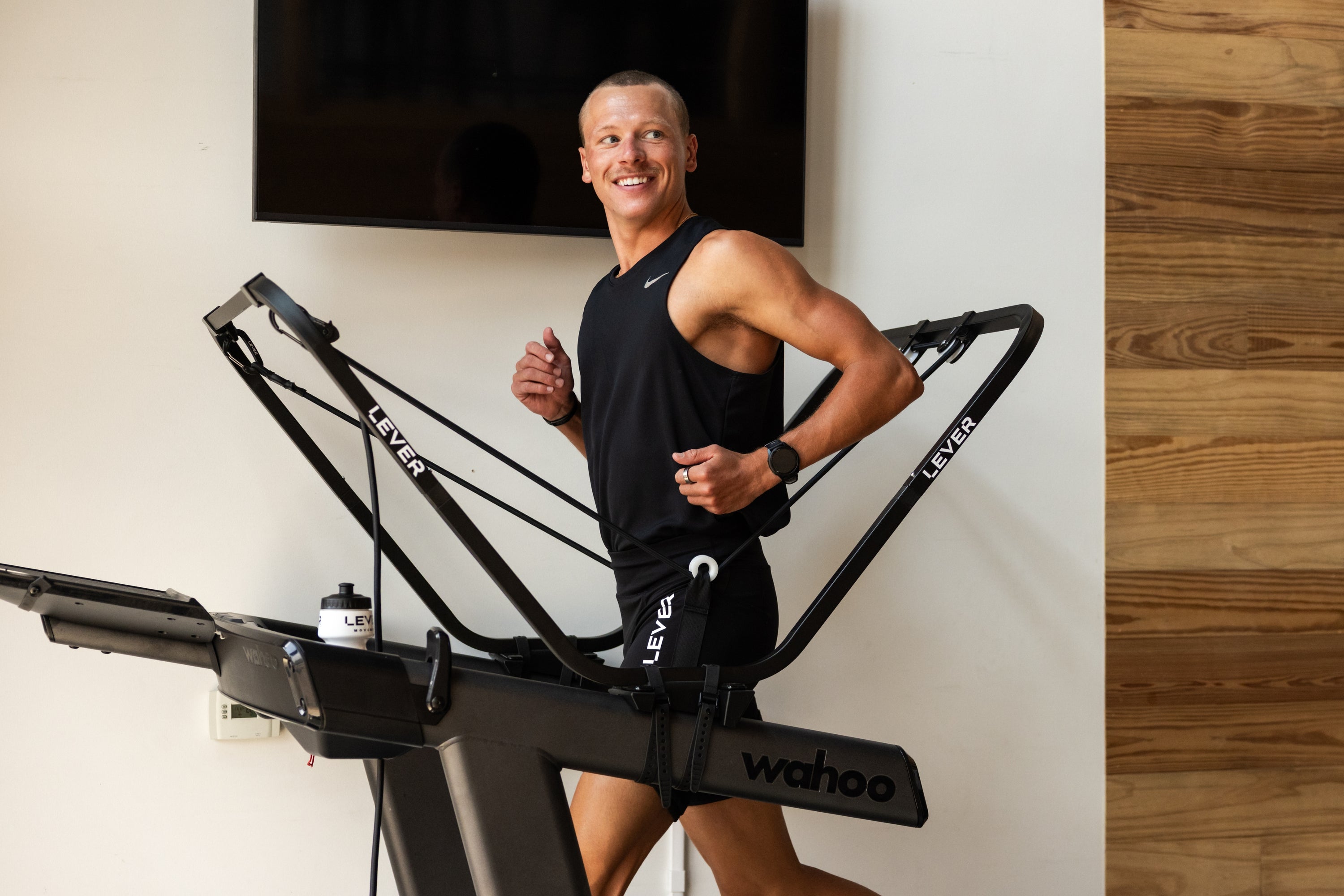
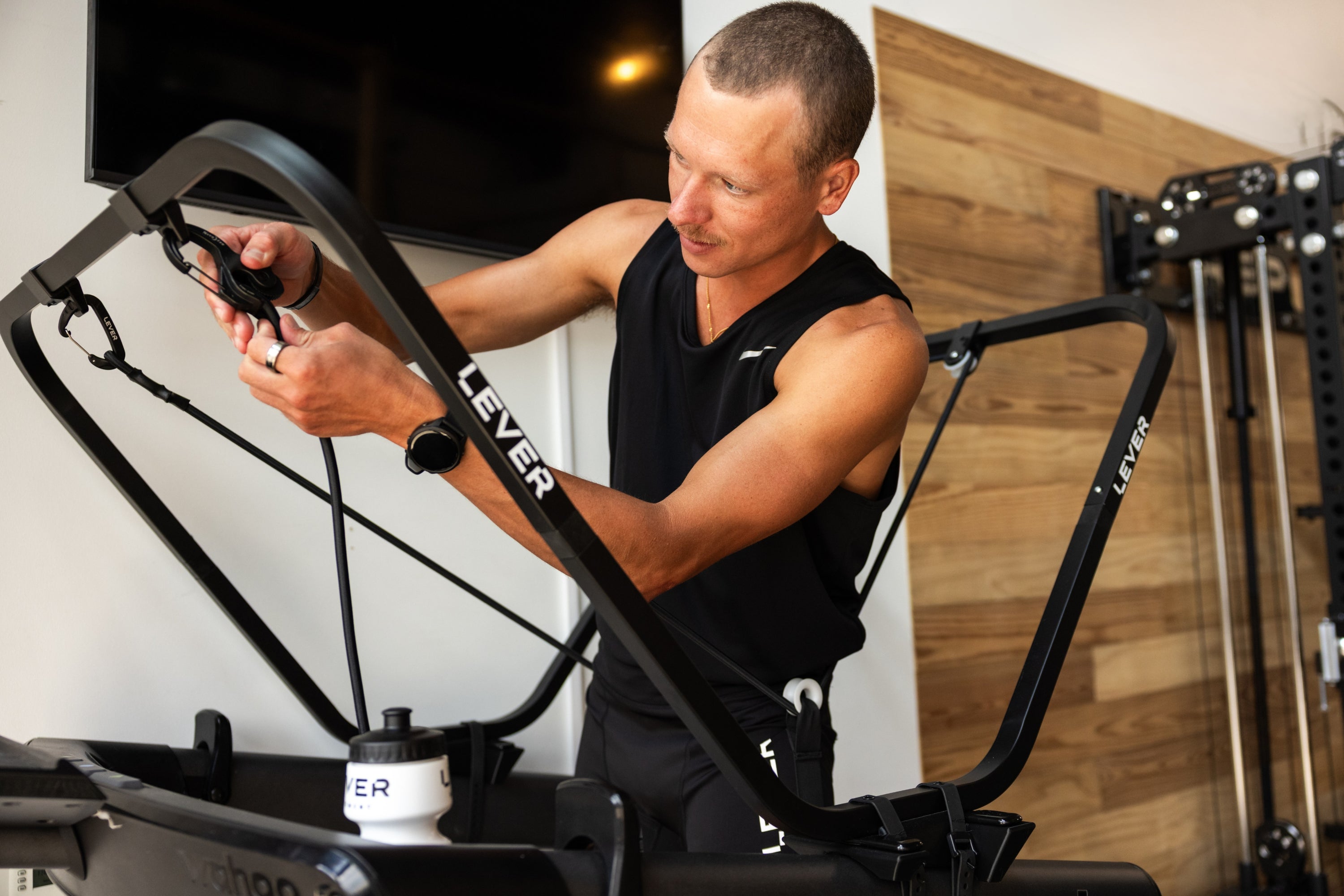
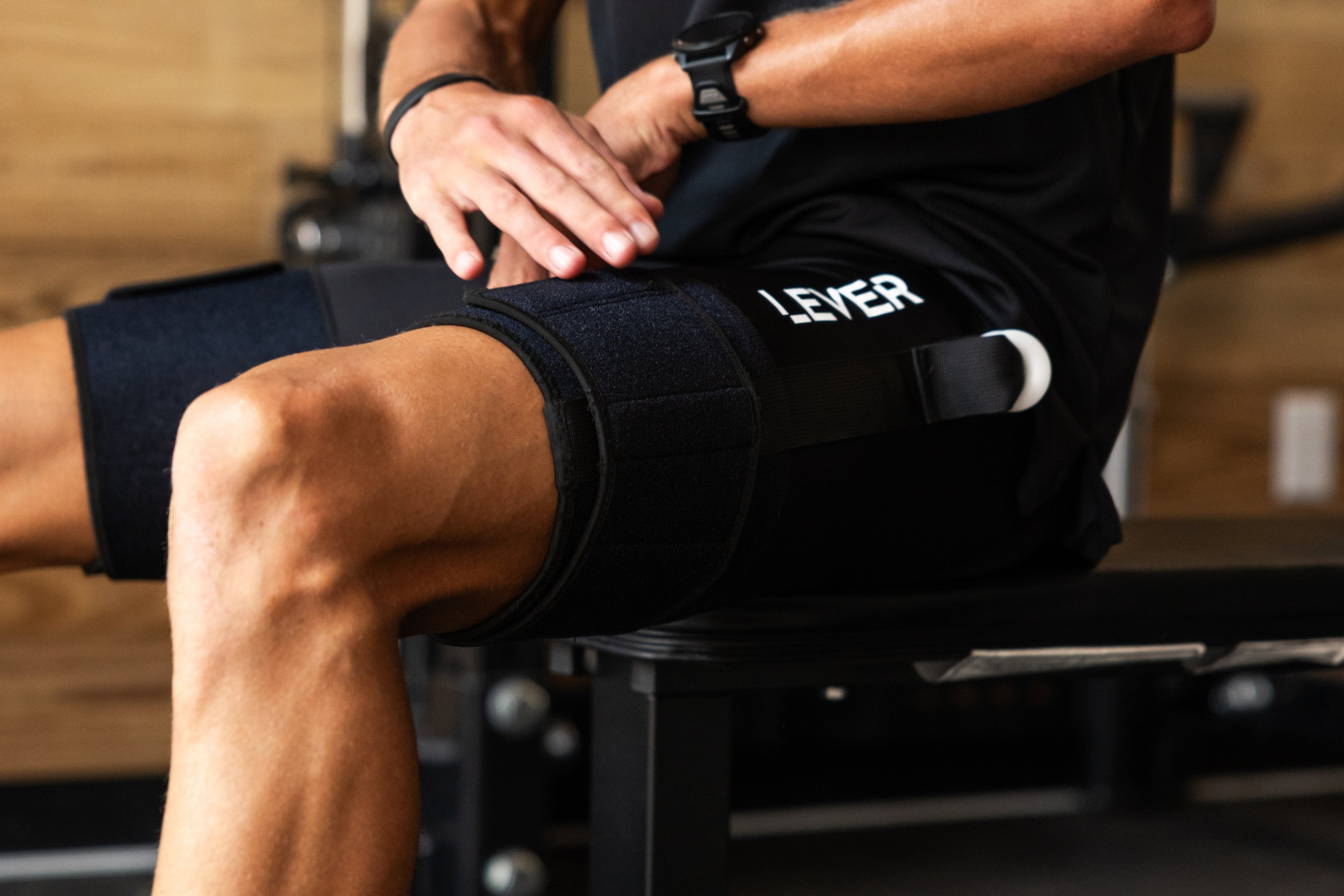
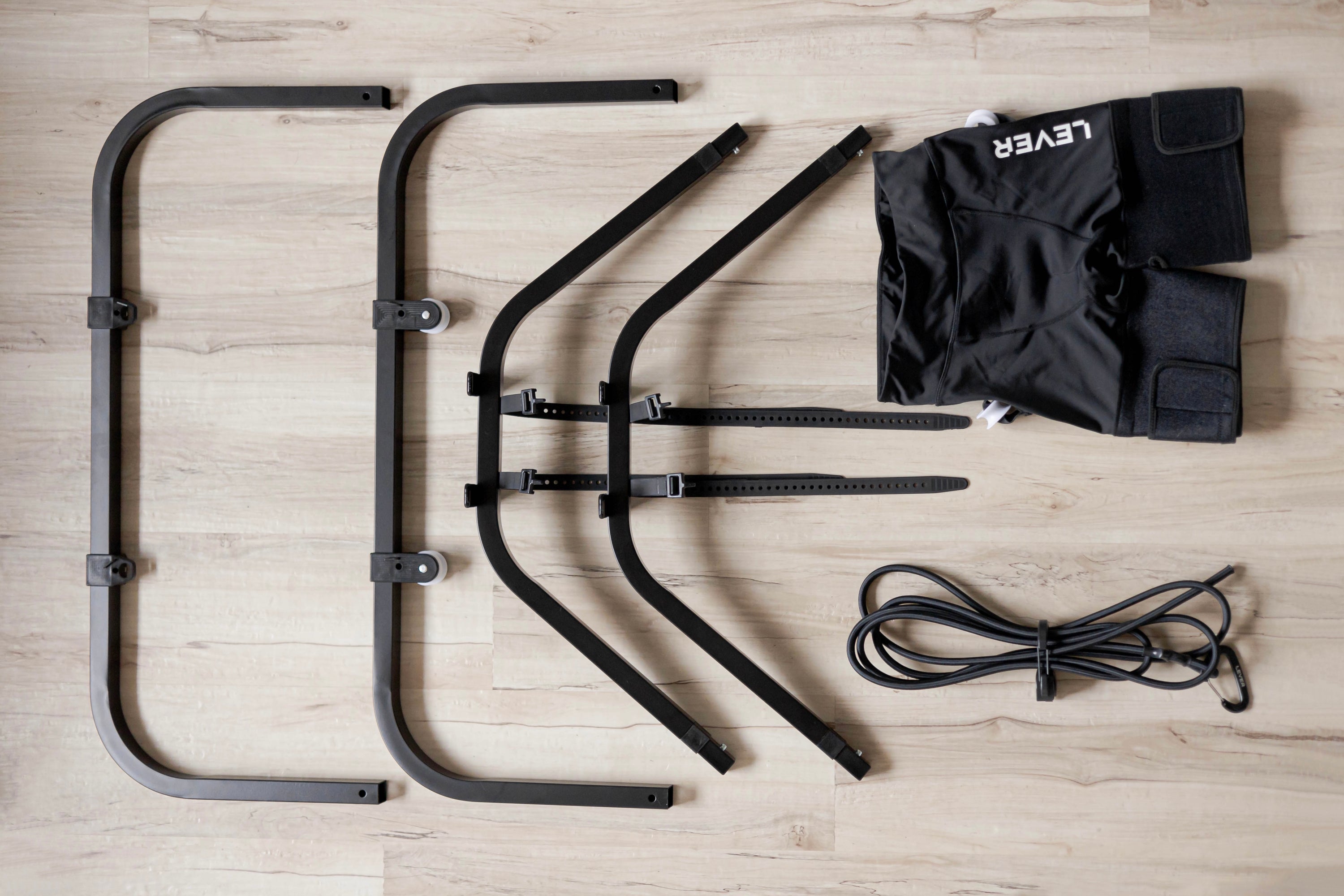
When the LEVER system became available, it replaced the need for long drives and expensive sessions on traditional body weight support machines. Its portability and natural movement mechanics allowed her to integrate it directly into her daily training.
Here are the specific ways Dede has used LEVER in her running:
1. Capping Full Bodyweight Mileage During Heavy Training Blocks
While preparing for Ultraman which demands significantly more running volume than a standard Ironman she and her coach capped the amount of running she would do at full body weight.
Once that threshold was reached, additional mileage was completed on LEVER.
This allowed her to:
-
Extend long runs safely
-
Accumulate more aerobic volume
-
Reduce cumulative impact stress
-
Minimize injury risk
Instead of increasing pounding on already fatigued tissues, she increased volume with controlled offloading.
2. Offloading Easy and Recovery Runs
On easier run days, Dede used LEVER to reduce mechanical stress while maintaining frequency. The goal wasn’t to eliminate stress entirely, but to manage it.
Maintaining run frequency is crucial for neuromuscular coordination and aerobic efficiency. By slightly offloading body weight, she could preserve movement patterns without overloading joints and tendons.
This approach supported consistency the true driver of long-term improvement.

3. Overspeed Work and Turnover Development
After completing Ultraman and transitioning back toward Ironman racing, Dede needed to regain leg speed.
LEVER allowed her to perform overspeed sessions — running at paces faster than she could comfortably sustain at full body weight.
By reducing load slightly, she could:
-
Improve cadence and turnover
-
Practice faster mechanics
-
Stimulate neuromuscular adaptation
-
Reduce injury risk during speed work
This is an underappreciated performance benefit of body weight support. It’s not just for rehab. It can be used to safely expose the body to higher speeds.
4. Reinforcing Hip Stability and Posture
One of Dede’s observations after using multiple body weight support systems was how differently they affected mechanics.
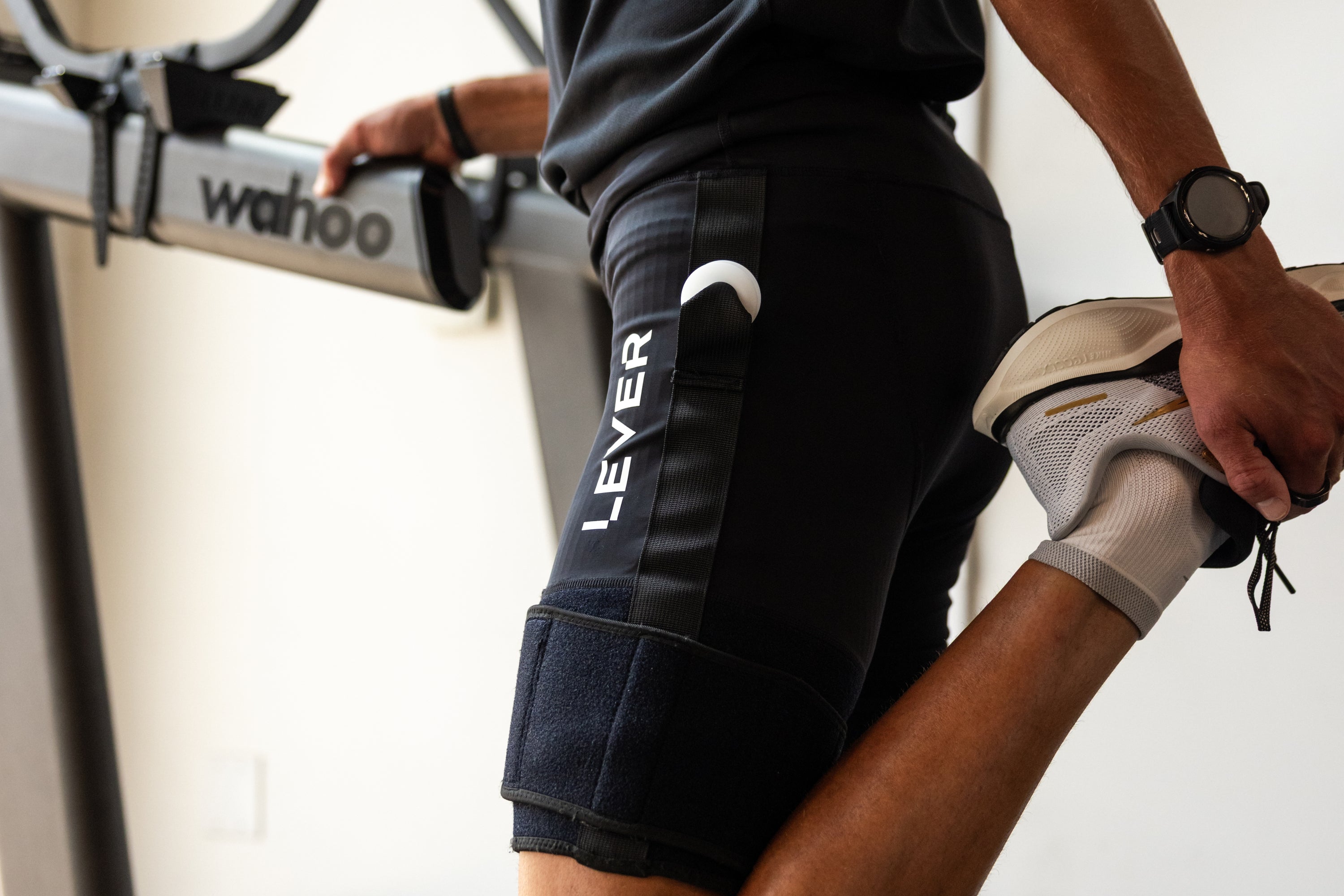
Traditional chamber-based systems can restrict arm carriage and alter gait due to how the body is suspended. In contrast, LEVER provides support at the hips, allowing more natural movement.
She specifically noted that LEVER helped reinforce:
-
Proper pelvic alignment
-
Reduced hip drop
-
Upright posture
-
Natural arm swing
For runners dealing with hip instability or fatigue-related form breakdown, this subtle support can become a technical tool not just a physical one.
5. Portability and Integration Into Real Training
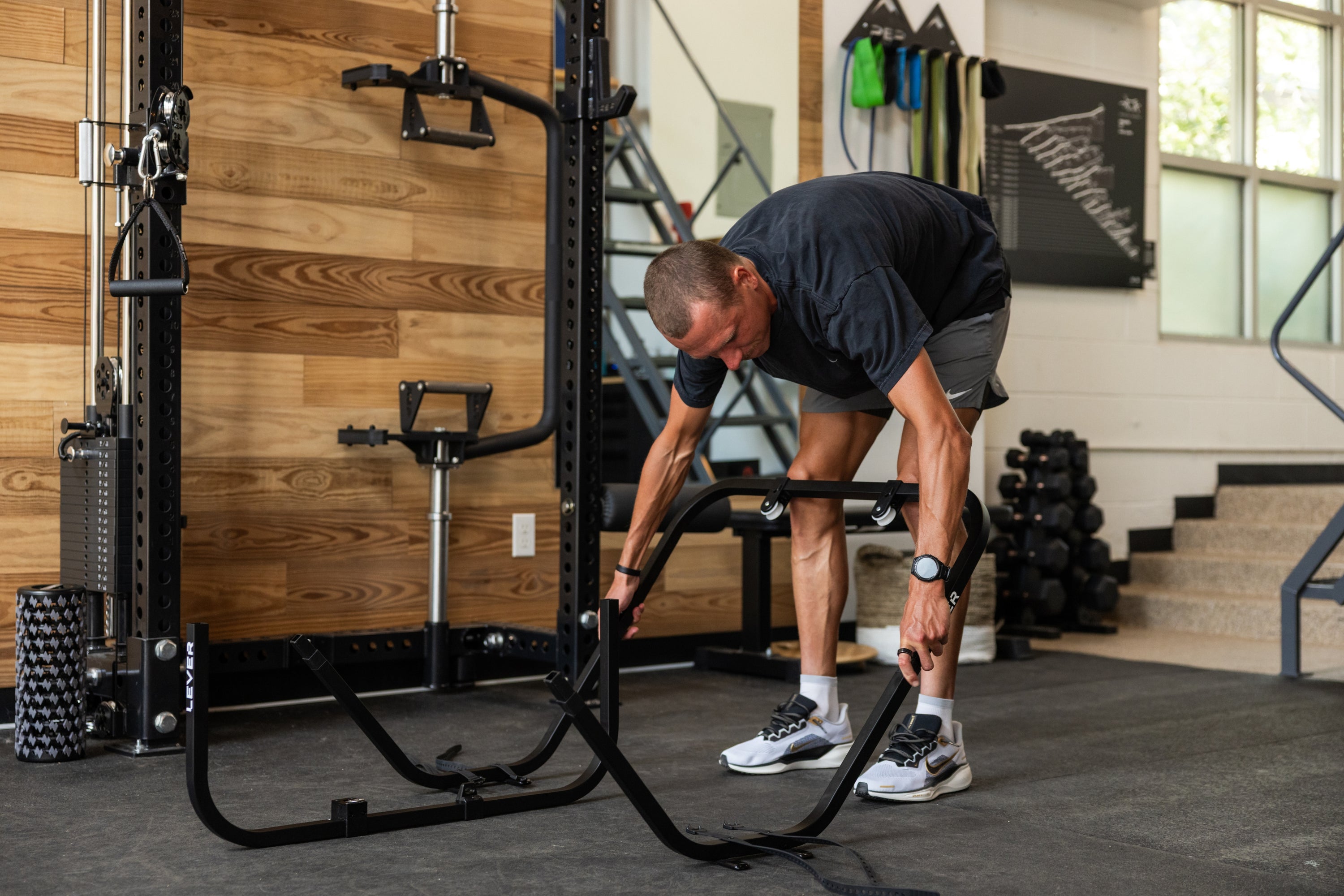
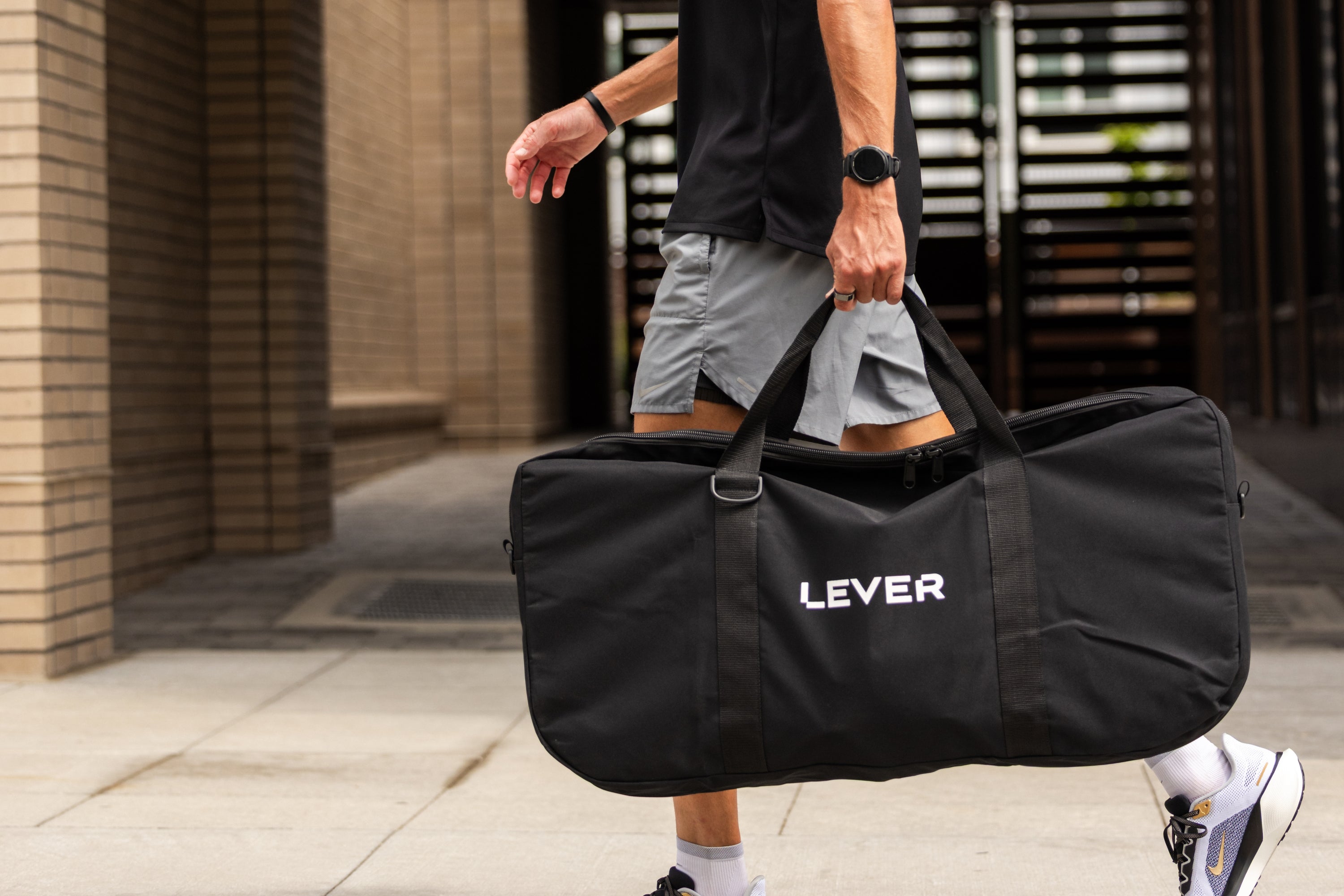
Unlike large, fixed systems that require clinic visits or facility access, LEVER allowed Dede to travel with it and integrate it seamlessly into her training routine.
This matters more than most athletes realize. Tools only work if they are accessible. By removing friction long drives, scheduling limitations, high per-session costs LEVER became part of her “training diet,” not an occasional intervention.
Winning a World Title at 52
Years after being told she would never run again, Dede won the Ultraman World Championship at age 52.
That achievement wasn’t accidental. It was the product of years of disciplined training, strategic load management, and resilience.
Physiology changes with age, but intelligent training can offset many of those changes. Efficiency improves. Experience deepens. Mental composure strengthens.
Durability becomes the advantage.
Now at 55: A New Goal
Today, Dede is focused on running. Not because she needs to prove anything, but because she wants to become a better runner.
Her goal is simple: run a fast marathon and feel stronger about her running than she did during her triathlon years.
She understands something many athletes miss retirement from one phase of sport doesn’t mean retirement from growth. Goals evolve. The pursuit continues.

The Bigger Lesson for Endurance Athletes
Dede’s career reinforces a powerful principle:
The athletes who last are the athletes who adapt.
They adjust training load.
They use tools intelligently.
They focus on what they can do, not what they cannot.
Instead of chasing short-term intensity, they build long-term resilience.
For runners and triathletes looking to extend their careers whether professionally or recreationally smarter training isn’t optional. It’s essential.
Longevity wins. And durability is built intentionally.