A Science-Backed Guide to Staying Consistent and Running Longer
Achilles pain is one of the most frustrating setbacks for runners. It often starts small, then slowly builds until training becomes inconsistent or stops altogether. Research shows Achilles tendinopathy accounts for up to 10% of all running injuries and has one of the highest recurrence rates when training load isn’t managed correctly.
The good news: most runners don’t need to stop running. They need a smarter approach.
In this guide, you’ll learn:
-
Why Achilles injuries happen
-
How tendons actually heal
-
A science-backed rehab framework
-
How elite athletes manage load and stay consistent
What Is Achilles Tendinopathy?

Achilles tendinopathy is not just inflammation. Modern research shows it is a load-related tendon disorder involving structural and mechanical changes in the tendon.
These include:
-
Collagen disorganization
-
Reduced stiffness
-
Increased tendon thickness
-
Reduced energy storage
This shift in understanding is important. The solution is not rest alone. The solution is progressive loading and restoring capacity.
Why Achilles Injuries Are So Common in Runners
The Achilles tendon stores and releases elastic energy during every step. It can experience forces up to 6–8 times body weight while running.
Because of this, small changes in training can overload the tendon.
Common causes include:
Rapid increases in training
Mileage, speed, hills, or race prep phases can exceed tendon capacity.
Changes in footwear or surface
New shoes, treadmill running, or harder surfaces change how load is distributed.
Poor recovery
Sleep, nutrition, and life stress all influence tendon remodeling.
Strength and mobility deficits
Weak calves and limited ankle mobility increase strain.
The key insight:
Most Achilles injuries are not sudden. They develop from cumulative load mismanagement over time.

The Load vs Capacity Model
One of the most influential frameworks in tendon rehab is the load vs capacity model described by Jill Cook and Craig Purdam.
In simple terms:
-
Load = what your tendon is asked to tolerate
-
Capacity = what it can currently handle
Pain develops when load consistently exceeds capacity.
This is why complete rest often makes the problem worse. Without mechanical stimulus, tendon capacity decreases.
The goal is not to remove load.
The goal is to optimize and gradually increase it.
How Tendons Actually Heal
Tendons adapt through mechanical stress. This stimulates:
-
Collagen alignment
-
Increased stiffness
-
Better energy storage
-
Improved neuromuscular control
This is why structured strength training is central to recovery.
Evidence-Based Achilles Rehab Framework
Phase 1: Reduce Irritation Without Losing Fitness
Goals:
-
Calm symptoms
-
Maintain aerobic fitness
-
Keep the tendon active
Strategies:
-
Reduce hills and speed
-
Modify weekly volume
-
Cross-train with cycling or swimming
-
Use isometric calf exercises
One of the biggest mistakes runners make is stopping completely. This reduces capacity and makes return slower.
Phase 2: Restore Strength and Capacity
Goals:
-
Build calf and soleus strength
-
Improve tendon stiffness
Key exercises:
-
Heavy slow calf raises
-
Seated and standing loading
-
Progressive overload
Strong calves reduce tendon stress and improve running economy.
Phase 3: Energy Storage and Return to Running
Goals:
-
Restore elastic function
-
Reintroduce impact
-
Prepare for speed and race training
Examples:
-
Hopping
-
Bounding
-
Gradual run progression
The tendon must tolerate fast stretch-shortening cycles before full return.
The Biggest Mistake Runners Make During Achilles Rehab
Many runners stop running completely, lose fitness, then return too aggressively. This creates a cycle of injury and reinjury.
The goal is not to eliminate running.
It is to control and progress impact safely.
Maintaining Fitness While Managing Achilles Pain
Aerobic fitness can be preserved through:
-
Cycling
-
Swimming
-
Elliptical
-
Reduced-impact running
Maintaining movement improves return-to-run outcomes and confidence.
How Elite Athletes Manage Achilles Load
Many professional runners and triathletes do not stop training when symptoms begin. Instead, they adjust load and use strategies to reduce tendon stress while maintaining consistency.
This includes:
-
Structured strength work
-
Reduced intensity phases
-
Controlled exposure to impact
-
Smart training tools that allow movement without overload
This approach allows athletes to stay fit while gradually rebuilding capacity.
Reduced-Impact Running: A Smarter Bridge Back to Full Training
One of the most effective strategies in modern rehab is graded exposure to load.
Reduced-impact running allows athletes to:
-
Maintain running mechanics
-
Preserve neuromuscular coordination
-
Control tendon stress
-
Progress safely
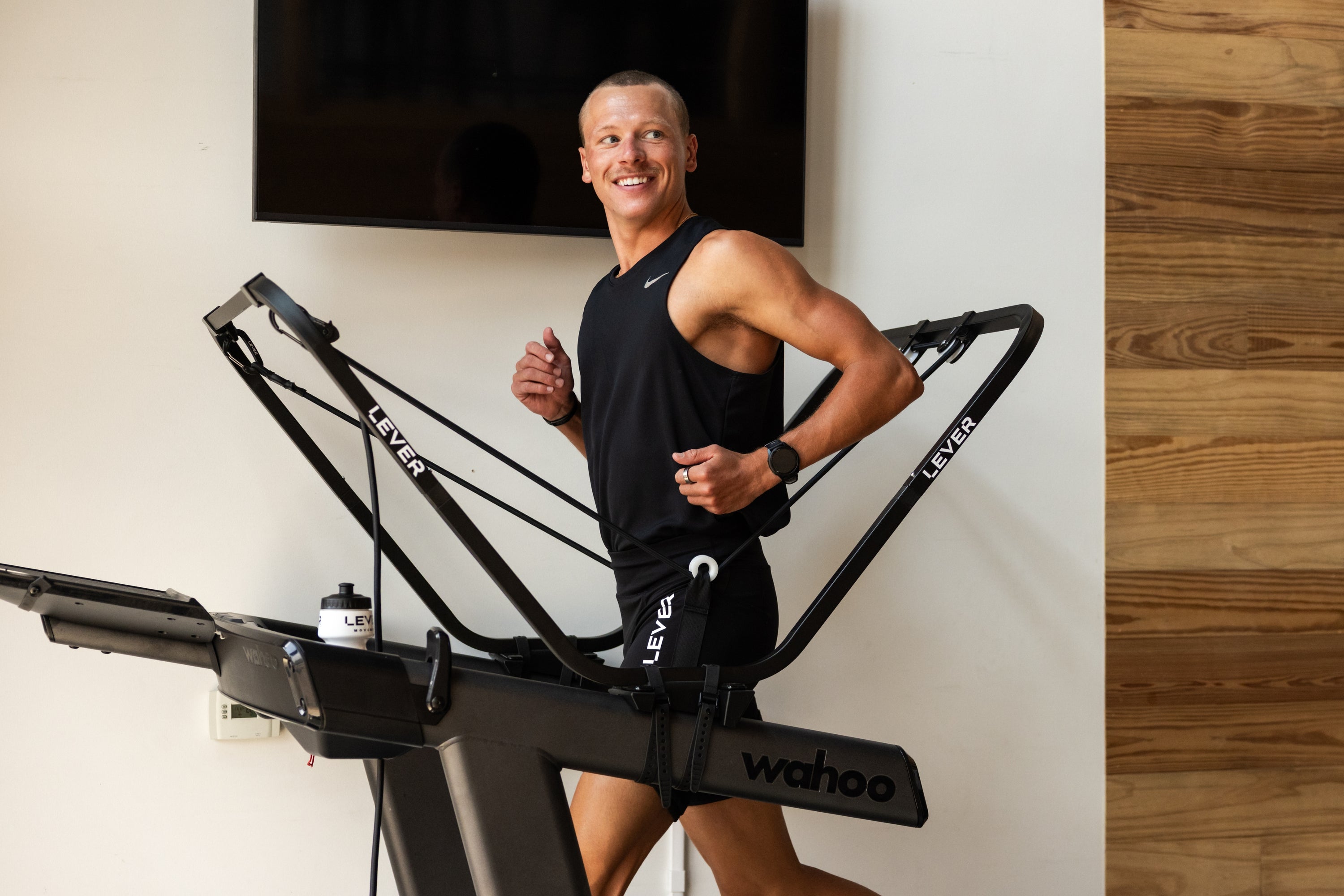
Bodyweight support systems create an environment where runners can continue moving while reducing peak forces on the Achilles. This bridges the gap between rest and full training.
Many elite athletes use this strategy during injury, high-load phases, travel, and marathon build-ups to stay consistent and durable.
Where LEVER Fits in the Achilles Recovery Process
One of the biggest challenges in Achilles rehabilitation is finding the balance between too much load and too little movement. Complete rest can reduce tendon capacity, while returning too aggressively increases the risk of reinjury.
This is why modern rehabilitation focuses on graded exposure to load rather than simply stopping running.
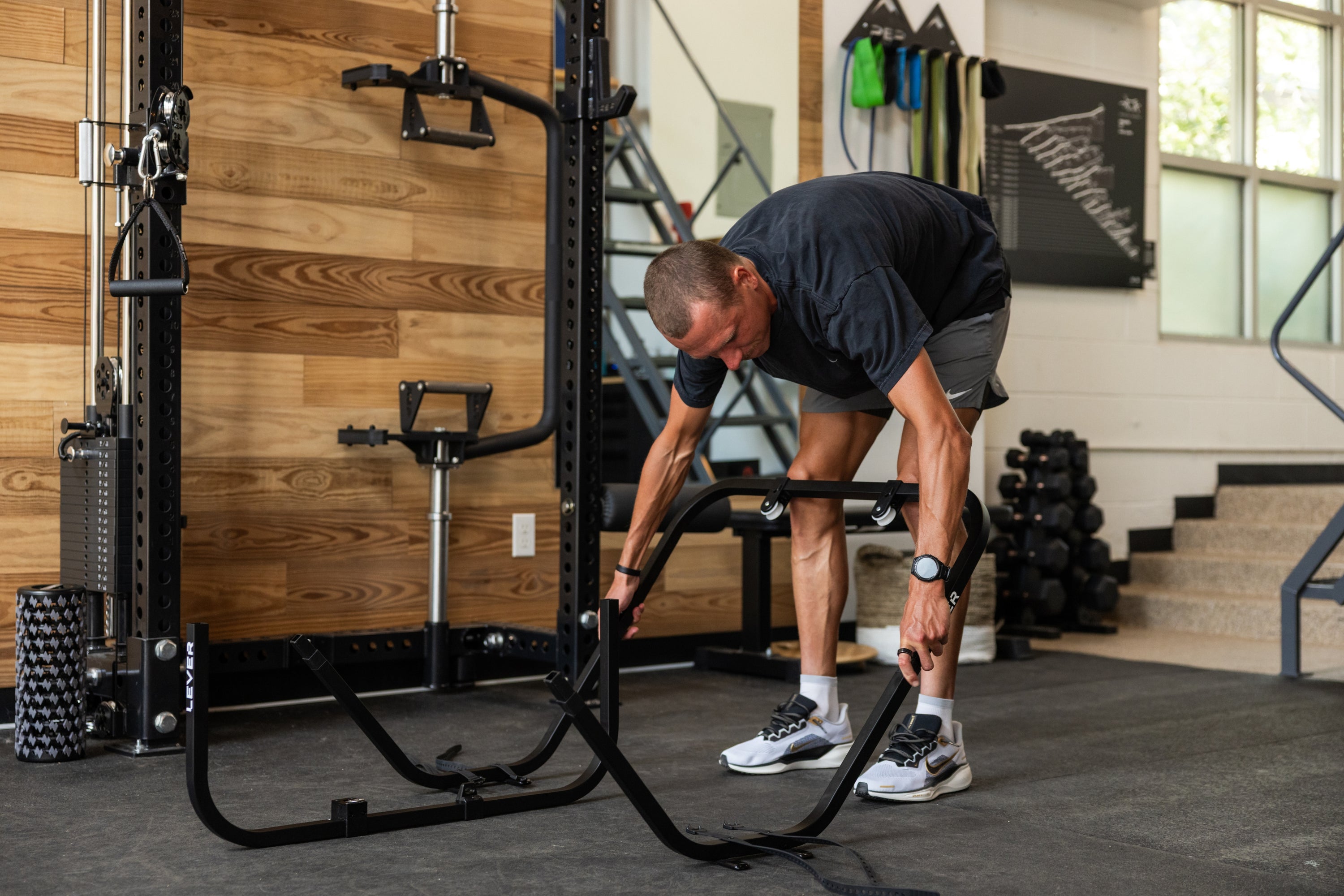
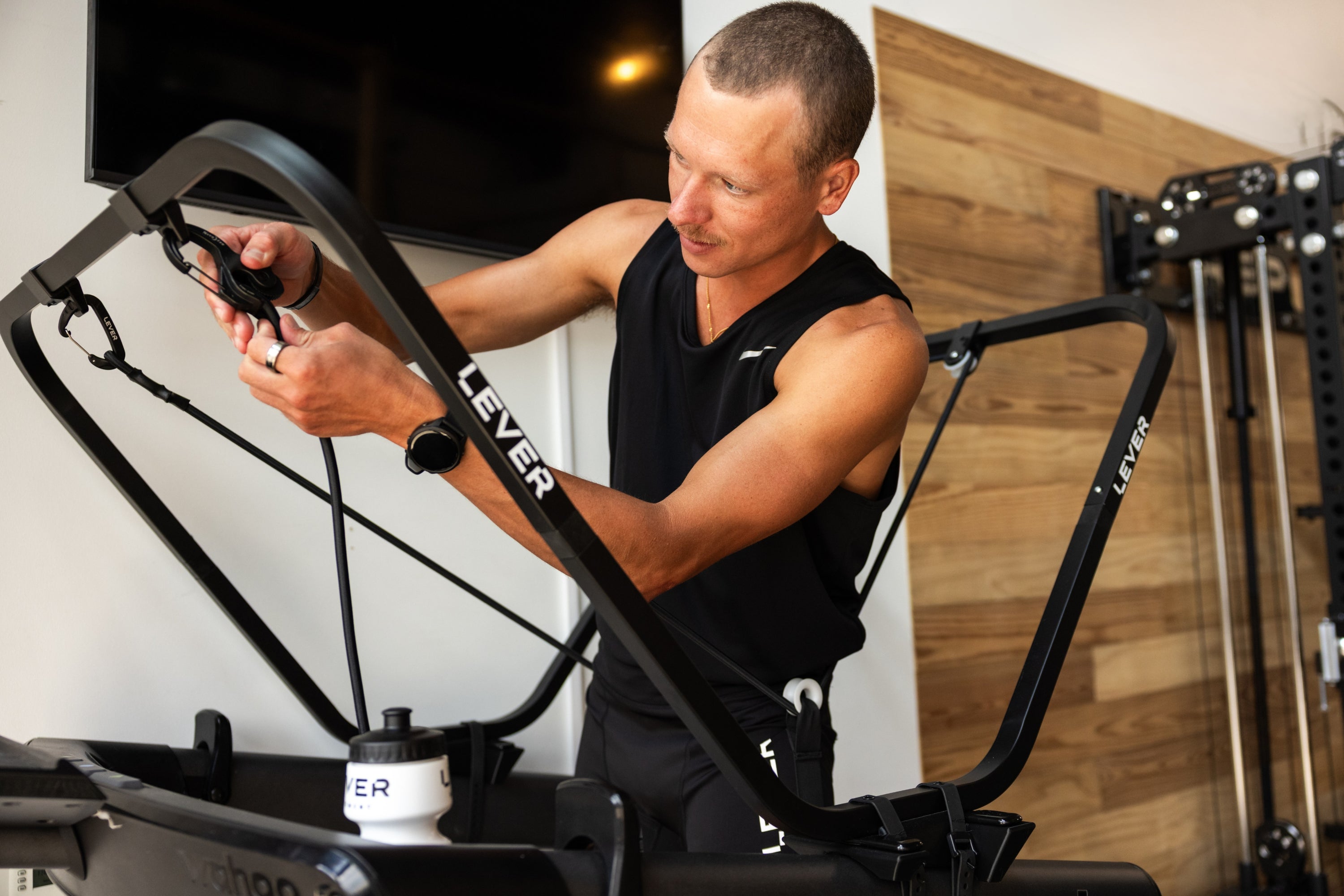
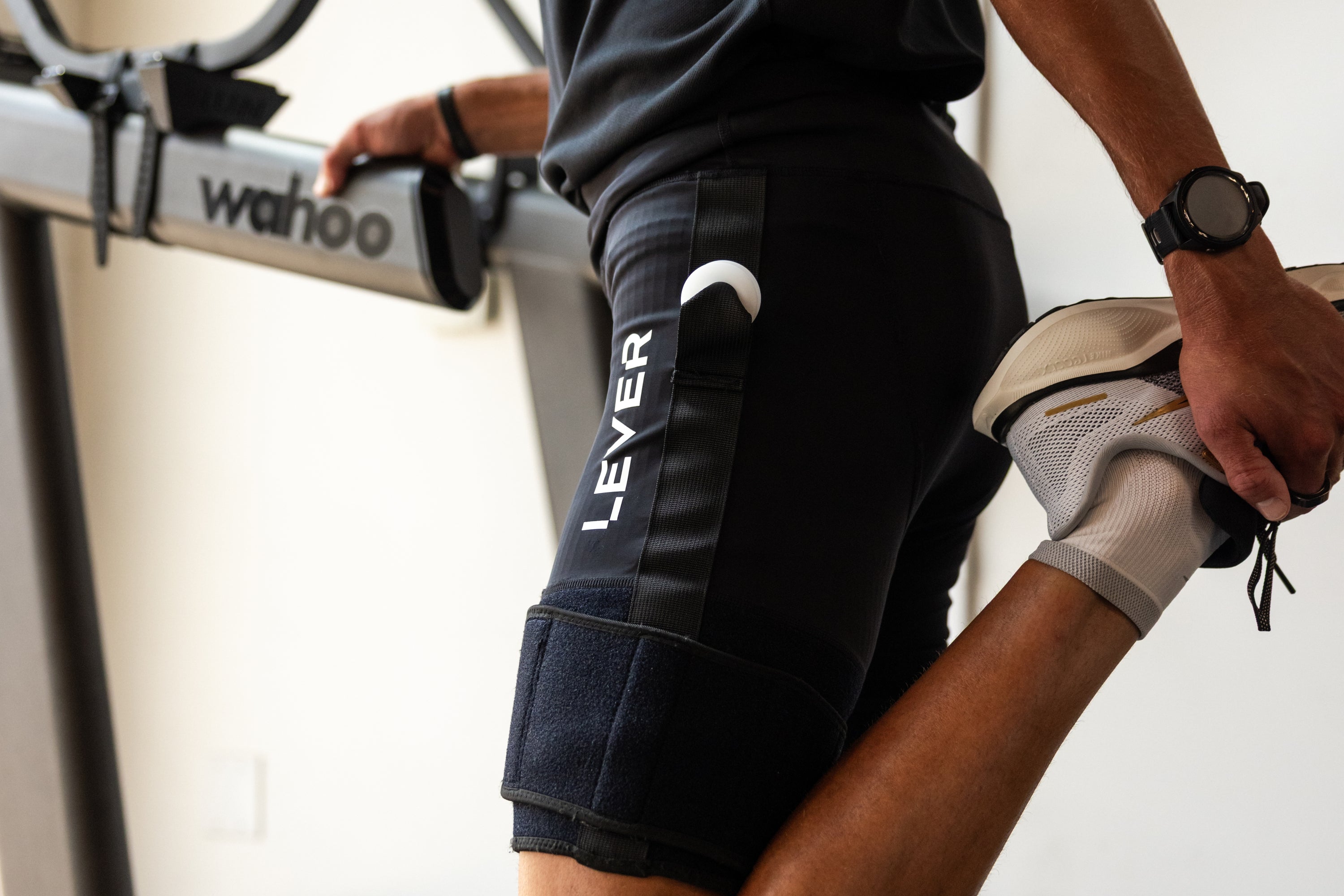
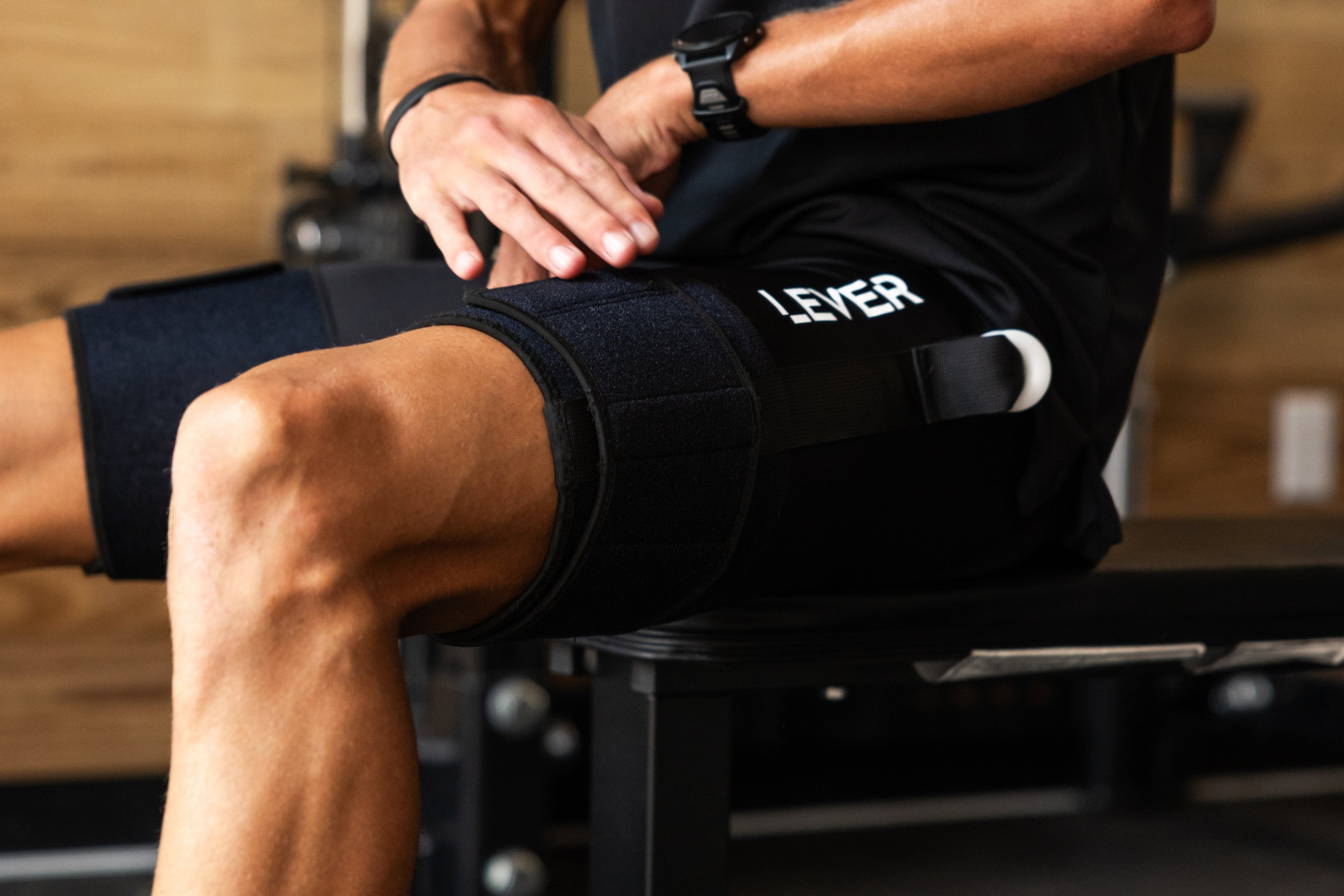
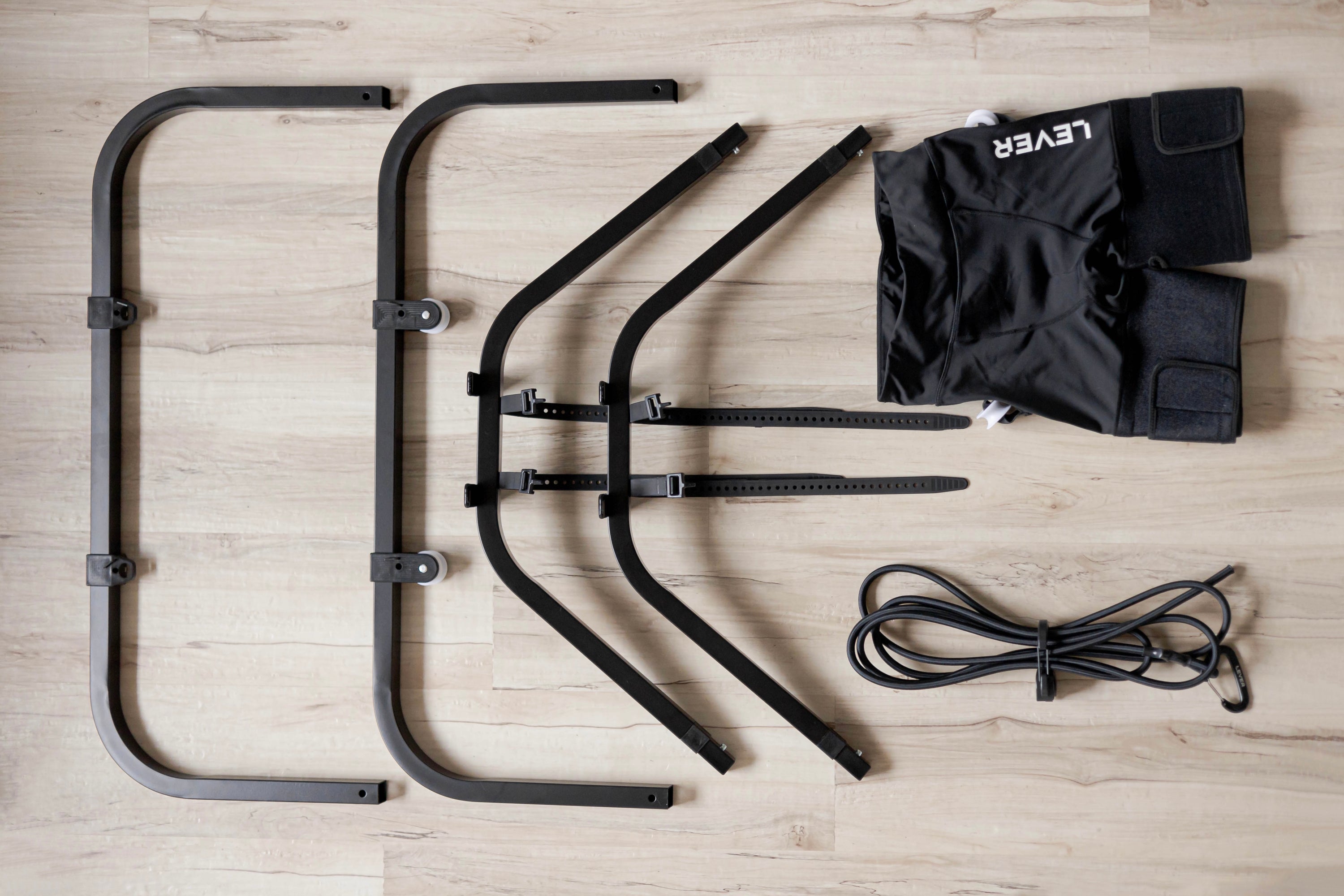
Bodyweight support systems like LEVER can support this process by allowing runners to reduce impact while maintaining movement. Instead of eliminating running completely, athletes can gradually reintroduce load in a controlled and measurable way.
Reduced-impact running may help athletes:
-
Maintain running rhythm and coordination
-
Preserve neuromuscular control
-
Continue practicing efficient movement patterns
-
Maintain aerobic fitness
-
Progress load with confidence
This approach aligns with current tendon research and the load vs capacity framework. It also reinforces one of the most important principles in endurance sport: consistency over time leads to better long-term performance.
It’s important to remember that tools like LEVER do not replace strength training or rehabilitation. Instead, they can complement a comprehensive plan that includes progressive loading, strength, mobility, and smart recovery.
If you are currently managing an injury, always work with a qualified healthcare professional to guide your return to running.
Preventing Achilles Injuries Long-Term
1. Manage training load
Avoid sudden spikes in volume and intensity.
2. Build strength year-round
Strong calves and hips improve resilience.
3. Prioritize recovery
Sleep, nutrition, and stress management matter.
4. Train for durability
Consistency and smart progression always win.
Key Takeaways
Achilles injuries are rarely random. They result from accumulated stress and poor load management.
The most effective solution is not rest alone, but building resilience through:
-
Strength
-
Progressive loading
-
Smart recovery
-
Controlled exposure to impact
With the right approach, many runners return stronger and more durable than before.
👉 Want to Stay Consistent Even When Injuries Pop Up?
Learn how LEVER helps runners reduce impact, maintain fitness, and train smarter.
Explore the system used by elite runners and triathletes to manage load and build long-term durability.
References
Cook JL, Purdam CR. Tendon pathology continuum.
Alfredson H. Eccentric loading for Achilles tendinopathy.
Beyer R. Heavy slow resistance vs eccentric training.
Rio E. Isometric exercise and tendon pain.
Malliaras P. Tendon loading and adaptation.
Gabbett TJ. Load management and injury risk.
American College of Sports Medicine endurance research.