Short answer: An anti-gravity treadmill (like the AlterG) uses air pressure in a sealed chamber to take up to 80% of your body weight off. It costs tens of thousands of dollars, so most runners use one at a PT clinic. LEVER is a harness and frame that attaches to a treadmill you already own and takes up to 45 lb off your body weight, so you can use it at home as often as you need.
Both do the same basic job: they let you run with less of your body weight, so each step puts less load on whatever is healing. Where they differ is how much weight they can take off, how exact the setting is, what they cost and where you can use them. Here's the honest breakdown.

How does an anti-gravity treadmill work?
Short answer: You zip into a pair of shorts that seal into an air chamber around your lower body. The machine raises the air pressure inside, which lifts you and takes part of your body weight off.
You pick the setting as a percentage of your body weight, from 100% down to as low as 20%, with the push of a button. The technology comes from NASA research on differential air pressure. AlterG is the best-known brand and the one most clinics use.
How does LEVER work?
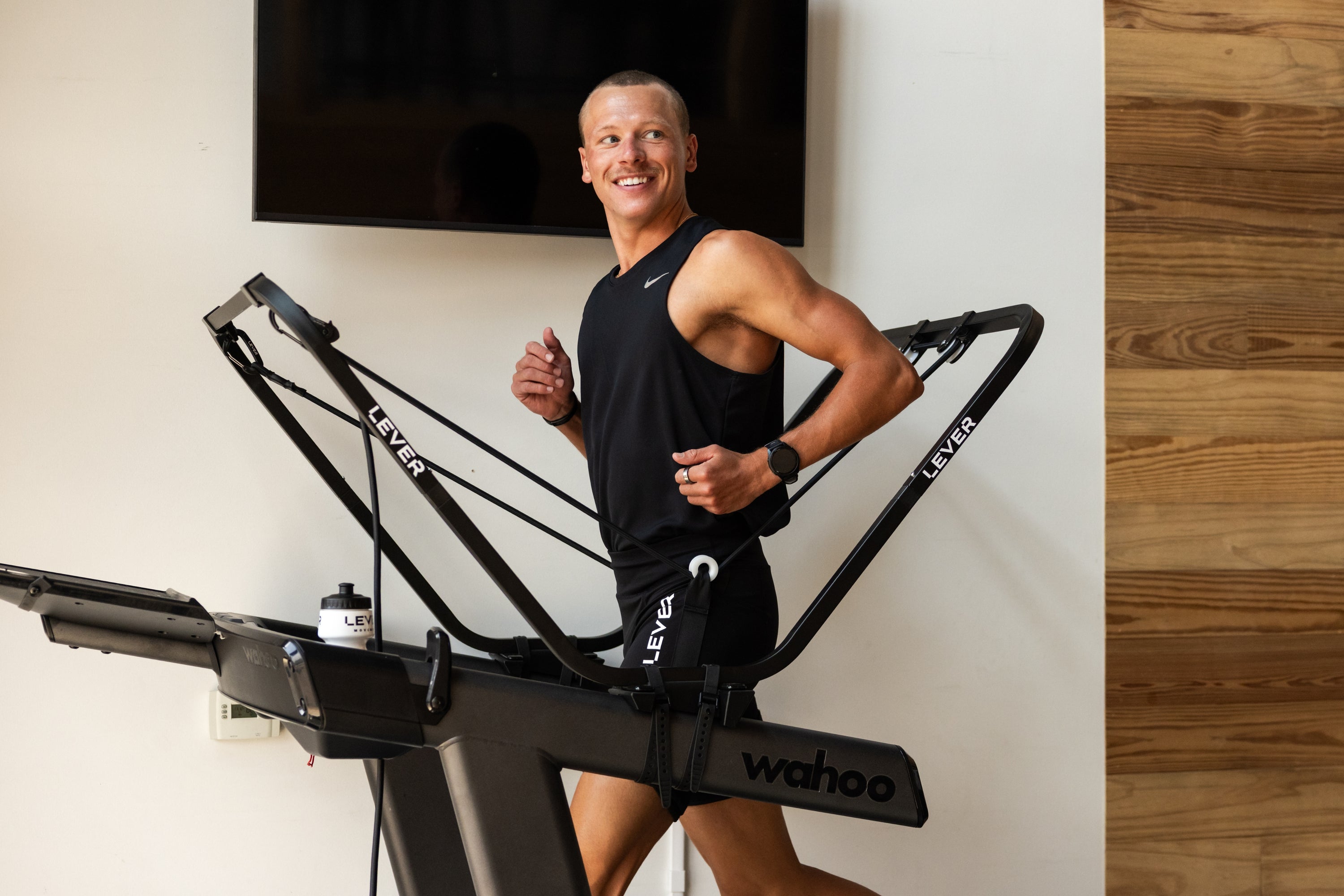
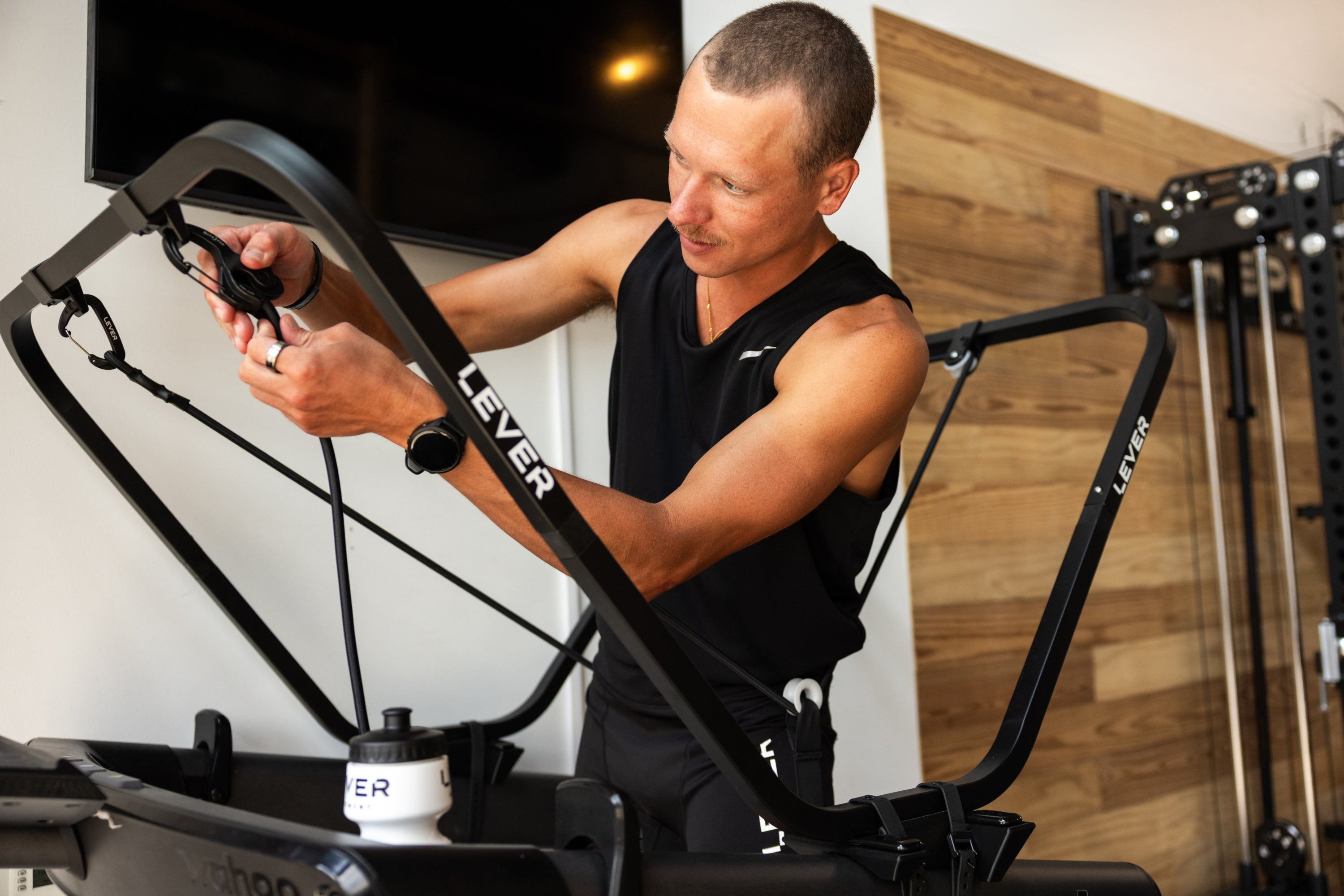
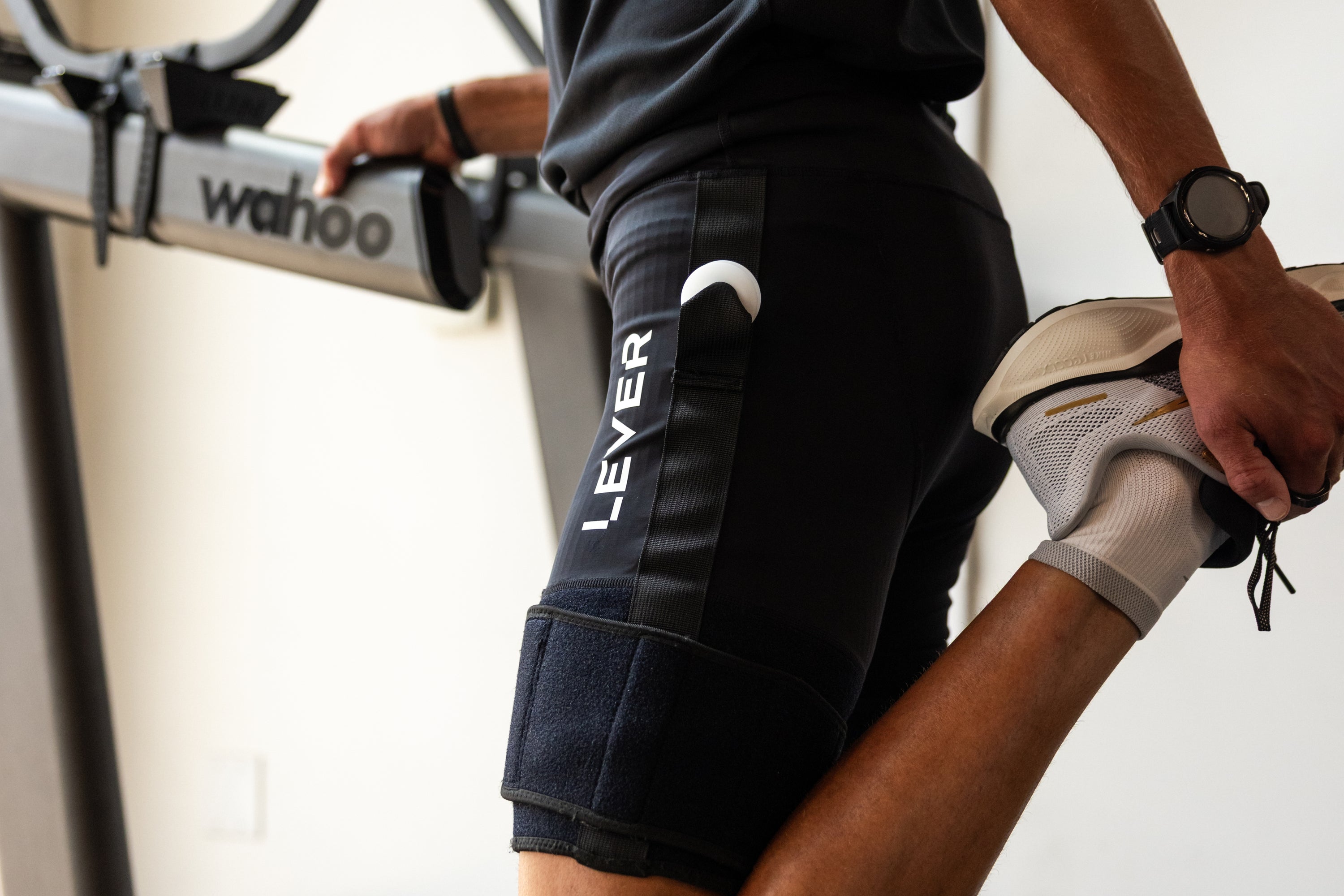
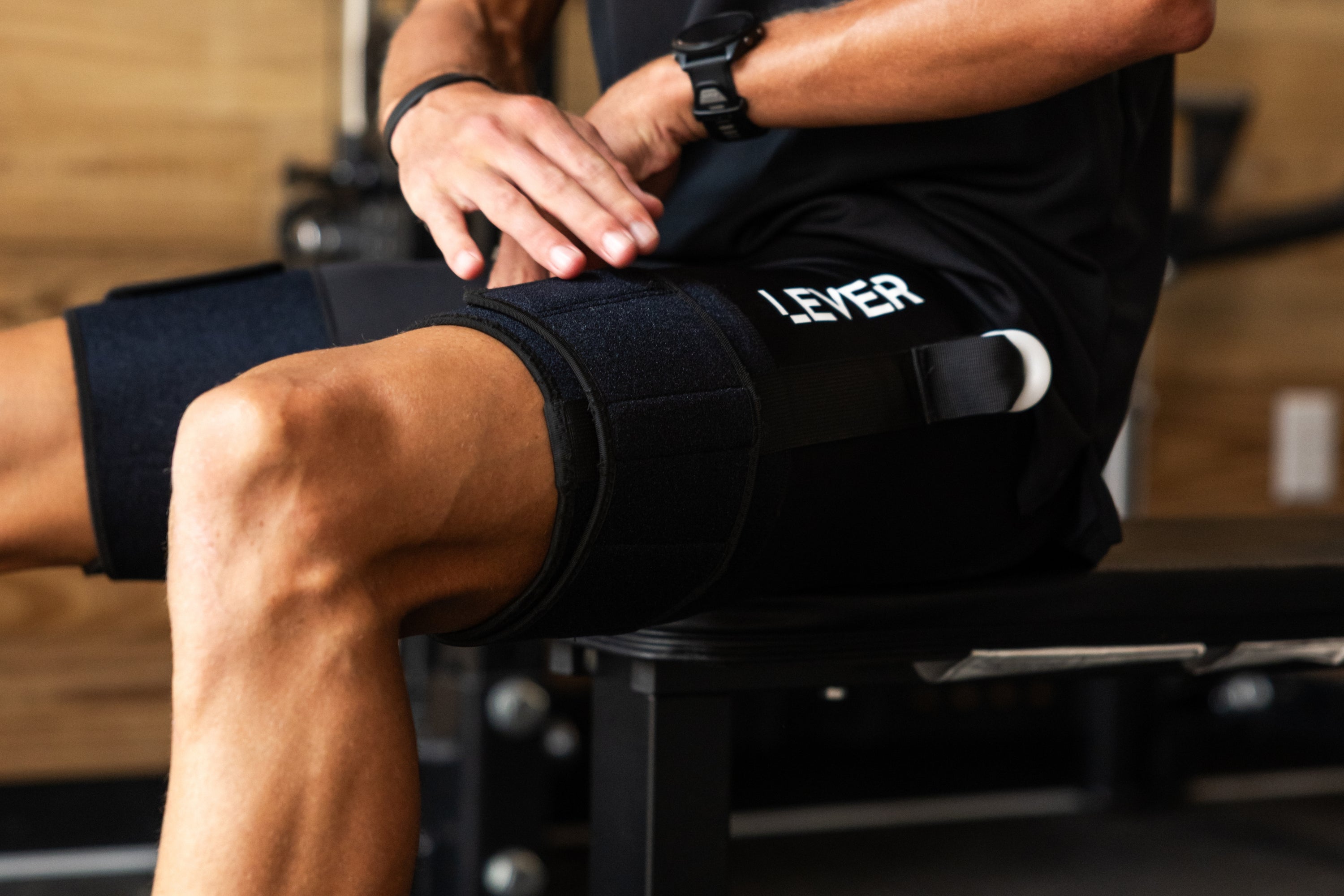
Short answer: You wear LEVER shorts that connect to a lightweight frame around your treadmill. Bungee cords on each side lift up on your hips and take up to 45 lb off your body weight.
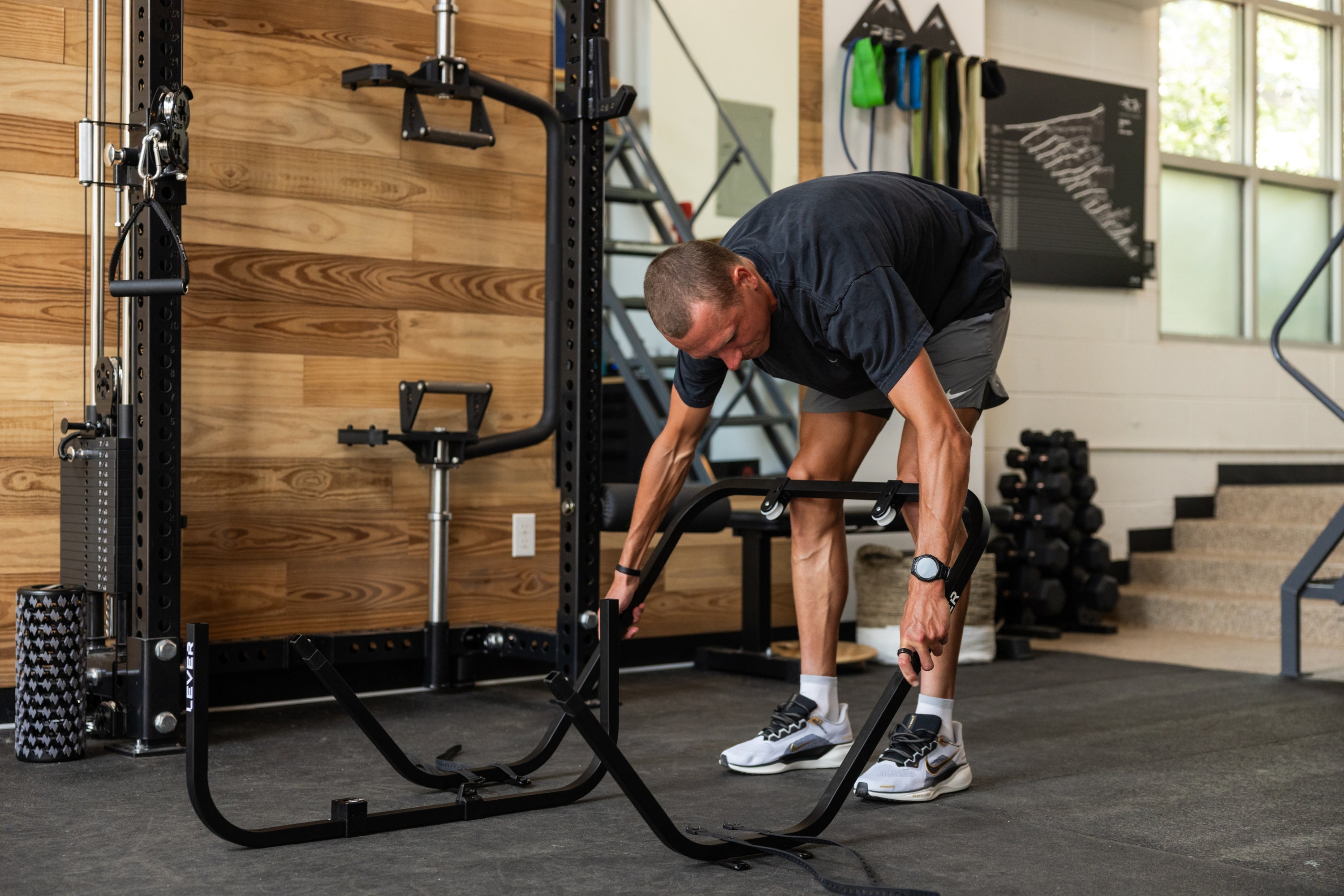
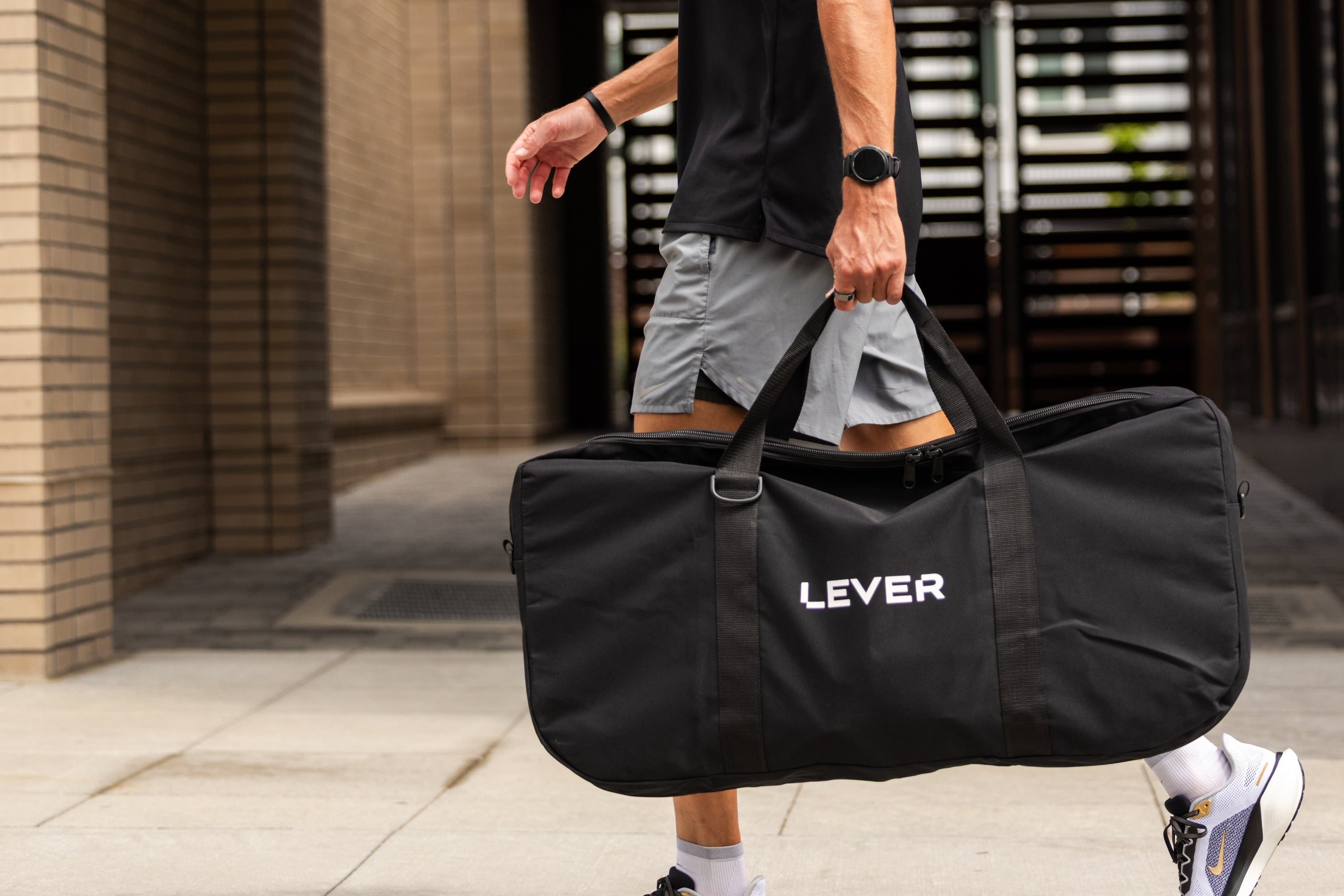
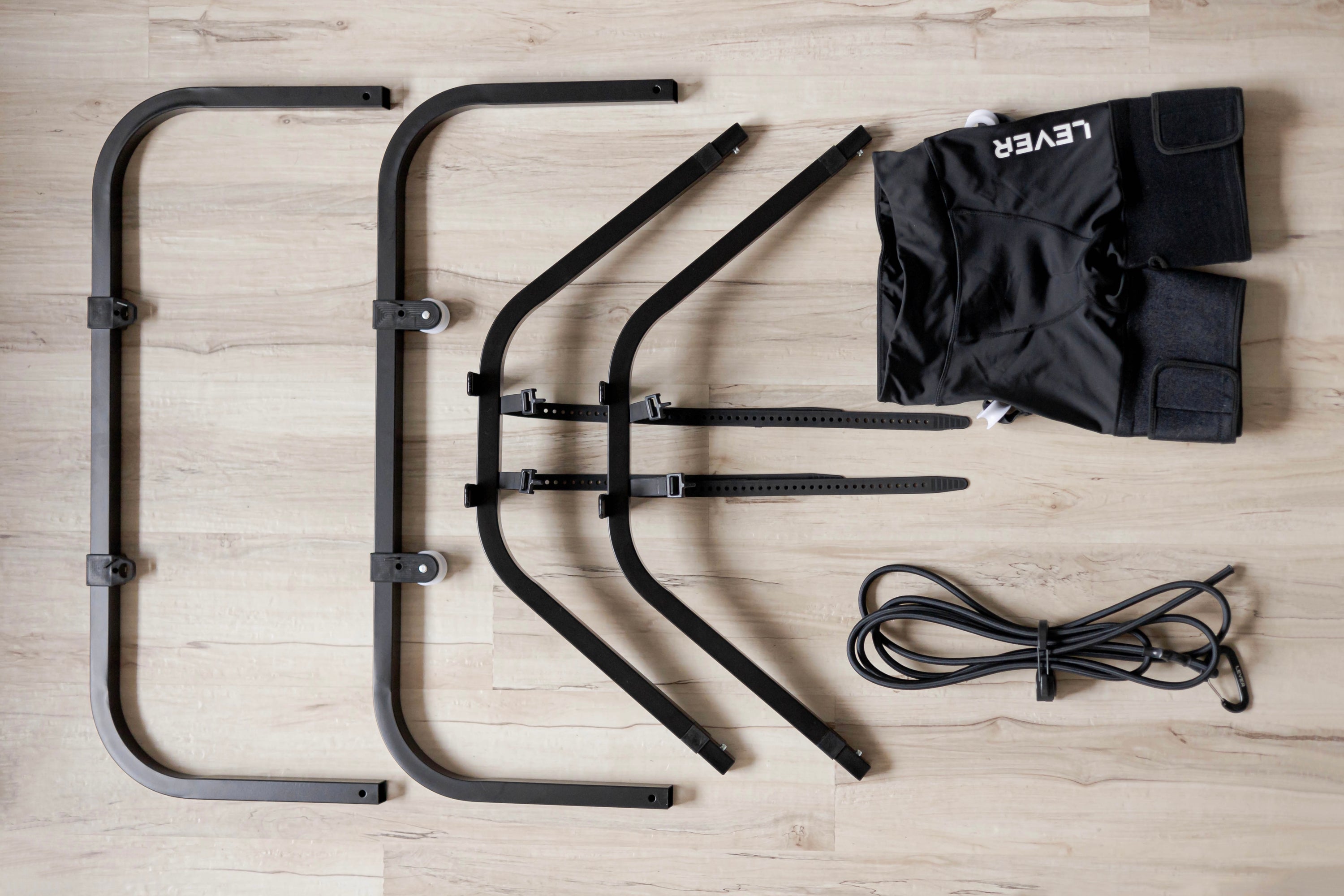
The frame is four aluminum pieces, weighs about 10 lb and sets up in around 2 minutes on most home treadmills. You set the amount of support by adjusting the bungees, with markers that help you estimate how much weight you're taking off. Scale versions add the LEVER Precision Scale and app so you can track it more exactly.

Anti-gravity treadmill vs LEVER: side by side
Anti-gravity specs from AlterG's published FAQ and independent reviews. Prices change, so check current pricing.

Is 45 lb enough?
Short answer: For a lot of runners, yes. For runners between about 130 and 210 lb, 45 lb is roughly 20 to 35% of body weight. That covers easy runs and most of the middle and later stages of a comeback.
Where an anti-gravity treadmill pulls ahead is the very early stage. If your physio wants you running at 50% of your body weight or less, say right after surgery or early in a bone stress injury, you'll need the air chamber for that part.

Which one should you choose?
You can also do both. Start on an anti-gravity treadmill at the clinic while you need a lot of weight off, then keep going at home on LEVER once you're in LEVER's range.

What does the research say?
Short answer: Running with part of your body weight taken off lowers the forces on your body. Most of that research was done on anti-gravity treadmills, and one study looked at a harness system like LEVER.

Quick answers
Is LEVER an anti-gravity treadmill?
How much does an AlterG cost?
Can I get an anti-gravity treadmill at home?
How much weight does LEVER take off?
Will LEVER work on my treadmill?
Which is better for a stress fracture?
General information, not medical advice. Work with your doctor or physio on your own return-to-run plan. AlterG is a trademark of AlterG, Inc. and is not affiliated with LEVER.
References
1. Grabowski AM, Kram R. Effects of velocity and weight support on ground reaction forces and metabolic power during running. J Appl Biomech. 2008;24(3):288-297.
2. Vincent HK, Madsen A, Vincent KR. Role of antigravity training in rehabilitation and return to sport after running injuries. Arthrosc Sports Med Rehabil. 2022;4(1):e141-e149. doi:10.1016/j.asmr.2021.09.031
3. Fohrmann D, Winter I, Simon A, et al. Biomechanical changes during running on a lower body positive pressure treadmill in competitive runners. Scand J Med Sci Sports. 2025;35:e70063. doi:10.1111/sms.70063
4. Pohlman C, Pardee A, Friedman M, Rutherford AD, Vannatta CN, Kernozek TW. Effects of body weight support in running on Achilles tendon loading. Int J Sports Med. 2023;44(12):913-918. doi:10.1055/a-2113-1026
5. AlterG. Frequently Asked Questions (unweighting range and site requirements). alterg.com/service-faq
Last reviewed November 2026.