On Sunday in Copenhagen, Conner Mantz ran a season-best 1:00:08 in the half marathon at the World Road Running Championships. He finished 12th, was the first American across the line, and helped the U.S. men win team bronze behind Kenya and Ethiopia.
He didn't hide in the pack either. Conner went out at sub-59 pace, took a lot of the early wind, went through 10K with the leaders, and was still inside the top 10 at 15K.
That's a strong day for anyone. For a guy who spent most of the last year hurt, it's something else. And the part we find most interesting isn't the race. It's how he trained to get there.
1A year on the sidelines
After setting the American marathon record of 2:04:43 in Chicago last October, Conner felt great. He ran hard the next day, brought his mileage up quickly, and paced his wife in a marathon that November.
Then came two sacral stress fractures. They cost him the World Cross Country Championships in January and the Boston Marathon in April, and he wasn't able to run on land again until mid-May.
The frustrating part: Conner said the second time around, he felt like he was doing everything right. PT exercises, lots of sleep, eating well, not pushing too hard in training. Something still had to change.

2Where LEVER came in
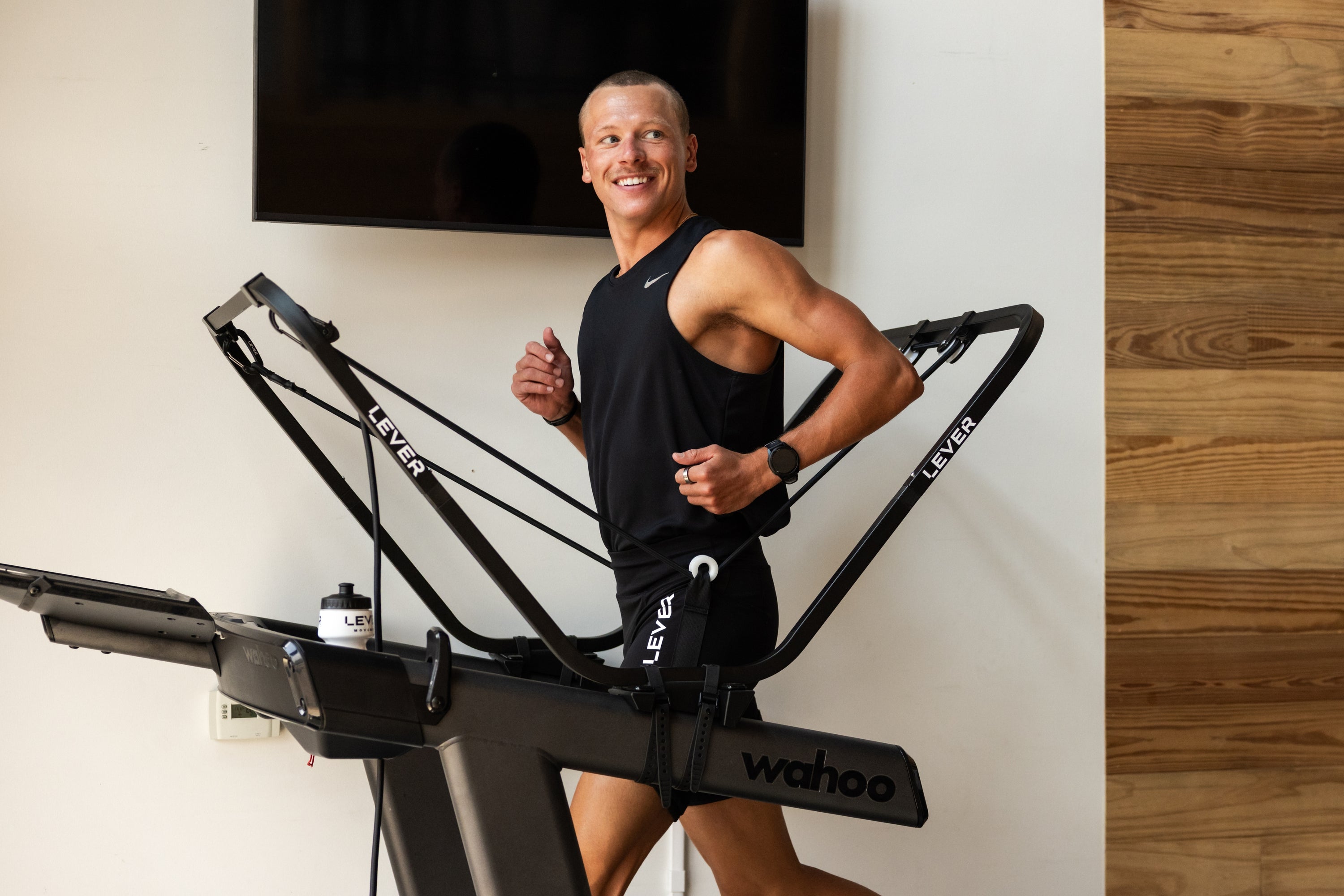
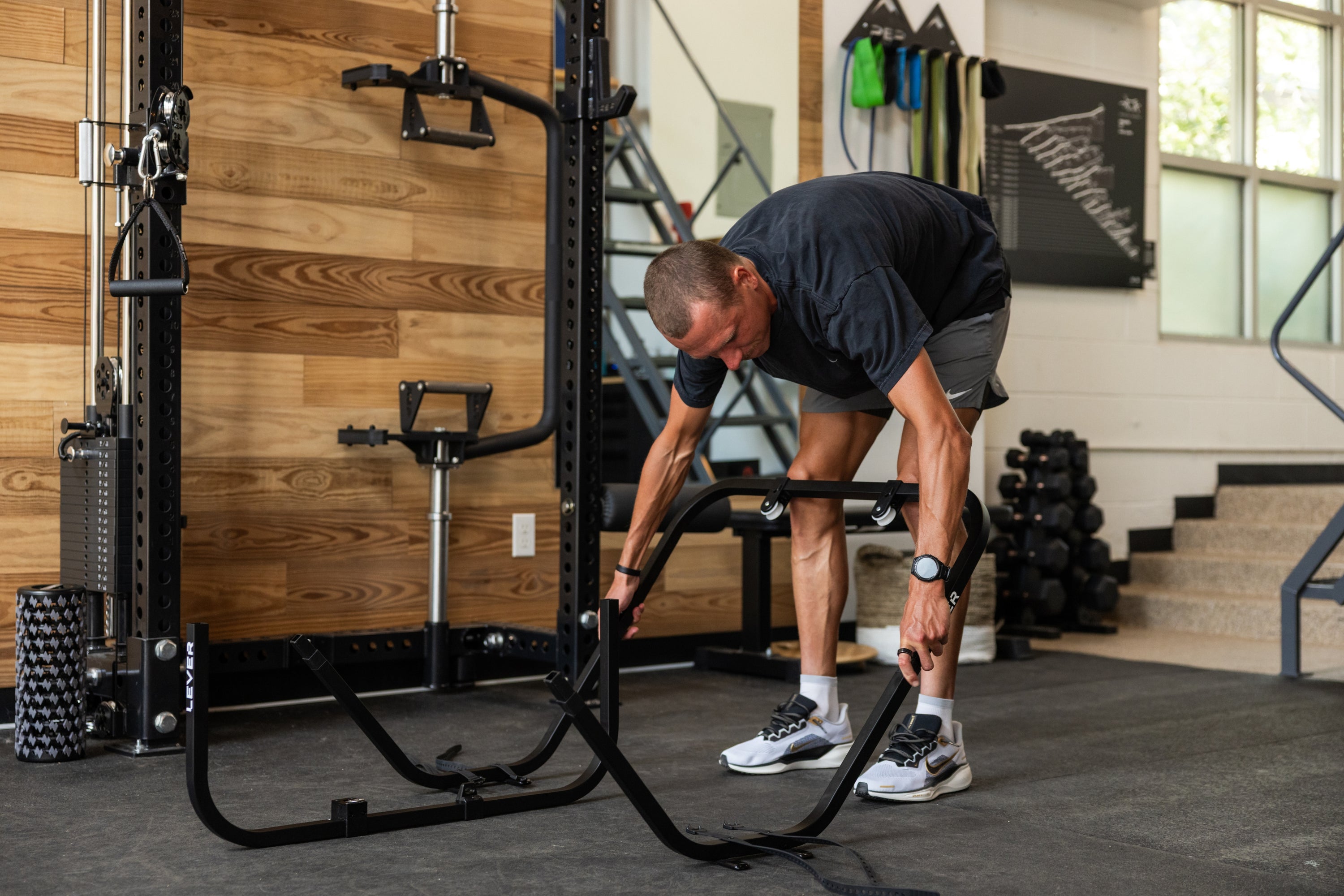
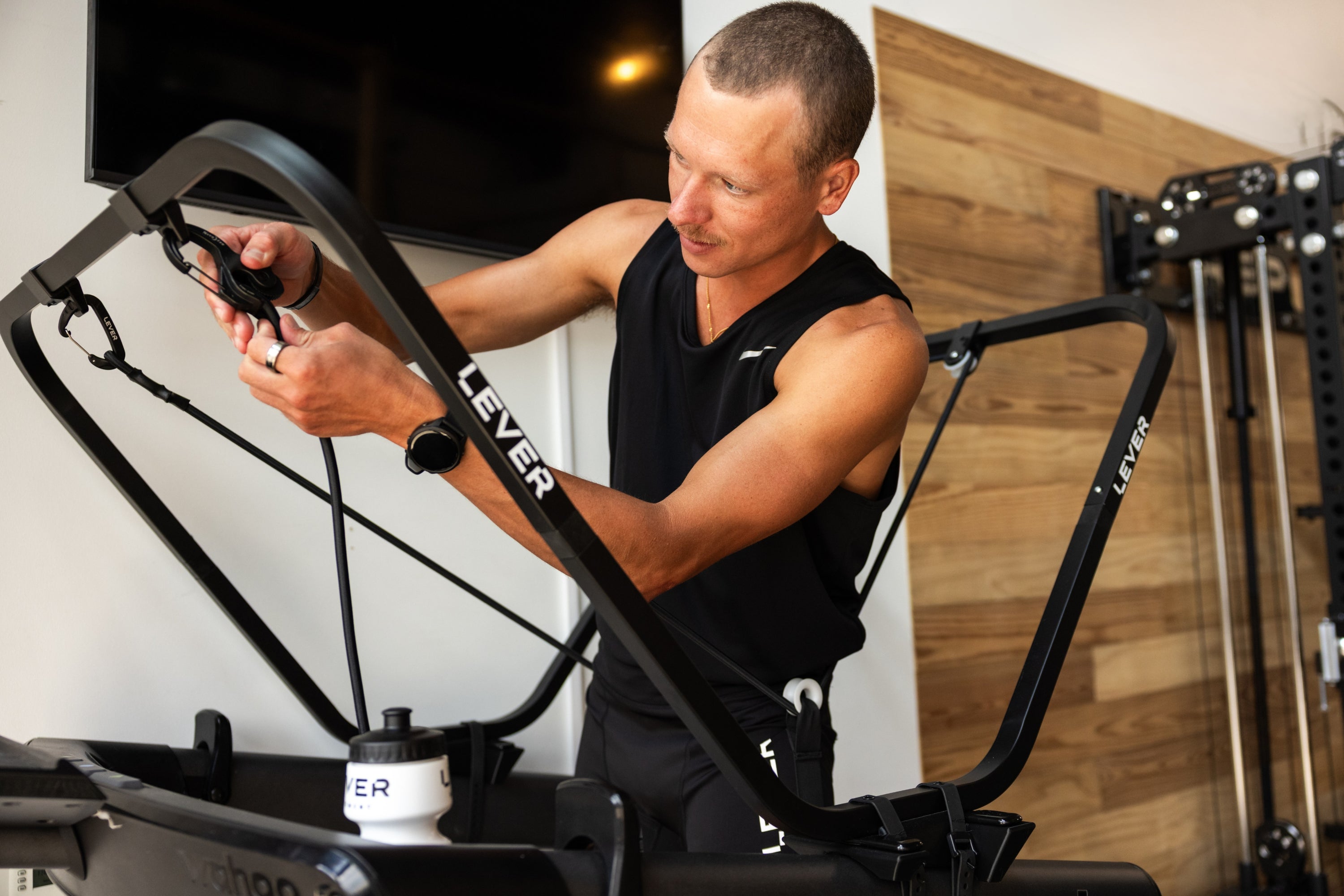
Conner bought a LEVER on his own while he was injured, before we had ever talked to him. When he started running again, he started on the LEVER attachment, running with some of his body weight taken off before going back to the ground.
Then, as he got healthy, the way he thought about it changed.
3Two runs a week, on purpose
Once he was back on land, Conner and his coach, Ed Eyestone, looked at the bigger picture. He'd been hurt twice. As Conner put it to Race Results Weekly in Copenhagen, "Coach and I were like, we've got to change something."
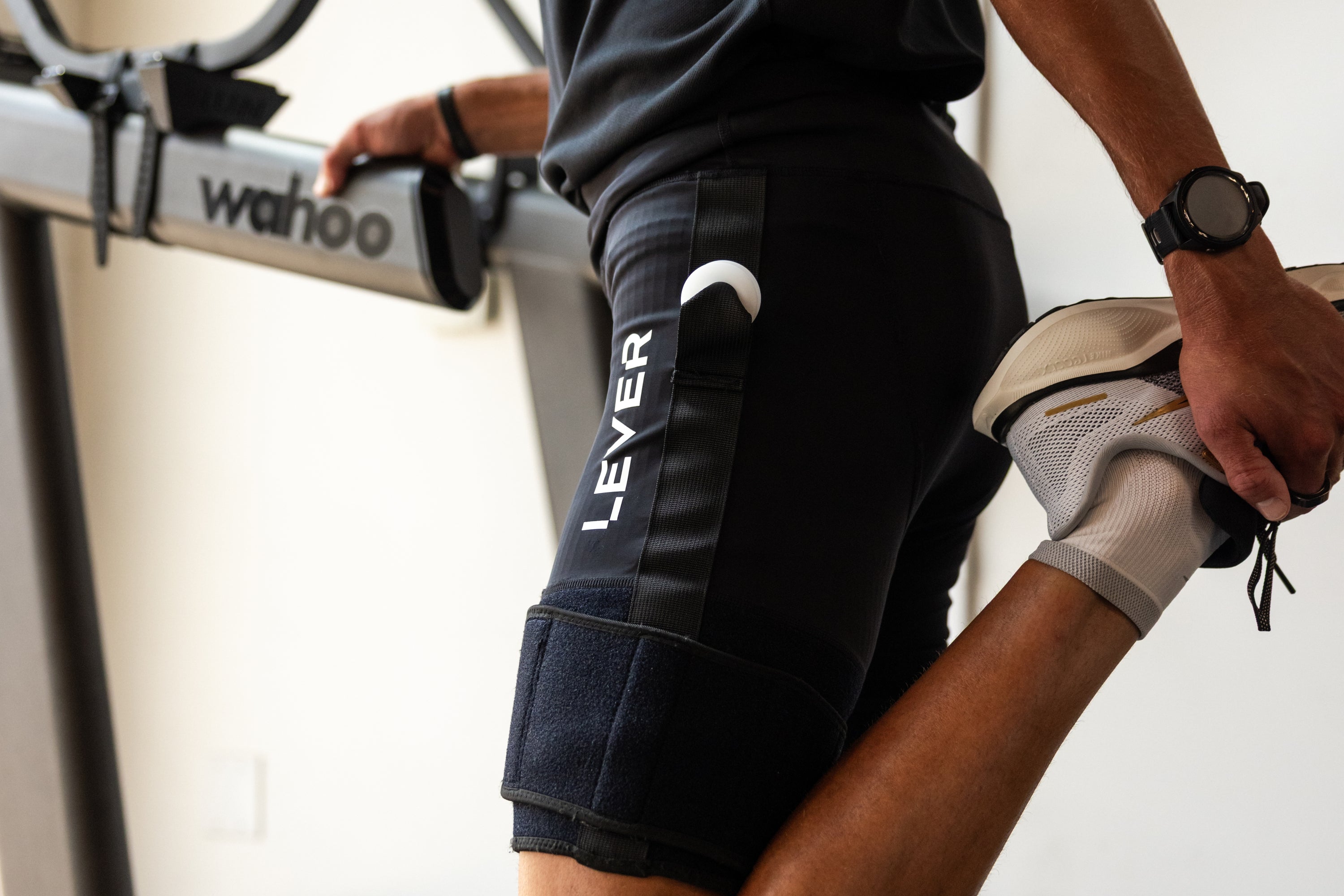
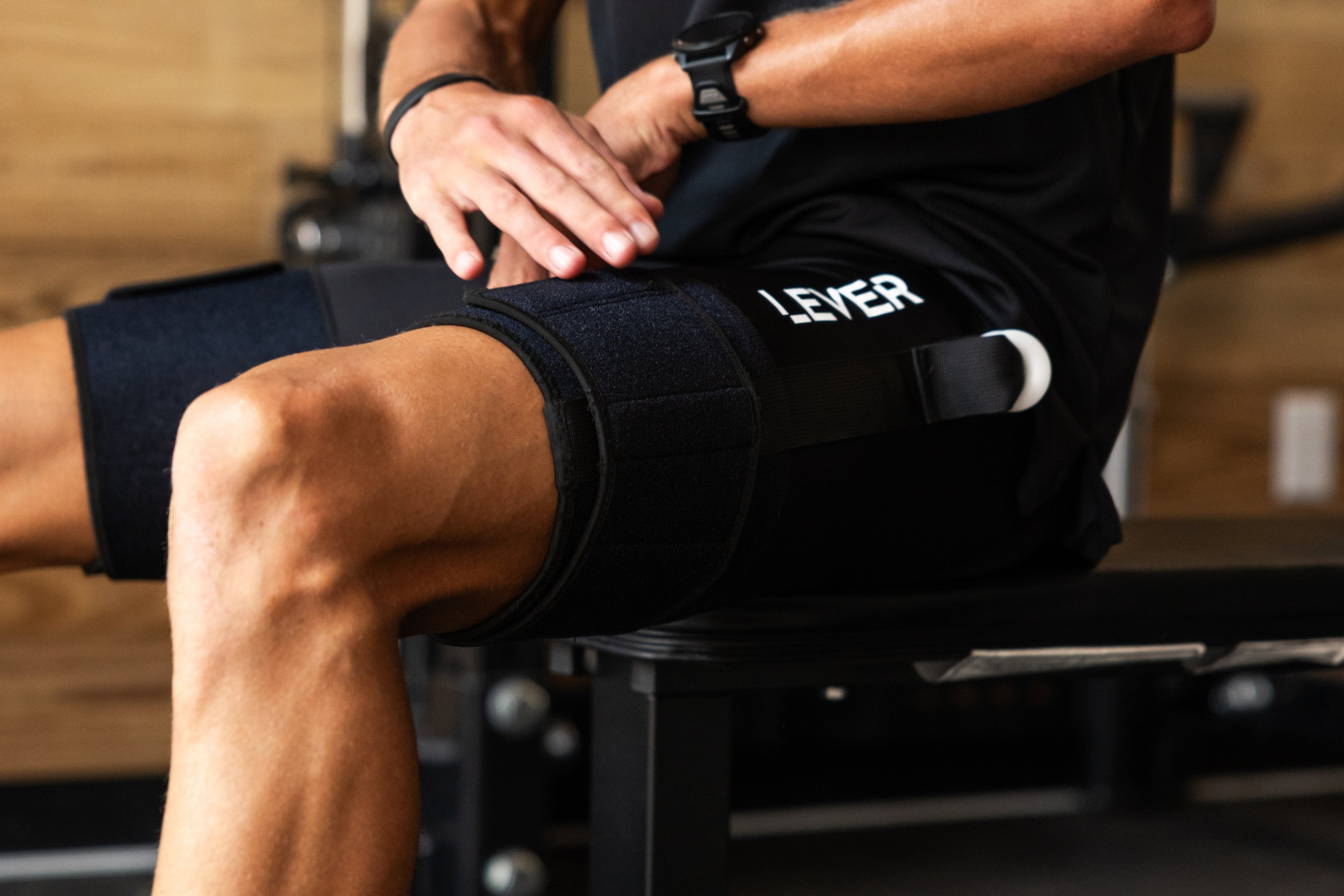
The change: two of his recovery runs every week happen on a treadmill with the LEVER, taking about 15% of his body weight off.
And those runs are still real running. Some of Conner's LEVER recovery runs are around 6:00 per mile. He keeps the aerobic volume and the leg turnover a marathoner needs, while his body takes less of the pounding on days that are supposed to be easy.

4Then came this workout
Ahead of Copenhagen, out on the road, Conner put together a pretty clear sign of where his fitness was heading.

And the splits:
His fastest mile was his last.
That's the other side of load management. The goal isn't to make running easier. It's to take stress out of the places it doesn't need to be, so you're ready when it's time to run hard.
Keep your mileage. Control the load.
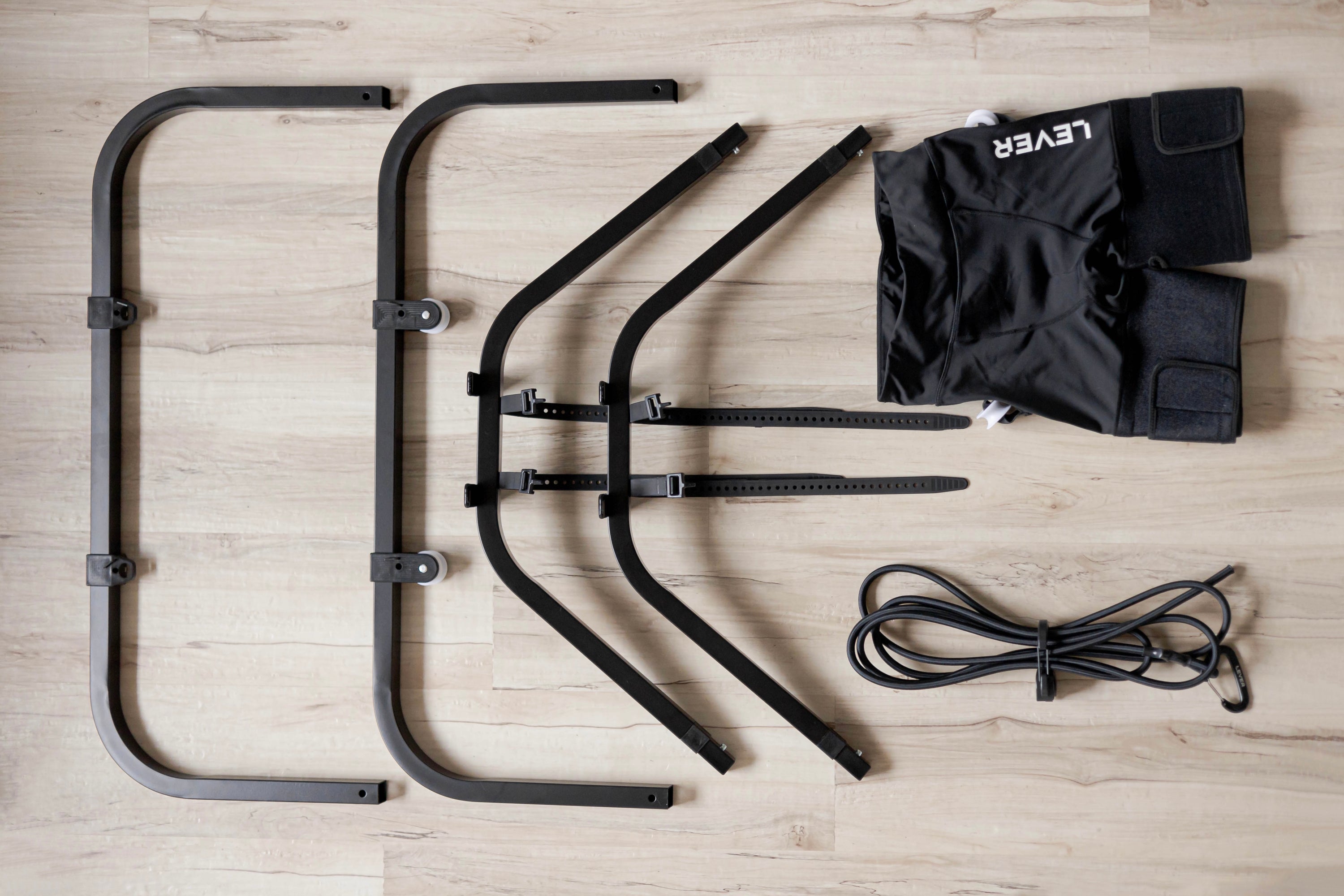
LEVER attaches to the treadmill you already have, so you can take body weight off on the days that call for it.
Shop LEVER5Back on the world stage
Conner's comeback didn't click overnight. He raced Falmouth in August, his first race since Chicago, and ran 31:19 for fourth. By his own account, it was only a couple of weeks before Copenhagen that things really started coming together.
Then he went to Denmark and raced like himself. Aggressive from the gun, with the leaders through 10K, top 10 through 15K, and 1:00:08 at the finish.
First American. Team bronze.
6Next stop: New York
Conner lines up at the TCS New York City Marathon on November 1. The big workouts will get attention. So will the race. But for Conner, the long game matters just as much.

7What runners can take from this
Doing everything right isn't always enough
Conner was doing his PT, sleeping and eating well, and still got hurt again. The fix wasn't running less. It was changing where some of the running happened.
Easy days can still be real running
Taking body weight off doesn't mean slow or pointless. You keep the aerobic work and the turnover with less impact.
Protect the hard days
That 4:29 last mile happened because the easy days around it didn't dig a hole.
Small changes add up
About 15% off, two runs a week. Not a huge change, but it let one of the best marathoners in the world keep building while staying healthy.
8Frequently asked questions
How did Conner Mantz do at the 2026 World Half Marathon Championships?
He ran a season-best 1:00:08 in Copenhagen to finish 12th overall. He was the top American and helped the U.S. men win team bronze behind Kenya and Ethiopia.
How does Conner Mantz use LEVER?
He does two of his recovery runs each week on a treadmill with the LEVER, taking about 15% of his body weight off. He also used it to start running again after his stress fractures, before returning to the ground.
Why does he still use LEVER now that he's healthy?
After two sacral stress fractures, he and his coach decided something had to change. Moving two recovery runs a week to the LEVER lets him keep his mileage up while reducing impact.
What's next for Conner Mantz?
The TCS New York City Marathon on November 1, 2026.