Team LEVER • Athlete Interview
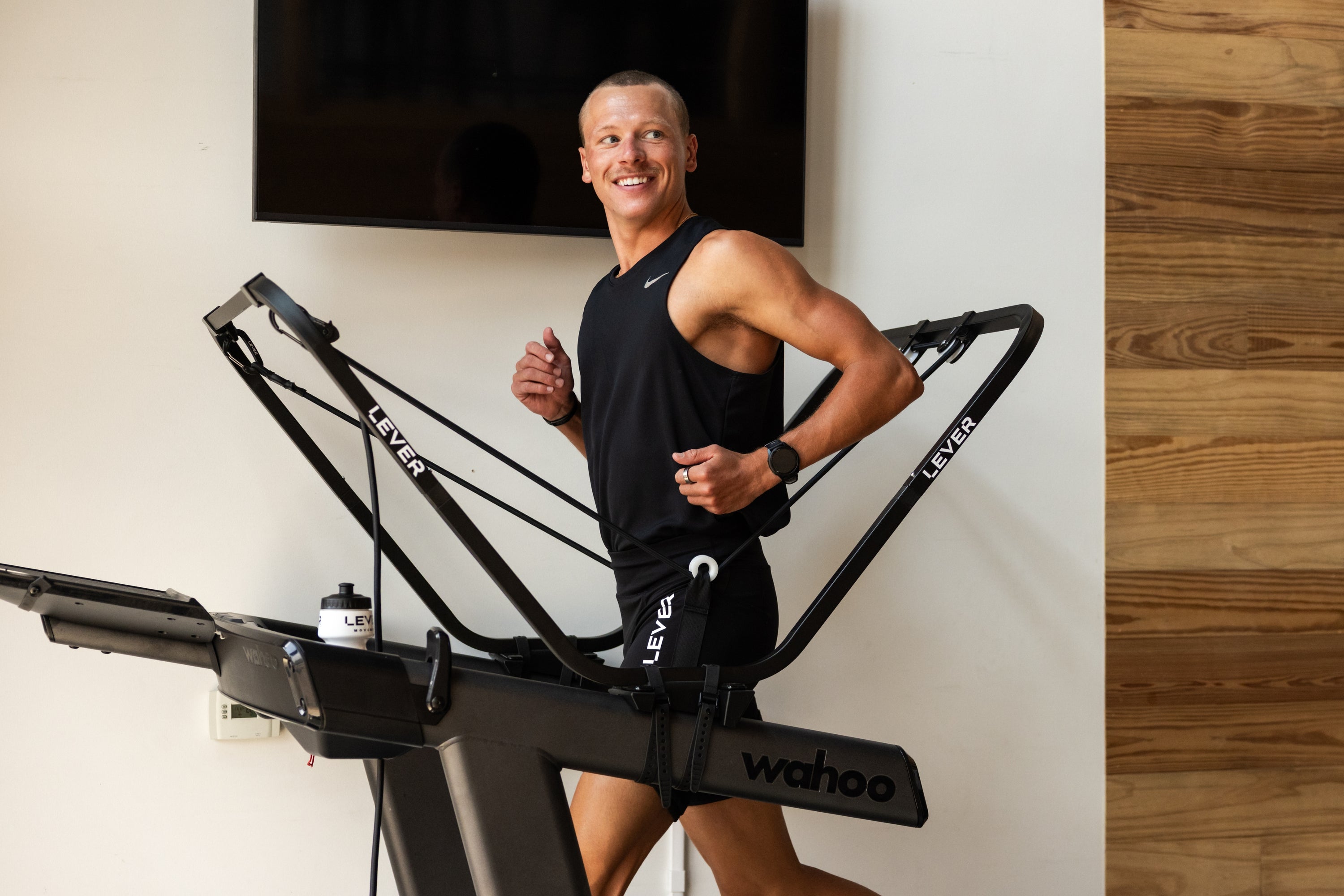
Conner Mantz is the fastest marathoner in American history. He bought a LEVER out of his own pocket while injured, before anyone here had spoken to him. He is healthy now, and he still runs on it twice a week.

We sat down with Conner for a long conversation about stress fractures, load management, and what changed in his head about unweighted running. This is the overview. We will be breaking the full interview into individual pieces over the coming weeks.
The short version: he started using LEVER to come back from injury. He kept using it because getting healthy and staying healthy turned out to be two different problems.
1Who is Conner Mantz?
If you follow American distance running, you already know. If you do not, here is the short list. Conner holds the American record in the marathon and the half marathon. He won the 2024 U.S. Olympic Marathon Trials, finished eighth at the Paris Olympics as the top American, and won two NCAA cross country titles at BYU. He is coached by Ed Eyestone and trains alongside Clayton Young.
When we asked him to introduce himself, he kept it about as short as it gets.
He started at 12 years old, after watching his dad and older brother run a half marathon together.

2Two stress fractures in eight months
A few weeks after breaking the American record in Chicago, the pain showed up. A stress fracture in his sacrum. Twelve weeks off running, the longest layoff of his career.
He got healthy at the end of January 2026 with Boston roughly eleven or twelve weeks away. Enough time, if everything went right. It did not.
A few extra miles here. An extra rep there. What followed is a timeline a lot of runners will recognize, just at a much faster pace.
| When | What happened |
|---|---|
| Nov 2025 | Sacral stress fracture. Twelve weeks completely off running. |
| Late Jan 2026 | Back running. Mixing ground runs and LEVER runs, building toward Boston. |
| Mid Mar 2026 | Pain on the opposite side. Imaging shows a stress reaction. |
| Two weeks later | Still cannot run pain free on the ground. New imaging shows a second stress reaction on the same bone. |
| Apr 2026 | Withdraws from Boston. An MRI the week of the race confirms a full stress fracture. |
3He bought a LEVER before we ever talked to him
This is the part we did not plan, and honestly the part we like most.
While he was hurt at the end of 2025, Conner was asking around. Other athletes, what they had tried, what actually worked. Then he caught a race broadcast where the commentators mentioned an athlete who had used a LEVER to stay fit through pregnancy.
He talked to a couple of athletes who had owned one, heard them out, and bought it himself. No partnership. No conversation with our team. No product seeded. We have only seen that happen with one other athlete, and it is the version we would pick every time, because if it had not worked he simply never would have called us.

4What he noticed on the first run
Conner has spent plenty of time on anti-gravity treadmills, so he had a real reference point. Three things stood out.
| What he compared | What he found |
|---|---|
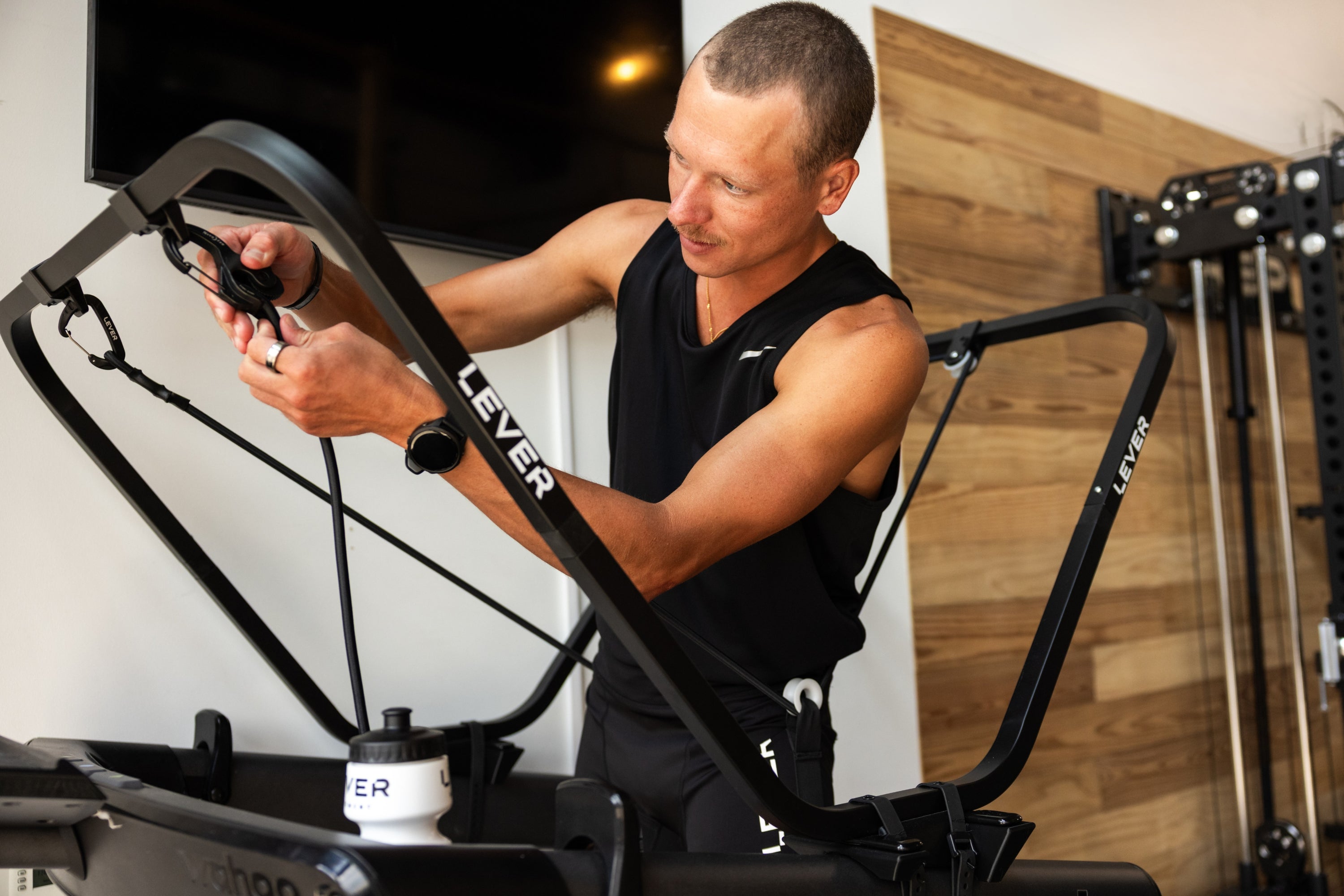
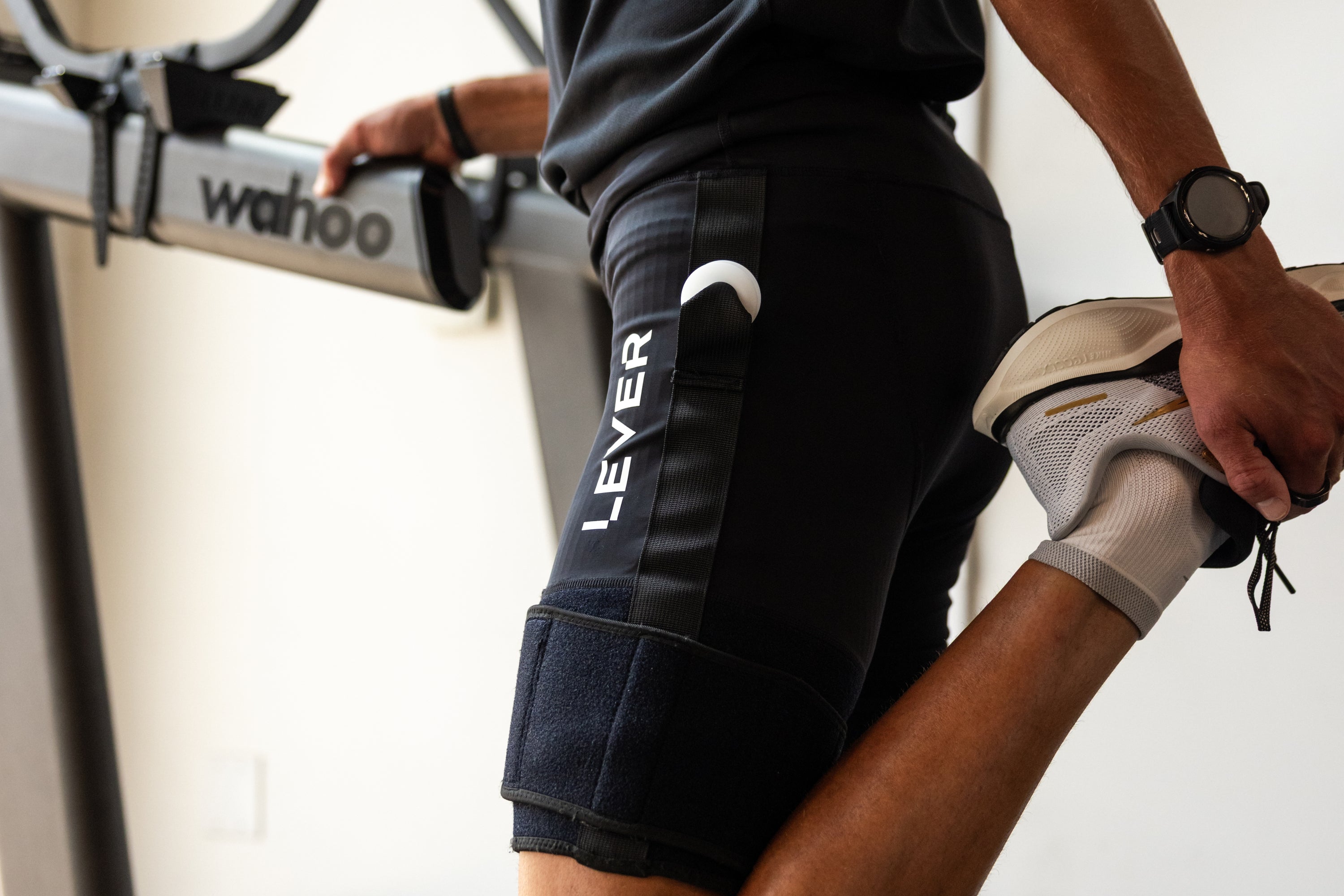
| Where the load sits | Air-pressure systems put pressure between the legs. The LEVER harness loads through the hamstrings, which he found more comfortable. |
| How you set the load | No body weight percentage readout. You run by feel instead of chasing a number. |
| Cost and access | Around a thousand dollars, added onto a treadmill he already owned, at home, with no drive and no waiting. |
He came back to the math twice in the conversation, unprompted.
5From injury tool to training tool
Most runners think of unweighted running as something you do when you are broken. Conner did too, at first.
After the second fracture, he and his coach sat down and asked a different question. Not how do we get fit, but what needs to change to stay healthy. The answer was two runs a week on the LEVER, permanently.
Around the same time he spoke with a researcher who had studied unweighted running. As Conner described it, one group in the study ran two sessions a week with body weight removed while another group ran everything on the ground, and the rate of improvement came out the same.
He also set a rule for himself. As ground mileage climbed, LEVER volume did not come down.
The system he uses
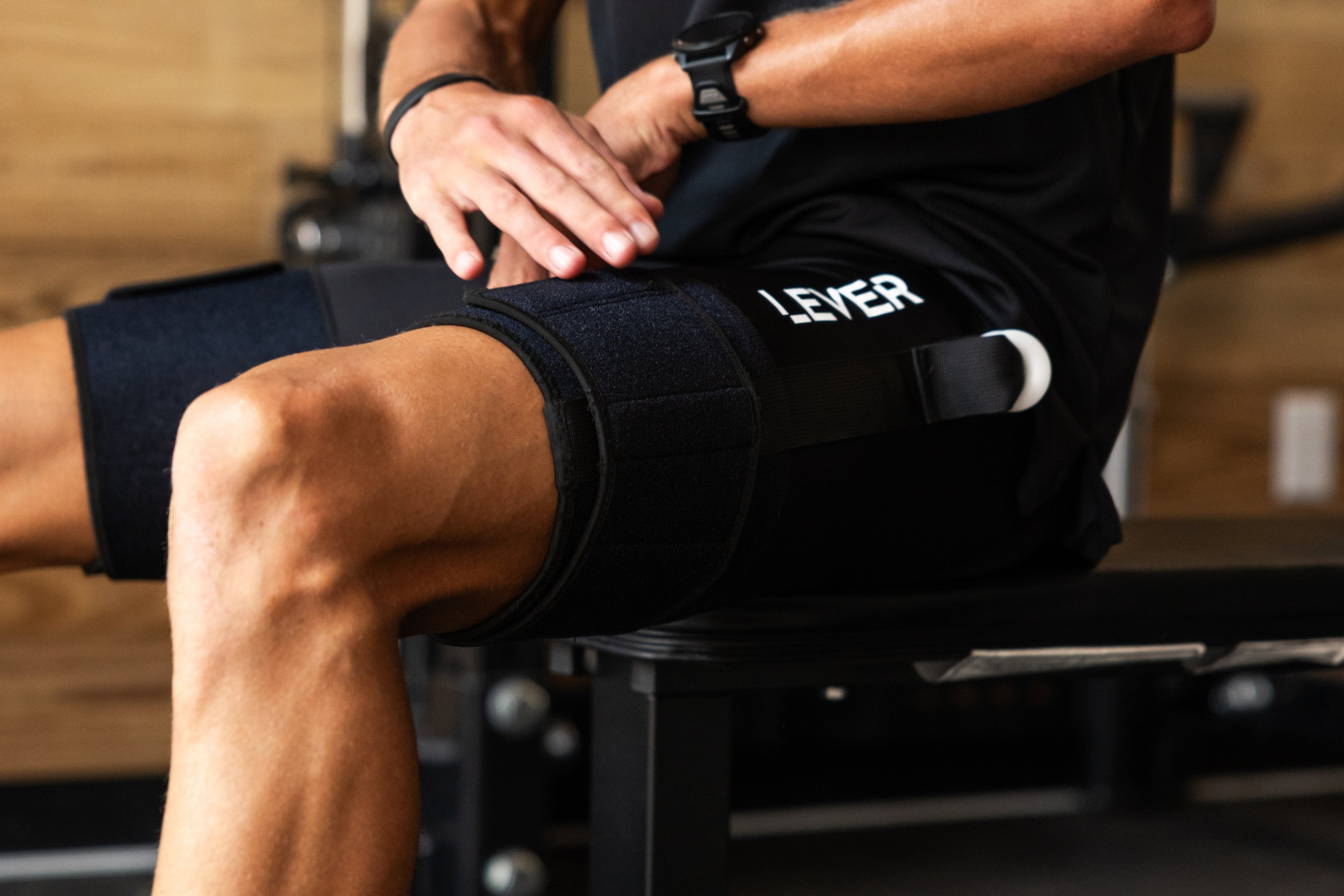
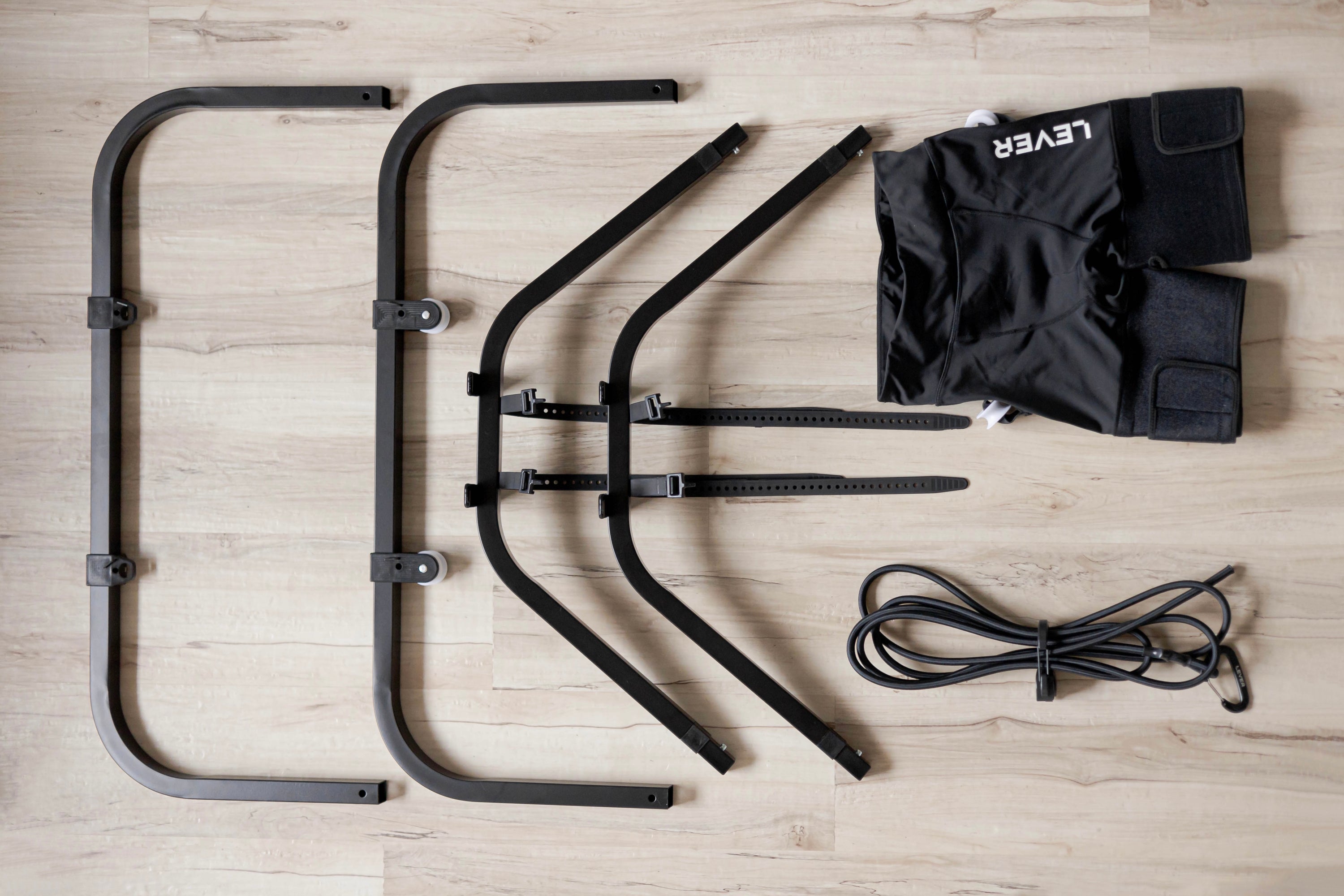
LEVER Movement body weight support
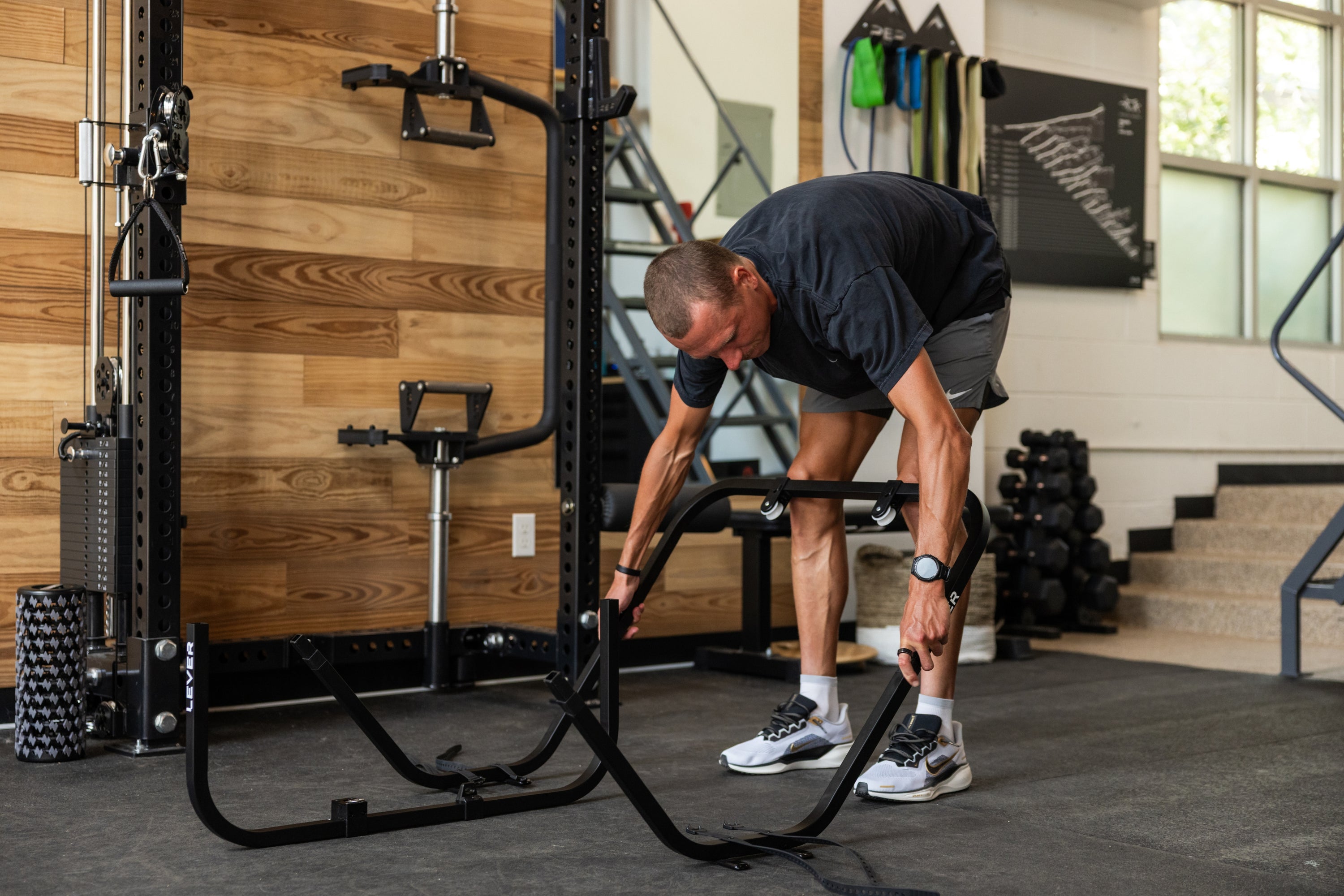
Attaches to a treadmill you already own. Removes body weight so you can keep running when the ground is not an option yet, and keep your mileage when it is.
Shop LEVER6How he actually schedules it
The original plan was a Wednesday afternoon run and a Friday afternoon run, sitting between the big sessions on Tuesday, Thursday and Saturday. Keep the legs fresh for the days that count. In practice it has become more responsive than that.

He also used it earlier in the comeback for real sessions, before he was cleared to run hard on the ground. A 5K tempo and a 10K tempo, heavily unweighted, purely to get his legs turning over again.
7Why he is thinking in years, not weeks
Conner told us about a conversation with a former pro who had a long, decorated career. The advice was blunt. Mileage is not the only answer.
He has since talked with an exercise science professor about what actually gets worked when you run unweighted. The takeaway he came away with was that many of the same muscles fire, some of them essentially the same as on the ground, while the bones take far less impact. So the plan going forward is not to run less. It is to run more, in a smarter place.
And then the line that sums up the whole interview.
8What runners can take from this
Getting healthy is not staying healthy
Conner got cleared, felt good, pushed, and broke again. The second question is the harder one.
Keep the volume, move the impact
Unweighted runs let him hold total mileage without adding the ground load that broke him.
Do not cut it when you feel good
His rule: as ground mileage went up, LEVER volume stayed exactly where it was.
Use it on the bad days
The fixed schedule became a flexible one. When something feels tweaked, that run moves to the LEVER.
9Frequently asked questions
Does Conner Mantz use a LEVER?
Yes. He purchased a LEVER system himself in late 2025 while recovering from a sacral stress fracture, before any partnership existed. He currently runs on it twice a week as part of his build toward the New York City Marathon.
Why does he still use LEVER now that he is healthy?
To protect long-term durability. Two unweighted sessions a week let him hold his total mileage without adding the ground impact that contributed to two stress fractures in eight months.
How does LEVER compare to an AlterG?
Conner has used both. He found LEVER more comfortable because the harness loads through the hamstrings rather than creating pressure between the legs, and he pointed to the cost difference: roughly a thousand dollars versus 25 to 50 thousand for an anti-gravity treadmill. The tradeoff is that LEVER does not display an exact body weight percentage, so you run by feel.
Can you do workouts on a LEVER?
Yes. Before he was cleared to run hard at full body weight, Conner ran 5K and 10K tempo efforts on the LEVER at significantly reduced load, specifically to get his legs turning over and rebuild form. He said it made his first ground workouts feel noticeably stronger.
Is LEVER only for injured runners?
No, and that is the exact shift Conner describes in this interview. He started using it as a comeback tool. It is now a permanent part of a healthy training week.