Team LEVER — Athlete Announcement
Before we ever talked to him, the American record holder in the marathon had already bought a LEVER and used it to rebuild his legs after a stress fracture.
We're proud to welcome Conner Mantz to Team LEVER. If you follow American distance running, you already know the name. If you don't, you're about to understand why the last two years of his career, the highs and the setbacks both, tell you almost everything you need to know about what it takes to run at the front of the pack and stay there.
Who Is Conner Mantz
Mantz grew up in Smithfield, Utah, a town most people couldn't find on a map, and picked BYU largely because of one man: Ed Eyestone, a two-time Olympic marathoner who has coached Mantz through every step of his career since. It's the kind of pairing that looks obvious in hindsight and wasn't guaranteed at all. Eyestone took a promising high school runner and helped build the most decorated collegiate distance runner of his generation.
By the time Mantz left BYU, he'd won two individual NCAA cross country titles and earned All-American honors eight times. That kind of dominance in college running usually gets you noticed. What it doesn't do is guarantee anything at the next level, where the jump from college 10Ks to professional marathons has ended plenty of promising careers early.
Mantz made that jump look easy. He debuted at the marathon distance and kept getting faster. In 2024, he made the U.S. Olympic team and finished 8th in the marathon in Paris, the best finish by an American man in over a decade. Then came 2025, a year that will end up in the record books no matter what happens next in his career. He ran 2:05:08 for fourth at Boston, the fastest time ever run by an American on that course. He set the American half marathon record in Houston at 59:17. And six months after Boston, at the Chicago Marathon, he ran 2:04:43, breaking a 23-year-old American marathon record by 55 seconds.
That's the version of Conner Mantz most people know: the record holder, the Olympian, the guy who keeps getting faster every year he's asked to prove it. What's less visible is what it took to get back to full training after Chicago, and why a comeback that could have gone quietly and privately instead became something Mantz was willing to talk about in detail.

A Record, Then an Injury, Then a Search for Answers
Records don't come free. Not long after Chicago, Mantz picked up a stress fracture in his sacrum. It cost him the U.S. Cross Country Championships and a shot at the Houston Marathon, and it kept him off real running for close to three months. For an athlete who had just run the fastest marathon ever by an American, that kind of forced stop is its own kind of frustrating. The fitness was there. The body wasn't cooperating.
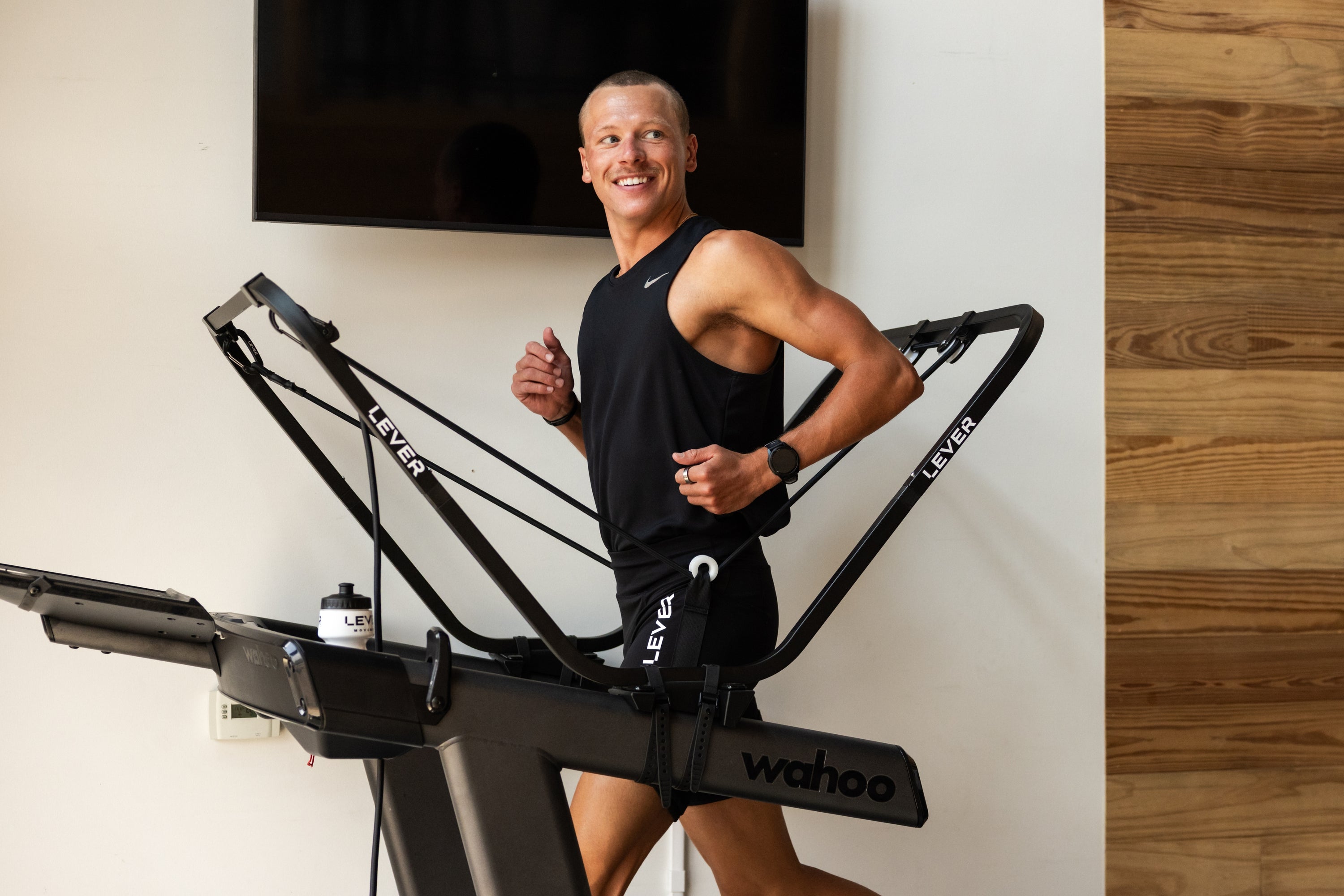
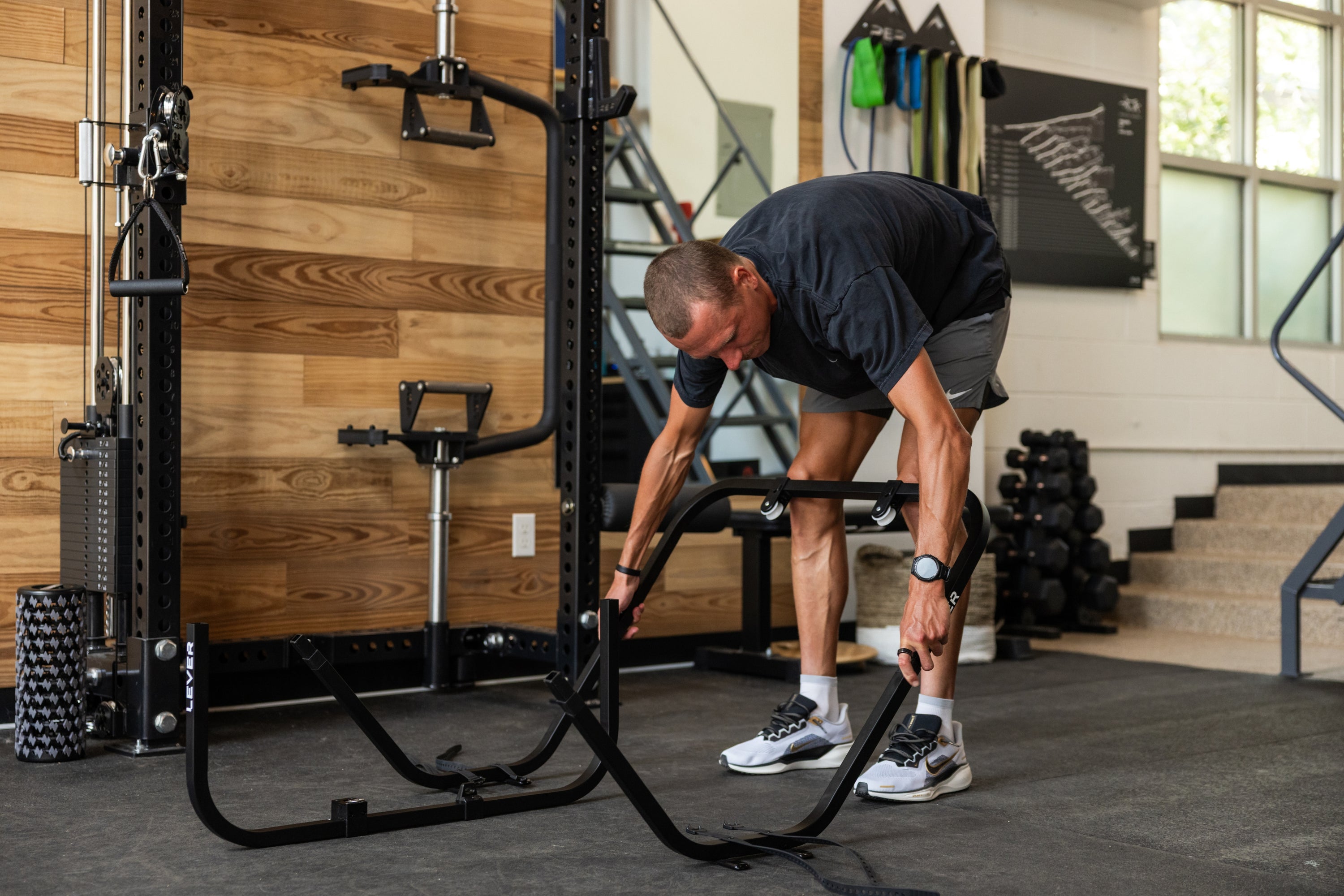
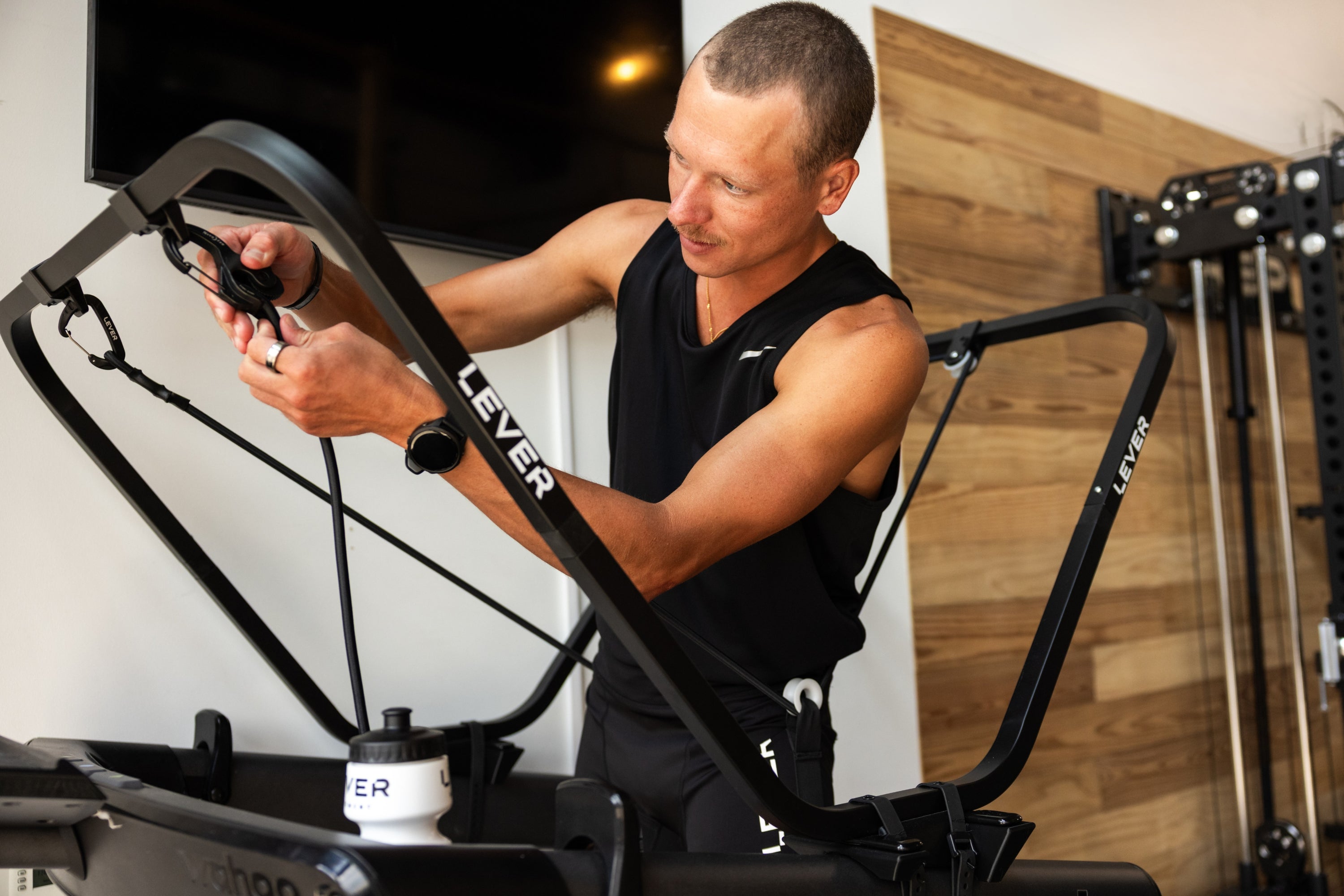
That's the point in a comeback where most runners start looking for anything that might help them stay connected to running while a bone heals. Mantz did the same thing. He found LEVER on his own, bought one, and started using it to keep the running motion alive while he built back toward the Boston Marathon.
The comeback worked, for a while. Then, by his own account, he got a little too eager once things started feeling good again. He stepped away from the LEVER, jumped back into full training, pushed a little past where he should have, and picked up a second stress fracture in March. That injury ended his Boston build entirely. He withdrew from the race three weeks out, closing the book on a streak of eight straight top-seven finishes at major marathons that stretched back to 2022.
Fall through spring, in brief: American record at Chicago (October) → sacral stress fracture, off running into late January → Boston build with LEVER support → return to full training → second stress fracture (March) → withdrawal from Boston (April).
Why Load Management Matters
A bone stress injury like the ones Mantz dealt with is a cumulative loading problem. Bone is living tissue, constantly breaking down and rebuilding in response to the stress placed on it. When training load outpaces that rebuilding process, usually from too much volume, too much intensity, or too little recovery, the bone can't keep up, and a stress reaction becomes a stress fracture. It's rarely one bad run. It's weeks or months of load stacking up faster than the body can adapt.
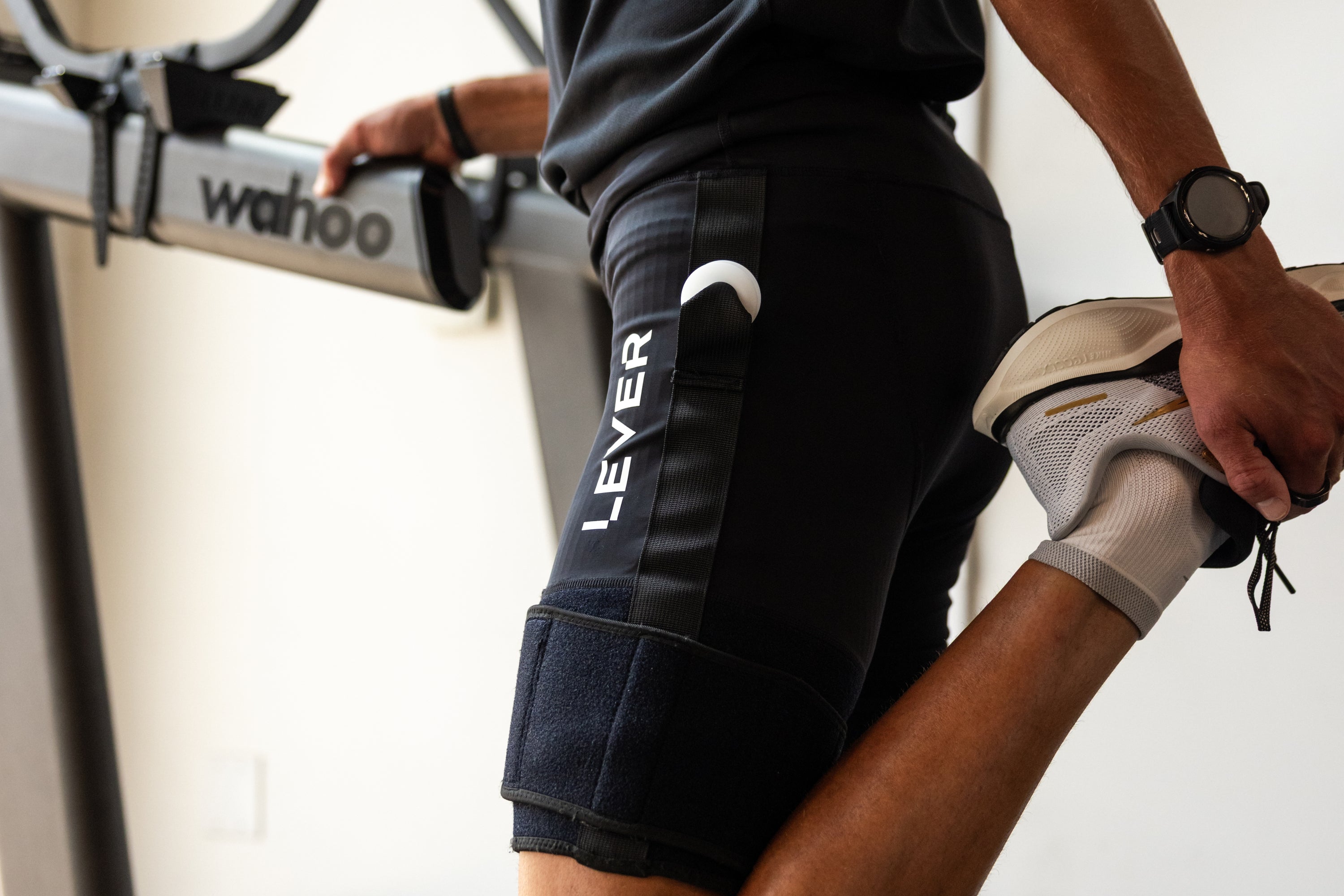
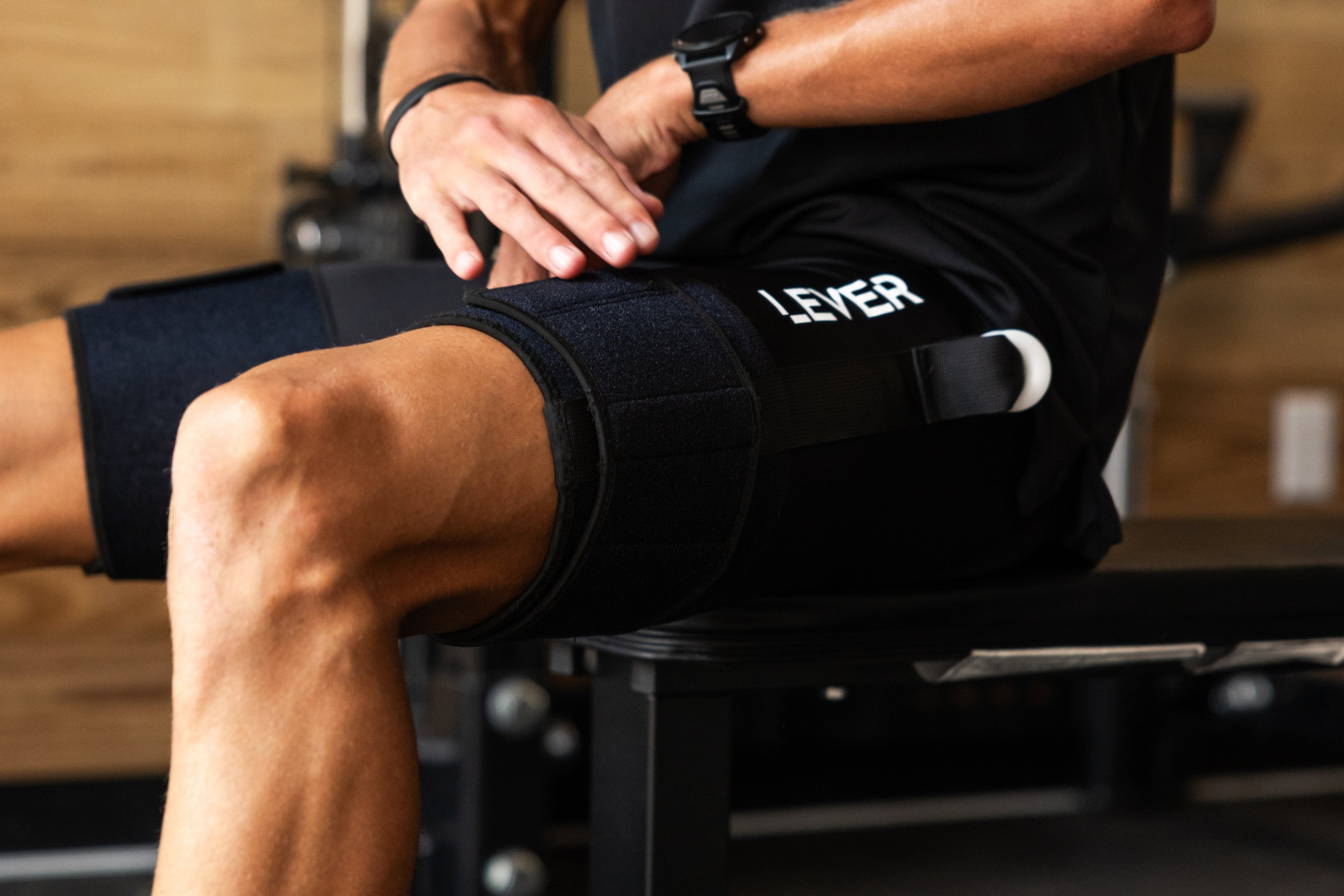
This is why elite runners and their coaches spend so much time thinking about load management for runners, not just mileage. Elite athletes don't avoid hard training. They avoid unnecessary stress on top of it. Reducing impact on easier days, or during a return to running after a stress fracture, lets an athlete keep building aerobic fitness while giving bones, tendons, and connective tissue more room to recover. That's the entire idea behind an unloading treadmill: taking a percentage of body weight off with each stride reduces the ground reaction forces the skeleton has to absorb, without changing the running motion itself. For someone rebuilding after a bone stress injury, that difference can be the gap between a smooth return to running and another setback.
He Bought It Before We Knew His Name
This is the part of the story we keep coming back to. The American record holder in the marathon didn't need us to tell him a LEVER might help. He found it, bought it, and put it to work in his own comeback, first from the sacral fracture last fall, and again this spring after the second one.

In Conner's Own Words
We asked Conner directly about his comeback and how LEVER fit into it. Here's what he told us, in his own words.
On rebuilding after the second stress fracture

On why he first bought a LEVER, back in the fall
On how he's using it now, training toward September's World Road Running Championships
On the biggest benefit
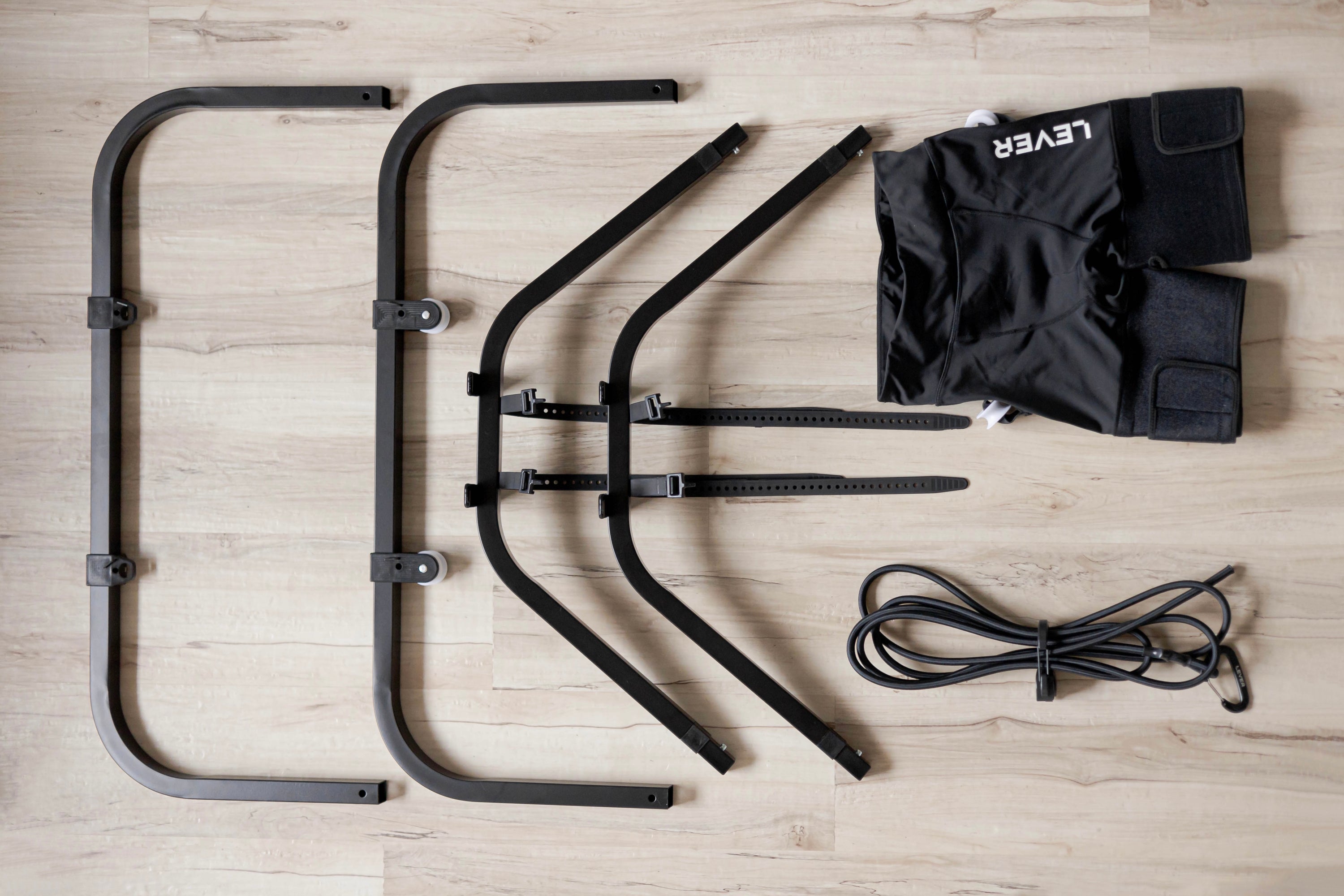
The System Conner Bought Himself
LEVER UP
Unload up to 45 lbs of body weight on any treadmill, so you can keep the running motion alive while an injury heals.
Shop LEVER UPWhere LEVER Fits Now
Mantz is back to full training toward the World Road Running Championships this September, and LEVER hasn't left his routine now that the injuries are behind him. He's running twice a week on it under Eyestone's direction, using it to keep his weekly mileage high after a fall, winter, and spring that didn't go the way either of them planned.
That's the piece we think matters most for the rest of you. LEVER isn't only a return-to-run tool for the worst weeks of an injury. For an athlete coming off a rough stretch, it's a way to keep training volume up while still managing risk, built into a normal week rather than pulled out once the injury is gone.
Every runner's comeback looks a little different. Sometimes progress comes from pushing harder. Other times it comes from training smarter, and knowing when to take some of the impact off the table so the work can keep adding up. For Conner, managing load became part of how he keeps building toward his biggest goals, not a detour away from them.
We're glad to have him on the team. He didn't need us to convince him of anything, and that's a better endorsement than anything we could have written ourselves.