If you have ever finished a long run with legs that feel like concrete, you have probably wondered whether recovery boots are worth it. They show up in every pro's recovery setup and all over your feed, usually with big promises about flushing lactic acid and bouncing back overnight.
So let's be straight about it. Do compression boots actually work?
The honest answer is yes, with realistic expectations. They will not undo a hard training block or replace sleep. But the research does show they can improve blood flow, take the edge off sore legs, and leave you feeling more ready for your next session. For a lot of runners, that is exactly the kind of small, repeatable win that adds up over a season.
Here is what they actually do, what the science supports, and how to get the most out of them.

What compression boots actually do
Compression boots, which you will also see called intermittent pneumatic compression or IPC, are inflatable sleeves that wrap around your legs and squeeze in a wave. Instead of gripping your whole leg at once, separate chambers inflate one after another, starting at your feet and moving up toward your hips.
That foot-to-hip squeeze mimics the way your body naturally moves blood and lymphatic fluid back toward your core. It feels like a slow, rhythmic massage, and mechanically it is doing something real: pushing fluid out of tired legs and pulling fresh, oxygenated blood back in.
The 3 things recovery boots are actually good at
They get your blood moving
This is the most well supported benefit. When those chambers inflate and release, they physically pump blood through your legs. Studies using ultrasound have measured a clear increase in limb blood flow both during and after compression. More circulation means more oxygen and nutrients delivered to muscles that just got hammered, and more waste carried away.
It is also why boots are a favorite after long flights or a full day on your feet, not just after workouts. Anytime your legs feel heavy and pooled, moving that fluid helps.
They can take the edge off sore legs
Delayed onset muscle soreness, the deep ache that shows up 24 to 72 hours after a hard effort, is the thing most runners want gone. Here the research is more mixed, and it is worth being honest about that. Some studies show a meaningful drop in soreness, others show very little.
The most consistent finding across the research is that boots reduce how sore your legs feel, even when their effect on actual muscle damage markers is small. In practice, that feel matters. If your legs feel 20 percent less trashed the morning after a long run, you are far more likely to hit your easy pace instead of shuffling through it.
They help you feel ready to go again
This ties the first two together. The biggest, most consistent benefit in the research is not running faster the moment you step out of the boots. It is perceived recovery, meaning how recovered and ready you feel heading into your next session.
For runners training five, six, or seven days a week, that is the whole game. You are not chasing one magical recovery session. You are trying to string together quality days, week after week, without digging a hole. Anything that helps you show up fresher tomorrow compounds over a training block.
The research in one line: A systematic review of 17 studies found that lower-limb compression delivers a trivial to moderate reduction in perceived soreness and a small benefit to muscle function, with the strongest, most reliable effect being how recovered your legs feel.

A quick reality check
Recovery boots are a helper, not a miracle. Being clear about this actually makes them more useful, because you will use them for what they are good at.
- They will not erase a training load your body is not ready for.
- They are not clearly better than a well-fitted compression sleeve for soreness, they are just far more comfortable and hands-off.
- They do not replace sleep, food, or smart programming. That is still where recovery is actually won.
Think of boots as a way to squeeze more out of good recovery habits, not a shortcut around them.
How to actually use them
You do not need to overthink this. Based on the research, a simple, repeatable session looks like this.
Prop your legs up, put on something you actually want to watch, and let the boots do the work.

Who should use recovery boots?
These are not just for elite athletes. They are useful for anyone who trains hard enough to feel it, including:
- Runners and triathletes
- Cyclists
- Strength and CrossFit athletes
- Team sport athletes
- Anyone rehabbing tired, heavy legs
They also earn their keep after marathons, half marathons, long rides, long travel days, or a full shift on your feet.

Boots work best on top of the basics
Here is the part no one selling recovery gear likes to say out loud: the boots are the finishing touch, not the foundation. The foundation is still:
- Sleep, the single most powerful recovery tool you have
- Hydration and enough protein
- Easy days that are actually easy
- Smart, gradual training progression
Nail those, and recovery boots become a genuine multiplier. Skip them, and no amount of compression will save the week.
Why runners reach for LEVER Recovery Boots
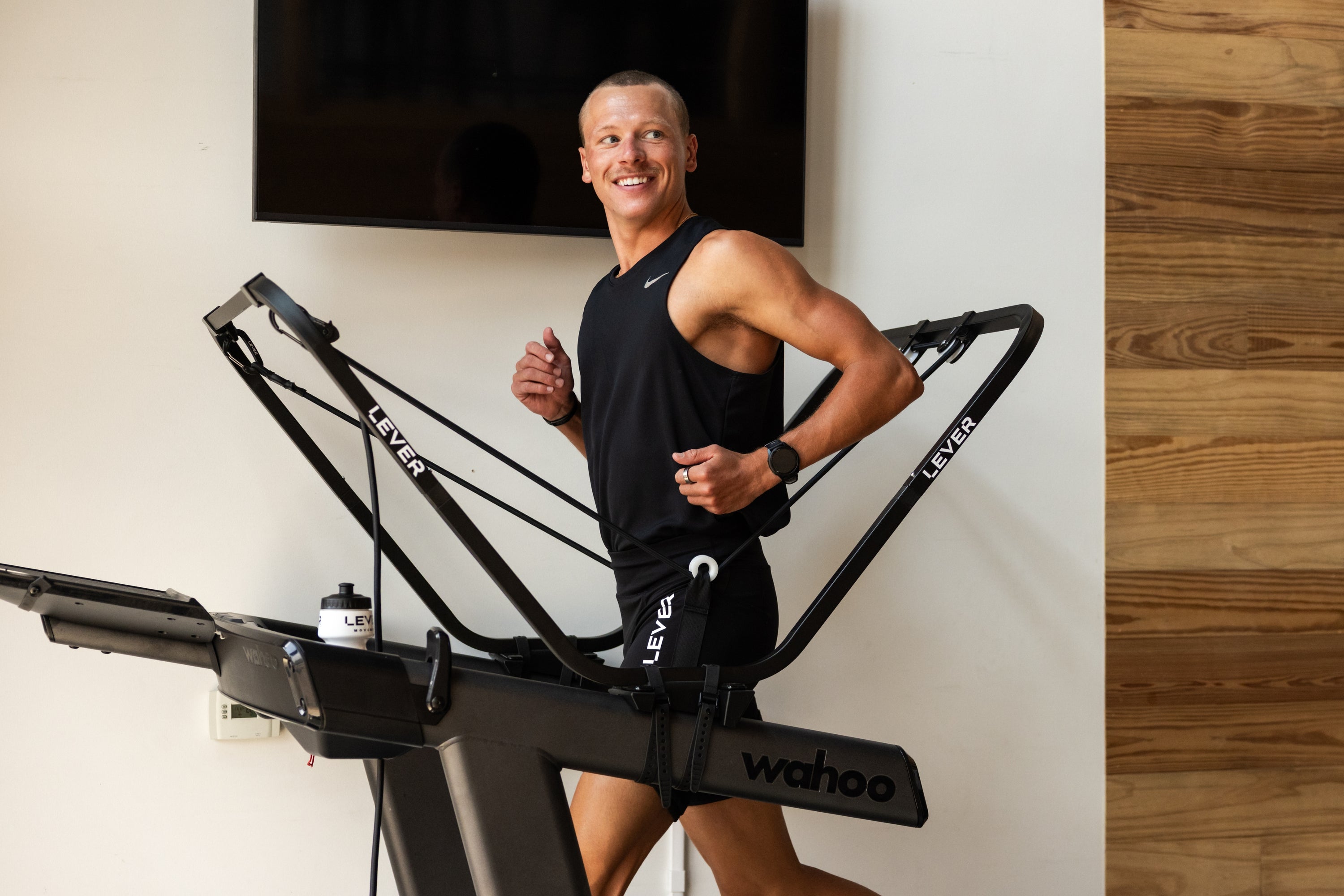
At LEVER, we have spent years helping runners come back from injury and train with less impact through body weight support on the treadmill. Recovery boots are a natural extension of that same idea: help you keep running, feel better doing it, and stay in the sport longer.
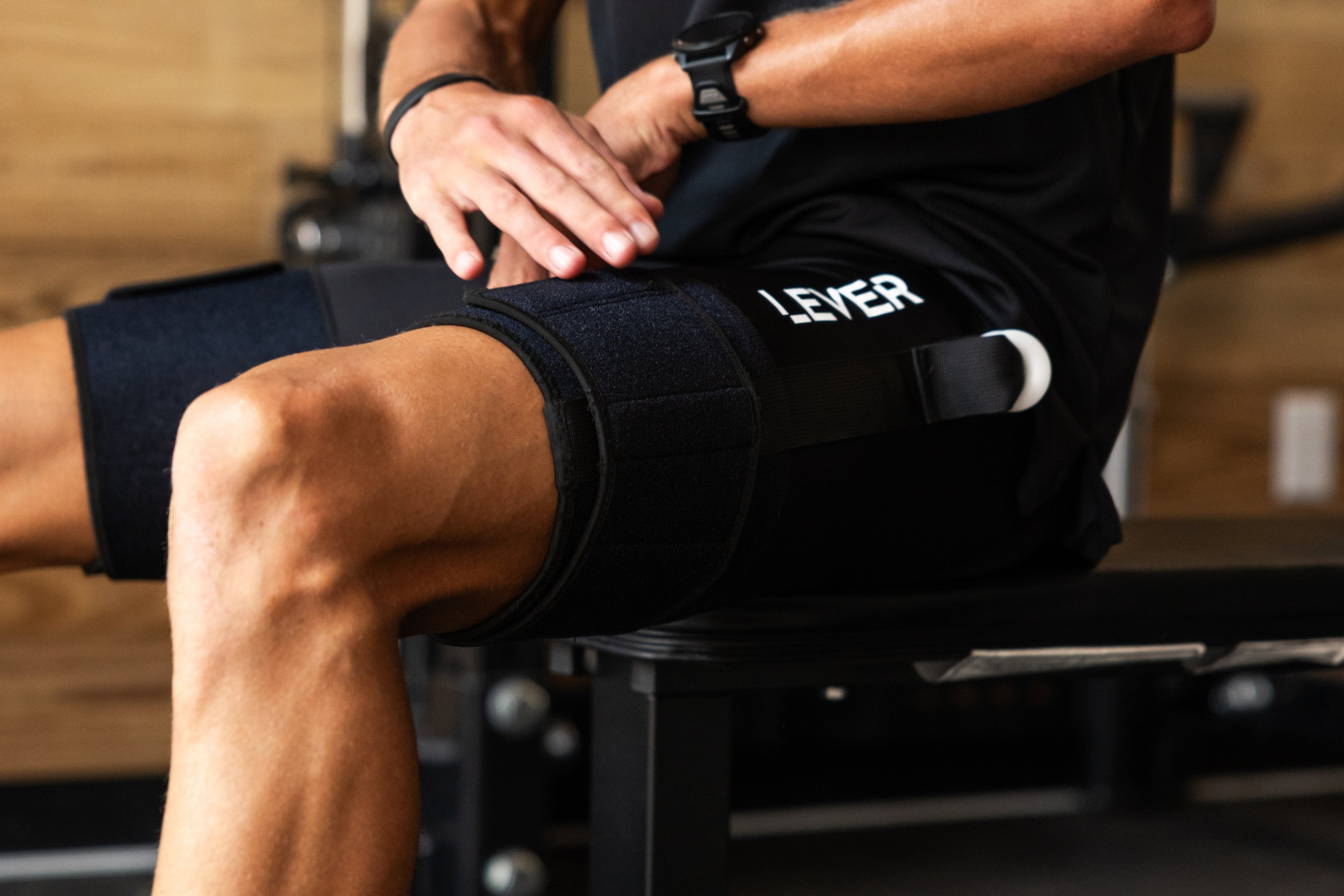
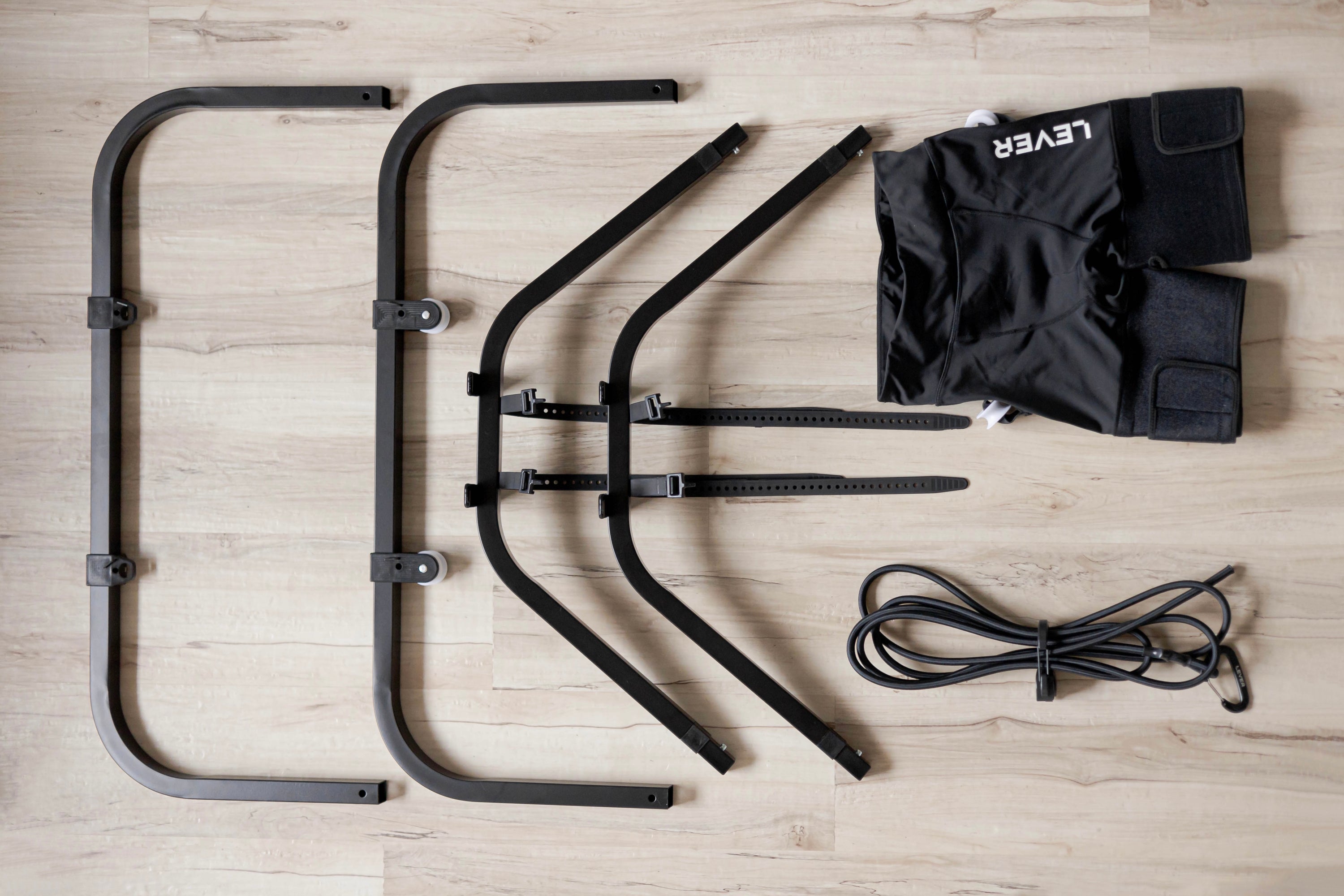
LEVER Recovery Boots are built to make recovery something you will actually do:
- Sequential, wave-like compression from foot to hip
- Adjustable pressure and multiple modes for different training days
- A comfortable, easy fit you can relax in for a full 30 minutes
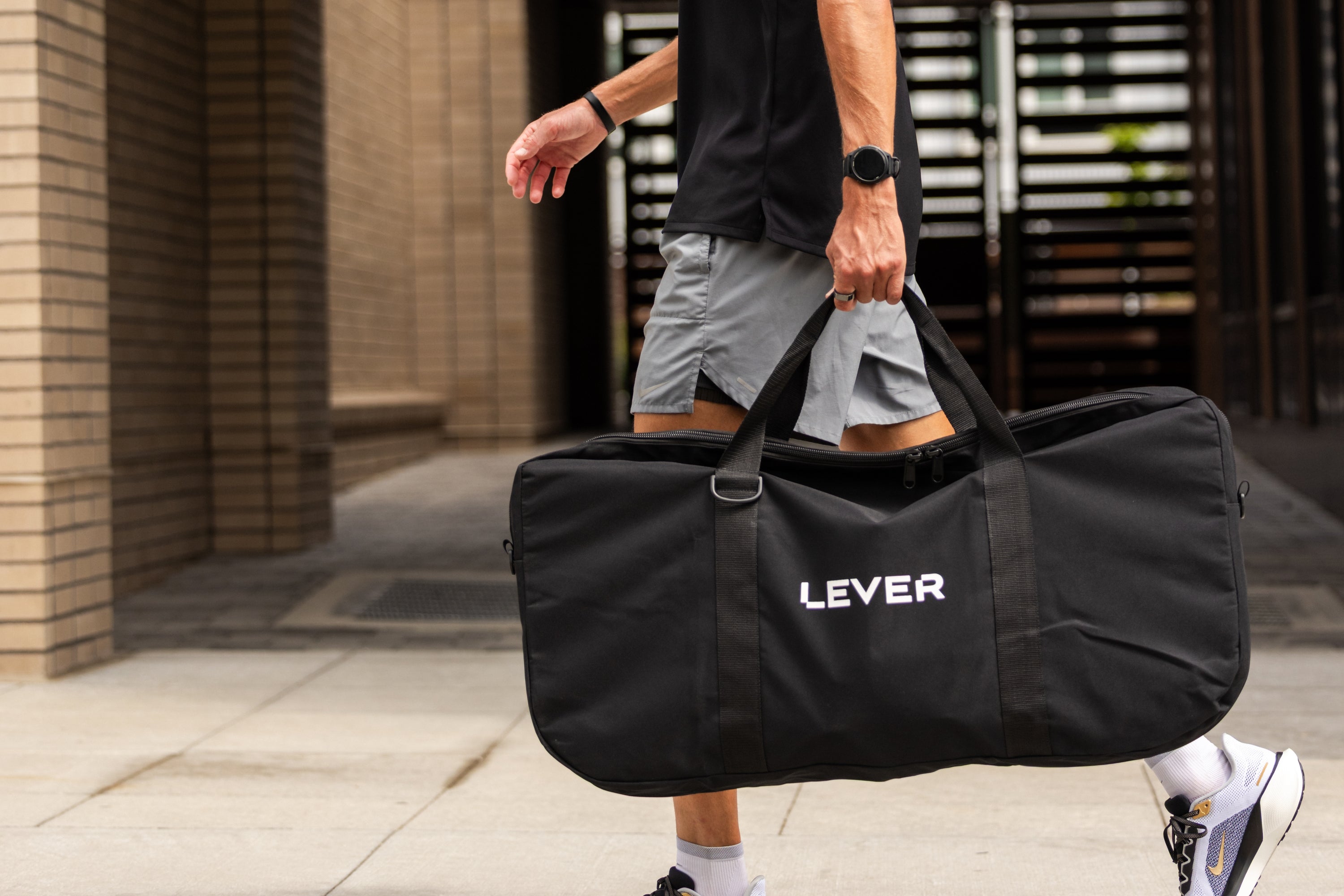
- Portable design that packs into a carry bag for travel and race weekends
- Simple controls, so there is nothing to fuss with after a hard effort

Whether you are flushing your legs after intervals, prepping for tomorrow's long run, or recovering on the road, LEVER Recovery Boots make consistent recovery easy.
Frequently asked questions
Do compression boots actually work?
Yes, with realistic expectations. Research shows they increase blood flow and can reduce how sore and fatigued your legs feel, which helps you feel readier for your next session. They work best alongside good sleep, nutrition, and training, not as a replacement for them.
Are compression boots worth it?
If you train several times a week, race regularly, or constantly battle heavy, sore legs, most athletes find them a worthwhile addition to their routine. A big part of the value is how much easier and more consistent they make recovery.
How long should I use compression boots?
Most sessions run 20 to 30 minutes. Longer is not necessarily better, so a focused half hour after a hard effort is plenty for most runners.
Can I use compression boots every day?
Most healthy athletes can safely use them regularly after training. If you have a circulatory condition, a history of blood clots, or another medical concern, check with a healthcare provider first.
What pressure should I use?
Start moderate and comfortable, then adjust to what feels good. Comfort is a better guide than chasing the highest setting.
The bottom line
Recovery is not about finding one magic tool. It is about consistently doing the small things that let your body absorb your training. Compression boots will not replace sleep or smart programming, but they can move blood, ease sore legs, and help you show up fresher tomorrow.
If your goal is to recover faster, train more consistently, and keep doing what you love, recovery boots are a simple, low-effort win worth adding to the routine.
References
- Effects of lower-limb intermittent pneumatic compression on sports recovery: A systematic review and meta-analysis. Systematic review of 17 studies (319 participants). ncbi.nlm.nih.gov/pmc/articles/PMC11475002
- Enhanced muscle blood flow with intermittent pneumatic compression of the lower leg during plantar flexion exercise and recovery. Journal of Applied Physiology. pmc.ncbi.nlm.nih.gov/articles/PMC5867371
- Gu Z, Dai J, Xu K, et al. Effects of intermittent pneumatic compression on delayed onset muscle soreness and recovery of muscular fatigue. PM&R (2025). doi:10.1002/pmrj.13377. doi.org/10.1002/pmrj.13377
- Draper SN, et al. Effects of intermittent pneumatic compression on delayed onset muscle soreness (DOMS) in long distance runners. International Journal of Exercise Science. 2020;13:75-86.
- The effects of intermittent pneumatic compression on the reduction of exercise-induced muscle damage in endurance athletes: A critically appraised topic. Journal of Sport Rehabilitation (2021). journals.humankinetics.com
This article is for general educational purposes and is not medical advice. If you have a circulatory condition, a history of blood clots, or any medical concern, talk with a qualified healthcare provider before using compression boots.