Improving your running speed isn’t about pushing harder every day. In fact, research consistently shows that performance gains come from structured variation, progressive overload, and intelligent recovery not constant high intensity.
Yet many runners train without a clear framework. They run at similar paces, rarely monitor physiological trends, and adjust training based on how they feel that day. Over time, this approach leads to plateaus or injury.
So what actually improves running speed? Let’s look at what exercise science tells us and how to apply those principles in a measurable, sustainable way.
1. Build Aerobic Capacity First
Endurance performance is built on aerobic efficiency. According to the American College of Sports Medicine (ACSM), improvements in aerobic capacity are strongly linked to consistent moderate-intensity training performed over time.
Additionally, research published and supported by the World Health Organization emphasizes that structured aerobic activity improves cardiovascular efficiency, mitochondrial density, and metabolic function all of which contribute to improved pace sustainability.
In practical terms, this means:
-
Easy runs should make up a significant portion of your weekly volume.
-
These runs should feel conversational.
-
Heart rate should remain in lower aerobic zones.
Over time, runners should see one of two adaptations:
-
Lower heart rate at the same pace
-
Faster pace at the same heart rate
Tracking this trend consistently is one of the clearest indicators of aerobic development.
This is where many runners fall short not because they train incorrectly, but because they don’t measure these adaptations week to week.

2. Polarized Training Improves Speed
One of the most influential bodies of research on endurance training comes from exercise physiologist Stephen Seiler. His work on “polarized training” suggests that endurance athletes improve most effectively when they structure training with:
-
A large percentage of low-intensity work
-
A small but deliberate amount of high-intensity work
Instead of training at moderate intensity every day, faster runners distribute their efforts strategically.
High-intensity interval sessions stimulate improvements in VO₂ max and neuromuscular efficiency. But these sessions only drive adaptation if recovery and low-intensity volume are sufficient.
This means improvement isn’t about “running hard more often.” It’s about separating training stimuli and allowing physiological systems to adapt properly.
When runners begin to monitor interval consistency split times, heart rate response, recovery between efforts they gain insight into how well their body is adapting to speed work.
3. Threshold Training Enhances Sustainable Pace
Tempo or threshold running sustained efforts just below maximal intensity — improves lactate threshold. This allows runners to maintain faster speeds for longer durations.
The National Strength and Conditioning Association highlights threshold development as a key variable in endurance performance progression.
These efforts are typically described as:
-
“Comfortably hard”
-
Sustainable for 20–40 minutes
-
Challenging but controlled
Progression in threshold work should be gradual:
-
Extend duration before increasing pace
-
Monitor heart rate stability
-
Assess perceived exertion alongside objective metrics
The key is not just completing tempo sessions but reviewing trends over weeks. Are you holding the same pace with less strain? Is cardiac drift decreasing? These patterns indicate meaningful improvement.
4. Strength Training Reduces Injury and Improves Economy
Speed isn’t just cardiovascular. Running economy the energy cost of maintaining a given pace is heavily influenced by muscular strength and neuromuscular coordination.
Multiple peer-reviewed studies have shown that resistance training improves running economy and time trial performance, particularly in recreational runners.
Strength training enhances:
-
Force production
-
Tendon stiffness
-
Movement efficiency
-
Injury resilience
Two sessions per week focusing on posterior chain, core stability, and single-leg strength can significantly improve performance markers over time.
However, many runners fail to correlate strength sessions with performance outcomes. Without logging both modalities in one place, patterns between fatigue, soreness, and pace improvements are difficult to see.

5. Recovery Is a Performance Variable
Adaptation happens during recovery not during the workout itself.
Markers of insufficient recovery include:
-
Elevated resting heart rate
-
Reduced interval consistency
-
Higher perceived effort at normal pace
-
Lingering muscular fatigue
The ability to monitor trends across sessions rather than relying solely on daily perception is essential for long-term progression.
Research across endurance populations consistently shows that structured load management reduces injury risk and improves sustained improvement.
The fastest runners are not simply those who train hardest they are those who manage load most intelligently.
6. Managing Impact to Support Progression
One of the most overlooked variables in running performance is mechanical load. While aerobic fitness and cardiovascular development are essential, the limiting factor for many runners is not their lungs or heart it’s the ability of their muscles, tendons, and joints to tolerate consistent training.
Research in endurance sports consistently shows that injury risk increases when training load rises faster than tissue adaptation. This is particularly relevant when introducing speed work, increasing weekly mileage, or returning from injury.
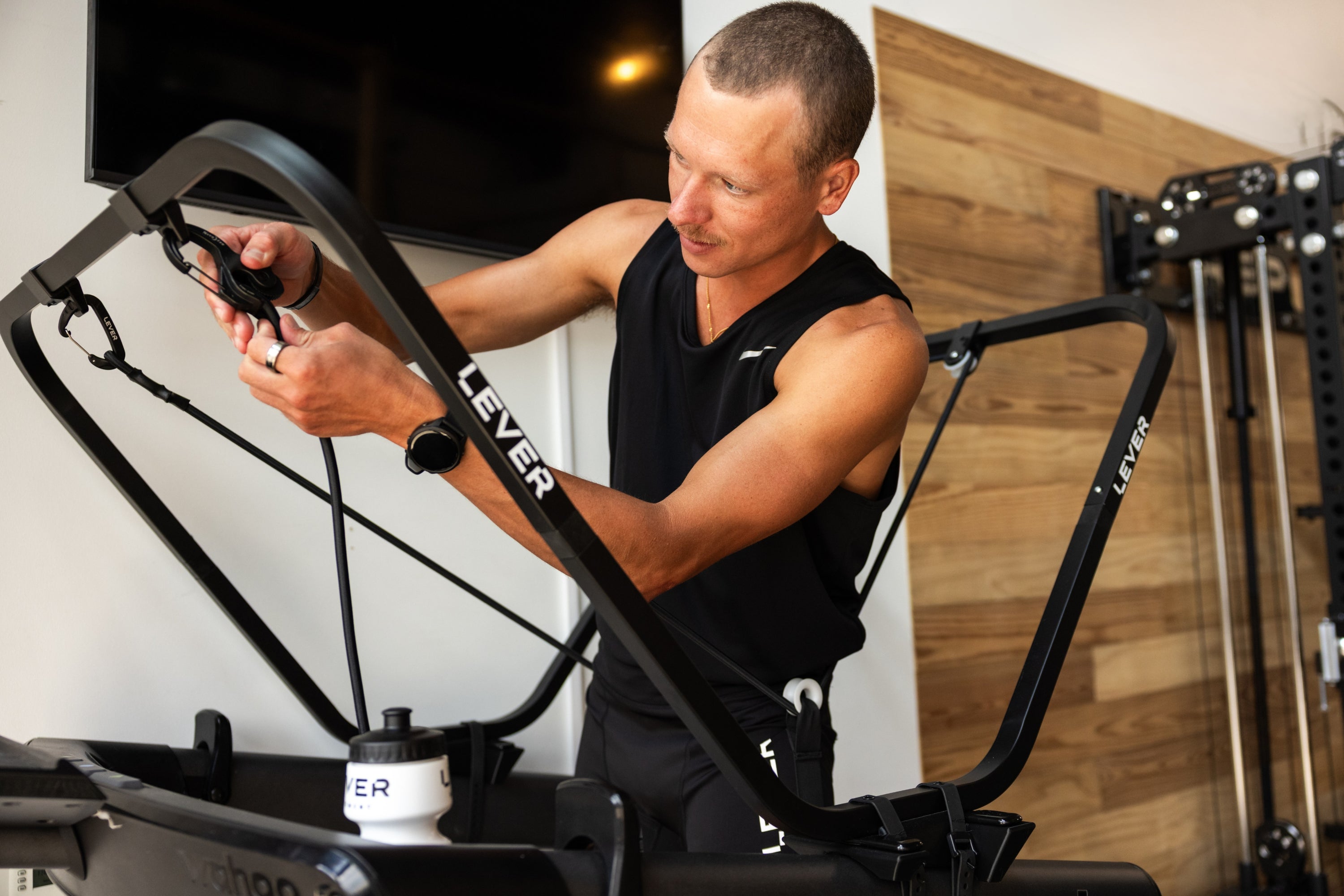
This is where strategies that reduce impact while maintaining aerobic stimulus can be valuable.
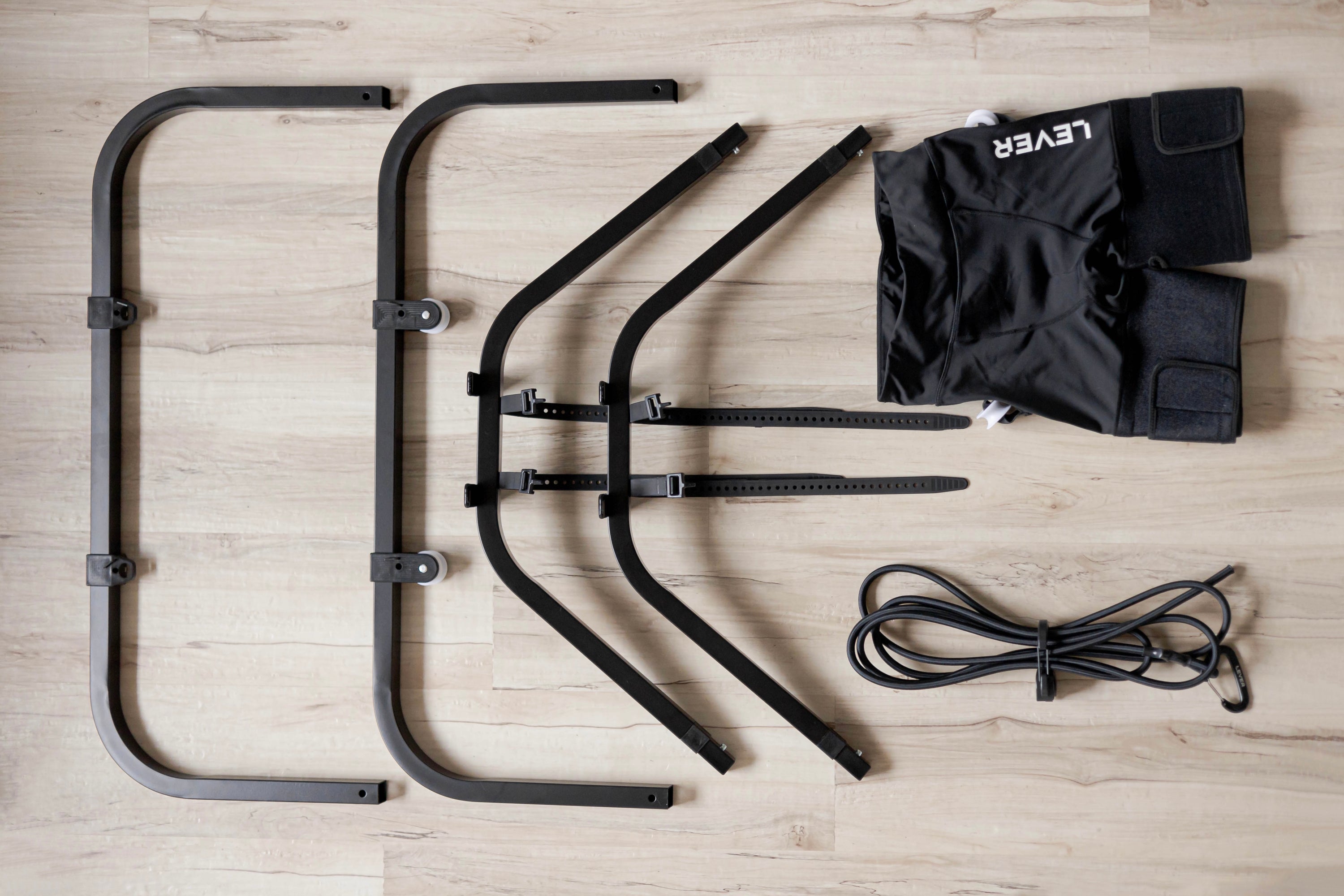
Body weight support systems allow runners to continue training while temporarily lowering mechanical stress. By reducing ground reaction forces, runners can:
- Maintain aerobic volume during injury or recovery
- Introduce faster paces with less strain on the body
- Increase weekly mileage without exceeding tissue tolerance
- Improve running mechanics and cadence in a controlled environment
- Support a gradual return-to-run progression
For example, runners can perform threshold or interval sessions with partial body weight support to preserve neuromuscular stimulus while minimizing cumulative fatigue. Over time, load can be progressively reintroduced as the body adapts.
This approach aligns with modern load management principles used across professional endurance sport. Rather than stopping training when the body shows early signs of overload, athletes can adjust mechanical stress while continuing to build fitness.
How LEVER Fits Into a Science-Based Training Plan
LEVER was designed to make these strategies accessible outside of elite training centers. By integrating body weight support into everyday training, runners can apply the same progressive overload and load management principles used by high-performance programs.
This is especially useful for:
• Runners increasing mileage
• Athletes returning from injury
• Masters runners managing recovery
• Triathletes balancing high overall training volume
• Anyone looking to train consistently with less risk of overload
Instead of guessing when to push and when to back off, runners can adjust support levels and monitor how their body responds across weeks.
When combined with structured aerobic training, threshold progression, strength work, and intelligent recovery, this creates a more sustainable path to improving speed.
Bringing It Together: A Structured Week
A science-informed weekly structure typically includes:
-
2–3 aerobic base runs
-
1 interval or VO₂ max session
-
1 tempo or threshold session
-
1–2 strength sessions
Progression should occur in small increments:
-
Increase volume gradually
-
Increase intensity selectively
-
Avoid raising both simultaneously
Most importantly, each week should end with a review.
Without reviewing training data, it’s impossible to know whether adaptations are occurring.

Where Measurement Changes the Outcome
Training science gives us the blueprint.
But implementation requires visibility.
When runners track:
-
Pace trends
-
Heart rate efficiency
-
Fatigue indicators
-
Interval consistency
-
Strength session load
They shift from reactive training to intentional training.
LEVER allows runners to consolidate these variables in one place, making it easier to identify whether aerobic efficiency is improving, whether intervals are becoming more consistent, and whether recovery patterns support progression.
The goal is not just to run more but to train with feedback.
The Takeaway
Running faster is not a mystery.
Research consistently points to:
-
Aerobic development
-
Strategic intensity distribution
-
Threshold progression
-
Strength integration
-
Load management
The difference between stagnation and improvement often comes down to measurement and consistency.
When training is structured and reviewed, progress becomes visible and sustainable.