If you’ve been dealing with Achilles pain that just won’t go away, you’re not alone—and more importantly, there’s usually a clear reason why.
In this guide, Dr. Kate, a physical therapist who works closely with runners and endurance athletes, breaks down why Achilles tendon issues tend to linger and what actually needs to change to fix them.
One of the biggest problems she sees is this: Your Achilles tendon never fully rebuilds its capacity. Or if it does, it never exceeds it.
That means every time you return to normal training, you’re still operating right at your limit and the cycle of pain continues. The good news is that this is fixable.
But it requires a shift in how you think about rehab, strength, and what your tendon actually needs to handle the demands of running.
Running Isn’t Rehab (And Why That Matters)
One of the most common misconceptions runners have is thinking that running itself will fix Achilles pain.
But as Dr. Kate explains, running is not rehab. Running is the activity that loads the tendon. While it can create some adaptation, it’s not enough to rebuild the capacity your tendon needs to stay healthy long-term. That’s why structured rehab is essential.
The foundation of Achilles rehab is progressive loading exercises, ideally performed at the highest load you can tolerate. That’s what actually drives meaningful improvement.
The Real Goal of Achilles Rehab
The goal isn’t just to reduce pain. It’s to close the capacity gap that caused the injury in the first place.
Dr. Kate breaks this down into three key areas:
-
Tendon tolerance → the ability to handle load without flare-ups
-
Strength and endurance → especially through the calf complex
-
Power and elasticity → the “spring” needed for efficient running
Research shows that runners with Achilles tendinopathy can have strength deficits as high as 44%, which is significant.
And one of the most overlooked pieces of rehab is power that elastic component that directly translates to running performance.
The Non-Negotiables of Achilles Rehab
There are a few key principles that Dr. Kate emphasizes for every runner going through Achilles rehab.
Train Single Leg
Running is a single-leg activity.
If you’re only doing double-leg exercises, one side can compensate for the other—meaning you’re not fully addressing the issue.
Train Both Straight and Bent Knee
You need to include:
-
Straight leg calf raises
-
Bent knee calf raises
Both are essential for targeting different parts of the calf complex.
Progress Your Load
A common mistake is keeping rehab completely pain-free and never increasing difficulty. If you don’t progressively load the tendon, it won’t adapt and you’ll plateau.
Train Through the Range You Need
This includes progressing to deficit calf raises, not just stopping at ground level.
For insertional Achilles issues, this may need to be introduced gradually, but it’s still an important step.
Be Consistent
Rehab should be done at least 3 times per week, especially in the early stages.
Consistency is what builds capacity over time.
Why the Soleus Muscle Is So Important
One of the biggest gaps Dr. Kate sees in rehab programs is a lack of focus on the soleus muscle.
While the gastrocnemius is the more visible calf muscle, the soleus:
-
Has a large cross-sectional area
-
Produces significant force
-
Plays a major role in running
In fact, it can contribute more force than many major lower-body muscles. To properly target it, you need to include bent knee calf raises. Skipping this is a major limitation in many rehab programs.
The 4 Types of Exercises You Need
A complete Achilles rehab program should include four key types of loading.
1. Isometrics (Static Holds)
These are useful when the tendon is more sensitive.
They:
-
Allow you to load the tendon
-
Tend to be less aggravating
But they still need to be progressed over time.
2. Heavy Strength
This is one of the most important parts of rehab.
Key principles:
-
Low reps
-
Slow tempo
-
High load
Even early on, many runners can tolerate more heavy strength work than they expect especially when movements are controlled.
3. Muscular Endurance
This includes higher-rep work like:
-
3–4 sets
-
8–12+ reps
This helps build the endurance needed for longer runs and sustained effort.
4. Plyometrics (Later Stage)
These involve the stretch-shortening cycle.
Think:
-
Hopping
-
Jumping
-
Reactive movements
These directly replicate running and help restore that elastic “spring.”
They should be introduced later once the tendon can tolerate them.
Pain During Rehab: What’s Acceptable?
Pain doesn’t mean you’re doing damage but it still needs to be managed.
Dr. Kate recommends using a general guideline of:
-
Up to 5/10 pain during and after exercise
The key is making sure symptoms:
-
Don’t progressively worsen
-
Stay within your personal tolerance
These guidelines should always be adjusted based on how your body responds.
How to Combine Rehab With Running
If you’re still running while rehabbing your Achilles, how you structure things matters.
Dr. Kate recommends:
-
Run first
-
Do rehab after
This helps manage total load more effectively.
You also want to:
-
Allow proper recovery between sessions
-
Monitor how your symptoms respond
-
Adjust your program as needed
The goal is to load the tendon enough to improve but not so much that you overload it.
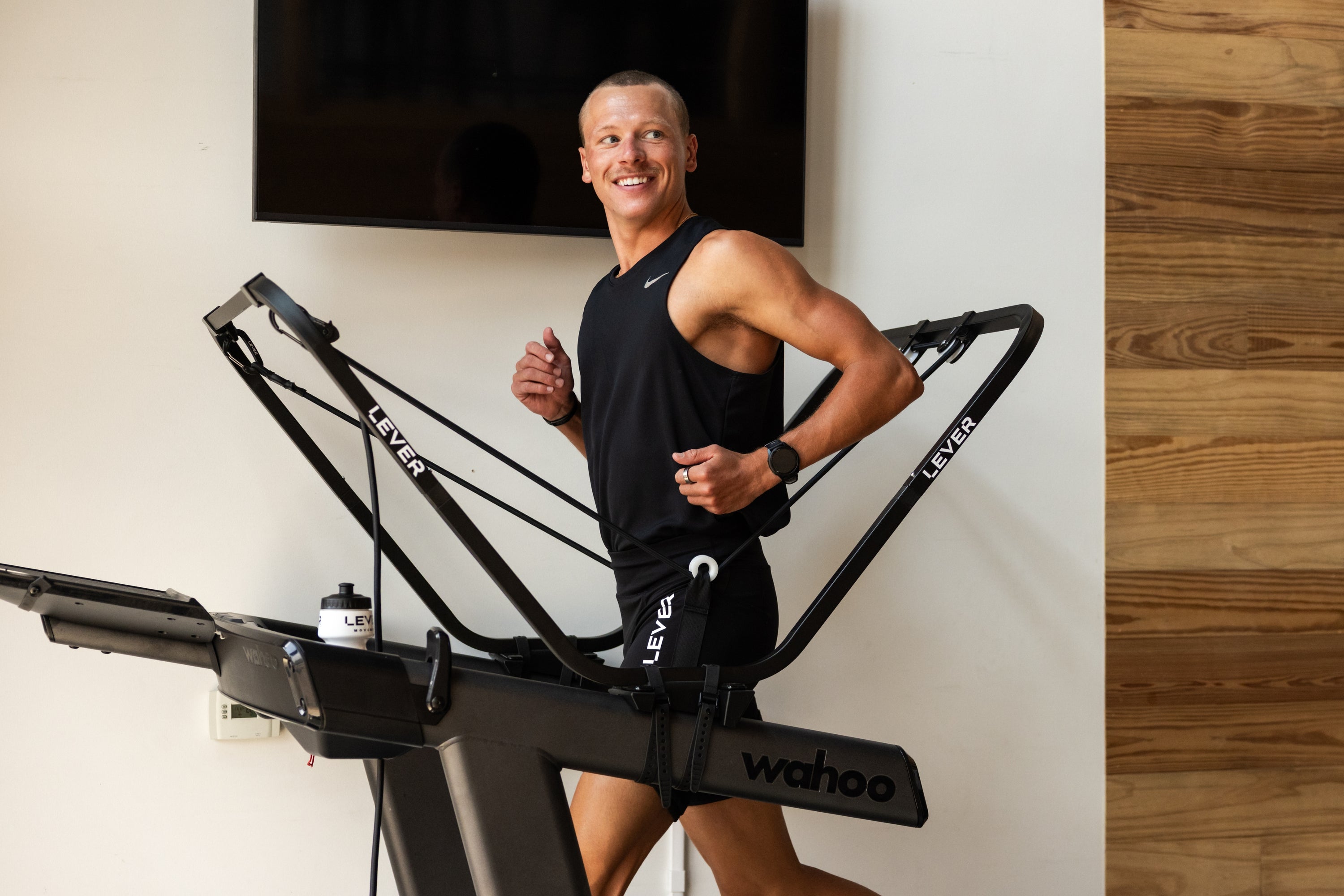
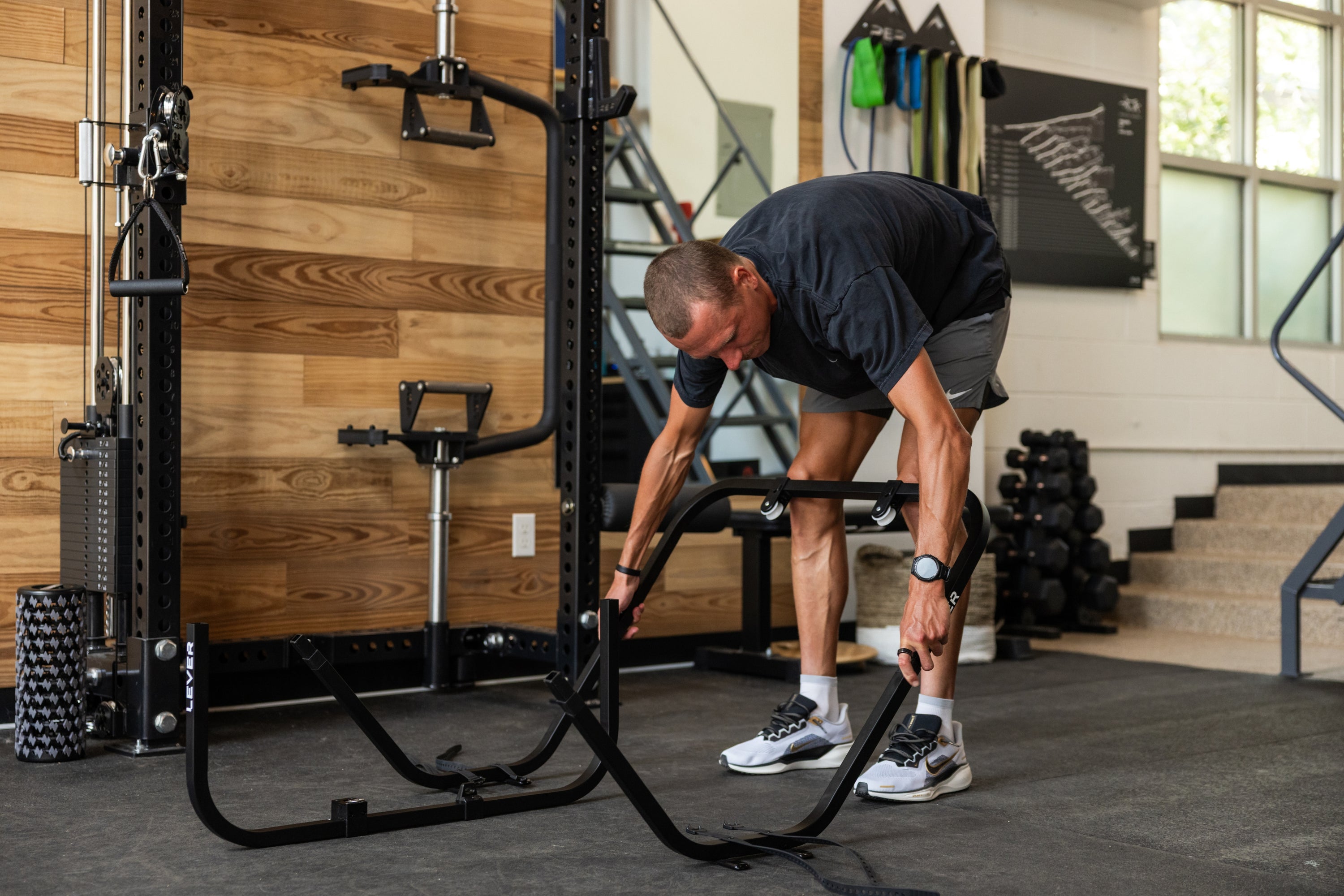
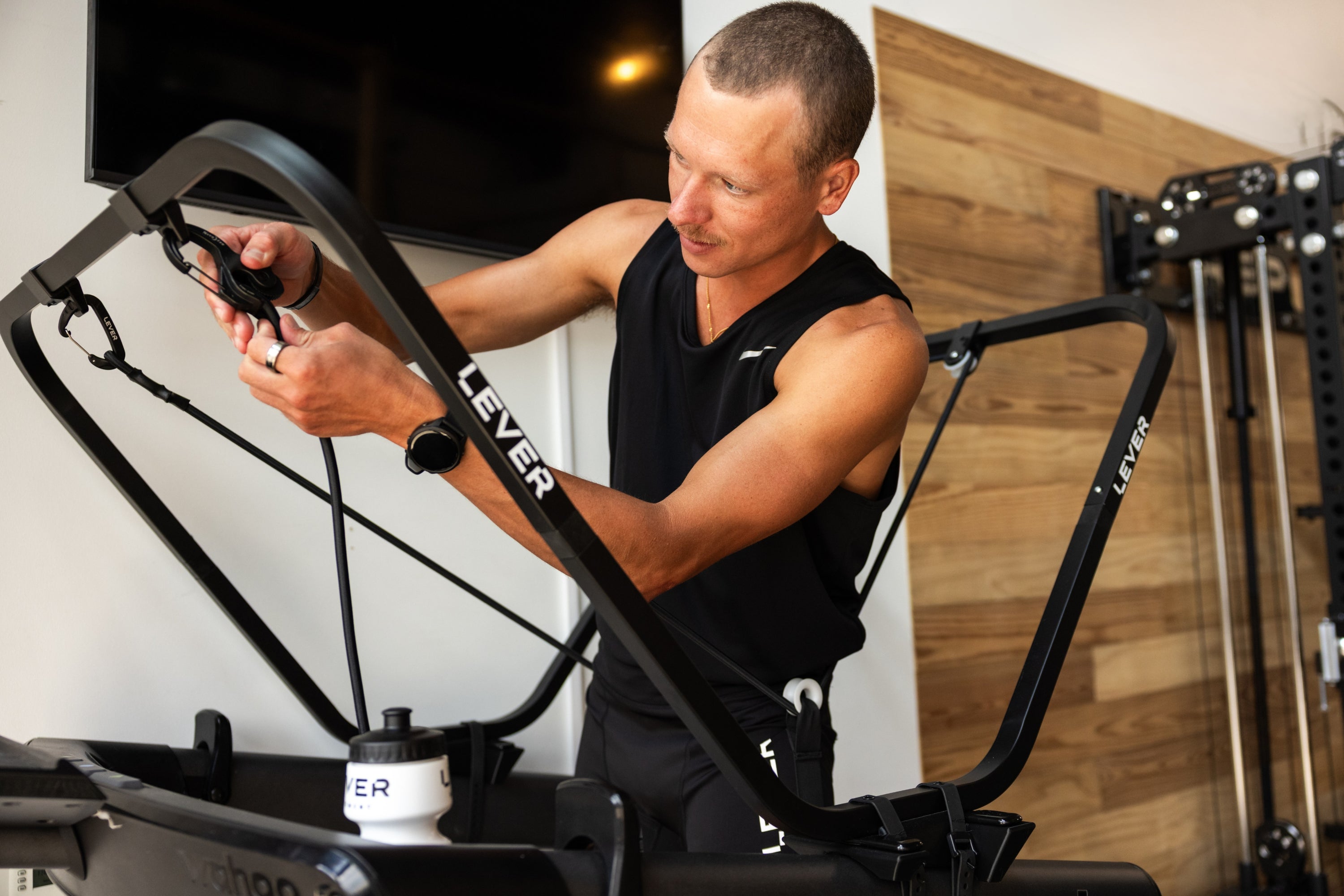
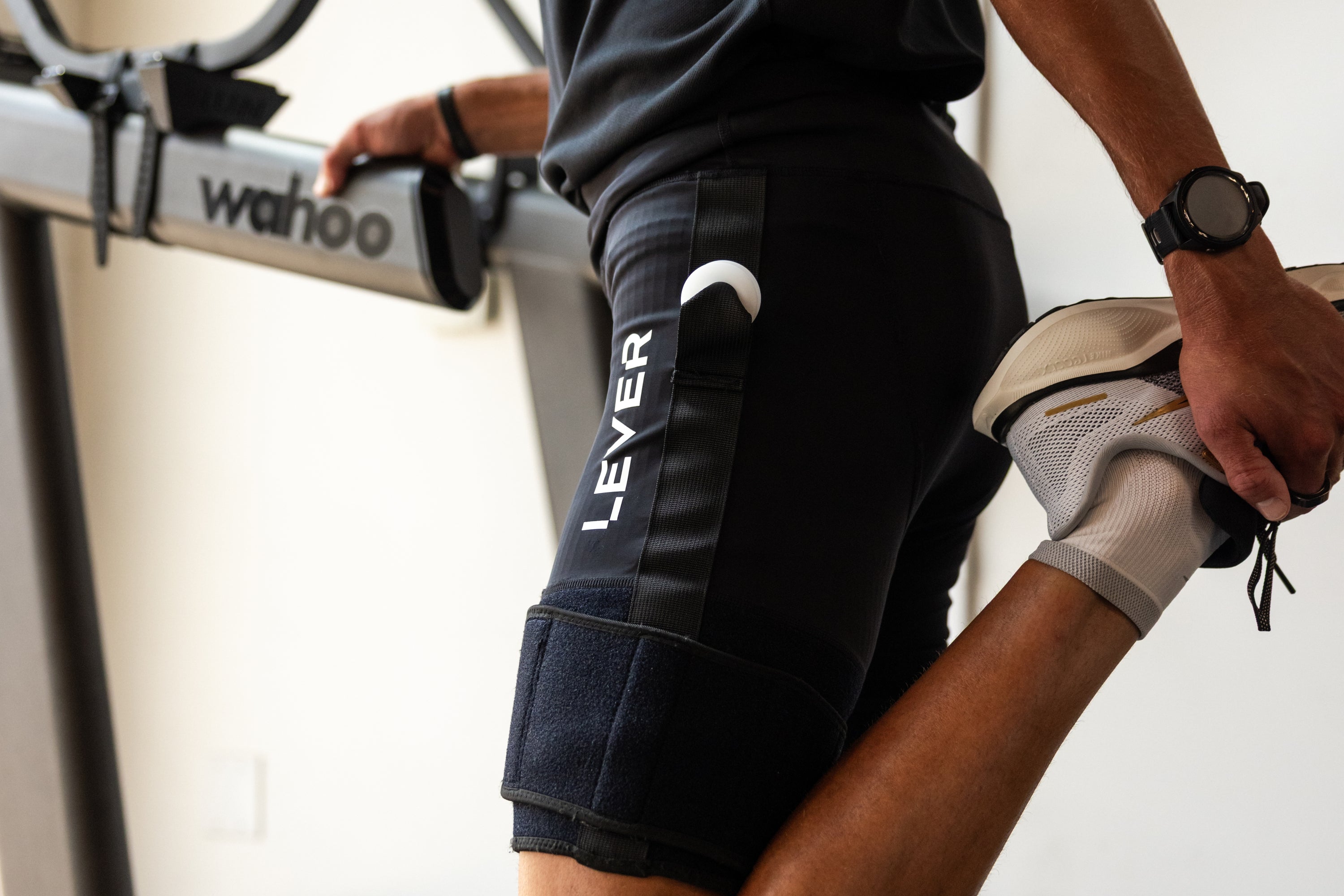
Where Tools Like LEVER Can Fit In
One of the biggest challenges during Achilles rehab is finding the balance between keeping your running consistent and not overloading the tendon.
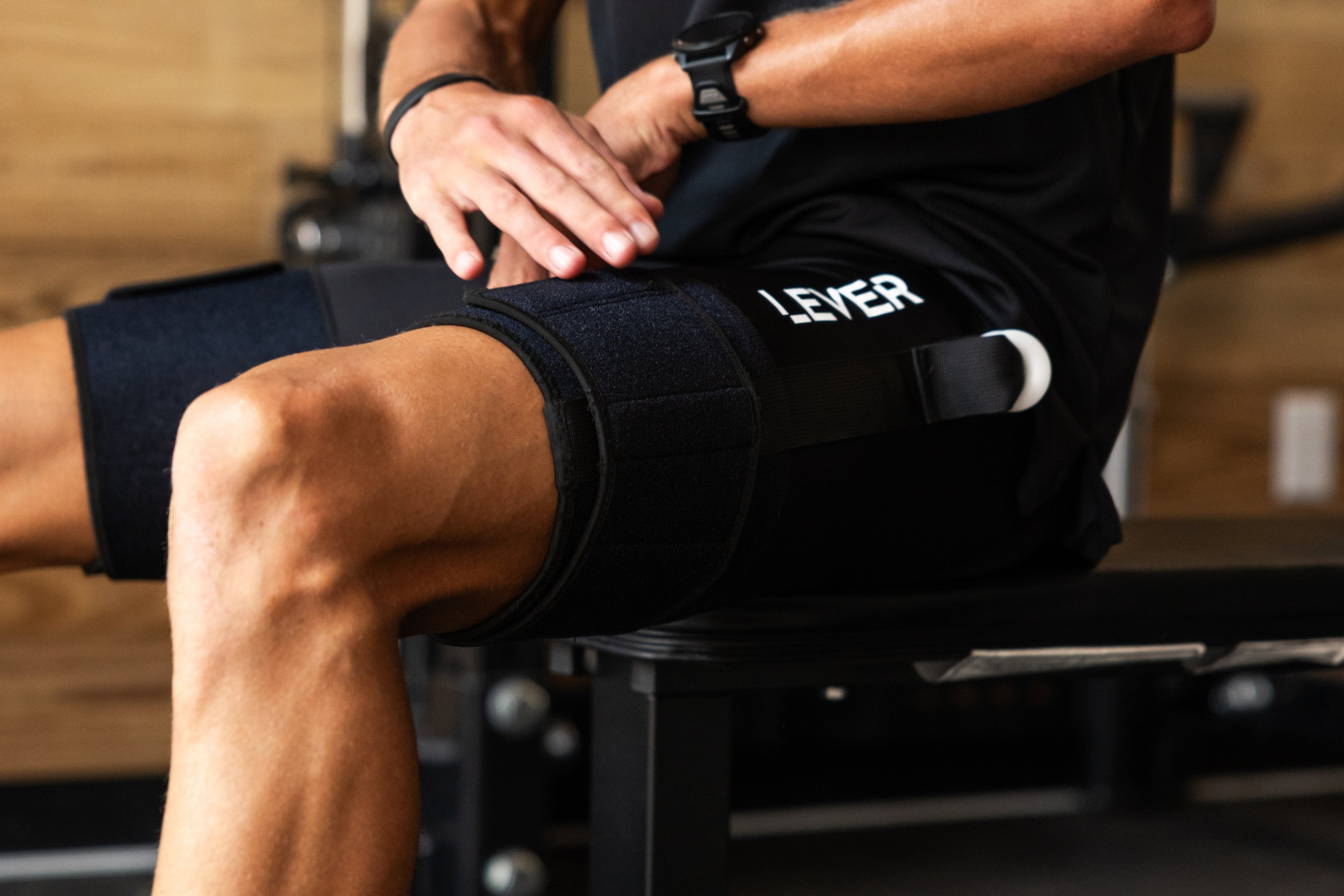
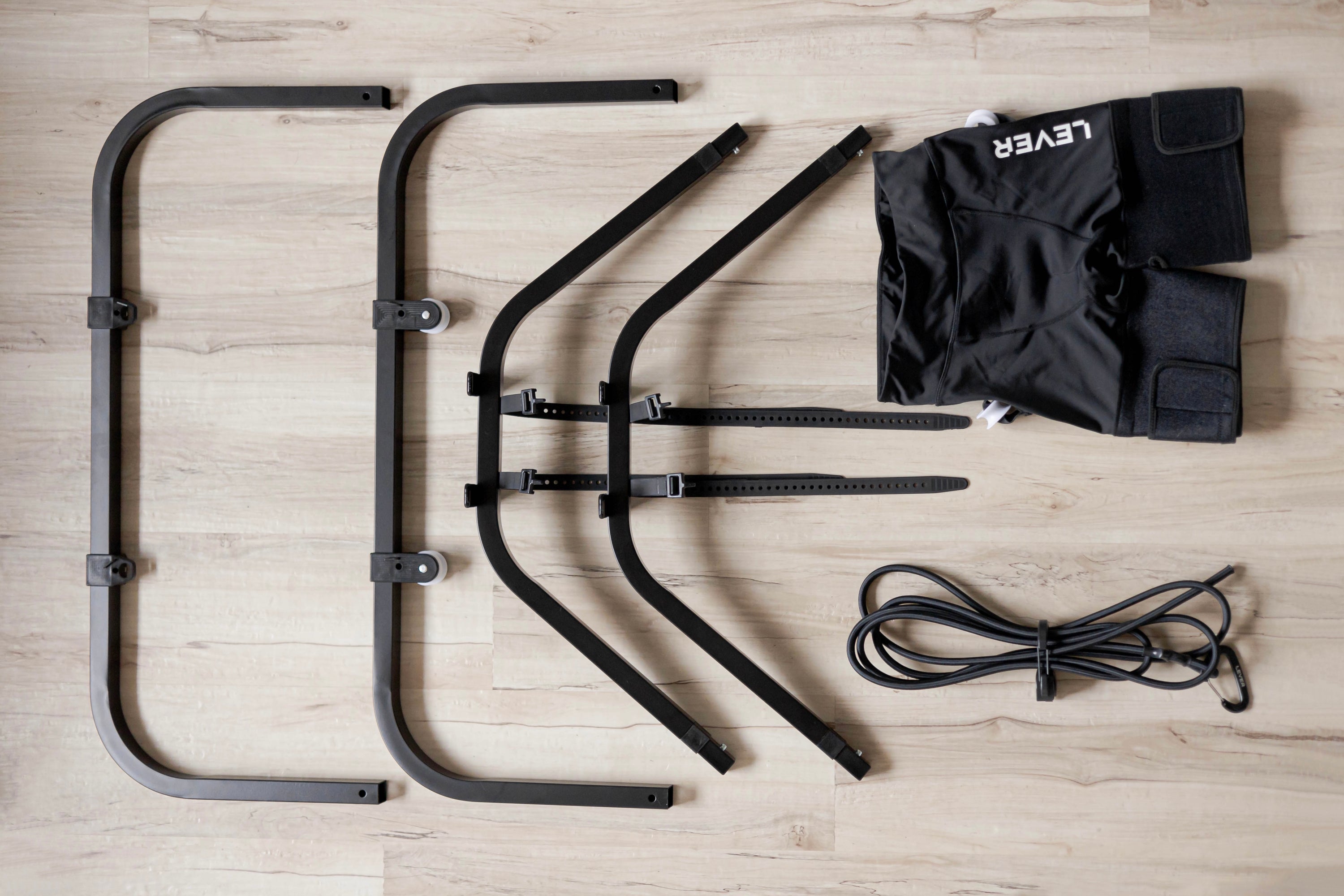
This is where tools that reduce load—like body weight support systems—can play a helpful role.
As Dr. Kate explains, running itself is still a form of loading. So if your tendon isn’t yet able to tolerate full body weight at your normal training volume, reducing that load can help you stay active while your capacity builds.
Using body weight support allows you to:
-
Maintain your running frequency
-
Reduce stress on the Achilles tendon
-
Stay within your pain guidelines
-
Gradually reintroduce full loading over time
Instead of completely removing running, it gives you a way to modify the stress placed on the tendon, which can be especially useful during more sensitive phases of rehab.
Like any tool, it’s not a replacement for strength work or progressive loading but it can help bridge the gap between where you are now and where you want to be.
Other Factors That Can Influence Recovery
While rehab exercises are the foundation, there are other factors that can support your progress.
These include:
-
Strength work for hips, quads, and hamstrings
-
Small cadence adjustments (around 5%)
-
Sleep and stress management
There are also treatments like:
-
Massage
-
Acupuncture
-
Dry needling
-
Flexibility work
These can be helpful additions, but they are not the main solution. They’re what Dr. Kate refers to as adjuncts, meaning they support the process but don’t replace proper loading and strength work.
Achilles pain doesn’t linger because it’s random it lingers when the tendon never fully rebuilds the capacity needed to handle your training.
As Dr. Kate emphasizes, the goal isn’t just to manage symptoms, but to progressively load and strengthen the tendon so it can tolerate the demands of running again.
That means focusing on:
-
Consistent, progressive strength work
-
Training both straight and bent knee positions
-
Building strength, endurance, and power
-
Staying within pain guidelines while still challenging the tendon
When done correctly, rehab isn’t about avoiding load it’s about applying the right amount of load at the right time.
And that’s what ultimately gets you back to running stronger, more resilient, and able to handle more than before.