The Science of Adaptation, Fatigue, and Staying Consistent
Most runners think of recovery runs as optional. Easy miles. Something you do when you are not training hard.
From a physiological perspective, this is a misunderstanding of how adaptation actually works.
Training does not make you fitter. Training creates stress. Recovery is where adaptation occurs. Without sufficient recovery, stress simply accumulates as fatigue, movement quality declines, and performance eventually stagnates or regresses.
Recovery runs are not designed to improve fitness in the moment. They are designed to protect the quality of the training that actually does.
Understanding this difference is one of the most important steps an athlete can take toward long-term consistency, durability, and performance.
This matters whether you are building base mileage, preparing for a race, managing recurring soreness, or simply trying to train consistently without breaking down.
What “Recovery” Actually Means in Exercise Physiology
In training science, recovery is not passive rest. It is an active biological process involving the repair and reorganization of multiple systems.
After hard training, the body must restore glycogen, repair microscopic muscle damage, re-establish normal nervous system signaling, and allow connective tissues such as tendons and fascia to recover from repetitive strain. This coordinated process is what allows the body to return not just to baseline, but to a slightly higher level of capacity. This process is known as supercompensation.
When recovery is insufficient, this rebuilding process remains incomplete. Instead of adaptation, the athlete accumulates residual fatigue. Over time, this shows up as heavier legs, flatter workouts, slower paces at the same effort, and eventually a much higher risk of injury.
The Three Systems You Are Actually Recovering
Not all fatigue is the same, and not all tissues recover at the same rate.
Muscle tissue often recovers relatively quickly. Soreness may fade in a day or two and strength may feel mostly restored. The nervous system, however, often recovers more slowly. When neuromuscular fatigue is present, athletes often feel uncoordinated, flat, or unable to access normal power even if soreness is minimal.
Connective tissues such as tendons, fascia, and bone adapt and recover more slowly still. These tissues are responsible for most overuse injuries, not because training is too hard, but because recovery has been incomplete for too long.
This is why runners often feel aerobically capable of doing more long before their bodies are structurally ready to tolerate more impact.
Why You Can Feel Fit but Still Be Under-Recovered
One of the most confusing experiences in endurance training is feeling like your breathing and heart rate are normal while your legs feel heavy, stiff, or unresponsive.
This happens because the cardiovascular system typically recovers faster than the neuromuscular and connective tissue systems. In other words, your engine may be ready before your chassis is.
When training decisions are made only based on breathing or heart rate, athletes often accumulate tissue stress faster than they can repair it. This mismatch is one of the most common hidden causes of training plateaus and overuse injuries.

Why Even Easy Running Still Creates Stress
It is tempting to assume that easy running is almost stress-free. Biomechanically, this is not the case.
Even at very easy speeds, each foot strike produces ground reaction forces approximately two to three times body weight. Over the course of a run, this means thousands of repeated loading cycles through the same tissues.
This is why recovery runs that are not truly easy can still delay recovery. It is also why stacking too many “easy” days without any real unloading can quietly push athletes toward breakdown.
The real goal of recovery running is not simply to move. It is to stimulate circulation and preserve coordination while minimizing additional mechanical stress.
The Cumulative Fatigue Problem
Most injuries and performance plateaus are not caused by a single bad workout. They are the result of fatigue that never fully clears.
When each session begins before the body has finished repairing the previous one, small deficits accumulate. Movement quality gradually degrades. Running economy worsens. Coordination declines. Eventually, something fails.
Recovery runs, when used correctly, are one of the most powerful tools for preventing this slow accumulation of unresolved fatigue.
The Three Phases of Recovery After Hard Training
Recovery is not a single state. It happens in phases.
Phase 1: Systemic fatigue (roughly 0–24 hours)
The nervous system is still suppressed, coordination is off, and the legs often feel heavy or unresponsive. The goal here is to restore circulation and rhythm without adding stress.
Phase 2: Tissue repair (roughly 24–72 hours)
Muscle damage is being repaired and connective tissues are still vulnerable. Mechanical load tolerance is reduced. The goal here is to maintain movement while minimizing impact.
Phase 3: Return to normal loading (several days later, depending on the workout)
Tissue tolerance is rising again and movement quality is normalizing. The body is ready for another high-quality stimulus.
This is where recovery runs play a critical role, especially during Phase 1 and Phase 2.
Why Recovery Runs Improve Long-Term Performance
The primary role of recovery runs is not to build fitness directly. It is to protect the workouts that do.
By maintaining blood flow, preserving neuromuscular coordination, and reducing the likelihood of excessive tissue stress, good recovery runs allow athletes to show up to key sessions fresher, more coordinated, and more resilient.
Over weeks and months, this leads to better workout execution, greater consistency, and far fewer interruptions due to injury or excessive fatigue.
Where Mechanical Load Fits Into the Picture
The limiting factor in recovery is often not metabolic stress, but mechanical stress.
Muscle damage, tendon strain, and joint loading are driven primarily by impact forces, not by heart rate or breathing. Even when running very easily, these forces remain significant.
This is why simply slowing down is not always enough to truly reduce the recovery cost of a run.
Where the LEVER System Fits In
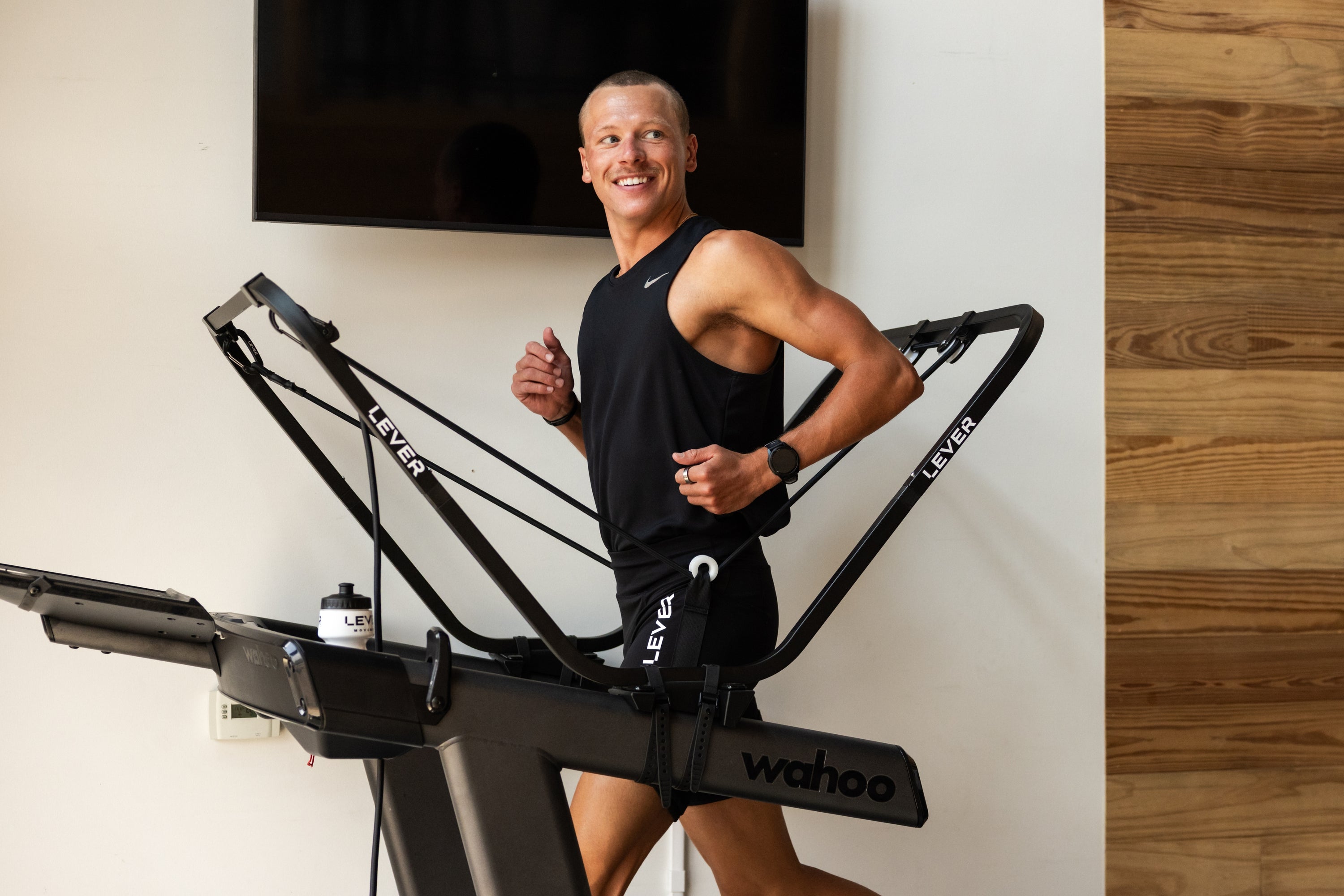
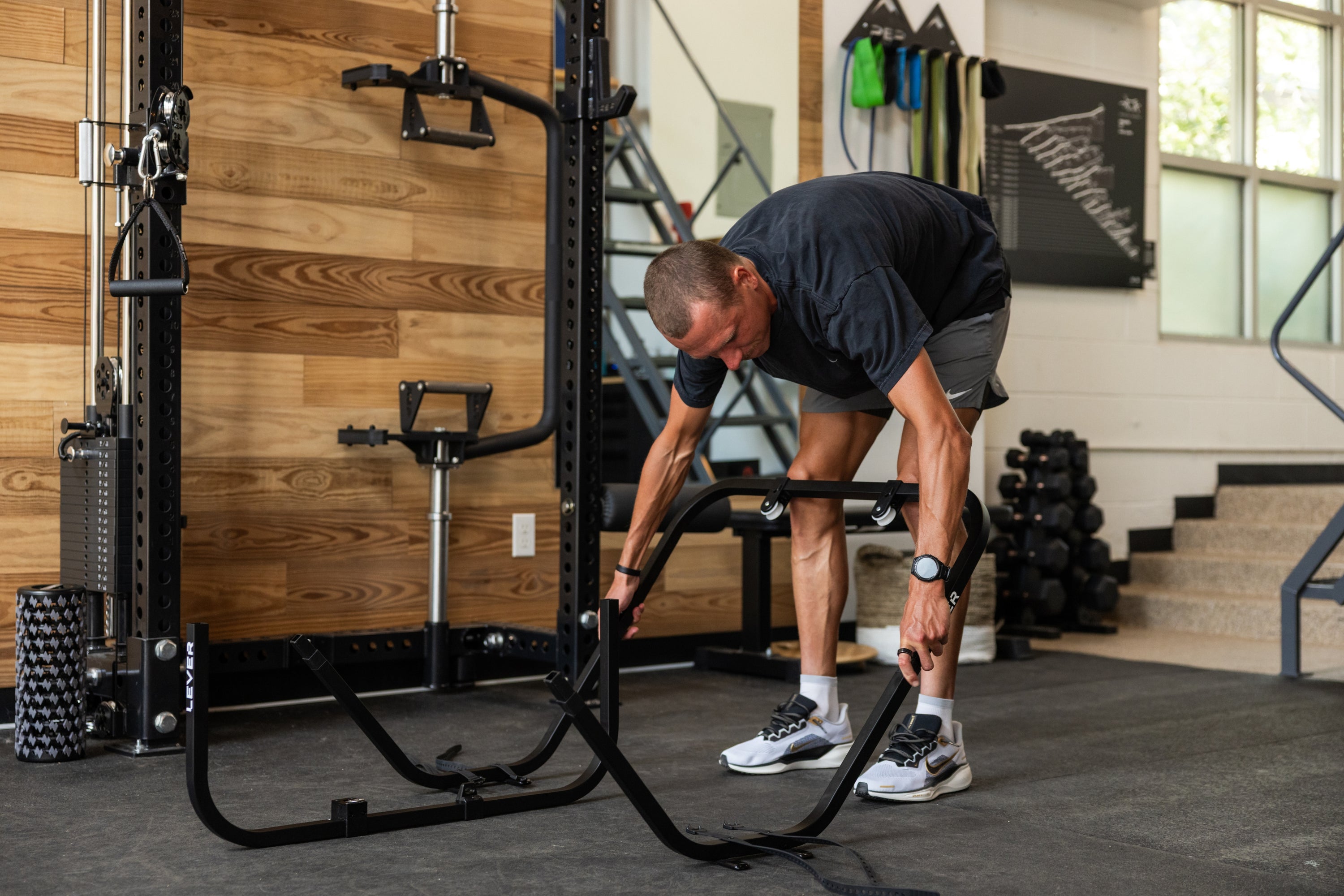
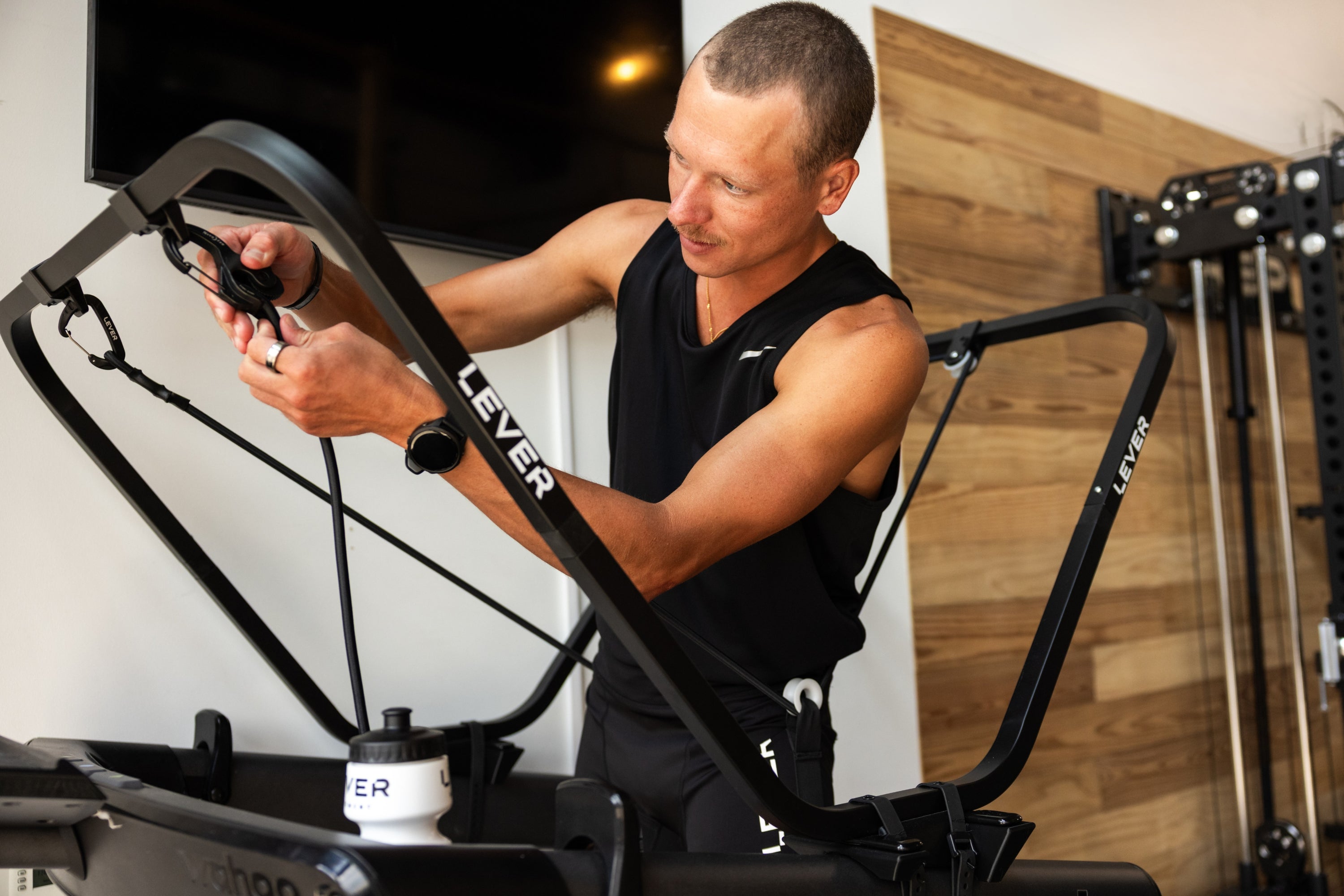
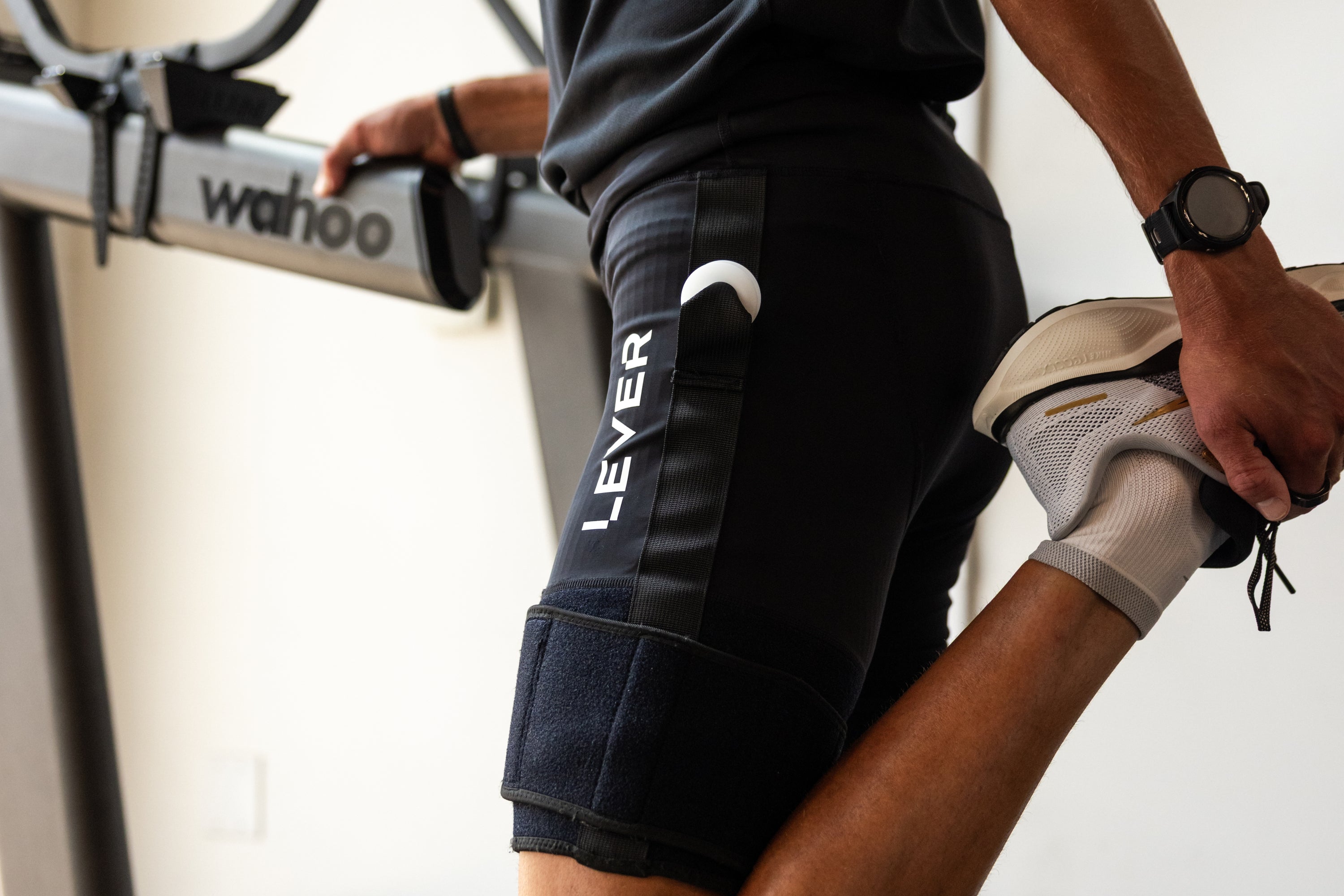
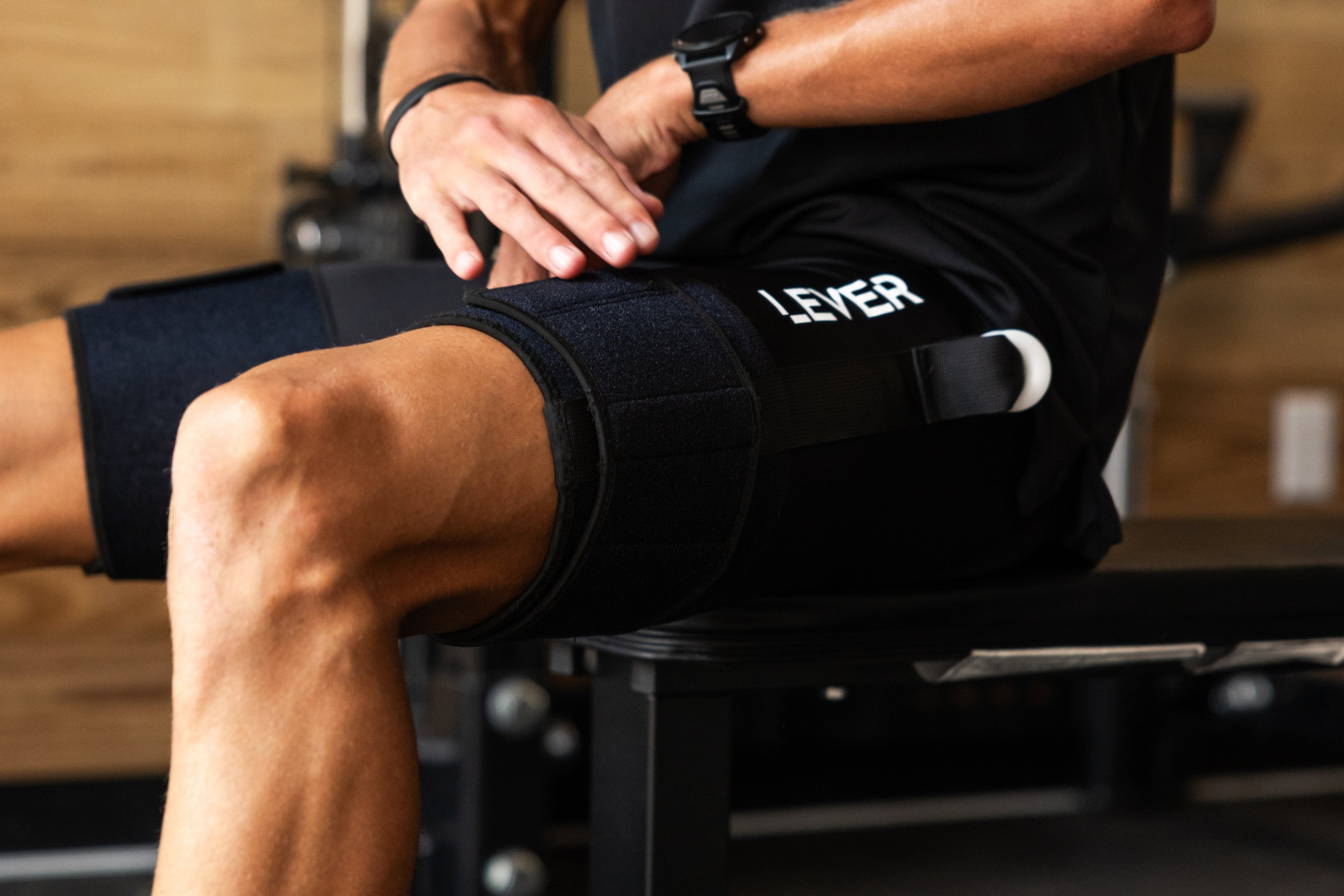
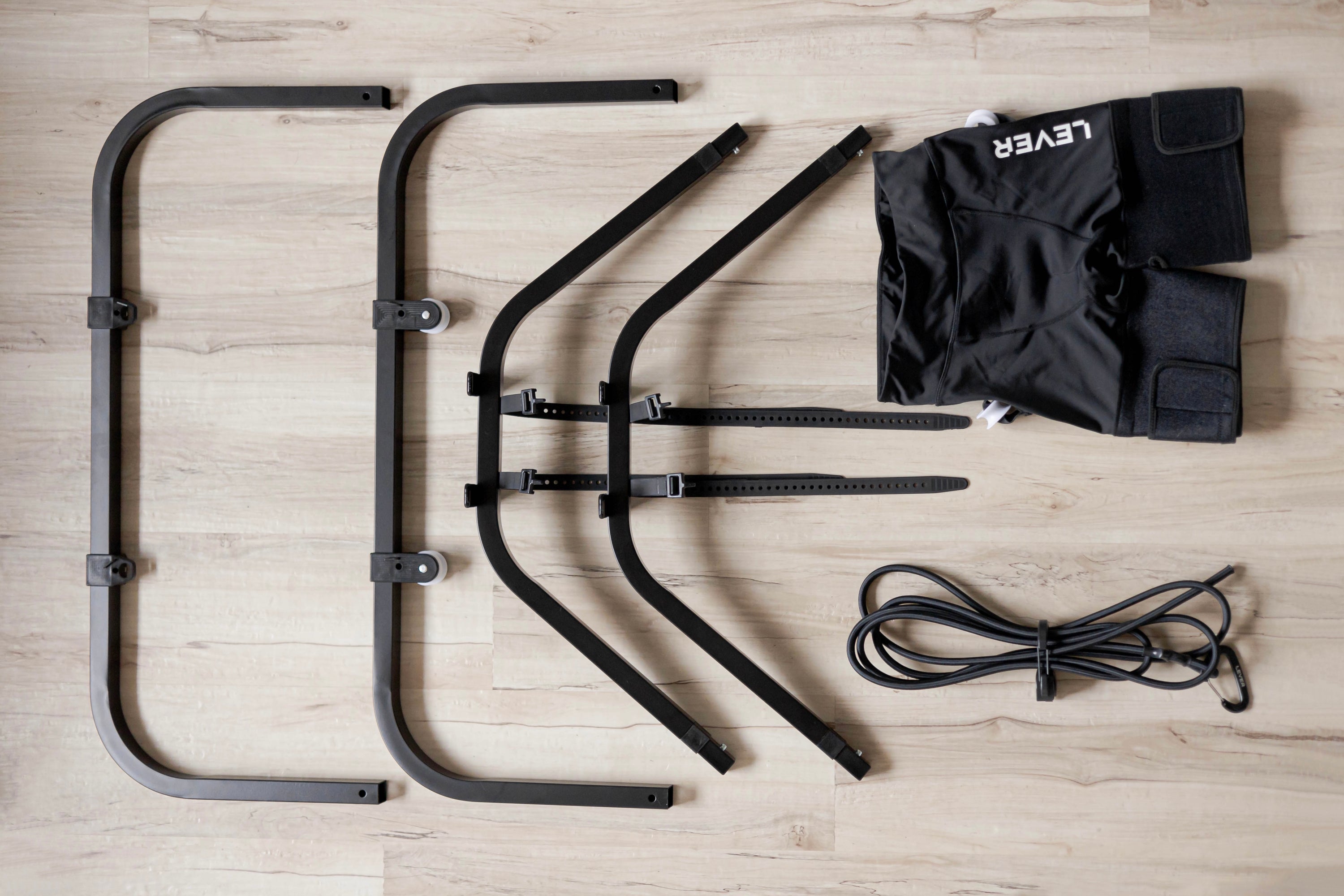
The LEVER system provides vertical body-weight support during treadmill running, reducing effective body weight by up to 45 pounds.
This directly reduces impact forces, joint loading, and tendon strain while preserving normal stride mechanics, cadence, and running-specific neuromuscular patterns.
From a physiological standpoint, this creates an ideal environment for recovery running. Circulation and coordination are maintained, but the tissues that are still repairing are exposed to far less stress.

What LEVER Changes in a Recovery Run
You can think of recovery running as a balance between maintaining movement and minimizing tissue stress.
| System | Normal Easy Run | LEVER-Assisted Recovery Run |
|---|---|---|
| Cardiovascular stimulus | Light | Light |
| Neuromuscular coordination | Maintained | Maintained |
| Joint loading | Moderate | Much lower |
| Tendon strain | Moderate | Much lower |
| Muscle damage | Low to moderate | Minimal |
| Recovery cost | Still present | Significantly reduced |
This is the core advantage. You keep the benefit of movement while removing much of the cost.
Why This Is Different From Cross-Training or Rest
Cycling, pool running, and elliptical training can all be useful tools. However, they do not preserve running-specific coordination and mechanics.
Complete rest, while sometimes necessary, does not reinforce movement patterns at all.
LEVER allows athletes to stay in a running-specific movement pattern while selectively reducing the cost of each step. This is a unique advantage for maintaining readiness without delaying tissue recovery.
When LEVER Makes the Most Sense
LEVER is especially useful when:
-
You feel neuromuscular fatigue but still want to move
-
Your legs feel heavy or uncoordinated rather than just sore
-
You are in a high-volume or high-intensity training block
-
You are managing minor tendon or joint irritation
-
You want to protect the next quality session
It is less necessary when you are fully fresh or intentionally taking a complete rest day.
How Much Support Should You Use?
Most athletes do best with approximately 20 to 40 pounds of offload during recovery runs. Enough to noticeably reduce impact, but not so much that stride mechanics feel artificial.
A simple rule is this: you should finish the run feeling lighter and smoother, not just less tired.
How to Use Recovery Runs Properly
A true recovery run should feel easy from the first step and should leave you feeling better at the end than at the beginning. It should not require discipline to hold back and it should not produce lingering fatigue the next day.
When using LEVER, many athletes find they can maintain a relaxed, natural cadence while significantly reducing post-run soreness and next-day heaviness.
The Big Picture
Recovery runs are not filler. They are one of the main mechanisms that allow consistent, high-quality training to exist.
By reducing mechanical stress while preserving movement, the LEVER system allows recovery runs to serve their true purpose: supporting adaptation, protecting consistency, and keeping athletes healthy over the long term.
Train Hard. Recover Smarter.
Long-term performance is not built by who can tolerate the most fatigue. It is built by who can adapt to the most training.
That adaptation only happens when recovery is treated as a priority.