For runners, plantar fasciitis has a cruel signature: that sharp, stabbing heel pain with the very first steps out of bed in the morning. It is one of the most common and most frustrating injuries in endurance sport. The good news: many athletes don't need to stop running completely. They need to manage load, build strength, and train smarter.
What Is the Plantar Fascia?
The plantar fascia is a thick, fibrous band of connective tissue that runs along the bottom of the foot, connecting the heel bone (calcaneus) to the base of the toes. It functions like a bowstring, tensioning with each step to support the foot's arch, absorb shock, and transfer force during the push-off phase of running. Without it, the mechanics of running fall apart.
What makes this structure so essential and so vulnerable is the load it handles. Research has estimated that tensile forces through the plantar fascia during running can reach approximately 1.3 to 3 times body weight per stride, with some estimates varying depending on speed, foot mechanics, and measurement method (Wearing et al., 2006; Scott and Winter, 1990). At typical training paces, that means the fascia endures thousands of loading cycles every session.
Plantar fasciitis is the most common cause of heel pain in runners and the general population, affecting approximately 10% of people over their lifetime (Riddle and Schappert, 2004). Among runners specifically, it accounts for roughly 8% of all running-related injuries (Taunton et al., 2002), making it one of the most frequently encountered overuse conditions in endurance sport.
|
1-3x
Body weight force per stride through the plantar fascia
|
10%
Lifetime prevalence in the general population
|
8%
Of all running injuries are plantar fasciitis
|
What Is Plantar Fasciitis?
Despite the "-itis" suffix suggesting inflammation, plantar fasciitis is increasingly understood as a degenerative condition rather than a purely inflammatory one, similar in nature to Achilles tendinopathy. Research using ultrasound and MRI imaging shows that chronic plantar fasciitis typically involves thickening and structural disorganization of the fascia near its heel insertion, rather than active inflammation (Lemont et al., 2003). This distinction matters clinically: it explains why anti-inflammatory approaches alone rarely resolve the problem long-term.
There are two main presentations athletes should understand:
- Sharp or stabbing heel pain with the first steps in the morning or after prolonged sitting
- Pain that eases after 5-10 minutes of walking but returns after long runs
- Tenderness when pressing directly on the heel or inner arch
- Pain that worsens when walking barefoot on hard floors
- Increased pain with uphill running or speed work
- Tightness in the calf or Achilles that seems connected to heel discomfort
A key diagnostic feature is the post-static pain pattern: that characteristic spike after rest that gradually eases with movement. This differentiates plantar fasciitis from calcaneal stress fractures, which worsen continuously with activity and require immediate medical assessment.
How Plantar Fasciitis Develops in Runners
Like most overuse injuries, plantar fasciitis develops when cumulative tissue stress exceeds the fascia's capacity to repair and adapt. It rarely results from a single event. Instead, it builds over weeks of training where load is consistently higher than the tissue can tolerate.
Of these, tight calf muscles and restricted ankle dorsiflexion are among the most consistently cited risk factors in research. When ankle mobility is limited, the plantar fascia bears greater compensatory tension during the stance phase of each stride (Riddle et al., 2003). Combined with a sudden spike in mileage, this is often the combination that tips the tissue over its tolerance threshold.
"Plantar fasciitis rarely has one cause. It is the accumulated result of tissue stress outpacing tissue recovery, often driven by training load spikes the fascia simply hasn't had time to adapt to."
Can You Keep Running With Plantar Fasciitis?
For most runners, the instinct is either to push through or stop completely and wait for the pain to go away. Neither approach tends to work well. Complete rest removes the loading stimulus the fascia needs to remodel and strengthen. Running through without modification allows progressive tissue damage to accumulate.
The evidence increasingly supports a middle path: load management. Research on plantar fascia rehabilitation shows the tissue responds positively to progressive mechanical loading. The key is controlling the magnitude, frequency, and rate of load introduction (Rathleff et al., 2015). Plantar fascia that is progressively loaded through carefully structured exercise adapts over time, building the tensile strength needed to handle full running demands.
- Pain above 4/10 throughout the entire run
- Morning pain worsening week-on-week
- Significant pain at rest or unable to walk normally
- Suspected calcaneal stress fracture
- Pain stays at or below 4/10
- Symptoms return to baseline within 24hrs
- Morning pain not worsening week-on-week
- Mild-to-moderate presentation only
Clinical guideline: morning heel pain that is no worse than the previous week, and runs that stay below 4/10 with recovery to baseline within 24 hours, suggest loading is being well tolerated (Rathleff et al., 2015).
Evidence-Based Treatment Options
The evidence base for plantar fasciitis treatment has grown substantially over the past decade. Here is what research currently supports:
"Progressive loading through high-load strength training was superior to stretching alone for plantar fasciitis at 3 months. The evidence supports treating the fascia as a load-tolerant structure in need of progressive strengthening, not passive rest."
Rathleff et al., 2015, Scandinavian Journal of Medicine and Science in Sports
How Body-Weight Support Running Helps Plantar Fasciitis Recovery
Body-weight support (BWS) treadmill systems offer a clinically meaningful tool for runners managing plantar fasciitis. The mechanism is direct: by reducing the effective body weight borne through the lower limbs, these systems proportionally reduce the ground reaction forces that load the plantar fascia with each stride.
Research consistently shows that plantar fascia strain is closely coupled to vertical ground reaction force (Wearing et al., 2006). A 10-15% reduction in body weight during running produces a corresponding reduction in peak plantar fascia loading, sufficient in many cases to bring training within a symptom-manageable range while preserving the actual running movement pattern.
A particularly useful application is on high-symptom mornings, when plantar fascia pain is at its worst due to overnight fascia shortening. Beginning a session at 15-20% body-weight support and gradually reducing over the course of the run allows the fascia time to warm up and elongate before full weight-bearing loading is introduced, mirroring the natural symptom pattern of the injury itself.
The principle aligns with broader evidence that active rehabilitation with controlled loading produces better long-term outcomes than passive rest (Rathleff et al., 2015; DiGiovanni et al., 2006). Body-weight support systems translate this principle directly into the running context, giving clinicians and athletes a precise tool for load titration that is otherwise difficult to achieve.
How Athletes Use LEVER to Stay Running During Plantar Fasciitis Rehab
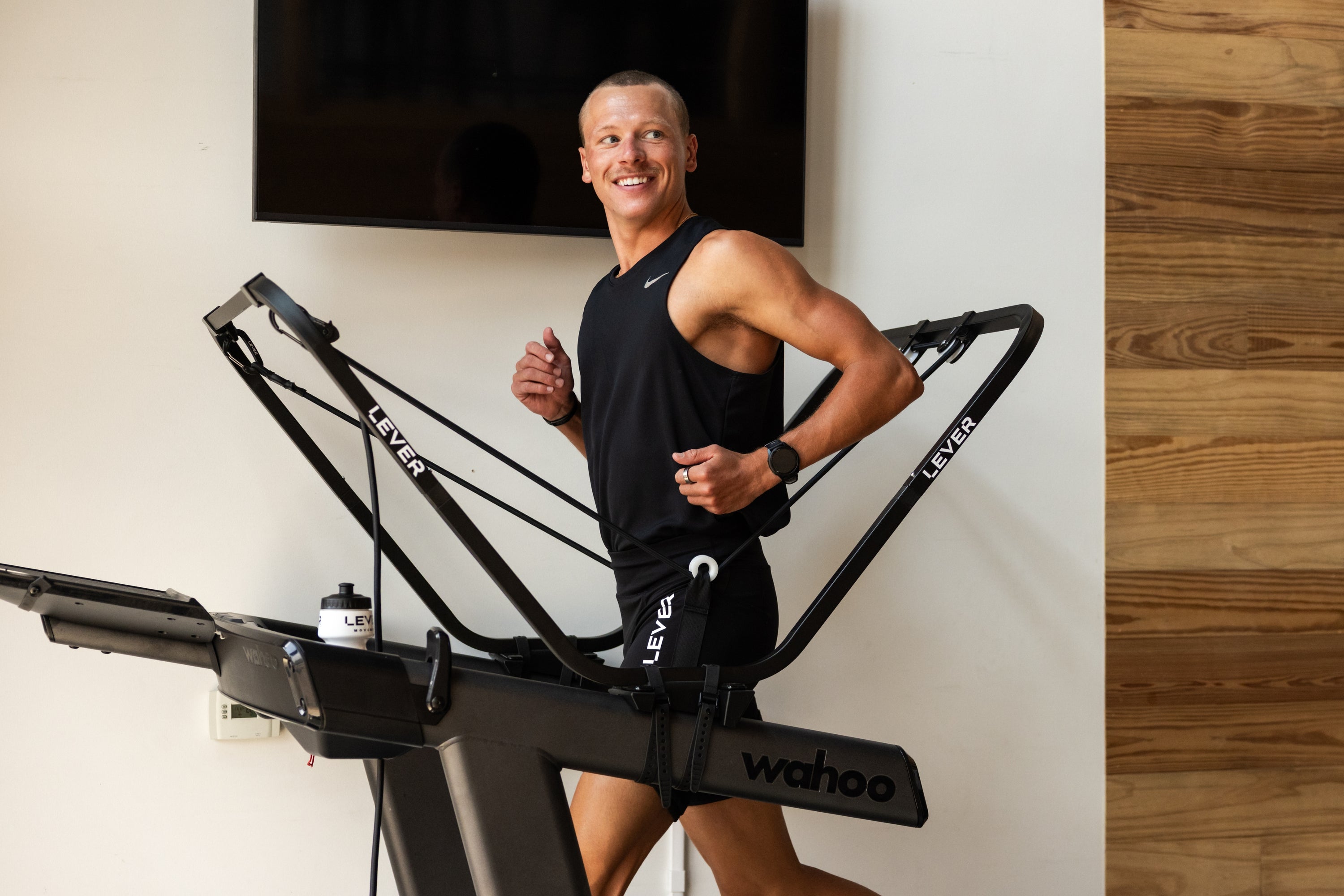
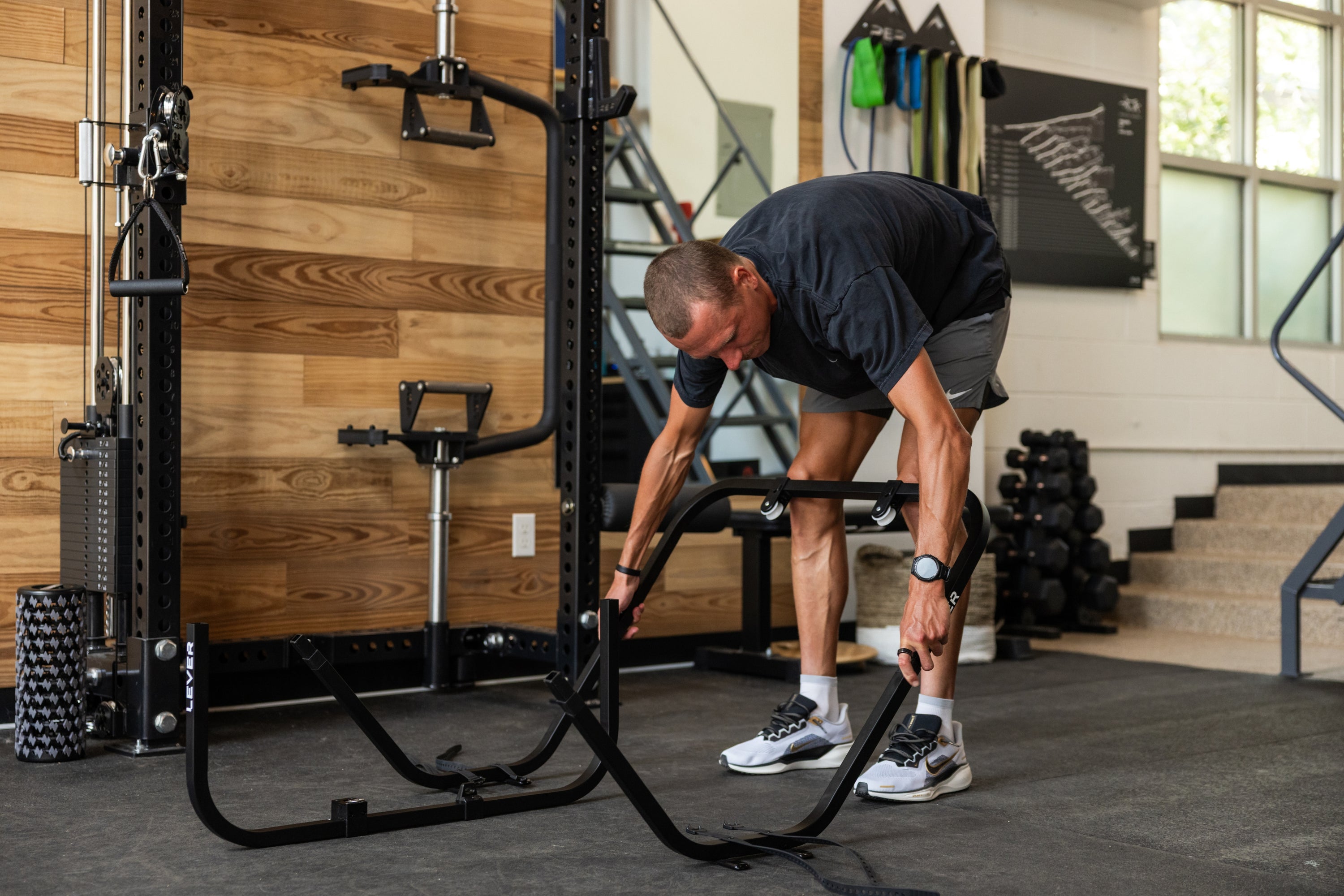
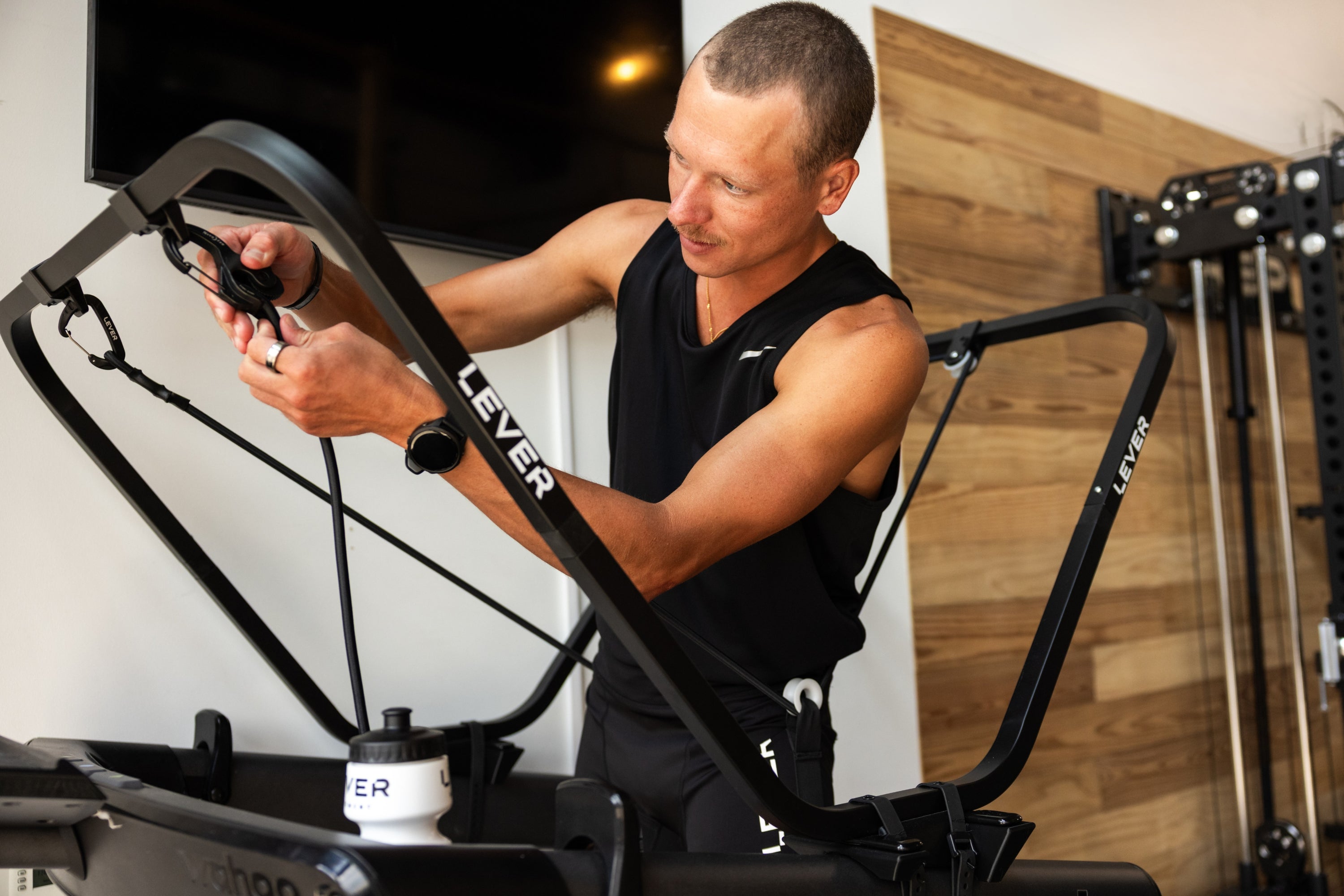
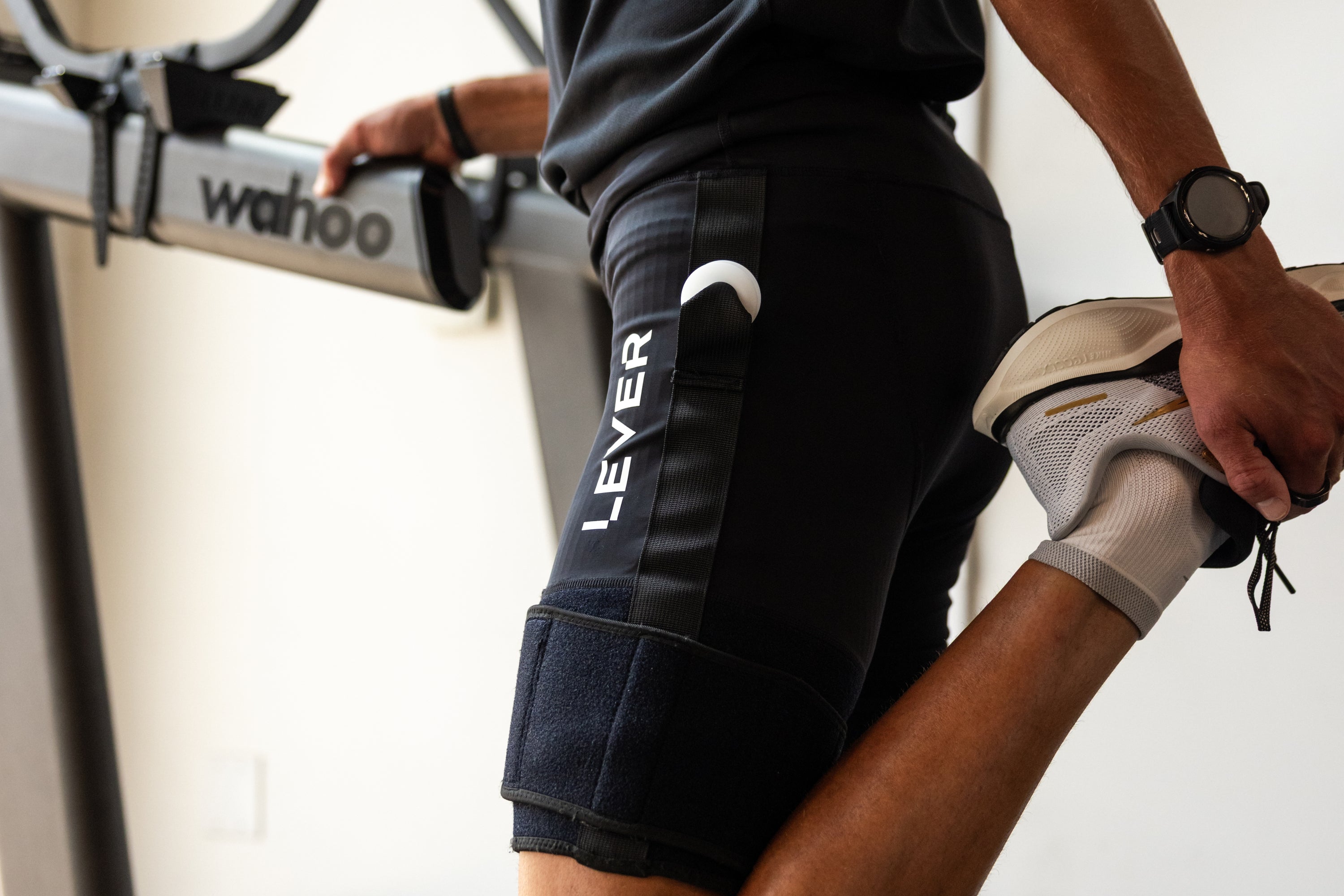
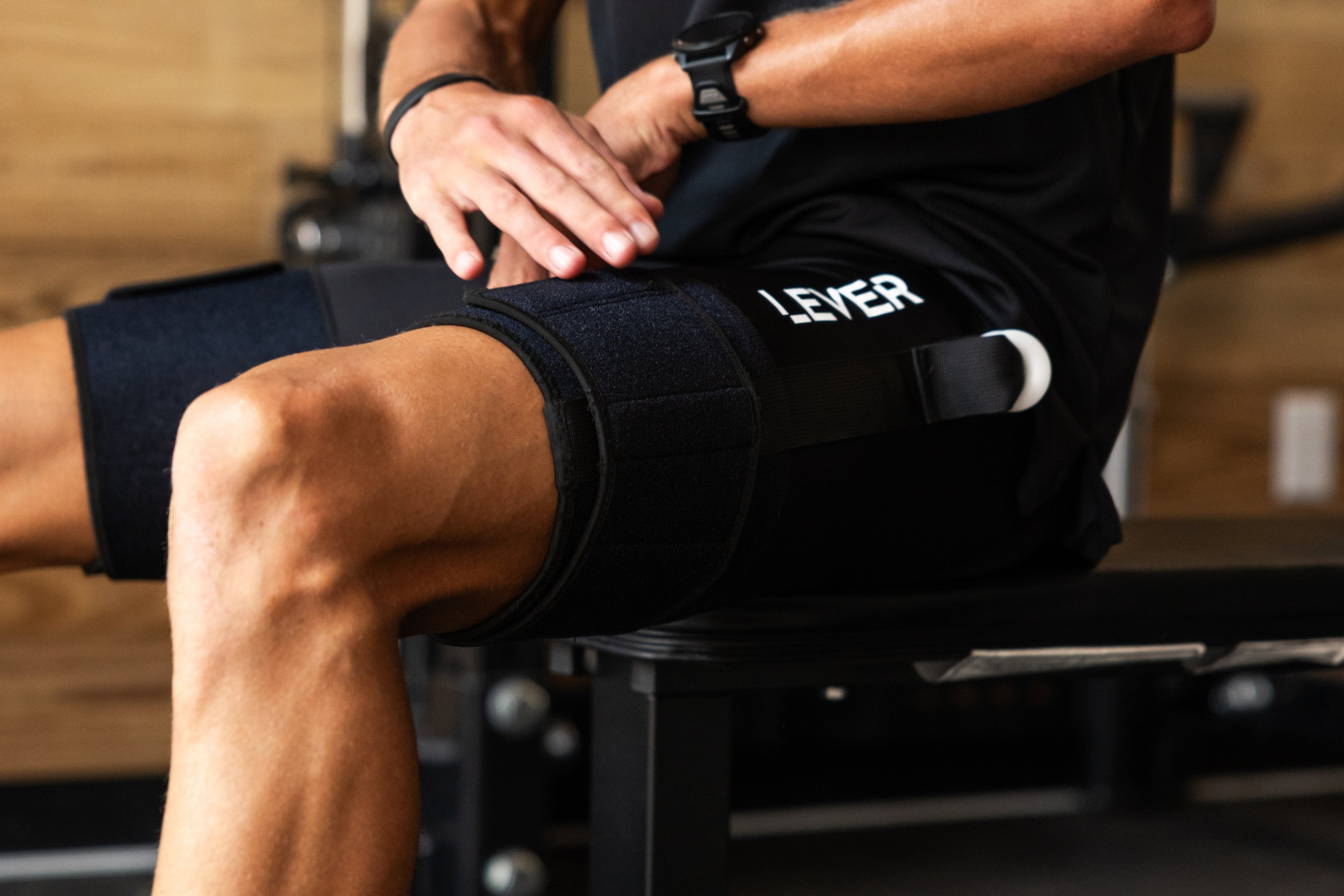
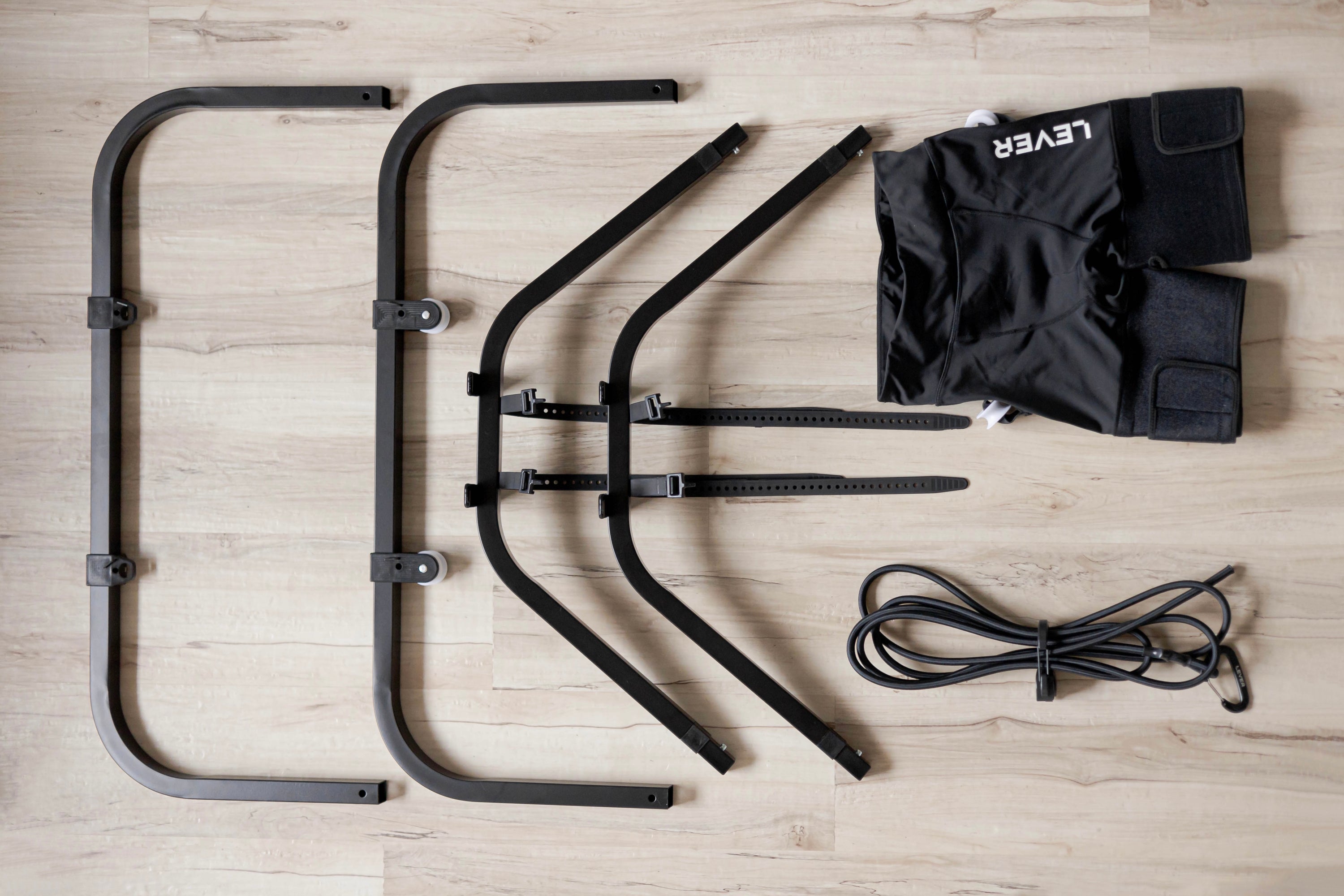
LEVER is a body-weight support system designed for treadmill running that allows athletes to precisely control the amount of weight reduction during training. Rather than removing running from the equation entirely, LEVER can create a thoughtful middle path: continue running, but at a load the plantar fascia can currently tolerate.
In practice, an athlete with plantar fasciitis might begin at 10-20% body-weight support, running as if they weigh 10-20% less than their actual body weight. For a 75 kg runner, this reduces effective loading to the equivalent of a 60-68 kg person. That reduction is often enough to bring plantar fascia loading within a symptom-manageable range, allowing real running to continue without aggravating the injury.
Athletes who continue modified activity throughout rehabilitation tend to return to sport faster and with better long-term outcomes than those who rest completely (Rathleff et al., 2015). LEVER makes that modified activity feel like running, because it is.
Example Return-to-Run Progression
The following is a sample framework for a runner with mild-to-moderate plantar fasciitis. Individual progressions should always be guided by a sports medicine clinician or physiotherapist. The primary feedback mechanism is the 24-hour pain response: morning pain not worsening week-on-week and runs that stay below 4/10 indicate the load is being well tolerated.
Key Takeaways for Runners Managing Plantar Fasciitis
Plantar fasciitis is not a sentence to stop running. It is a signal to address the load, build the strength, and give the tissue the progressive challenge it needs to adapt.
With the right tools and the right plan, most runners get back to full training, often stronger than before the injury.
References
DiGiovanni BF, et al. (2003). Tissue-specific plantar fascia-stretching exercise enhances outcomes in patients with chronic heel pain. J Bone Joint Surg Am. doi:10.2106/00004623-200307000-00005
DiGiovanni BF, et al. (2006). Plantar fascia-specific stretching exercise improves outcomes in patients with chronic plantar fasciitis. J Bone Joint Surg Am. doi:10.2106/JBJS.E.01281
Landorf KB, et al. (2006). Effectiveness of foot orthoses to treat plantar fasciitis. Arch Intern Med. doi:10.1001/archinte.166.12.1305
Lemont H, et al. (2003). Plantar fasciitis: a degenerative process (fasciosis) without inflammation. J Am Podiatr Med Assoc. doi:10.7547/87507315-93-3-234
Rathleff MS, et al. (2015). High-load strength training improves outcome in patients with plantar fasciitis. Scand J Med Sci Sports. doi:10.1111/sms.12313
Riddle DL and Schappert SM (2004). Volume of ambulatory care visits and patterns of care for patients diagnosed with plantar fasciitis. Foot Ankle Int. doi:10.1177/107110070402500303
Riddle DL, et al. (2003). Risk factors for plantar fasciitis: a matched case-control study. J Bone Joint Surg Am. doi:10.2106/00004623-200307000-00003
Scott SH and Winter DA (1990). Internal forces of chronic running injury sites. Med Sci Sports Exerc. doi:10.1249/00005768-199007000-00011
Taunton JE, et al. (2002). A retrospective case-control analysis of 2002 running injuries. Br J Sports Med. doi:10.1136/bjsm.36.2.95
Wearing SC, et al. (2006). The pathomechanics of plantar fasciitis. Sports Med. doi:10.2165/00007256-200636080-00004