Every runner knows the feeling of a summer run gone sideways. The pace that felt easy in spring now spikes your heart rate. Your shirt is soaked in the first mile, your legs feel heavy, and the effort never settles. Heat and humidity are not just uncomfortable, they physically change what your body can do. The good news is that you have more control than the forecast suggests. Understanding why heat slows you down, and knowing when to take training indoors and manage your load, can turn a wasted summer of survival runs into a productive block of quality work.
Why Heat Makes Running Harder
Running generates a lot of heat. Only about a quarter of the energy you burn becomes forward motion, and most of the rest is released as heat inside your body. To keep your core temperature near its resting point of around 37°C (98.6°F), you have to shed that heat as fast as you make it. When the air is cool, that is easy. When it is hot, it becomes a fight.
The body's main cooling tool during exercise is sweat evaporation. As sweat turns to vapor on your skin, it carries heat away. This becomes the dominant cooling pathway once air temperature climbs toward skin temperature, because the usual routes of losing heat directly to cooler air become far less effective (Périard et al., 2021). Blood is also redirected toward the skin to release heat, which is part of why heat is such a challenge.
That last point is the hidden cost. To cool you and to fuel your muscles at the same time, your heart has to move more blood. As some blood pools toward the skin and plasma volume drops with sweating, each heartbeat delivers a little less, so your heart rate climbs to keep up. This upward creep in heart rate at a steady pace is called cardiovascular drift, and it is why the same effort feels progressively harder as a hot run goes on. Push core temperature too high, toward 40°C (104°F), and physiological function starts to break down.
|
44-59°F
The temperature range where most runners record their fastest marathon times
|
~16%
Drop in work output under very high humidity in a controlled heat study (Bright et al., 2025)
|
40°C
Core temperature (104°F) at which exertional heat stroke risk becomes critical
|
The Humidity Multiplier
Here is the part runners underestimate. Temperature tells you how hot the air is. Humidity tells you whether your primary cooling system can actually work. Sweat only cools you when it evaporates, and evaporation depends on the difference in water vapor pressure between your wet skin and the surrounding air. When the air is already saturated with moisture, that gradient shrinks and sweat has nowhere to go. It drips off you instead of evaporating, so you lose fluid without getting the cooling benefit.
The research here is clear. As humidity rises, the environment's capacity to evaporate sweat falls sharply, core temperature climbs faster, and cardiovascular strain increases (Périard et al., 2021). In one controlled study, moving from low to very high humidity at a fixed temperature cut the environment's maximum evaporative capacity by roughly two thirds and reduced exercise output by about 16% (Bright et al., 2025). Same air temperature, dramatically different outcome.
This is why heat and humidity together are so much worse than either alone. Their effects multiply rather than add. A warm, dry day is manageable. A warm, humid day where your sweat cannot evaporate is a different animal, and it is exactly the kind of day where holding your normal paces becomes impossible and pushing anyway becomes risky.
How Much Heat and Humidity Slow You Down
This is not a small effect, and it is measurable. Analyses of hundreds of thousands of marathon finishers across the major world marathons show a clear pattern: there is an optimal temperature for running fast, and performance falls off as it gets warmer. A large study of six major marathons found the optimal air temperature for peak running speed sat in the single digits Celsius, roughly the mid-40s to low-50s Fahrenheit, and that finishing times slowed and withdrawal rates rose as temperature climbed above that (El Helou et al., 2012).
The slowdown is not trivial. In warm conditions, marathon times commonly drop by several percent, and in genuinely hot and humid conditions the hit can be much larger. There is also a counterintuitive wrinkle: faster runners tend to be affected more by heat than slower runners, because they are working at a higher intensity and generating more metabolic heat for longer relative to their cooling capacity (Ely et al., 2008).
The practical takeaway matters for training, not just racing. If you try to hold your goal paces on a hot, humid day, you are running at a much higher physiological cost than the pace suggests. You are accumulating fatigue and heat strain without the corresponding fitness benefit, and often digging a recovery hole for the days that follow. The pace on your watch stops meaning what it usually means.
"On a hot, humid day, pace lies to you. The number on your watch might look easy, but the strain on your body is anything but. Chasing paces in the heat usually means paying for fitness you never actually gained."
When Heat Becomes a Health Risk
Beyond slower times, heat carries real medical risk. Exertional heat illness sits on a spectrum, from dehydration and heat cramps, through heat exhaustion, to exertional heat stroke, which is a life-threatening emergency defined by a core temperature above 40°C (104°F) combined with changes in mental status. It requires immediate, aggressive cooling and emergency care.
Because plain air temperature ignores humidity and sun, sports medicine uses Wet Bulb Globe Temperature (WBGT) to gauge heat-stress risk, since it factors in humidity, radiant heat, and wind alongside temperature (Racinais et al., 2015). It is the standard many organizations use to modify or cancel activity. As a rough guide to the risk categories used in guidelines:
- Dizziness, lightheadedness, or feeling faint
- Nausea, headache, or unusual fatigue that comes on fast
- Confusion, disorientation, or trouble concentrating
- Skin that stops sweating and turns hot and dry, or clammy and pale
- Rapid heartbeat out of proportion to effort, or a sudden drop in performance
- Muscle cramping, chills, or goosebumps in the heat
Confusion or altered mental status in the heat is a medical emergency. Stop, cool aggressively, and call for help.
Heat Training Has a Place (The Nuance)
To be fair to the heat: deliberate, gradual heat exposure is a legitimate and well-studied training tool. Heat acclimation drives real adaptations, including expanded plasma volume, a lower heart rate at a given effort, earlier onset of sweating, higher sweat rates, and a lower core temperature threshold before cooling kicks in (Périard et al., 2021). Those changes make you more resilient in the heat and can carry small benefits even in cooler conditions. If you are racing a hot event, some structured heat work in the weeks beforehand is smart preparation.
The key word is structured. Acclimation works when heat exposure is planned, gradual, and dosed, typically over one to two weeks of progressively longer sessions, with recovery built in. That is very different from being forced to grind out every summer run in dangerous conditions because that is what the weather handed you. One is a controlled stimulus. The other is just accumulated strain.
So the goal is not to avoid heat entirely. It is to be intentional. Keep some easy running outdoors to maintain a baseline of heat tolerance, use targeted heat sessions if you have a hot race on the calendar, and stop treating your hardest and most important sessions as something you must complete outdoors no matter what the WBGT says. That is where taking training indoors earns its place.
The Case for Taking Key Days Indoors
An indoor, climate-controlled treadmill removes the single biggest uncontrolled variable in summer training: the environment. When the room is 68°F with low humidity, your body can cool itself normally, your heart rate reflects your actual effort, and the pace on the belt means what it is supposed to mean. That is a powerful thing when the alternative is a workout compromised from the first rep by heat you cannot escape.
This matters most for your quality sessions. A tempo run, a threshold workout, or a long run with marathon-pace segments has a specific physiological target. Try to hit that target in high heat and humidity and you either fail to reach the paces or reach them at a runaway cost. Move it indoors and you can execute the session as designed, get the intended stimulus, and recover properly for the next one.
None of this means running indoors forever. It means choosing indoors on the days that matter most or when conditions are genuinely unsafe, and keeping easy outdoor running for heat tolerance and enjoyment. It is a tool, used deliberately, not a replacement for the outdoors.
Where Load Management Fits In
Summer is when a lot of runners are building toward fall goal races, which means peak mileage often lands during the hottest, most humid weeks of the year. That is a demanding combination. Heat adds physiological stress on top of the training stress you are deliberately applying, and the total load is what your body has to absorb and recover from. Managing that total is the difference between arriving at your race sharp and arriving at it cooked.
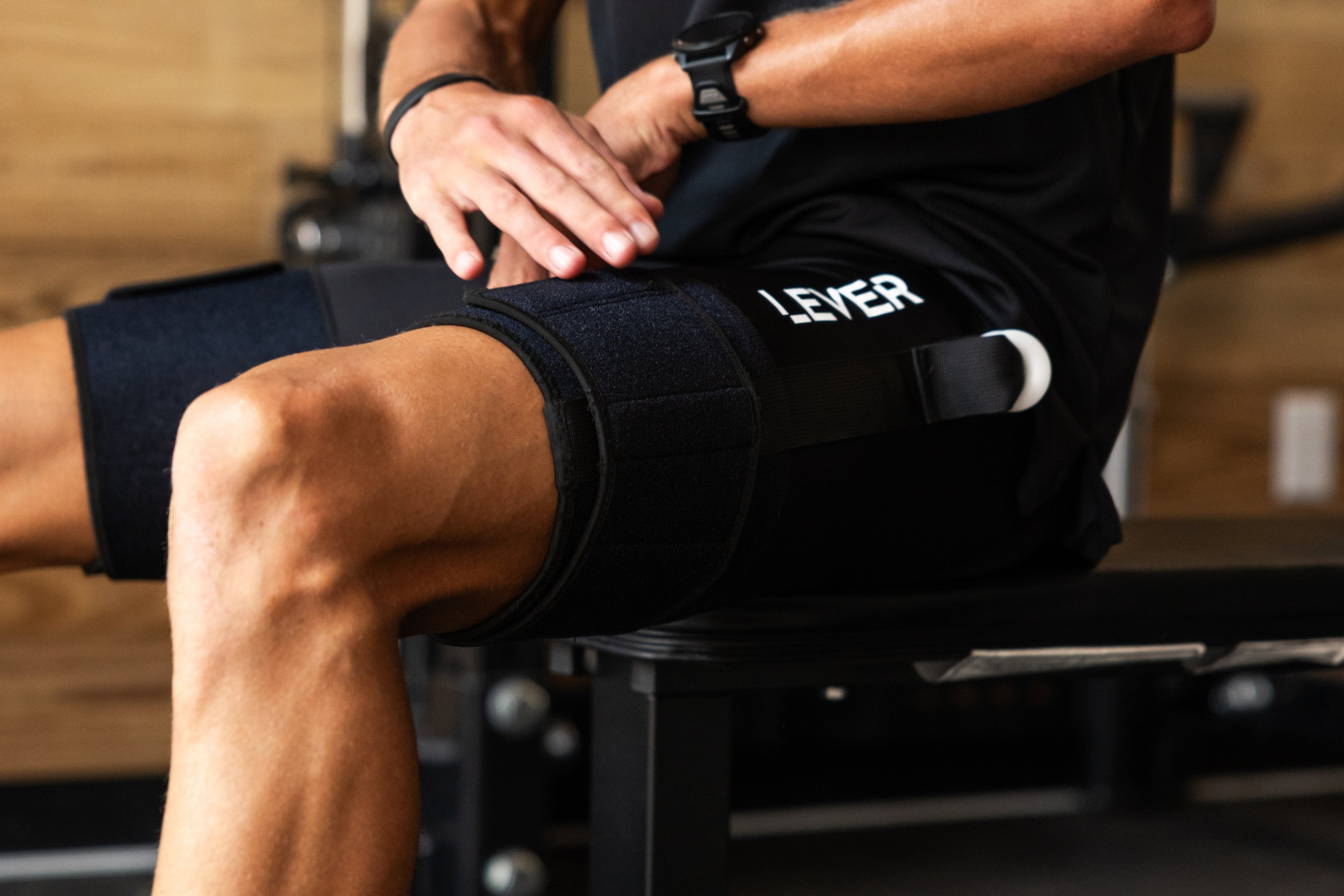
Moving key sessions indoors removes the thermal and cardiovascular tax of the environment. Body-weight support adds a second lever on the mechanical side. By reducing how much of your weight goes through your legs on each stride, a support system lowers the impact and musculoskeletal load of a run. It also reduces the metabolic cost of running at a given speed, since you are moving a lighter effective body weight, which modestly lowers the heat you generate at that pace. Together, controlled climate and adjustable load let you dial in exactly how hard a session is on the body.
How Athletes Use LEVER When It's Too Hot Outside
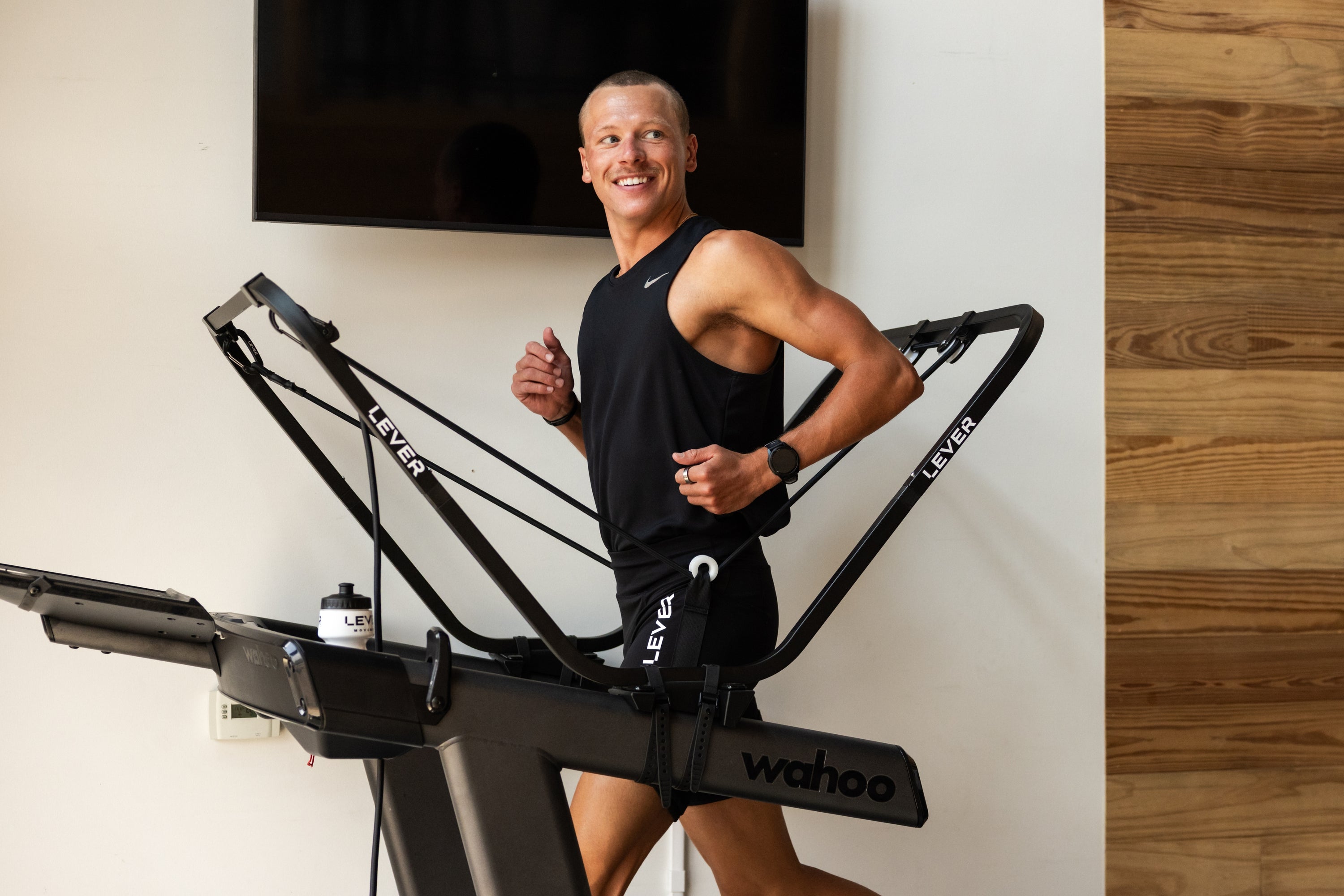
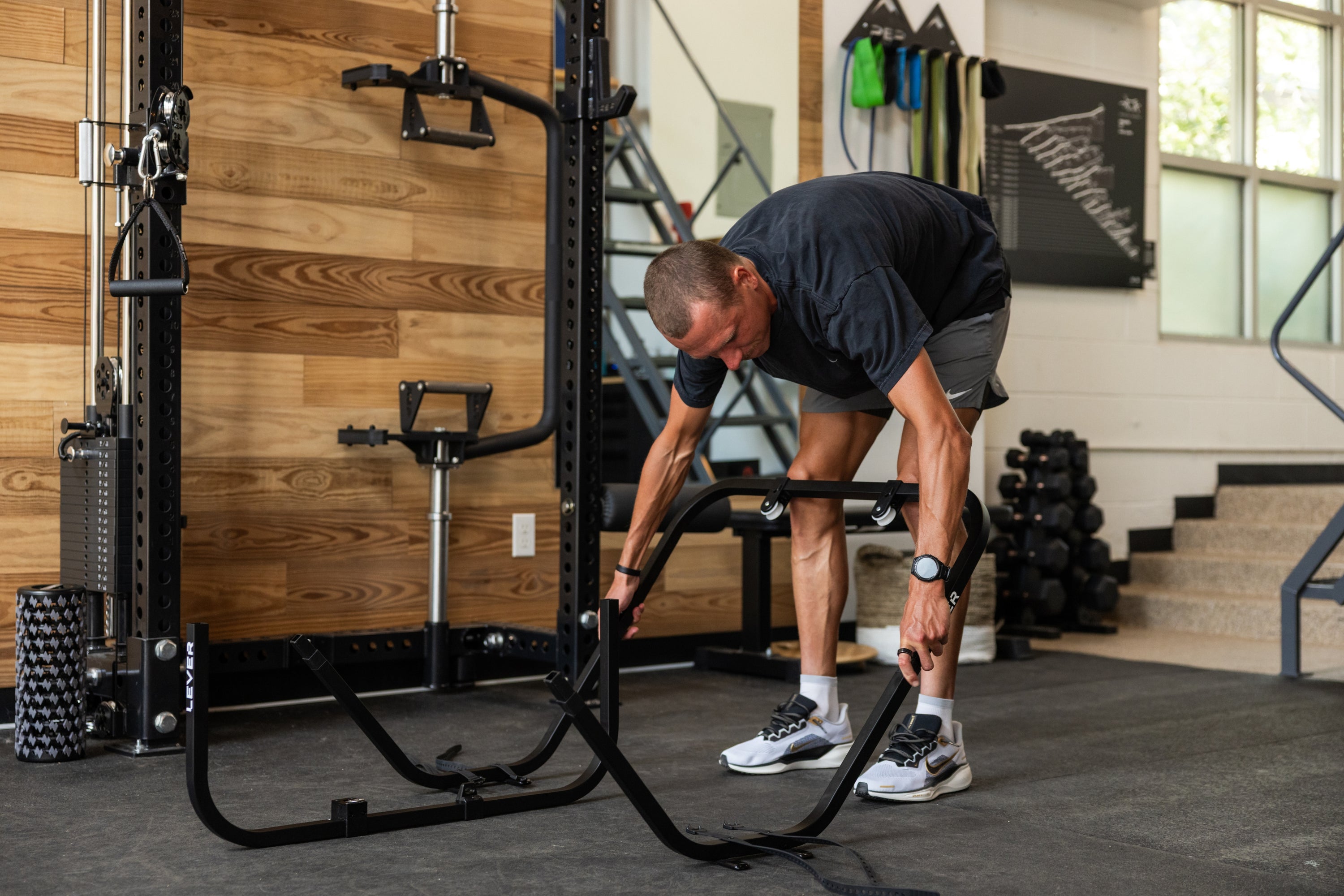
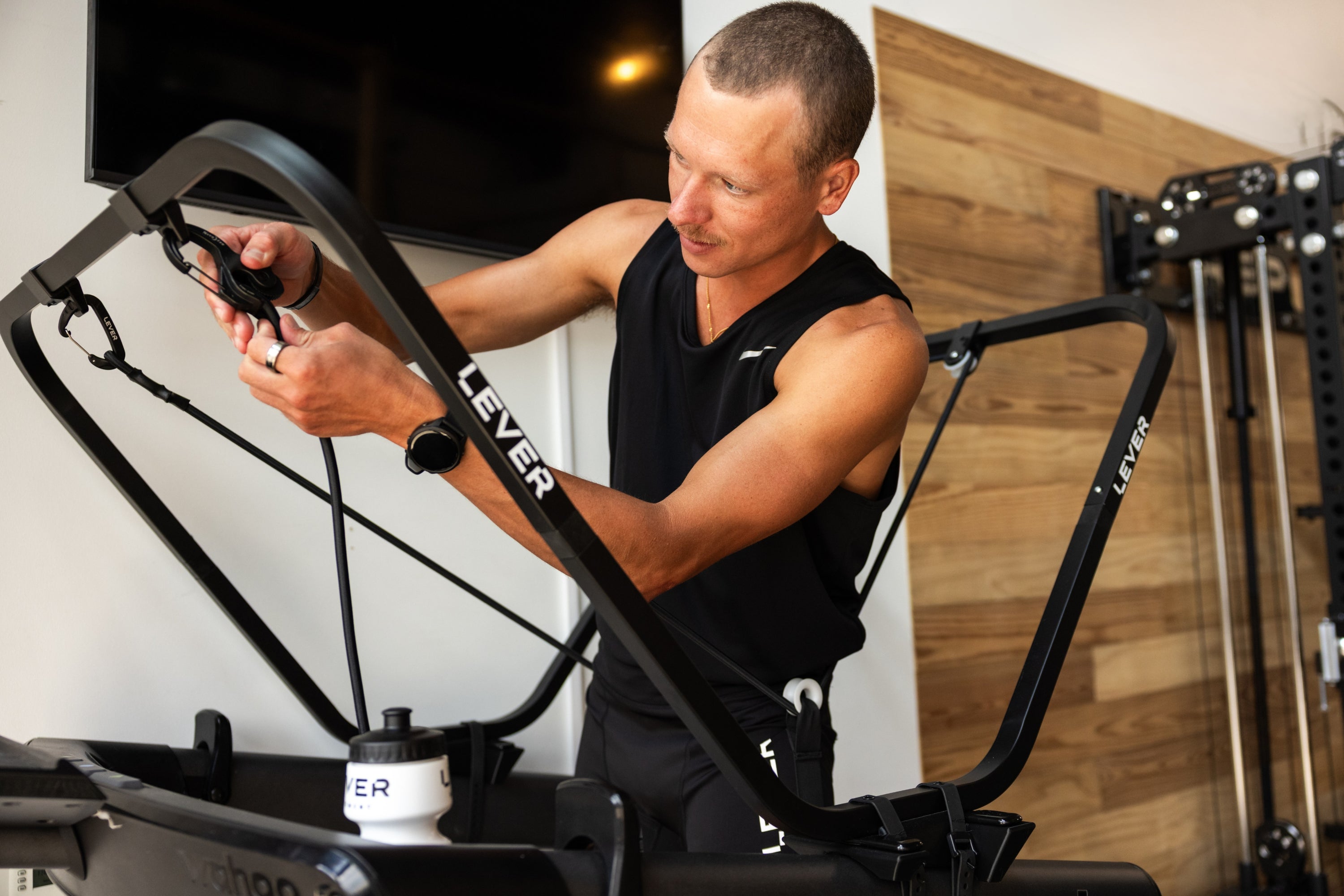
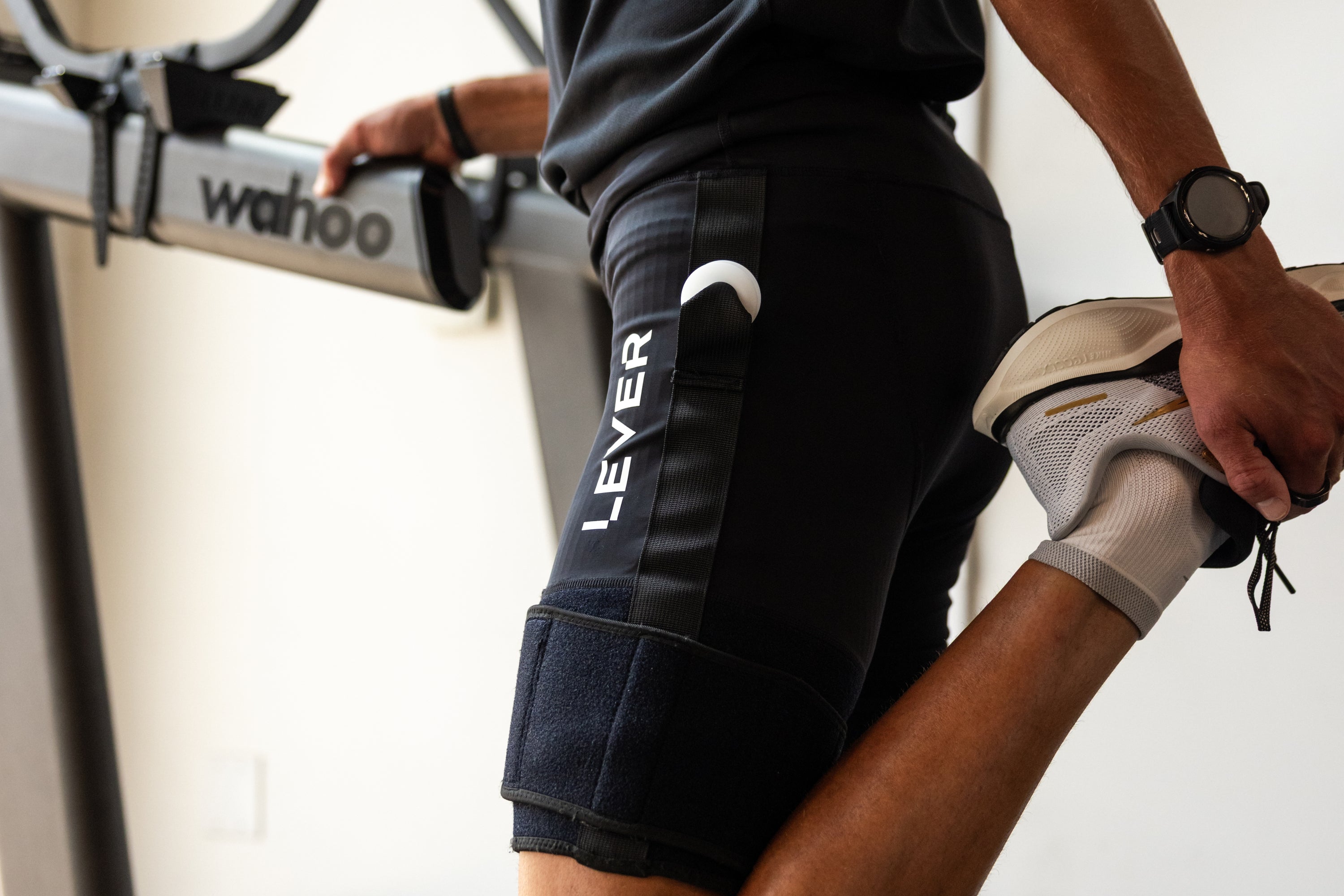
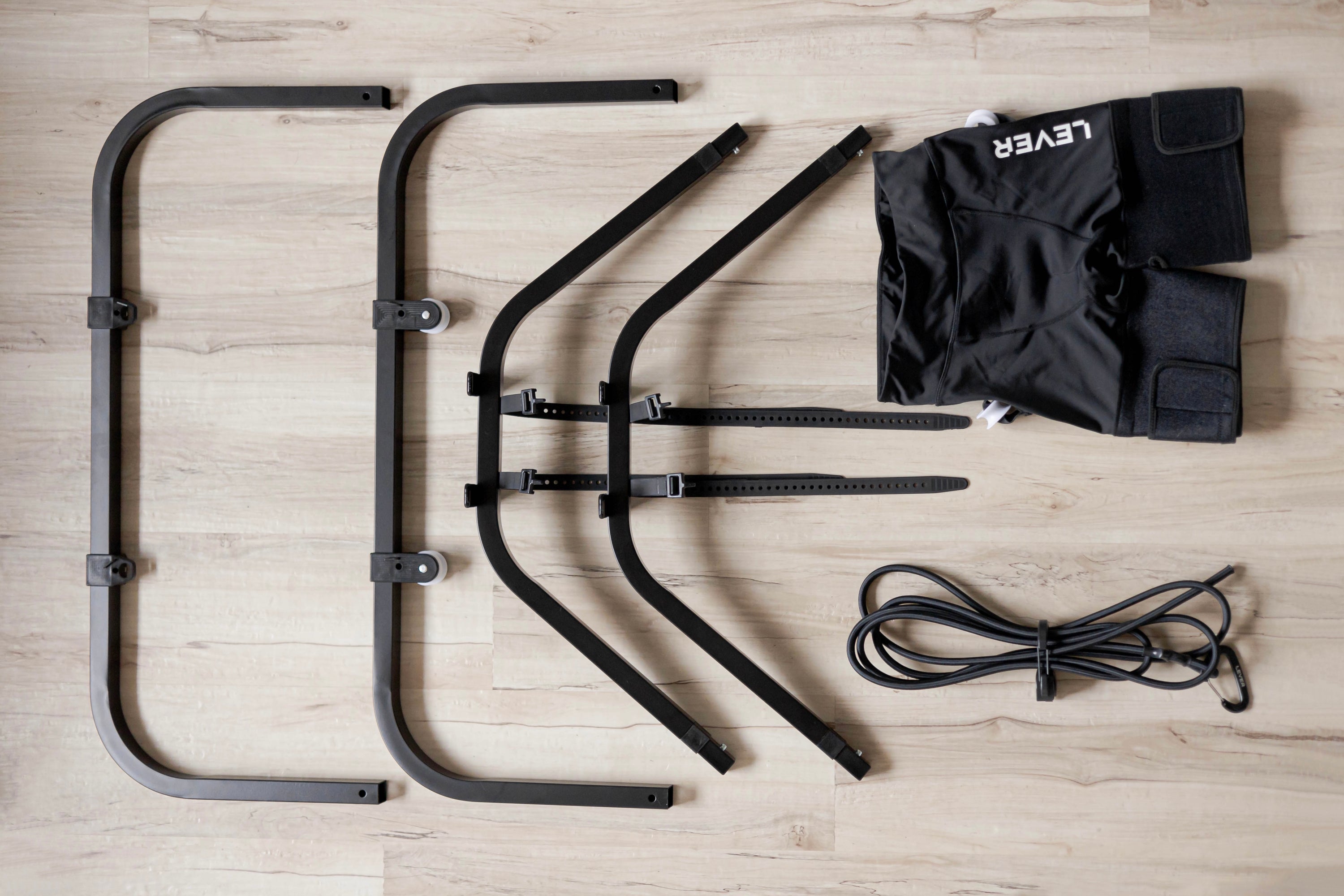
LEVER is a body-weight support system designed for treadmill running that lets athletes unload up to 45 lbs of body weight and dial in exactly how much load goes through their legs. Paired with an indoor treadmill in a climate-controlled space, it turns the two biggest summer training problems, an uncontrolled environment and unmanaged load, into two things you actually control.
In practice, when the forecast is hot and humid and a runner has a quality session on the plan, they can take it indoors and run it as designed, at the right paces, with their heart rate reflecting real effort rather than heat strain. On recovery or high-mileage days during a hot buildup, adding a modest amount of support keeps the aerobic work in while taking stress off the legs.
Body-weight support does not cool you down, and the environment is what protects you from the heat. The value is simple: indoors removes the heat, and adjustable load lets you manage everything else, so a brutal forecast no longer dictates your training.
A Simple Hot-Weather Decision Framework
You do not need a WBGT meter to make good calls, though they are inexpensive and useful. Use conditions and how the run feels to decide where and how to train. Here is a practical starting point that you can adapt to your own heat tolerance and goals.
Key Takeaways for Running in the Heat
Heat and humidity do not have to own your summer. They are variables you can respect, plan around, and, when it counts, take out of the equation entirely.
Run smart in the heat, know when to head indoors, manage your load, and you can train through the hottest months and come out the other side fitter, not fried.
This article is for education only and is not medical advice. Heat illness can be serious and can develop quickly. Individual heat tolerance varies with fitness, acclimation, hydration, medications, and health conditions. If you have a medical condition or any concerns about training in the heat, consult a qualified healthcare professional, and seek emergency care for signs of heat stroke.
References
Bright FM, et al. (2025). Elevated humidity impairs evaporative heat loss and self-paced exercise performance in the heat. Scand J Med Sci Sports. doi:10.1111/sms.70041
El Helou N, et al. (2012). Impact of environmental parameters on marathon running performance. PLoS One. doi:10.1371/journal.pone.0037407
Ely MR, Martin DE, Cheuvront SN, Montain SJ (2008). Effect of ambient temperature on marathon pacing is dependent on runner ability. Med Sci Sports Exerc. 40(9):1675-1680.
Périard JD, Eijsvogels TMH, Daanen HAM (2021). Exercise under heat stress: thermoregulation, hydration, performance implications, and mitigation strategies. Physiol Rev. doi:10.1152/physrev.00038.2019
Racinais S, et al. (2015). Consensus recommendations on training and competing in the heat. Scand J Med Sci Sports. 25(Suppl 1):6-19.
Armstrong LE, et al. (2007). American College of Sports Medicine position stand: exertional heat illness during training and competition. Med Sci Sports Exerc. 39(3):556-572.